— HẾT —
Cập nhật lần cuối · May 30, 2026 · nghiên cứu độc lập, không tài trợ.
We use minimal analytics + ads (no personal tracking). See our privacy policy.
Vietnamese traffic isn't chaos — it has logic. Here's how intersections and roundabouts actually work, and when the rules bend.

Cập nhật lần cuối · May 30, 2026 · nghiên cứu độc lập, không tài trợ.
Bài viết khác về thành phố này.

Locals live on Zalo, tourists default to WhatsApp — here's why that gap matters and how to bridge it before your trip.

…
Hotels, homestays, hostels — strongest inventory in Vietnam.
Da Lat has quietly become Vietnam's most liveable remote-work base — cool air, cheap rent, and more cafes than you can reasonably test in a month.

Winter in the north is damp, grey, and surprisingly chilly. Forget the tropical gear and pack for layering to survive the humidity.
Bài viết khác trong vùng này.

The Wise debit card works well in Vietnam if you set it up right. Here's how to avoid fees, use the VND balance, and when it beats alternatives.
Thousands of foreigners teach English or freelance in Vietnam on tourist visas. Here is what Vietnamese law actually says, when it gets enforced, and how to do it properly.
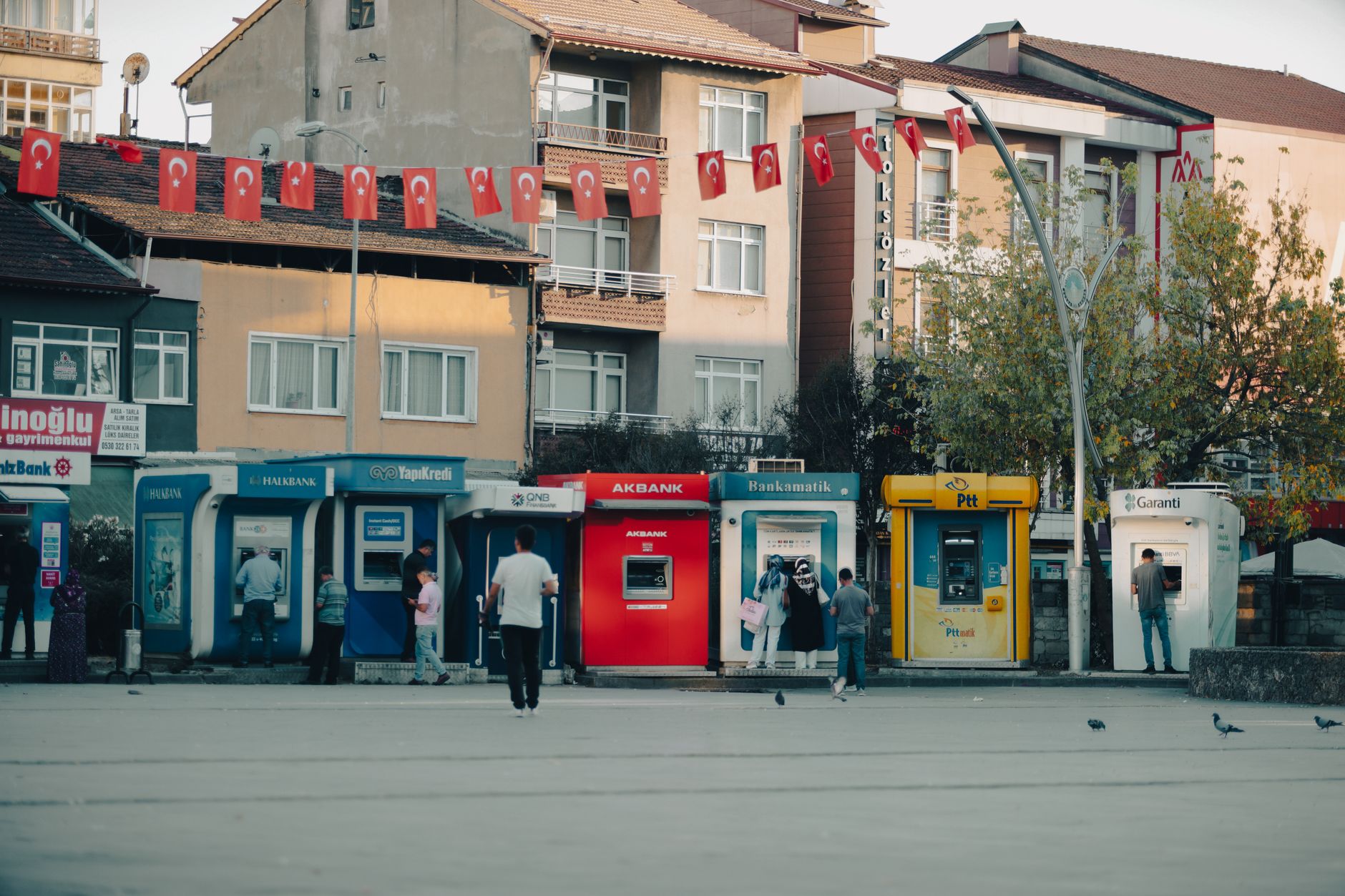
The Wise debit card works well in Vietnam if you know the fee structure. Here's how to use it at ATMs and merchants without losing money on bad rates.
More articles from the same category.
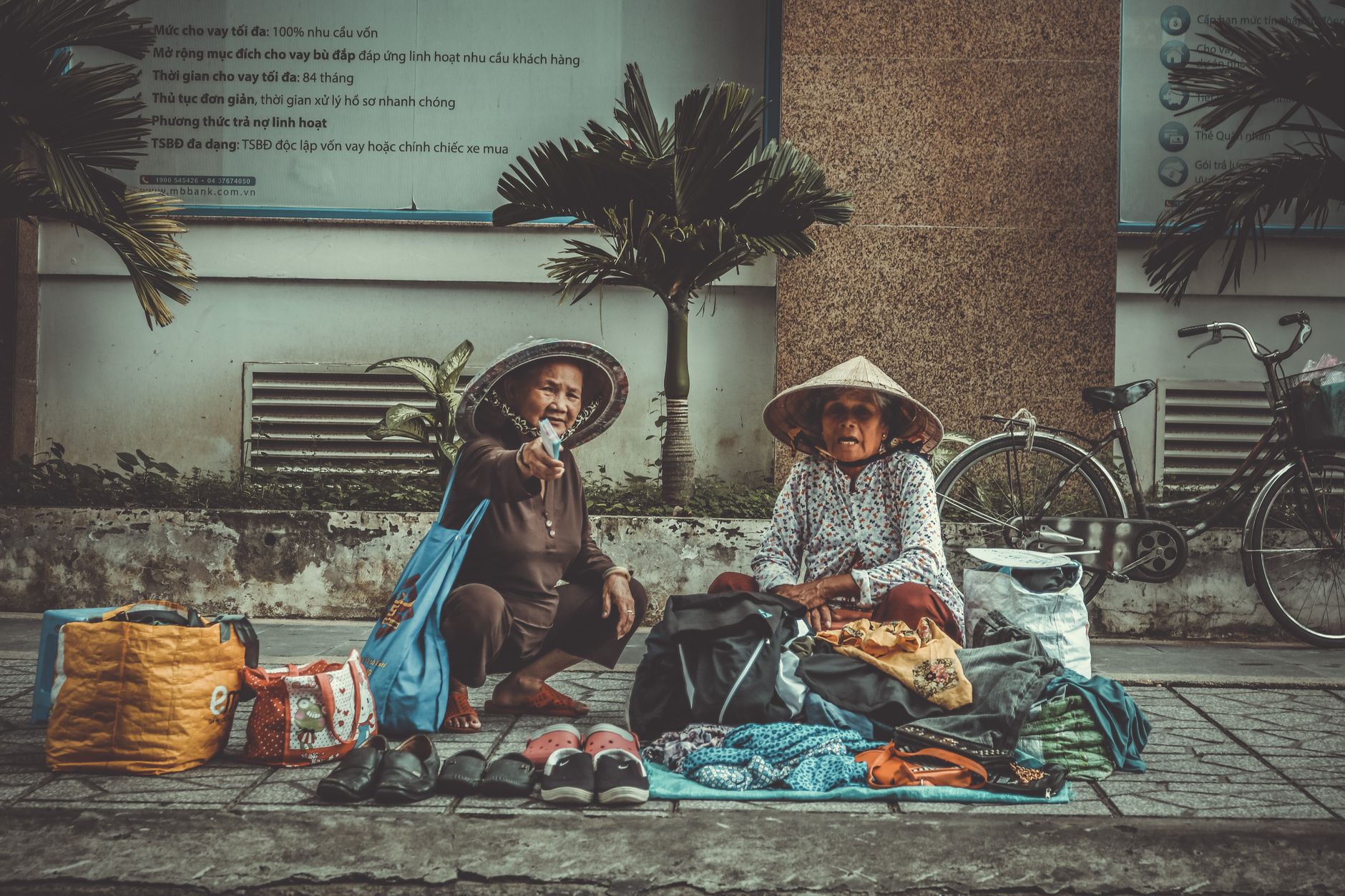
Forget the heavy gear. Packing for the Mekong Delta is about managing humidity, protecting your skin, and staying mobile on the water.
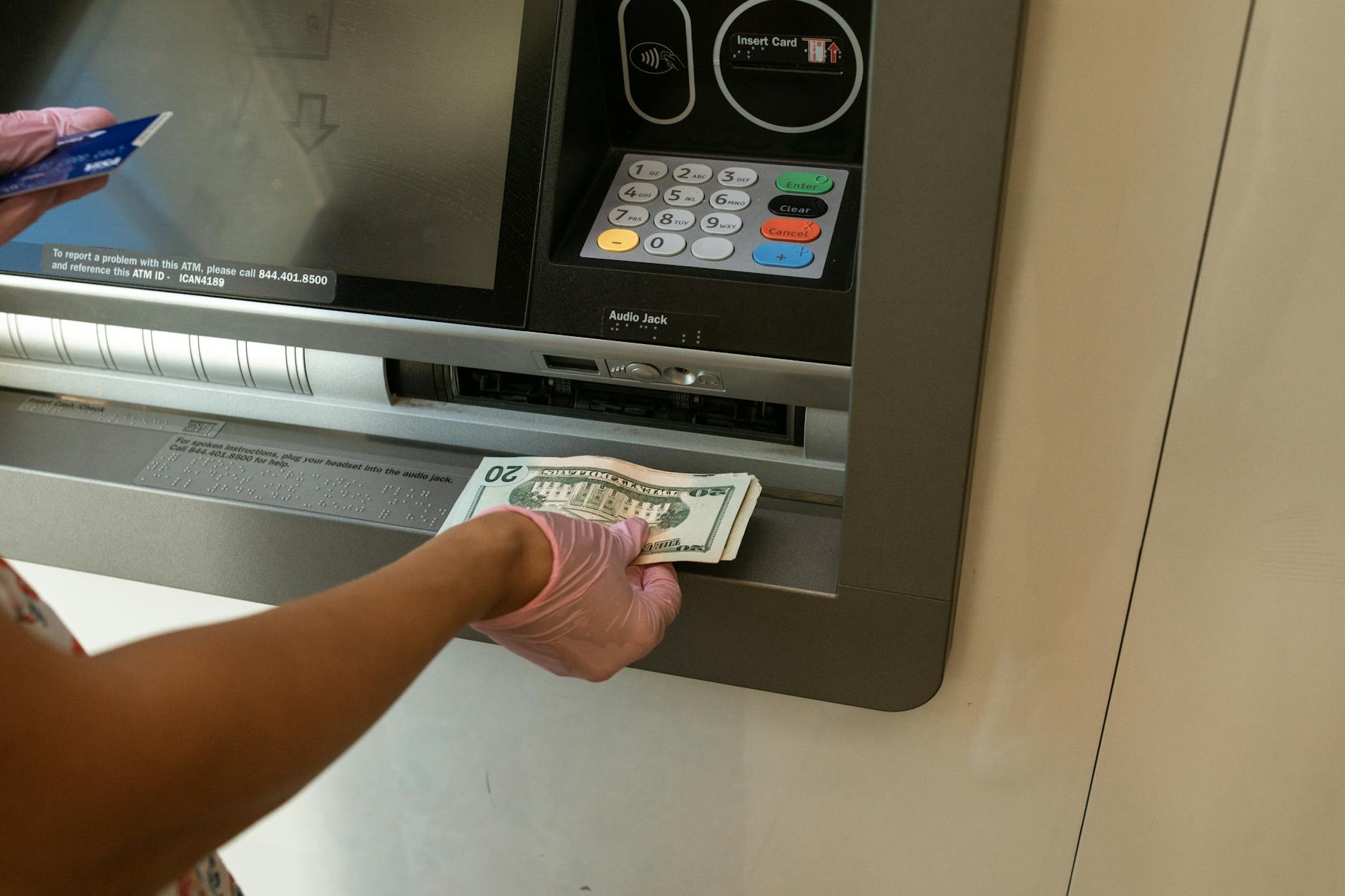
Vietnam runs on dong, but there are real situations where USD cash matters. Here is where you can actually pull USD from an ATM or bank counter.

Wise works for sending VND to Vietnamese banks, but the process has quirks. Here's what fees to expect, which banks receive fastest, and why transfers get rejected.
Fees, speeds, and bank coverage compared for the three most-used international transfer services into Vietnam — so you pick the right one before you send.
Forget the resort-brochure packing lists. Here is the gear you actually need for Vietnam's coast, from the sands of Da Nang to the islands of Phu Quoc.
Mastering basic time and day markers in Vietnamese will save you from missed buses and confused taxi drivers. Here is the essential cheat sheet for your trip.
Crossing a street in Vietnam (베트남 / 越南 / ベトナム) feels dangerous until it clicks. Once you understand the unwritten logic behind how Vietnamese drivers negotiate intersections, you stop freezing on the kerb and start moving like everyone else.
Vietnamese traffic — especially motorbike traffic — operates less on hard rules and more on flow. Think of it less like chess and more like water finding a path. Nobody is trying to hit you. The default assumption among drivers is that everything in front of them will move predictably and slowly. Your job is to be predictable.
This holds true whether you're on a motorbike yourself, crossing on foot, or sitting in the back of a taxi watching the whole system from outside.
In cities like Hanoi and Saigon, major intersections are well-lit and generally respected — especially at lights with a countdown timer, which most now have. A 120-second red with a visible countdown will be held. Drivers use the time to check their phones, light a cigarette, inch forward.
But a light at a small side-street junction with no countdown, no camera, and low traffic? Expect it to be treated as a suggestion. Motorbikes will filter through on red if the cross-traffic has cleared. Locals read the actual traffic, not the signal.
The practical upshot:
At a signalized crossing, wait for the green, then look left before stepping off the kerb anyway. Left-turning motorbikes treat the pedestrian phase as shared space. Walk at a steady pace, make eye contact when you can, and don't run. Running breaks the predictability contract.
If there's no pedestrian signal and no light, use the roundabout crossing logic below.
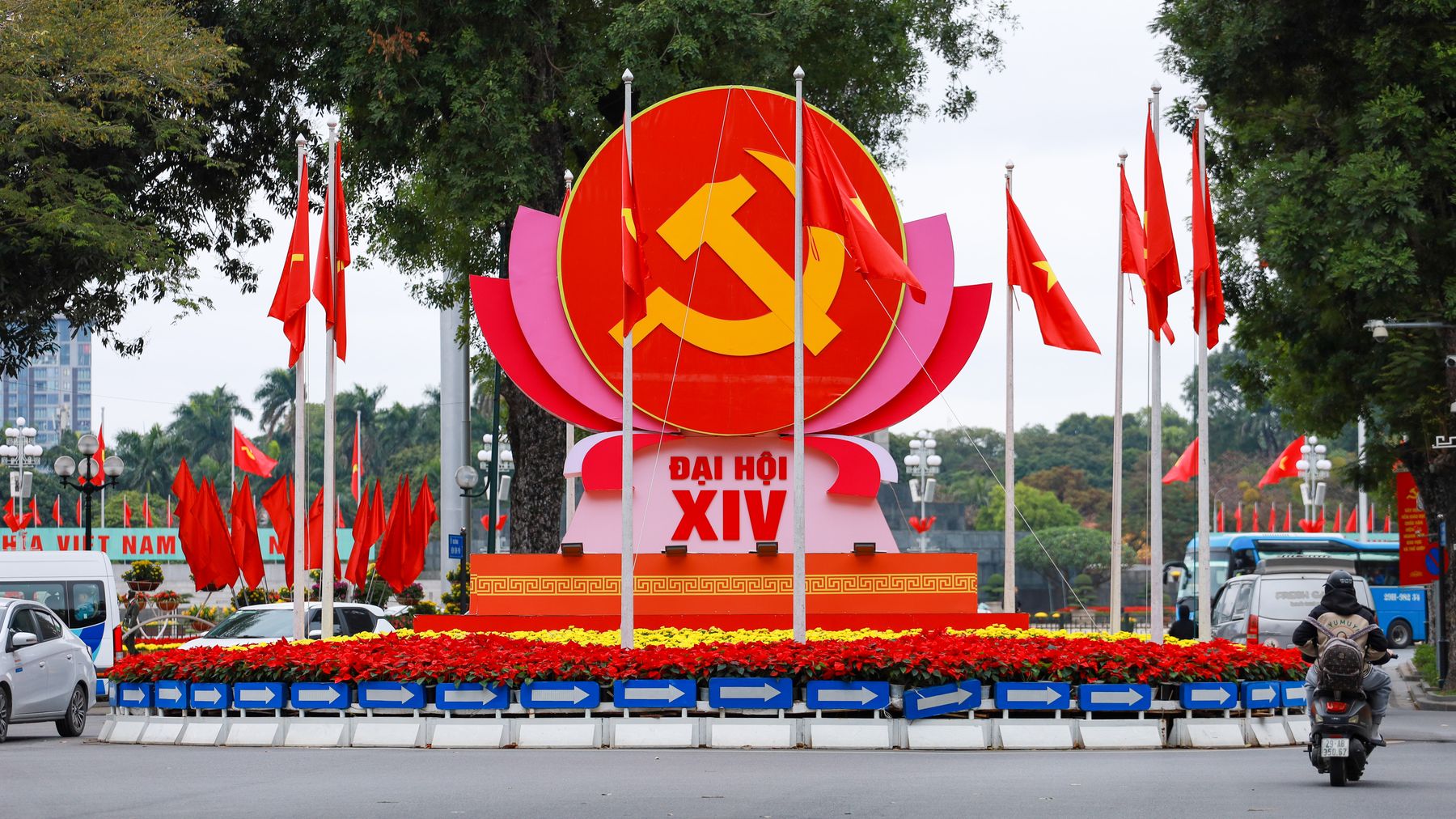
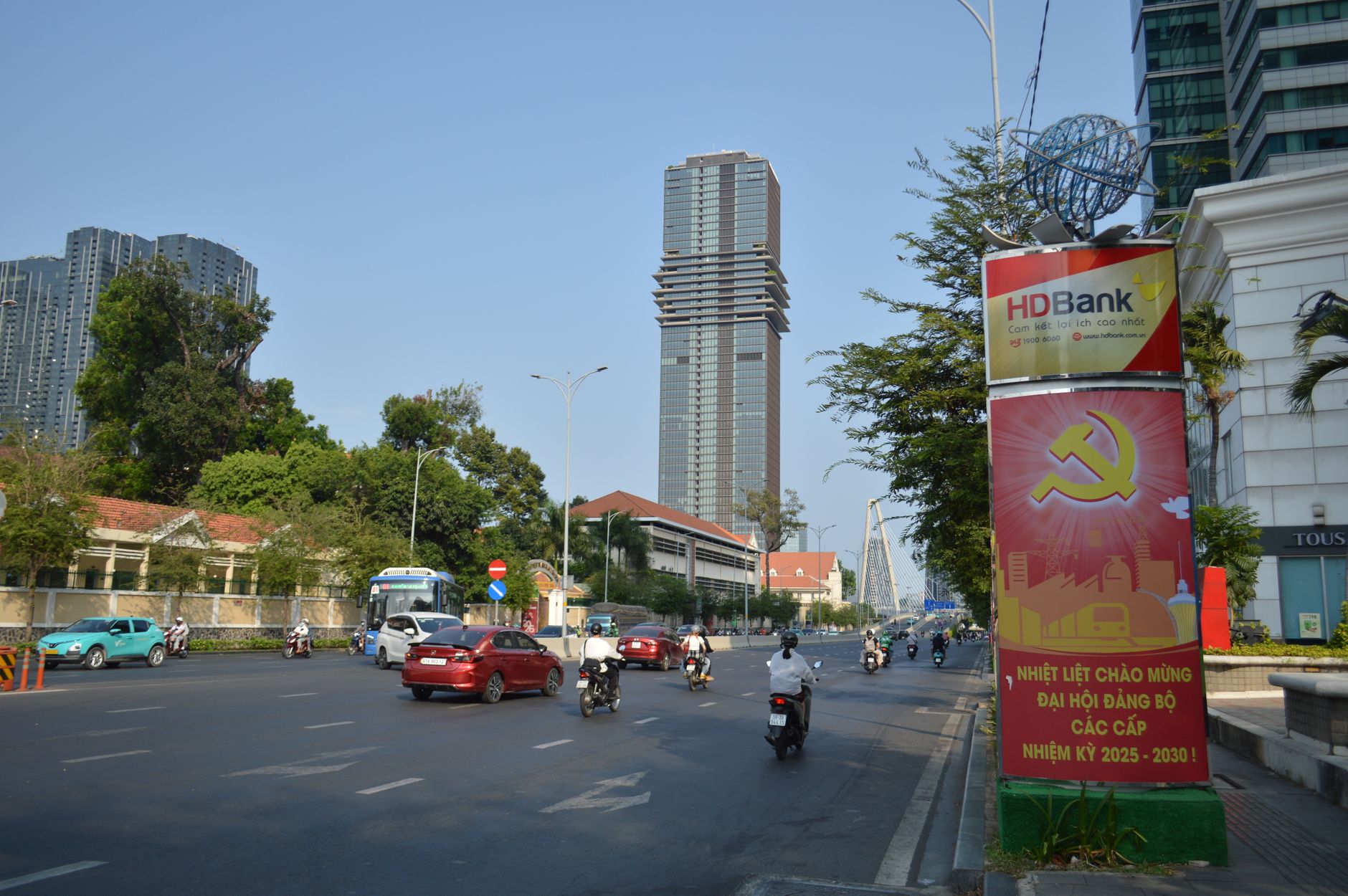
Photo by Hồng Quang Official on Pexels
Vietnam has hundreds of roundabouts, from the massive traffic circles in Da Nang and Hue (후에 / 顺化 / フエ) to small neighborhood ovals in Da Lat and Hoi An. The rule on paper is: traffic inside the roundabout has priority. The rule in practice is: everyone merges simultaneously and slows down enough to avoid contact.
Here's what actually happens:
For pedestrians at a roundabout, there are almost never controlled crossings. The technique is the same as crossing any busy Vietnamese road: pick a moment when traffic has a natural gap (usually just after a cluster passes), step out at a walking pace, and keep moving. Make yourself visible. Don't stop mid-stream unless you have to — a stationary person is harder to predict than a slow-moving one.
Horns in Vietnam are not expressions of anger. A short beep means "I'm here, don't move into me." A double-tap means "I'm overtaking." A long blast from behind usually means a large vehicle (bus, truck) wants the lane cleared. Respond to honks with position adjustment, not panic.

Photo by Tuan Vy on Pexels
Hanoi: Older grid streets, more stop-start traffic, drivers slightly more likely to hold red lights near the Old Quarter where enforcement is visible. The Long Bien Bridge approach and major junctions around Hoan Kiem Lake have consistent police presence.
Saigon: Higher speeds on wider boulevards. The intersection at Ben Thanh Market is one of the busiest in the country — cross with the pedestrian phase and don't dawdle. District 1 junctions generally have cameras.
Hoi An: Mostly bicycles and slow motorbikes in the old town. The roundabouts on the edge of town near Cua Dai road are chaotic during morning market hours.
Da Nang: Probably the most orderly driving culture of the major cities. Wide roads, well-maintained lights, drivers tend to actually signal. Good city to build your confidence.
If you're renting a motorbike — which is easy to do in Da Lat, Mui Ne, Ha Giang, and most beach towns — the key adjustment is lane position. Hug the right side on multi-lane roads. Take roundabouts slowly on your first pass to read the flow. Never overtake on a blind corner, regardless of what the rider ahead of you does. And get an international driving permit before you arrive; riding without one is technically illegal and will affect your insurance if you're in an accident.
The single most useful habit is watching what the motorbikes directly in front of you do — they read the intersection better than any signal. Traffic cameras are expanding in Hanoi and Saigon, so running reds in major junctions carries a real fine risk (typically 400,000–600,000 VND for motorbikes). As a foreign pedestrian, your greatest asset is a slow, steady walk and eye contact with approaching drivers.