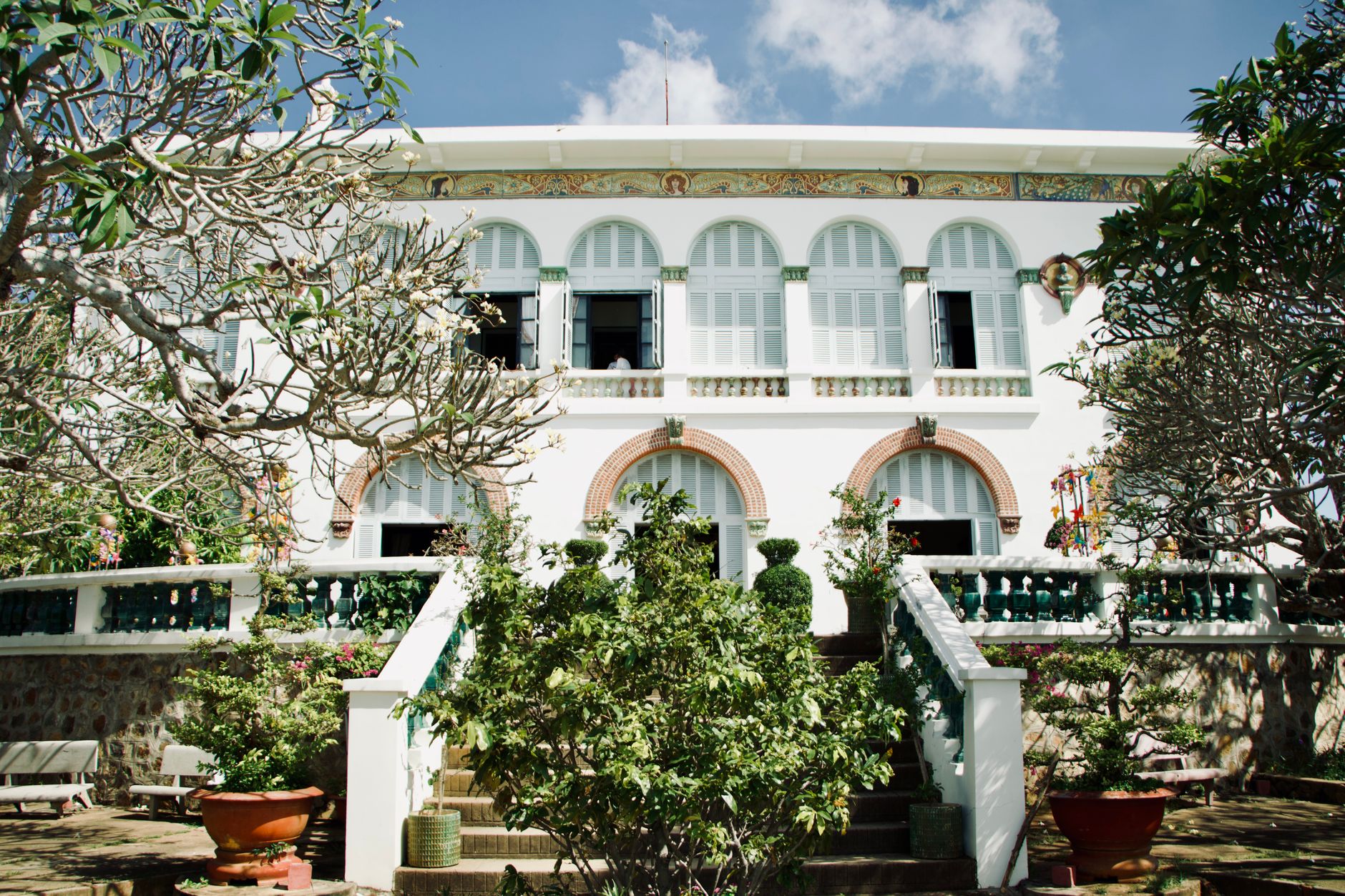
Hoi An is a small town that punches well above its weight at the table. Three days here gives you enough time to get past the tourist-row restaurants and into the food that locals actually care about.
Day 1 — Old Town Classics
Morning: Breakfast the right way
Start early, before the tour groups arrive. The morning market on Tran Phu Street is worth walking through just for orientation — dried spices, fresh herbs, whole fish — but your first meal should be a bowl of "cao lau". This is Hoi An (호이안 / 会安 / ホイアン)'s most distinctive dish: thick chewy noodles, slices of char-grilled pork, crispy croutons, and a small amount of broth made from ash-leeched water and local well water. It doesn't travel well, which is part of the point. A reliable bowl costs around 35,000–45,000 VND. Quan Cao Lau Thanh on Tran Phu is unglamorous and consistent.
Follow that with Vietnamese coffee — the slow-drip kind, iced with condensed milk — at one of the small cafes tucked into the alleys off Nguyen Hue Street. Skip the Instagram cafes on the main drag.
Midday: "Banh Mi" and "White Rose"
Hoi An has a legitimate claim to one of the better "banh mi" sandwiches in the country. Banh Mi Phuong on Phan Chau Trinh is the famous one — deservedly so, though the queue at peak hours is real. A loaded sandwich runs 35,000–50,000 VND depending on fillings. Order the combination (dac biet) and eat it standing on the street.
For lunch, find "banh bao vac" — what menus translate as White Rose dumplings. Thin rice-paper pouches, filled with shrimp or pork, steamed and topped with crispy shallots. They're delicate, slightly chewy, and almost nowhere else makes them properly because the wrappers are produced by a single family in town. Most Old Town restaurants serve them; a plate is around 50,000–65,000 VND.
Evening: "Banh Xeo" and the riverside
For dinner, order "banh xeo" — the sizzling rice-flour crepe stuffed with shrimp, bean sprouts, and pork. In Hoi An the version is smaller than the Saigon style, more like a taco than a platter. You wrap it in mustard leaf and rice paper, dip it in nuoc cham. Restaurants around the covered bridge on Nguyen Thi Minh Khai do decent versions. Budget 80,000–120,000 VND for a meal with a local beer.
Day 2 — Cooking Class and the Central Market
Morning: Central Market
The market behind Bach Dang Street on the river is the heart of Hoi An's food supply. Get here by 7am. You'll see the specific regional ingredients that define local cooking: morning glory, banana flower, the small turmeric-yellow tubers used in cao lau broth, fresh "goi cuon (고이꾸온 / 越南春卷 / ゴイクオン)" wrappers. Several cooking schools run guided market tours before class — Morning Glory Cooking School and Red Bridge both do this well, with classes running 650,000–900,000 VND per person including the market walk, hands-on cooking, and lunch.
Afternoon: Cook, eat, rest
A half-day class typically covers three or four dishes — expect cao lau, banh xeo, fresh spring rolls ("goi cuon"), and a soup. The hands-on time is genuinely useful; you'll learn the herb combinations that make central Vietnamese food distinct from what you'd get in Hanoi or Saigon. After class, you eat what you cooked, which keeps the afternoon light enough that you'll actually be hungry again by evening.
Evening: Eat local, away from the lanterns
Walk fifteen minutes east of the Old Town center and prices drop by about a third. The stretch of Nguyen Duy Hieu Street has small family-run com (rice) shops where a full plate of "com tam" — broken rice with grilled pork, egg, and pickled vegetables — costs 40,000–55,000 VND. This is where residents eat dinner. No English menus, but pointing works fine.
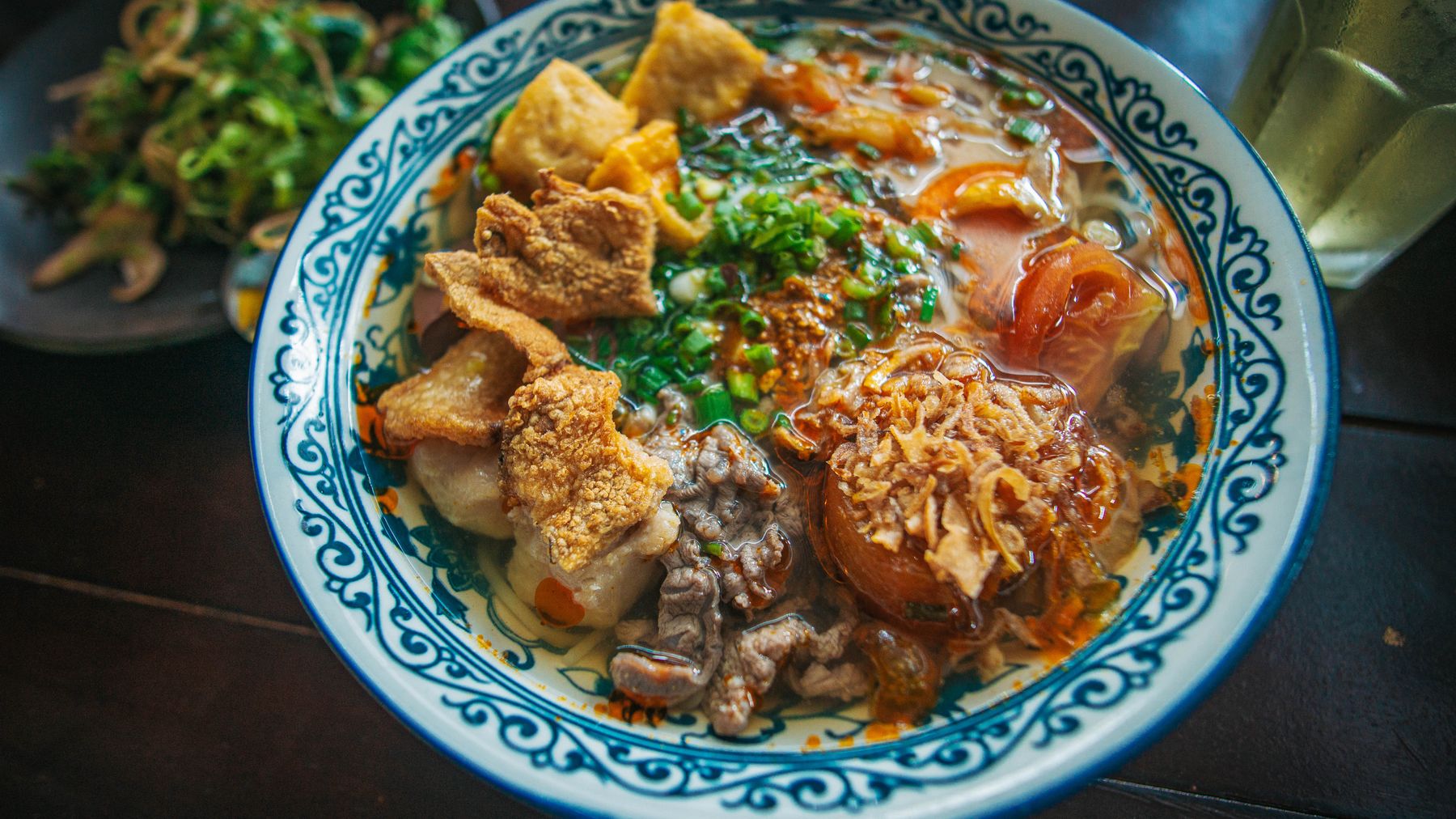
Photo by FOX ^.ᆽ.^= ∫ on Pexels
Day 3 — Tra Que and Cam Thanh
Morning: Tra Que Herb Village
Tra Que is about 3km north of the Old Town — a 15-minute bike ride or a short xe om ride for around 30,000–40,000 VND. The village grows the herbs that supply most of Hoi An's restaurants: laksa leaf, perilla, Vietnamese coriander, spring onions. Several farms offer short working experiences (weeding, watering, raking) followed by a cooking demonstration and meal. It's low-key and unhurried. Afterward, buy a bag of fresh herbs to take back — prices are a fraction of the market.
Have breakfast in the village itself. A few small stalls near the farming area sell "banh cuon" — steamed rice rolls filled with minced pork and wood-ear mushroom, served with fried shallots and dipping sauce. Around 30,000 VND a plate.
Afternoon: Cam Thanh Water Coconut Forest
Cam Thanh village is about 4km southeast of Hoi An. The draw is the "rung dua nuoc" — the water coconut palm forest threaded with narrow canals. Basket boat tours run 150,000–200,000 VND per person and last about 45 minutes to an hour. It's quiet and genuinely pretty without much drama. Local operators at the village entrance are cheaper than the packaged tours sold in town.
After the boat, eat at one of the riverside restaurants in Cam Thanh. "Mi Quang" — the turmeric-noodle dish with shrimp, pork, peanuts, and a small splash of broth — is the right order here. A bowl runs 45,000–60,000 VND. Different from cao lau, different from pho, and thoroughly central Vietnamese.
Evening: Wind down in the Old Town
Back in the Old Town by late afternoon. If you haven't tried "bia hoi" yet — the draft beer brewed fresh daily and sold for 10,000–15,000 VND a glass — the small plastic-stool spots near Hoai River on Bach Dang are the place. Order a plate of nem lui (grilled pork on lemongrass skewers) and call it a trip.

Photo by Thái Trường Giang on Pexels
Practical Notes
Most Old Town restaurants are walkable; rent a bicycle (around 50,000–80,000 VND per day) for Tra Que and Cam Thanh. The best eating hours mirror local rhythms: breakfast 6:30–8:30am, lunch 11am–1pm, dinner from 5:30pm. Avoid peak tourist lunch hours if you want a seat at the smaller places.
Last updated · May 29, 2026 · independently researched, never sponsored.