Day 1-3 — The Limestone Wilderness of Phong Nha
Start your journey in Phong Nha. Most travelers rush through in 24 hours, but three days allows you to actually see the landscape. Base yourself in the village near the Son River rather than the town center.
Spend your first day renting a scooter (150,000 VND/day) to ride the loop toward Paradise Cave. It is a 25km ride through rural roads that feel worlds away from the city. On day two, skip the crowded boat tours and book a trek into one of the deeper cave systems. If you want a quieter experience, visit the Botanical Garden for a hike that ends at a natural swimming hole. On your final morning, grab a "vietnamese coffee" at a riverside cafe before catching the afternoon train or a private car toward Hue.
Day 4-6 — The Imperial Pace of Hue
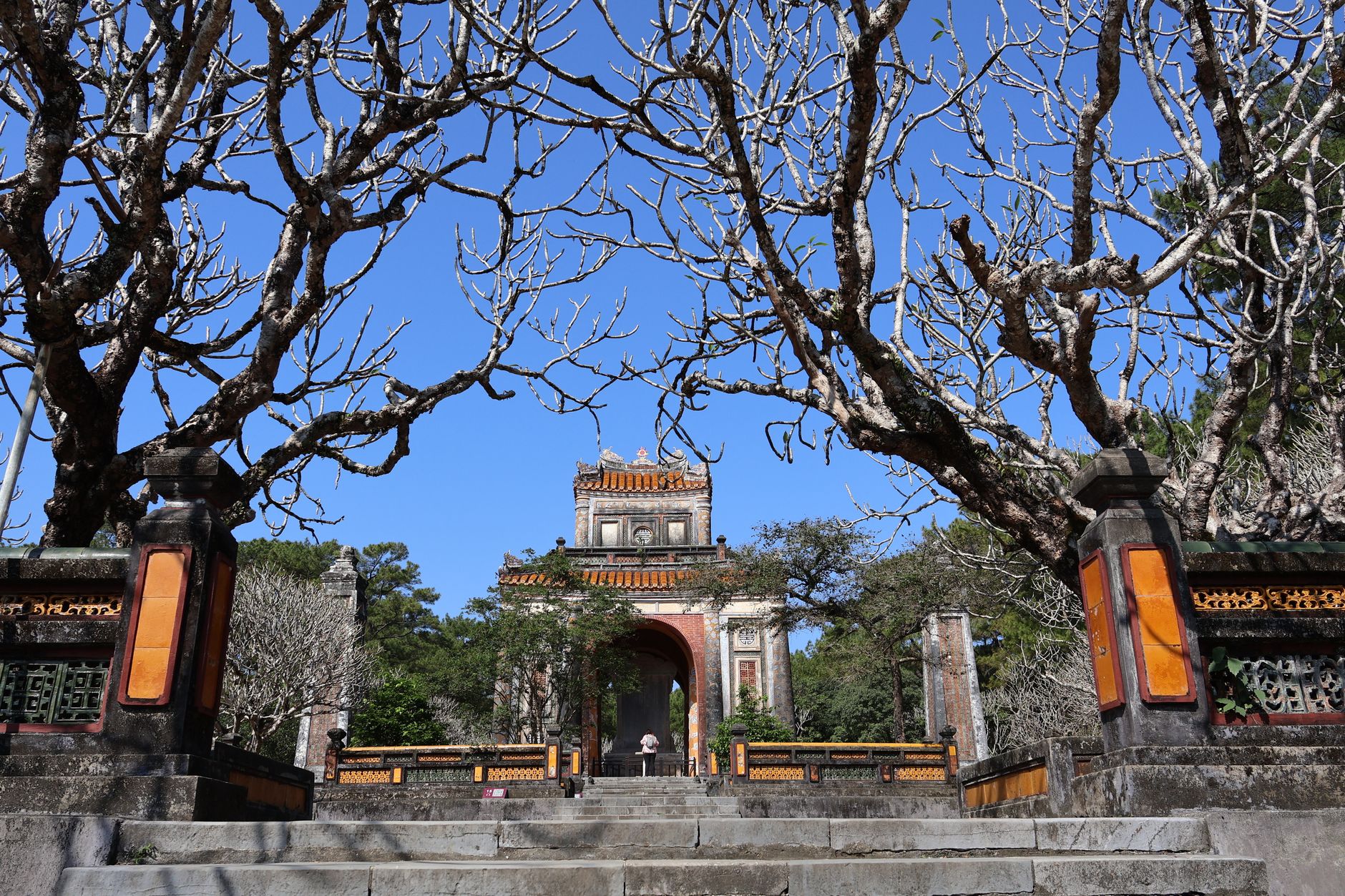
The journey from Phong Nha (퐁냐 / 峰牙 / フォンニャ) to Hue takes about 5 to 6 hours by road. Hue is a city that demands a slower rhythm. Avoid the temptation to sprint through the "Tomb of Tu Duc" and "Tomb of Khai Dinh" in a single afternoon.
Dedicate your first full day to the Imperial Citadel Thang Long’s southern cousin, the Hue Imperial Citadel. Go early, around 7:30 AM, to beat the tour buses. In the evenings, seek out the local specialties. Hue is the capital of central cuisine; you must try "bun bo hue (분보후에 / 顺化牛肉粉 / ブンボーフエ)" from a street vendor near the Dong Ba Market. On your second day, rent a bicycle and ride along the Perfume River toward the Thien Mu Pagoda. It is a flat, peaceful route that reveals the city’s true character. Spend your last evening here eating "banh beo" and "banh khoai" at a small stall in the back alleys of the city center.

Photo by Quang Nguyen Vinh on Pexels
Day 7-10 — The Riverfront Calm of Hoi An
Travel from Hue to Hoi An via the Hai Van Pass. If you hire a private driver (approx. 1.5 million VND), you can stop at Lang Co for a view of the coast. Once in Hoi An, ignore the main tourist streets of the Ancient Town during the day.
Instead, stay in a homestay in the Cam Chau or Cam Thanh areas, about 3km from the center. This is where you can cycle through rice paddies and watch the sunset over the Thu Bon River. Spend your mornings eating "cao lau"—a dish unique to this town—at the central market. On your second day, take a boat to the nearby villages or simply spend the day at An Bang beach. By day nine, you will have seen the tourist traps; use this time to get a custom "ao dai" made or simply sit with a "ca phe sua da" and watch the river traffic. On your final day, take a slow morning walk through the quieter residential streets before heading to Da Nang for your departure.
Photo by Quang Nguyen Vinh on Pexels
Transport Logistics
- Phong Nha to Hue: Private car is the most reliable (5-6 hours). Buses are cheaper but less comfortable.
- Hue to Hoi An: The train to Da Nang followed by a 45-minute taxi is a scenic alternative to the road trip, especially if you want to avoid the winding pass.
- Getting around: In all three locations, a bicycle or a rented scooter is the best way to find the hidden spots. Do not rely on taxis for short distances; you will miss the details of the neighborhoods.
Practical notes
Pack light, as you will be moving between three distinct climates—the humid caves of the north, the windy riverbanks of Hue, and the coastal heat of Hoi An. Always carry a light rain shell, even in the dry season, as the weather near the mountains changes rapidly.
Last updated · May 30, 2026 · independently researched, never sponsored.