Overview
A Mekong river cruise between Saigon and Can Tho threads through the delta's backwaters, market towns, and rice paddies. Three days is the sweet spot—long enough to feel removed from the city, short enough to fit into most itineraries. You'll stop at "Cai Be", "Sa Dec", and villages accessible only by boat. Cabins range from €600–€2,500 per person for the full three days.
Day 1 — Saigon to Cai Be
Most cruises depart from Saigon (사이공 / 西贡 / サイゴン) between 1 p.m. and 3 p.m., giving you the morning to explore the city or sleep in. The pier is usually in District 1 or District 4. Expect a minibus pickup from your hotel (confirm the time when you book).
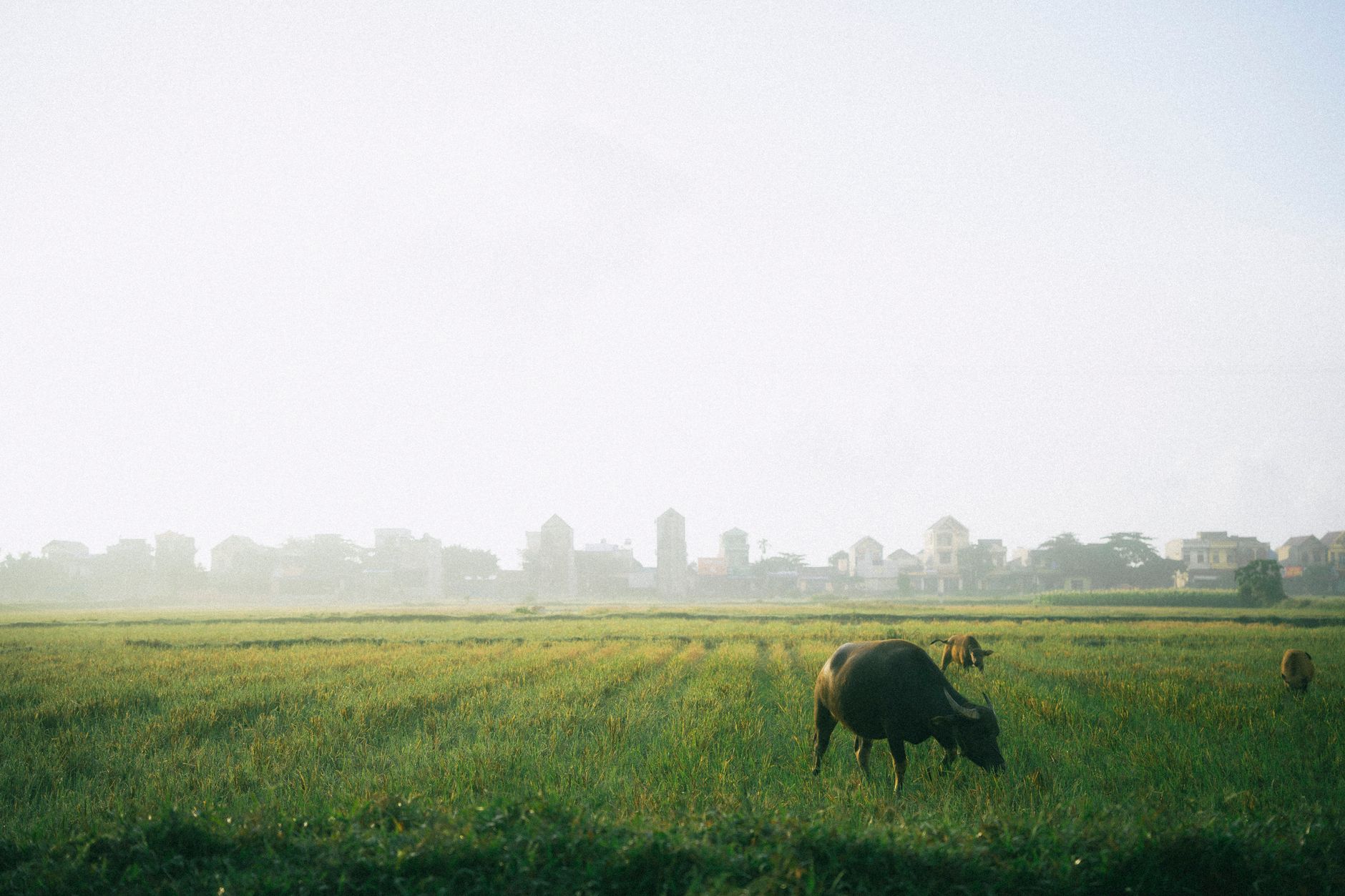
Once aboard, settle into your cabin, meet fellow passengers at a welcome briefing, and head to the top deck as the ship pushes into the "Song Saigon" (Saigon River). The city thins out within an hour—Binh Duong Province's industrial fringes give way to coconut palms and smallholder orchards.
Around 6 p.m., you'll arrive at Cai Be, a river town famous for its floating markets and coconut candy factories. Some cruises include an evening shore excursion: a motorized sampan ride through narrow channels where you'll spot stilt houses, fish farms, and women selling "nuoc dua" (fresh coconut water) from floating stalls. Dinner is served aboard—typically a "com" (rice) and vegetable spread with grilled protein, washed down with local beer or wine.
Where to stay: Aboard. Cabins on mid-range cruises are compact but clean, with air-con, a porthole window, and an ensuite bathroom. Luxury lines (Aqua Mekong, Heritage Line) offer larger suites, butler service, and better views. Budget cruises (RV Mekong, Indochine) are functional—think backpacker hostel standards.
Day 2 — Floating Markets & Sa Dec
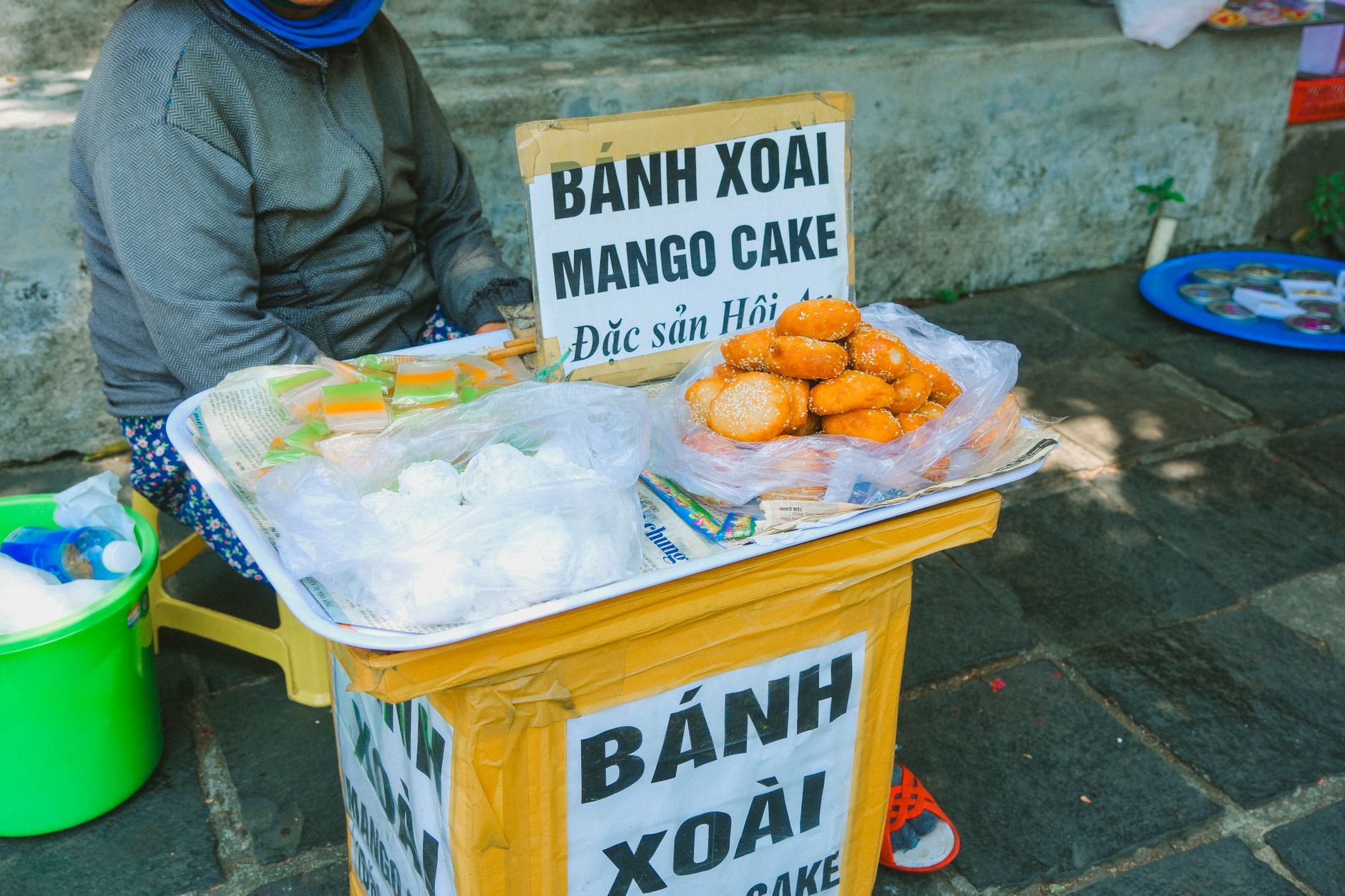
Wake early. The ship's loudspeaker will announce breakfast around 6:30 a.m., and most cruises include a pre-dawn motorized canoe ride to Cai Be Floating Market. It's touristy, but authentic: wooden boats laden with dragon fruit, mangoes, and leafy greens converge at a central mooring. Local vendors call prices in "dong"; a kilogram of rambutan costs around 30,000–50,000 VND. The canoe weaves between sampans, and you'll often taste fresh juice pressed from calamansi or sugar cane on the spot.
Return to the ship for a full breakfast (eggs, fresh fruit, bread, coffee). Around 10 a.m., the ship weighs anchor and cruises downriver toward Sa Dec, the next major stop. This leg takes 4–5 hours. You can read, nap, or stand on deck watching the landscape morph from orchards into rice fields and water hyacinth beds.
Sa Dec was a colonial-era port town and setting for Marguerite Duras' L'Amant (The Lover). The town is low-key: narrow alleys, art-deco shop-houses, a Catholic church, and a small museum in a 19th-century mansion. Most cruises offer a guided walking tour in the early evening (1–2 hours). You'll visit the Tran family house (the original inspiration for the novel's setting), a local flower market, and a pottery workshop. Dinner aboard is typically a fusion spread—"pho" noodle broth alongside grilled river fish.
What to do: Some luxury cruises include a cooking class or visit to a private home for a demonstration of traditional Mekong recipes. Budget options skip this; independent travelers can hire a local guide at the Sa Dec dock for 100,000–200,000 VND per hour.

Photo by Vietnam Tri Duong Photographer on Pexels
Day 3 — Can Tho Disembark
On the final morning, breakfast is served early (6:30–7 a.m.). The ship either docks in Can Tho (껀터 / 芹苴 / カントー) or you disembark via tender (depending on water levels). Can Tho is the Mekong's largest city—a working port with a more authentic pulse than Sa Dec. A local guide usually leads a short walking tour of the riverfront, Cao Dai Temple, and the Central Market before departure around 10 a.m.
If your flight out of Saigon is that evening, arrange a transfer from the Can Tho dock directly to the airport (25 km north). It takes 45 minutes to 1 hour depending on traffic. This saves you from backtracking to Saigon. Otherwise, cruise companies offer bus transfers back to Saigon's District 1 (4–5 hours, usually included or 150,000 VND extra).
Which Cruise to Book
Luxury (€1,800–€2,500 per person)
Aqua Mekong and Heritage Line operate smaller ships (40–80 passengers) with a-la-carte dining, en-suite spas, and expert guides. Cabins have full-size beds and marble bathrooms. Drinks, excursions, and shore meals are included. These lines emphasize art, architecture, and cultural depth. Book 2–3 months ahead for high season (November–February).
Mid-range (€800–€1,400 per person)
Victory Cruises and similar operators run larger ships (100–200 passengers) with set menus, comfortable cabins, and decent service. Excursions are guided and included; alcoholic drinks cost extra. Cabins are smaller but not cramped. These lines suit families and mixed groups.
Budget (€400–€700 per person)
RV Mekong and Indochine are backpacker-focused, with dorm and private rooms, communal dining, and a party atmosphere. Guides are local and English-speaking but less polished. These cruises appeal to younger travelers who prioritize cost and social scene over comfort.
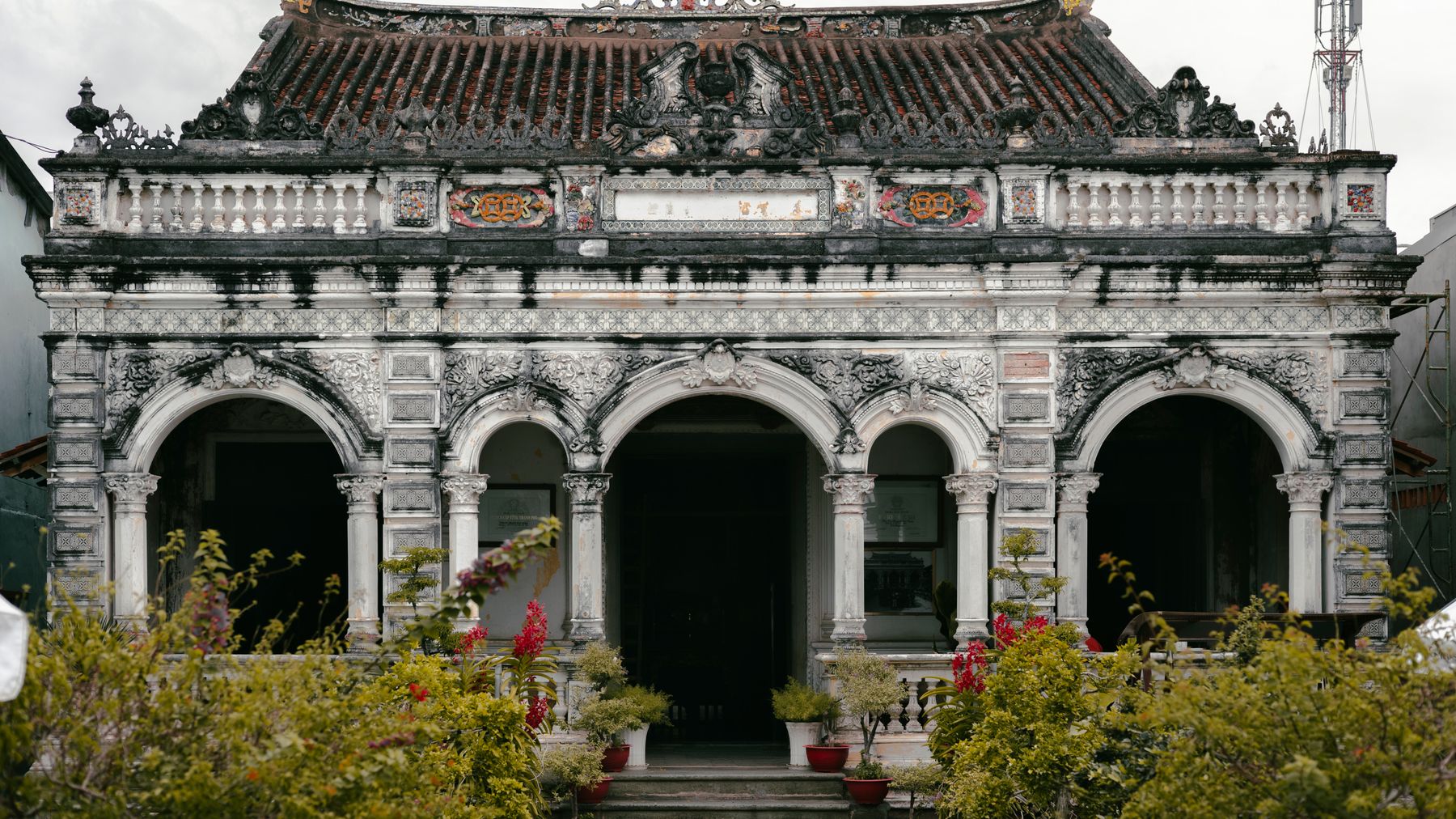
Photo by DUYTRG TRUONG on Pexels
What's Included & What Costs Extra
All cruises include meals, most shore excursions, and cabin. Alcohol, tips for staff, and optional activities (cooking classes, private sampan hire) are usually extra. Budget 50,000–150,000 VND per day for these incidentals.
Tips: On mid-range and budget cruises, crew are paid minimal wages; tipping 50,000 VND per crew member at the end of the voyage is expected. Luxury cruises sometimes include gratuities in the fare.
Best Time to Visit
November to January: cool, dry weather, calm river, full water levels. July–September: monsoon, choppy water, lower prices. March–May: hot, dusty, dry season; water levels drop and small ferries may struggle. Aim for December if you want crowds and good weather; July–August for solitude and discounts.
Practical Notes
Book directly through cruise operators or via travel agents (Viator, GetYourGuide) 6–8 weeks ahead in high season. Bring sun protection, loose clothes, and motion-sickness tablets if prone. Most cabins on budget cruises have no air-con—nights can be sticky. Internet is sporadic; treat it as a digital detox. Visas: if you hold a standard e-visa, re-entry might be required depending on your route; confirm with your cruise operator or embassy. Saigon airport (Tan Son Nhat) is 8 km from the cruise dock; transfers typically cost 100,000–300,000 VND.
Last updated · May 26, 2026 · independently researched, never sponsored.