This route trades beaches and food tours for vertical limestone, rope work, and mountain switchbacks. You'll sleep in caves, navigate jungle rivers, and ride a motorbike through one of Vietnam (베트남 / 越南 / ベトナム)'s most remote regions. It's not comfortable—and that's the point.
Day 1 — Hang En overnight cave
Arrive in Phong Nha town by bus or private car from Hanoi (4.5 hours, 240 km). Pick up your motorbike rental (100,000–150,000 VND/day) and drop bags at a local guesthouse. By mid-afternoon, head to Hang En tour departure (organized by eco-lodge operators in town; ~1.2 million VND per person for the overnight cave expedition).
You'll hike through jungle, abseil into the mouth of Hang En—one of Vietnam's largest cave entrances—and camp inside on a sandy beach with your guide and a small group. Dinner cooked over a fire. No electricity, no signal. Sleep in a tent within the cave. The acoustics are profound; the darkness complete except for headlamp beams. First night done.
Day 2 — Hang En to Son Doong day trek
Wake early in the cave. Pack out all gear (Leave No Trace). Trek back through the jungle, exit via a different route, and return to town by afternoon. Rest, shower, eat a proper meal. Most operators offer a second-day option: a guided day walk to Son Doong cave entrance (1.2 km trek, viewable from outside without the pricey overnight permit—roughly 300,000 VND group guide fee). Alternatively, explore the Tu Lan cave system caves instead over two full days if you prefer a less-crowded experience and have extra time to spend in this region.
Eat banh mi or com tam in town. Motorbike back to your guesthouse by sunset.
Day 3 — Tu Lan multiday option OR local caving day trips
If you chose the Tu Lan route instead of Hang En, you'll be mid-expedition here—hiking between cave entrances, swimming in emerald pools, camping in jungle. If you went Hang En, use Day 3 for recovery or a shorter caving option: a guided day trip to Thien Duong cave (Heavenly Cave) with boat and walk, ~500,000 VND with a local operator, takes 4–5 hours.
Alternatively, rent your motorbike and do a self-guided ride to nearby karst viewpoints: Ho Kham pass offers sweeping limestone views, 30 km north of town. Stop for lunch at a roadside ca phe sua da (Vietnamese iced milk coffee) stand. By evening, return to Phong Nha (퐁냐 / 峰牙 / フォンニャ), stock up on snacks, and prep your bike for the Ha Giang leg.

Photo by Vietnam Hidden Light on Pexels
Day 4 — Transit to Hanoi, motorbike prep
Leave Phong Nha early (6 a.m.). Ride or drive 240 km back to Hanoi (4.5–5 hours, depending on traffic and breaks). Return your rental if you used one, or hold it and refuel. Check into a guesthouse in the Old Quarter (near the Dong Xuan Market area for street food chaos and buzz). Spend the afternoon:
- Confirm your Ha Giang motorbike rental (1.2–1.8 million VND for a 125 cc semi-auto for 3–4 days; insurance 50,000–100,000 VND/day optional but recommended).
- Eat pho at a street stall. Phở 2000 (Ta Hien Street) is touristy but functional; better: find a corner spot near the Cathedral and eat where locals queue.
- Stock up on sun cream, a lightweight rain jacket, and water bottles.
- Sleep early. Tomorrow is a long, exhilarating ride north.
Day 5 — Hanoi to Ha Giang via Tuyên Quang
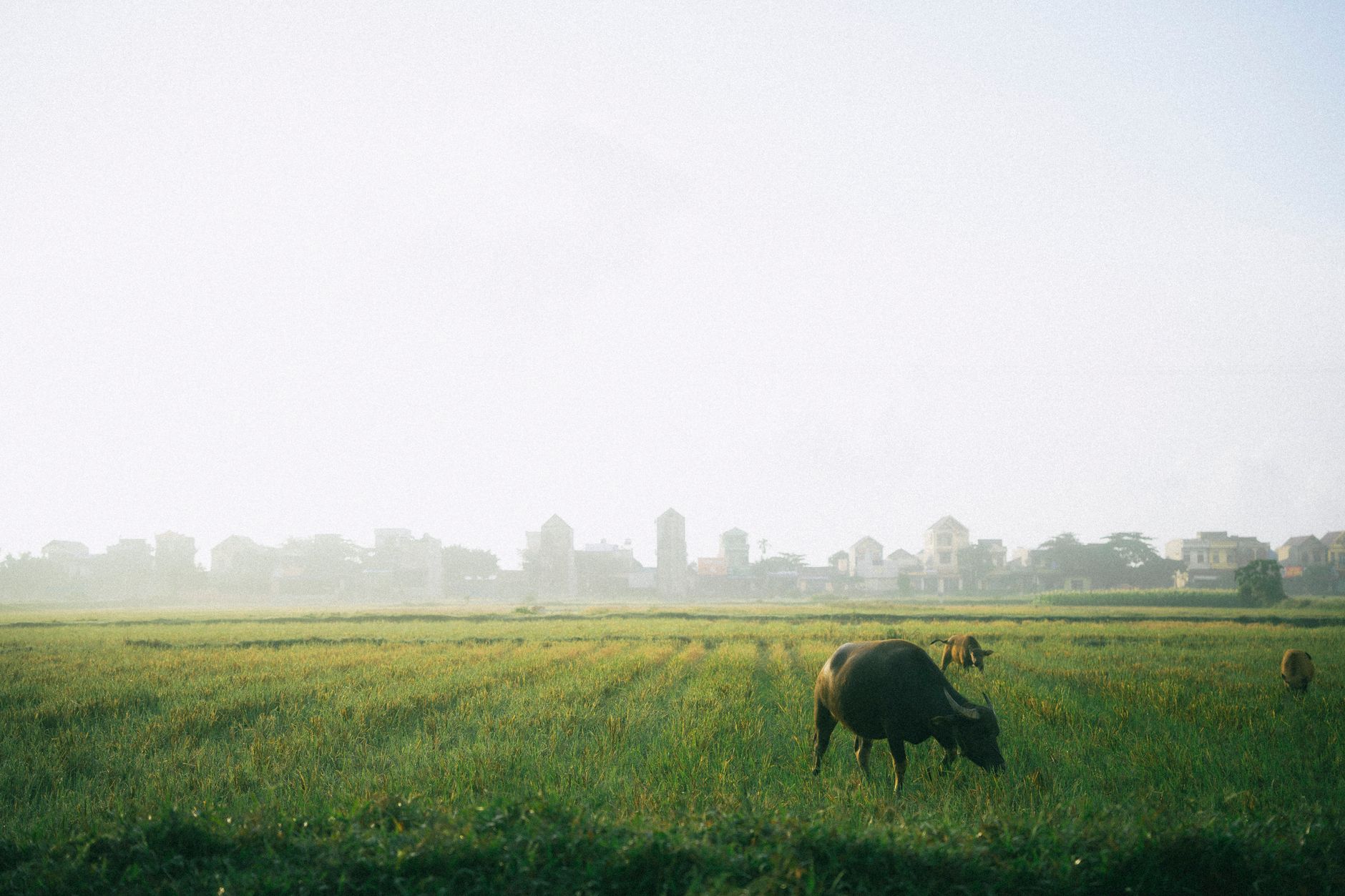
Depart Hanoi at sunrise (5:30 a.m.) on your motorbike. The 300 km ride to Ha Giang town takes 7–8 hours, but the landscape shifts progressively: Red River plains → limestone foothills → dense jungle → limestone peaks. Stop halfway in Tuyên Quang for a banh cuon breakfast or pho lunch.
Ride is steady, mostly paved. The last 80 km enters karst terrain—your first taste of the drama to come. Arrive in Ha Giang town by 2–3 p.m. Check into a motorbike-friendly guesthouse (budget: 150,000–300,000 VND/night). Eat at a local com tam stall or roti shop. Rest well; Day 6 is the loop.

Photo by Trinh Tuoi on Pexels
Day 6 — Ha Giang Loop (northern section)
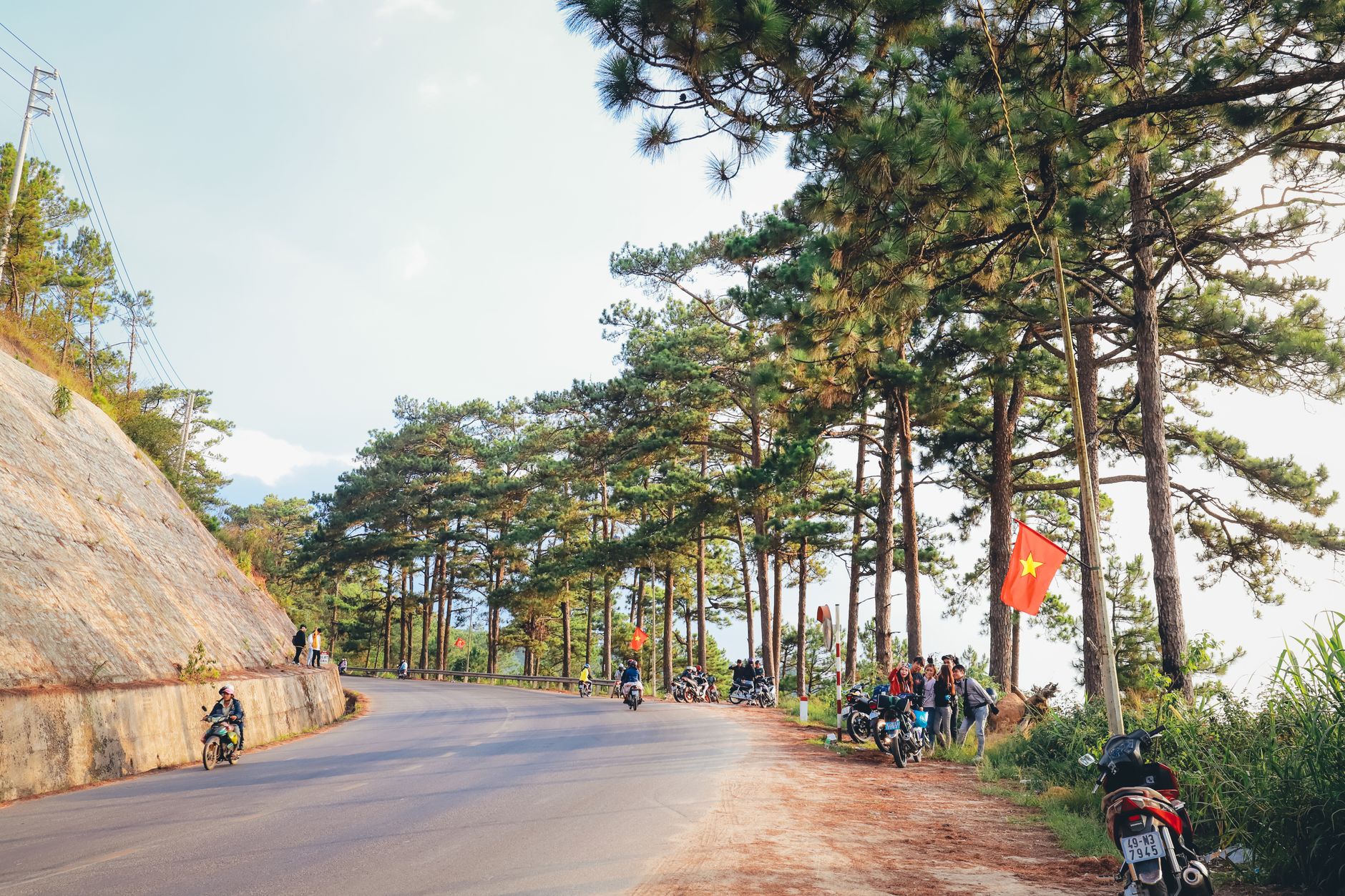
This is the main event. The Ha Giang Loop is a circuit through limestone karst, ethnic Hmong and Dao villages, and some of the most challenging roads in north Vietnam. You can ride the full loop in one or two days; split it here across Days 6–7.
Day 6 northbound: Depart Ha Giang town heading north on Highway 4 toward Yen Minh. The road climbs immediately into hairpin turns and limestone peaks. Stop at Ma Pi Leng Pass (1,200 m elevation, 24 hairpins on one side); this is one of the most dramatic motorcycle passes in Southeast Asia. Ride is slower (1–2 hours for 50 km) but unforgettable. Continue to Yen Minh or Meo Vac village (130 km from Ha Giang, 5–6 hours riding). Overnight in a homestay or simple guesthouse (100,000–200,000 VND). Eat grilled meat and rice. Sleep, recover your forearms.
Day 7 — Ha Giang Loop (eastern section) and return
Final day: ride east from Meo Vac toward Dong Van, descending through more karst and ethnic villages. Stop at Dong Van Old Town (a French colonial trading post, now quiet and atmospheric). Continue south back to Ha Giang town via Highway 4, completing the loop (80–100 km, 4–5 hours). Return your motorbike by evening.
Alternatively, if you're exhausted, base yourself in Ha Giang town and take organized motorbike day tours of the loop with a local guide (600,000–1 million VND/day). You'll ride as a passenger, but it's safer and less demanding.
Frequently Asked Questions
How much does it cost to do the Hang En overnight cave expedition?
The Hang En overnight cave expedition costs approximately 1.2 million VND per person, organized through eco-lodge operators in Phong Nha town. This includes a guided jungle hike, abseil into the cave entrance, and camping on a sandy beach inside the cave. A shorter alternative, a guided day trip to Thien Duong cave, runs around 500,000 VND with a local operator and takes 4-5 hours.
What motorbike rental options are available for the Ha Giang loop?
For the Ha Giang section, a 125 cc semi-automatic motorbike rents for 1.2-1.8 million VND for 3-4 days, with optional insurance at 50,000-100,000 VND per day. For the Phong Nha section, daily rentals run 100,000-150,000 VND. Book your Ha Giang rental in advance from Hanoi, ideally confirmed on Day 4 while staying near the Old Quarter.
When should you leave Hanoi to ride north to Ha Giang?
Depart Hanoi at sunrise, around 5:30 a.m., to allow enough time for the 300 km ride to Ha Giang town, which takes 7-8 hours. An early start also helps avoid city traffic through the Old Quarter area. Before leaving, stock up on sun cream, a lightweight rain jacket, and water, as the route heads into increasingly remote mountain terrain.
Practical notes
Phong Nha cave tours book through on-the-ground operators; online booking sites often overcharge. Motorbike insurance is optional in Vietnam but advisable if you're not experienced on rural roads. Helmet use is mandatory (and enforced by police). The Ha Giang Loop is not beginner-friendly—tarmac, potholes, hairpins, and trucks sharing the road. If you're inexperienced, hire a guide or consider the bus. Bring electrolyte salts and at least 2 L of water per day; mountain roads have few settlements. The best time is October to November or March to April (dry, cool). Avoid monsoon (May–September, December–February).
Last updated · May 29, 2026 · independently researched, never sponsored.