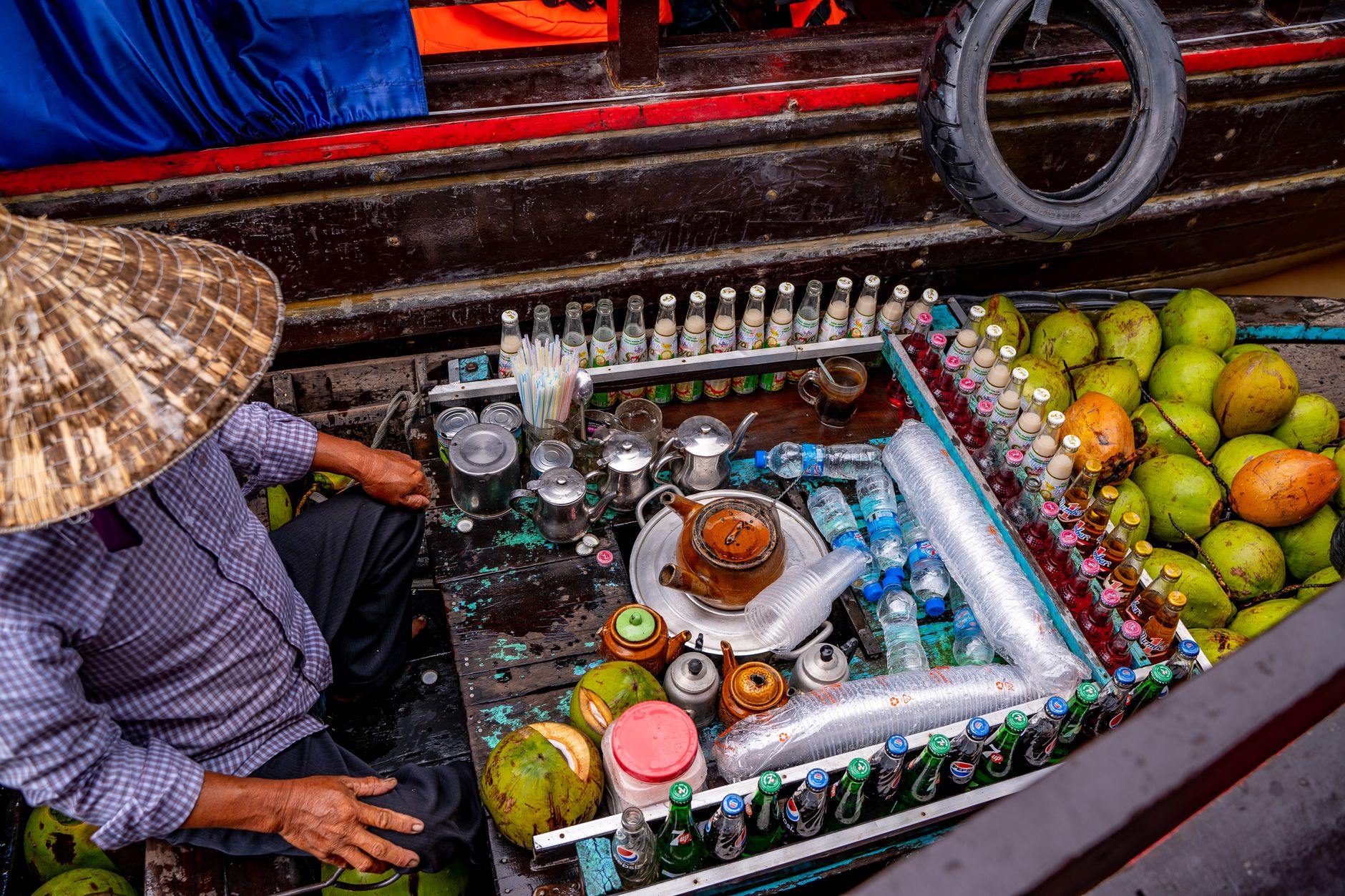
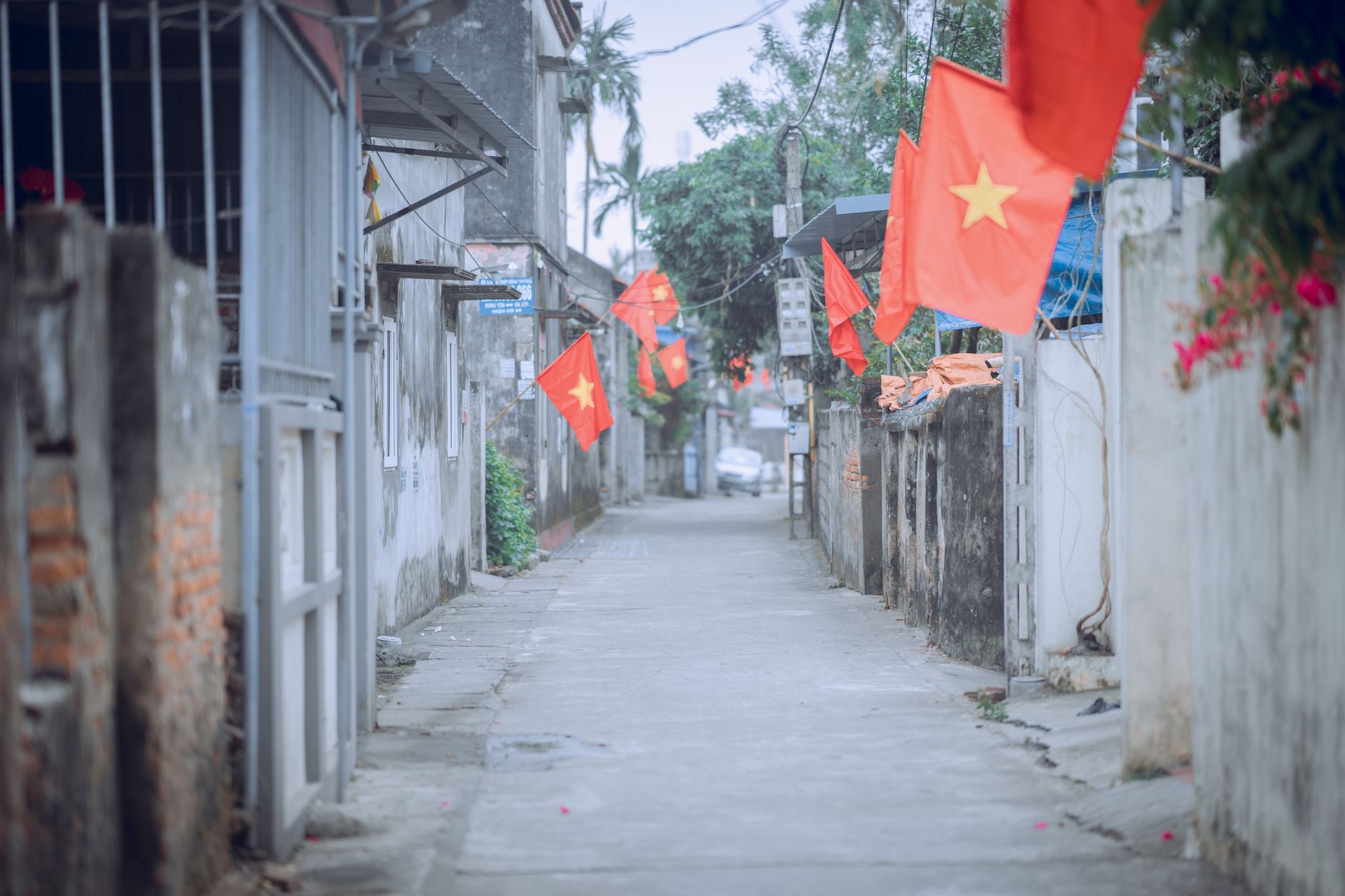
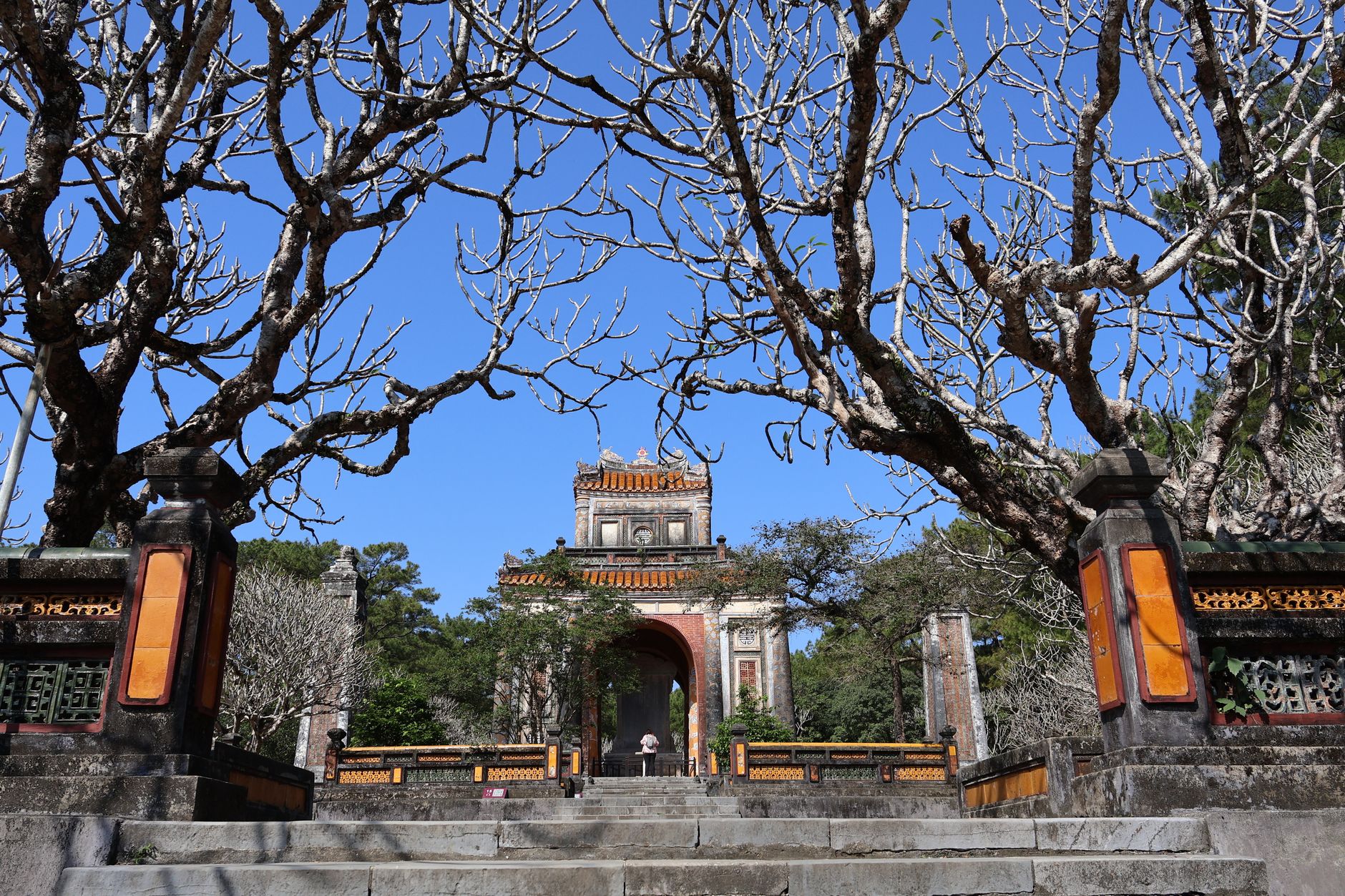
Tasting menus in Saigon occupy a strange middle ground. They're not quite traditional (Vietnam (베트남 / 越南 / ベトナム)'s food culture is built on ordering à la carte, sharing, and eating street-side), but they're not fusion theater either. The best ones treat Vietnamese flavors as the skeleton, not the decoration. Here's where to find them—and when a tasting menu is worth the money versus just ordering "pho" and "banh mi" at a stall.
Anan Saigon: Modern Vietnamese Under the Michelin Lens
Anan holds Vietnam's first and only Michelin star for contemporary Vietnamese cuisine. It's at 62 Ngo Duc Ke, District 1, and the space feels more like a private apartment than a restaurant—whitewashed, minimal, intimate. Chef Anan Tran's tasting menu (around 2.8 million VND / ~120 USD for 8-10 courses) moves through Vietnamese flavor profiles with technical precision: "banh mi (반미 / 越式法包 / バインミー)" deconstructed into air and crumb, "bun cha" as a composed plate with burnt sugar and herb oil, a "cao lau" riff from Hoi An as a noodle course with pork lard and fish sauce reduction.
The point here isn't to abandon Vietnamese taste—it's to isolate it. You'll recognize every flavor, but you'll notice them in a way a street-side bowl doesn't ask you to. Reserve ahead; they take about 8-10 covers a night.
Den Long: Hanoi Roots in a Saigon Alley
Den Long is tucked on Ngo Thoi Nham street, not far from Ben Thanh Market. It's smaller, quieter, and less polished than Anan—which is the point. The owner sources from northern Vietnam regularly and cooks the tasting menu (around 1.2 million VND / ~50 USD) as if feeding family: "com tam" (broken rice) with grilled pork and egg, a "bun rieu" course that sits somewhere between soup and consomme, pickled vegetables that shift season to season.
There's no molecular gastronomy here. It's structured the way a grandmother might lay out courses if she were teaching you to cook—each plate shows you a technique or ingredient you'll use. Good for travelers who want to understand Vietnamese food rather than be impressed by it.
Slo: Minimalist European-Vietnamese Conversation
On Ton That Thiep (District 1), Slo operates at the opposite end of the spectrum from Den Long. The chef trained in Scandinavia, and it shows—the tasting menu (around 2 million VND / ~85 USD) treats Vietnamese ingredients like Nordic cuisine treats Nordic ingredients: with restraint and curiosity. You might get a single, perfect prawn with an acidic sauce made from passion fruit and fish sauce, or beef aged in a salt crust with a single herb on the side.
It's not traditional Vietnamese. But if you've eaten "pho" in ten countries and want to see what someone trained outside Vietnam sees in Vietnamese technique, this is the table for it. Reservation essential; they do one seating per night.

Photo by Tuan Vy on Pexels
Cuc Gach Quan: The Opposite of Fine Dining
Cuc Gach Quan on Ngo Nhan Street (District 1) looks like someone's house from 1950—because it basically is. Wooden doors, red tiles, a courtyard kitchen. There's no "tasting menu" in the Michelin sense; instead, you order family-style, and the owner (Cuc herself, often) guides you through what's good that day.
A typical spread might include: a pork and shrimp "banh cuon" (steamed rolled cake), "goi cuon" (fresh spring rolls) with a peanut dipping sauce that tastes like it's been simmering for hours, a simple stir-fry of morning glory and garlic, grilled pork with caramelized onions, and a fish curry that shifts between sour, sweet, and spiced. Cost is around 300,000–500,000 VND per person ($13–22 USD) for a full meal, shared.
This is the closest you'll get to eating at a Vietnamese family table. It's not about technique—it's about ingredients that were bought at 5 am and cooked at 10 am. The tasting happens because Cuc decides what you should try.
Com Tam Asan: Street-Food Rigor
Com Tam Asan on Ngo Thoi Nham is a "com tam" specialist (broken-rice restaurant). There's no tasting menu, but owner An has been cooking the same 8–10 dishes for 15 years, and ordering strategically—say, the pork chop, the shrimp, the fried egg, the dipping fish sauce, the pickled vegetables—gives you a masterclass in how broken rice absorbs flavor and why it's not inferior to jasmine rice; it's just different. Cost around 80,000–120,000 VND ($3.50–5 USD).

Photo by Hải Nguyễn on Pexels
Splurge vs. Street: A Practical Take
If you're in Saigon for a week, here's the logic:
Splurge on a tasting menu (1.2–2.8 million VND) if:
- You want to understand the architecture of a dish—how "bun cha" or "banh mi" is constructed, not just taste it.
- You eat out regularly at home and enjoy fine dining elsewhere.
- You have limited time and want a curated, guided journey through regional Vietnamese flavors.
- You're curious about how Vietnamese chefs are reinterpreting their own cuisine in 2024.
Stick to street food and casual restaurants (100,000–300,000 VND per meal) if:
- You have 2+ weeks and can eat the same dish 3–4 times in different places, understanding the variation.
- You prefer volume, variety, and randomness over structure.
- Your budget is tight—you'll eat better for less money this way.
- You're comfortable navigating menus by pointing, photos, or asking locals.
Neither is wrong. But Saigon's best tasting-menu restaurants aren't trying to prove Vietnamese food "deserves" fine dining. They're just doing what good restaurants do anywhere: paying attention to ingredients, technique, and flavor. The tasting menu is the format; Vietnamese cuisine is the content.
Frequently Asked Questions
How much does a tasting menu cost at the best restaurants in Saigon?
Prices range from around 1.2 million VND (~50 USD) at Den Long to 2.8 million VND (~120 USD) at Anan Saigon. Slo on Ton That Thiep falls in between at around 2 million VND (~85 USD). All three require reservations, and Anan and Slo each do a single or very limited seating per night, so booking ahead is necessary.
What makes Anan Saigon different from other Vietnamese restaurants in the city?
Anan Saigon holds Vietnam's first Michelin star for contemporary Vietnamese cuisine. Located at 62 Ngo Duc Ke, District 1, it serves 8-10 courses for around 2.8 million VND (~120 USD). Chef Anan Tran reinterprets familiar dishes like banh mi, bun cha, and cao lau using technical precision, isolating Vietnamese flavors rather than replacing them. The restaurant seats only 8-10 covers a night and feels more like a private apartment than a formal dining room.
When does a tasting menu make more sense than eating street food in Saigon?
A tasting menu is worth the cost if you want structured exposure to Vietnamese techniques and ingredients rather than a single dish. Den Long, for example, is built to show you how flavors and methods connect across courses. If you have already eaten pho and banh mi at street stalls and want to understand the underlying cuisine more deeply, a sit-down tasting menu at around 1.2 to 2.8 million VND offers that context in a way a stall order does not.
Practical Notes
Reservations are mandatory at Anan, Slo, and Den Long—book at least 2–3 days ahead via phone or email. Cuc Gach Quan takes walk-ins but fills by 12:30 pm for lunch and 6:30 pm for dinner. Expect to spend 60–90 minutes at a formal tasting menu; casual spots move faster. Most take card, but bring cash for Cuc Gach Quan.
Last updated · May 29, 2026 · independently researched, never sponsored.