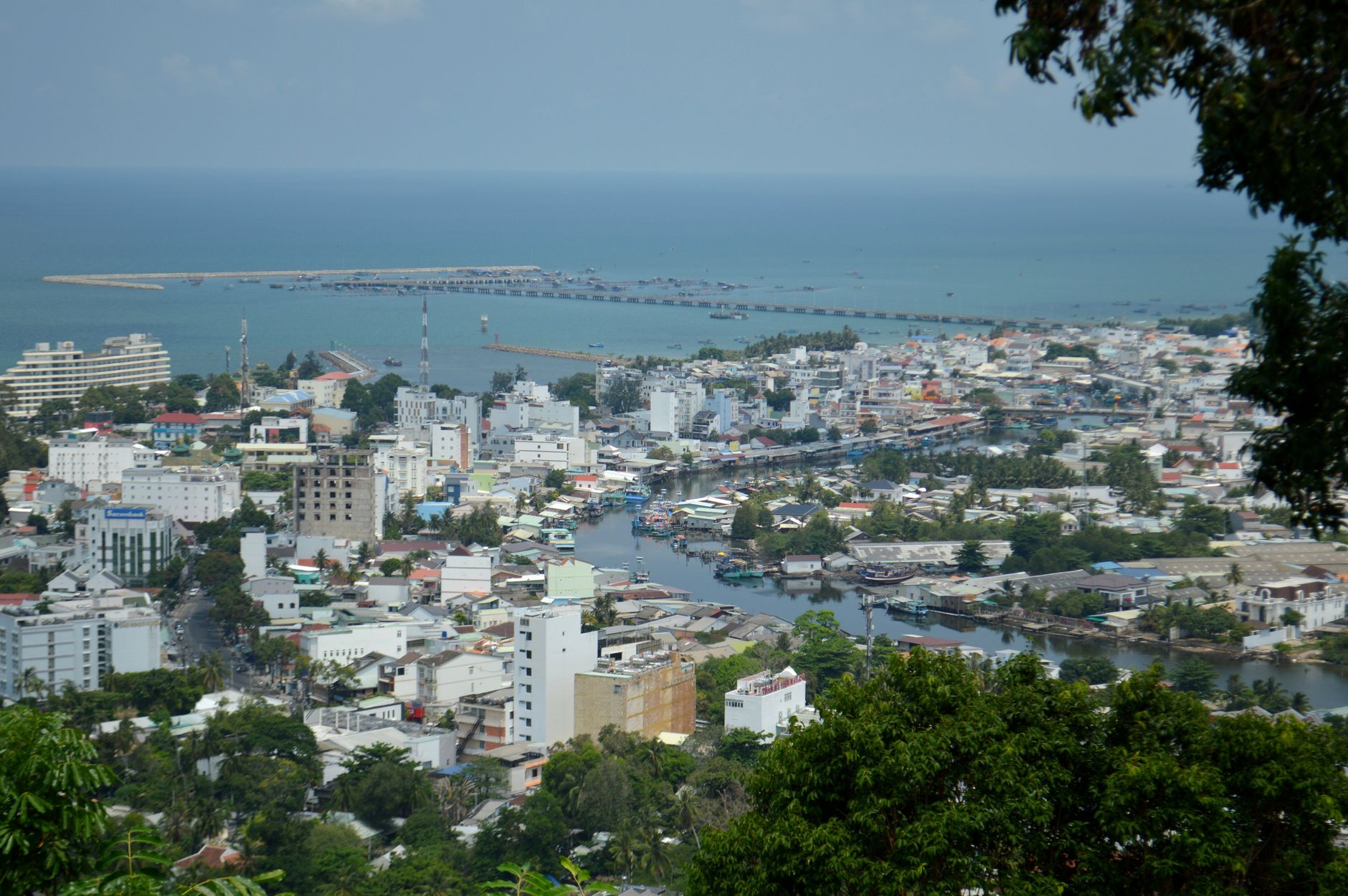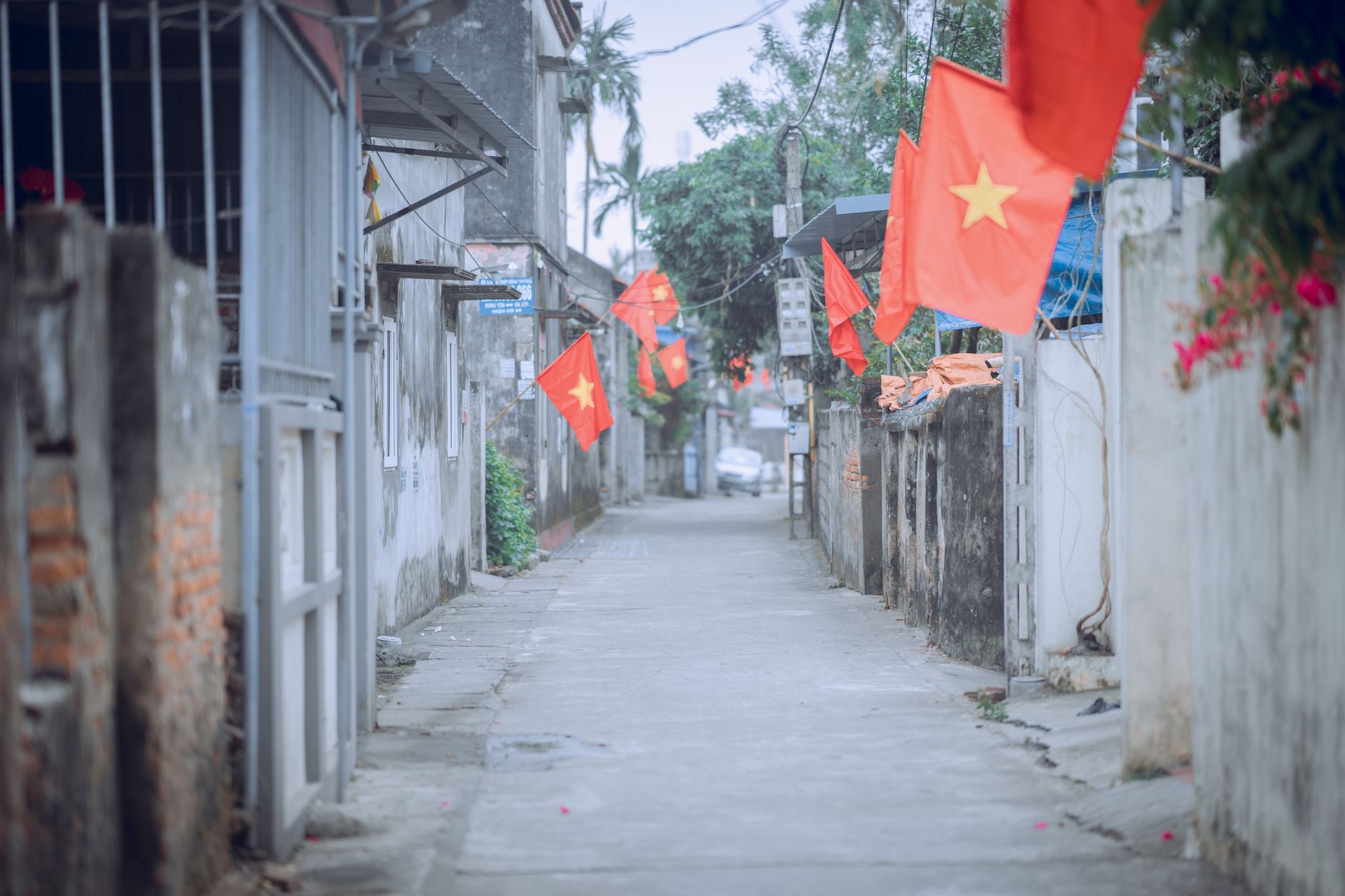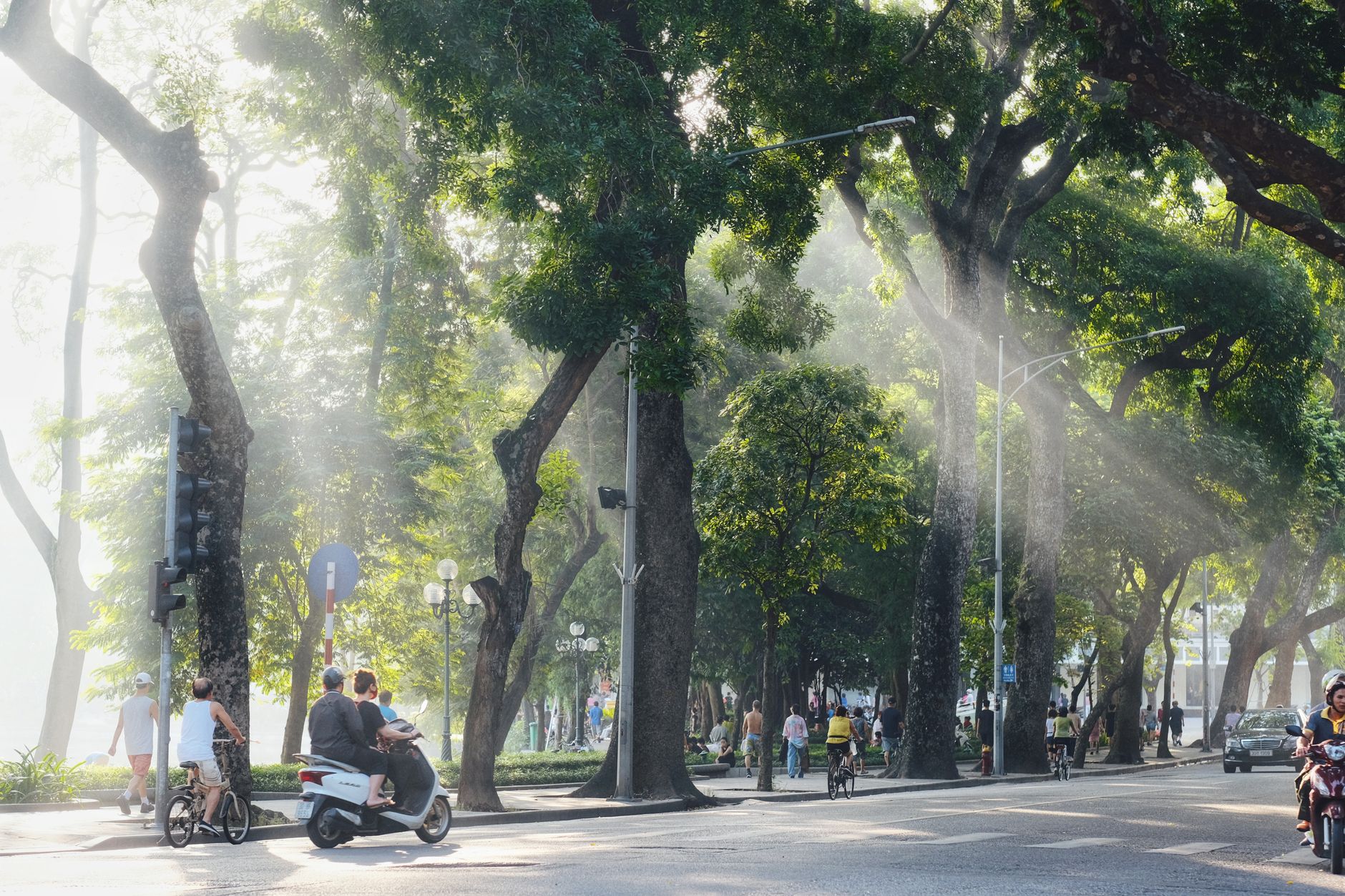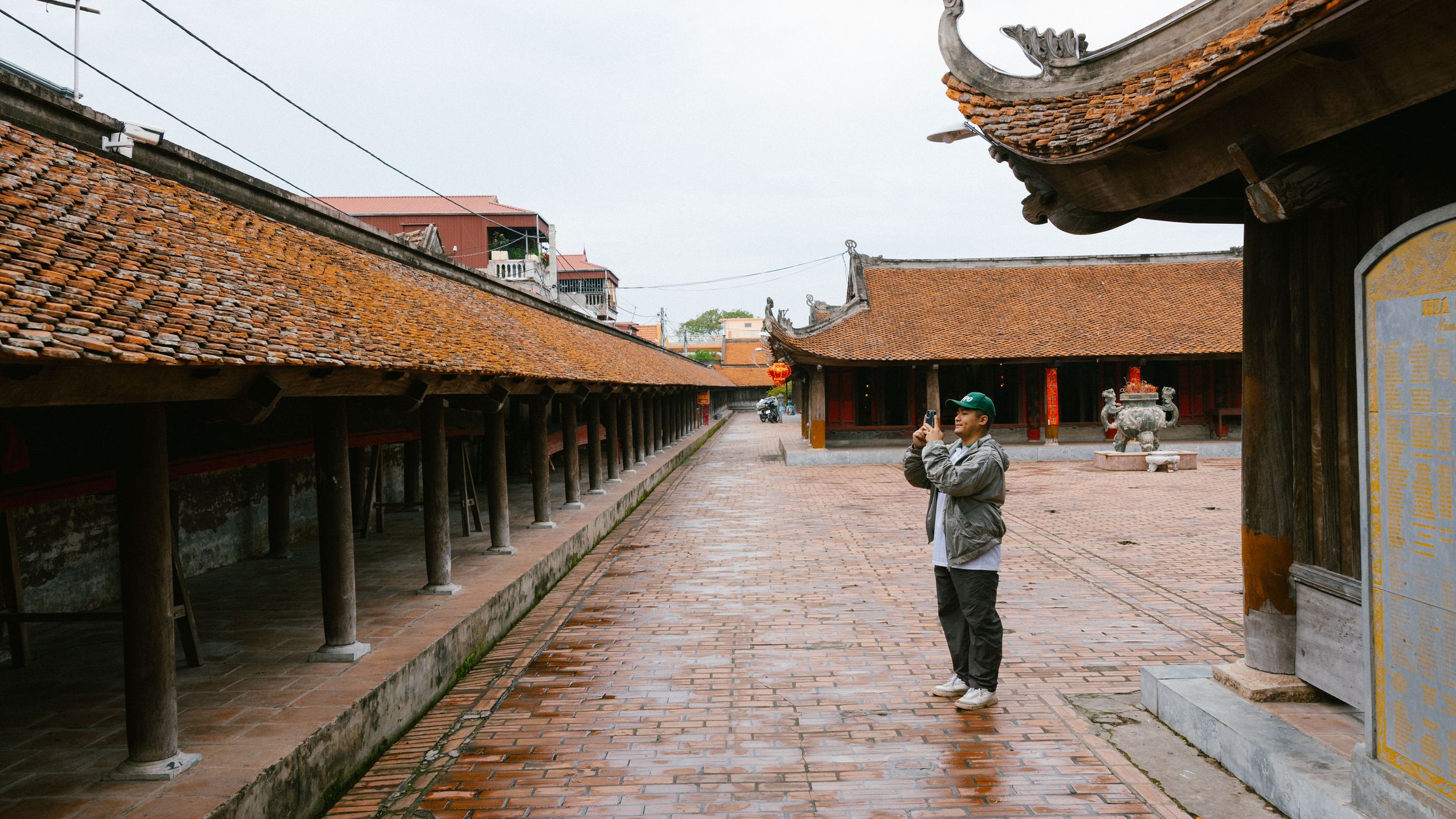
Phu Quoc splits into a few distinct beach neighborhoods, each with its own clientele and price point. Where you plant yourself shapes your whole island experience — crowded and convenient, or quiet and slower.
The island is roughly 50 km long and 25 km wide, connected to the mainland by flights from Saigon (55 minutes), Hanoi (2 hours 10 minutes), and Da Nang (1 hour 20 minutes). A ferry from Ha Tien on the Mekong Delta (메콩 델타 / 湄公河三角洲 / メコンデルタ) takes about 2.5 hours. Once you land, your beach choice determines whether you need a motorbike, a taxi app, or just your sandals.
Long Beach: Resort Strip and Tourist Hub
Long Beach is the island's commercial spine. It's where the big money landed: InterContinental, Vinpearl, Melia, and a dozen mid-range chains. The beach itself is decent but packed, especially 10 a.m.--4 p.m. when tour groups funnel in from the airport (about 30 km south).
You get reliable facilities here. Restaurant rows, beach bars, motorbike rentals on every corner, tour operators hawking snorkeling trips. Hotels range from $40--$50 dorm beds at backpacker hostels to $150--$300 for a mid-range beachfront room. Five-star resorts push well beyond that.
The southern stretch of Long Beach near Duong Dong town center is where most of the action concentrates. Duong Dong Night Market — the island's main evening food scene — sits right here, running nightly from around 5 p.m. to 10 p.m. You can walk from most Long Beach hotels. Grilled scallops go for about 60,000--80,000 VND per plate, a bowl of "pho" runs 50,000--70,000 VND, and a plate of "banh xeo" (crispy crepe stuffed with shrimp and pork) costs around 40,000--60,000 VND. The market also does solid grilled "com tam" (broken rice) plates and decent "goi cuon" (fresh spring rolls) for 30,000--50,000 VND a portion.
The trade-off: Long Beach feels like any Southeast Asia beach town. Expat bars, overpriced "Western" breakfasts, touts selling jet-ski rides. If you want an organized base with minimal friction — laundry service, gym, air-con reliability — this works. If you came to Phu Quoc to escape the tourist treadmill, you'll feel it here.
One practical advantage: Long Beach has the island's highest concentration of tour desks. Four-island snorkeling trips typically cost 350,000--500,000 VND per person including lunch. Southern island boat tours and fishing excursions depart from An Thoi port at Phu Quoc (푸꾸옥 / 富国岛 / フーコック)'s southern tip, about 25 km from central Long Beach. Most operators include hotel pickup.
Ong Lang: Quieter, More Character
Ong Lang sits about 8 km north of Long Beach and has deliberately stayed boutique. You'll find no mega-resorts, no nightclub strips. Instead: small wooden bungalow hotels, homestays, a few artisanal coffee spots, and actual quiet at dusk.
The beach is narrower and sandier than Long Beach, with better snorkeling off the rocks. Accommodation runs $50--$200 per night for guesthouses and small beachfront hotels. Many places have no elevator, no pool, just clean rooms and decent food.
Ong Lang appeals to travelers who spent two days in Long Beach and felt itchy. You'll share the beach with a fraction of the tourists. Restaurants are owner-run (not franchises), so you taste actual Phu Quoc ingredients — fresh fish, morning-caught squid, local "ca phe sua da" (Vietnamese iced milk coffee) at proper strength.
Breakfast here tends to be simpler and better. Several guesthouses serve "banh mi" (Vietnamese baguette sandwich) made with bread from a local bakery rather than the mass-produced stuff you get at Long Beach hotel buffets. A "banh mi" with grilled pork and pickled vegetables runs about 25,000--35,000 VND from street carts near the main road. For a proper sit-down meal, small family restaurants along the Ong Lang coastal road serve grilled fish (ca nuong) for 120,000--180,000 VND per plate depending on the catch, and seafood hotpot for two people costs around 250,000--350,000 VND.
The road connecting Ong Lang to Duong Dong is paved and takes about 15 minutes by motorbike. Renting a scooter — the standard way to get around — costs 120,000--180,000 VND per day from most guesthouses. Grab works on the island but drivers are scarce in Ong Lang after 8 p.m., so plan accordingly.
Trade-off: fewer ATMs, fewer English speakers at reception, less nightlife. Tour operators exist but are less aggressive. If you need 24-hour room service or a gym, look elsewhere.

Photo by Anh Nguyen on Pexels
Rach Vem: North, Cheaper, Underdeveloped
Rach Vem is the island's northern fishing village — technically a beach, but its real identity is still fishing boats and stilt houses. Hotels here are basic: $30--$100 per night, mostly family-run guesthouses and a handful of small resorts.
You trade comfort and convenience for authenticity and half the price. The beach is rocky and not ideal for swimming (local boats use it), but it's quieter. You'll see fishing boats heading out at 4 a.m., nets being mended at noon, the actual rhythm of the place.
Rach Vem is 20+ km from Long Beach and has almost no tourist infrastructure. One ATM-adjacent convenience store, a few seafood restaurants that cater to locals first. Transport is by hired motorbike or expensive taxi.
The seafood here is the cheapest on the island because you're buying from the source. A plate of steamed clams at a waterfront stall costs 50,000--80,000 VND. Grilled squid on a stick: 30,000--40,000 VND. The famous Rach Vem starfish beach (Bai Rach Vem) draws some day-trip visitors, but by 3 p.m. the tour vans leave and you have the place to yourself. Note: do not pick up or handle the starfish — local authorities enforce this and you can be fined.
This area attracts backpackers with time and no itinerary, or travelers who want to live like locals for a few days. Expect bumpy roads, limited hot water, and slow WiFi. Also expect friendly conversations because tourists are still a novelty.
Other Beaches: Why Not Bai Sao?
Bai Sao (southeast tip) has the finest sand on the island and shows up in every Instagram post. It's beautiful — and it's why you should visit on a weekday morning or not at all.
Weekends and holidays, Bai Sao gets 5,000+ day-trippers from Long Beach. Beach chairs shoulder-to-shoulder, jet-skis roaring, parasol vendors. You can't park. The water gets murky. Locals joke it's "worse than Saigon on Tet."
If you stay nearby (a small resort cluster exists there), you can sneak down at 6 a.m. before the chaos. Otherwise: enjoy the photos online, spend your afternoon on Ong Lang's quieter north end, or take a boat trip to nearby islands like Mong Tay or Phu Quoc's marine reserve instead.

Photo by Luke Dang on Pexels
Getting Around Between Beaches
Phu Quoc has one main north-south road (DT975) that connects most beach areas. It's paved and in decent shape, though stretches near Rach Vem turn to dirt after heavy rain.
Motorbike rental is how most travelers move between beaches. Expect to pay 120,000--180,000 VND per day for an automatic scooter. Your hotel or guesthouse will usually arrange this. International driving permits are technically required, but enforcement is spotty — what matters more is wearing a helmet (mandatory, and police do checkpoint near Duong Dong) and having travel insurance that covers motorbike accidents. Many standard policies do not.
Grab works on the island for cars and bikes. A Grab car from Long Beach to Ong Lang costs around 80,000--120,000 VND. Long Beach to Rach Vem runs 200,000--300,000 VND. Availability drops sharply outside Duong Dong town, especially after dark.
Taxi is available but more expensive and harder to hail outside Long Beach. Mai Linh and Sun taxis are the most reliable. Agree on a fare before getting in if they refuse to use the meter.
Driving times: Long Beach to Ong Lang is about 15--20 minutes. Long Beach to Rach Vem takes 35--45 minutes. Long Beach to Bai Sao is roughly 40 minutes via the cross-island road.
What to Eat and Where to Find It
Phu Quoc's food identity is built on fish sauce — the island produces some of Vietnam's best "nuoc mam" — and fresh seafood. But the eating experience changes dramatically depending on which beach you're based at.
Duong Dong Night Market (Long Beach area) is the obvious starting point. It's touristy but still worth one evening. Beyond the grilled seafood stalls, look for "hu tieu" (southern-style noodle soup) — Phu Quoc's version uses a pork-and-seafood broth that's lighter than what you get on the mainland. A bowl costs 40,000--60,000 VND. "Bun cha" (grilled pork with noodles) shows up at a few stalls too, though it's a Hanoi dish transplanted south.
Away from the night market, small restaurants along the Ong Lang road serve better food at lower prices. Ask for "ca song" (live fish) — they'll pull it from a tank and grill it over charcoal. Whole grilled fish with tamarind sauce runs 150,000--250,000 VND depending on size and species.
For coffee, skip the hotel lobby and find a local "ca phe" shop. Phu Quoc has its own roasters, and a proper Vietnamese iced coffee here costs 20,000--30,000 VND versus 60,000--80,000 VND at resort cafes. If you're a fan of egg coffee, a few Hanoi-inspired cafes in Duong Dong now serve it, though purists will tell you to save that for the source.
For a quick lunch, "banh canh" (thick tapioca noodle soup, often with crab) is a Phu Quoc staple. Small shops along the main road in Duong Dong serve it for 35,000--50,000 VND.
Budget Breakdown
Long Beach: Budget hostels $40--$60 per bed; mid-range hotels $100--$150; resort rooms $150--$300+. Food is pricier due to tourist markup.
Ong Lang: Small hotels $50--$80; mid-range beachfront $100--$200. Restaurants cost 10--20% less than Long Beach for the same quality.
Rach Vem: Basic guesthouses $30--$50; decent rooms $60--$100. Food is cheapest and most local.
If you're splitting a week on the island, consider a split stay: two nights in Long Beach to handle logistics and take a snorkeling tour, three in Ong Lang for breathing room, and a final two in Rach Vem or a private beach on Phu Quoc's west coast.
Common Mistakes Foreigners Make on Phu Quoc
Booking the whole trip at Long Beach. Understandable — it's where the airport transfers go and where TripAdvisor reviews concentrate. But staying only at Long Beach means you experience Phu Quoc's least interesting version of itself. Even two nights at Ong Lang changes the trip.
Visiting Bai Sao on a weekend. Already covered above, but it bears repeating: Saturday and Sunday are chaos. Go Tuesday or Wednesday morning, or skip it entirely.
Skipping motorbike transport. The island is too spread out for walking and too inconsistent for ride-hailing outside Duong Dong. A motorbike opens up the northern beaches, pepper farms, and the less-visited east coast. If you genuinely cannot ride, budget for a private car and driver for a day (around 800,000--1,200,000 VND for a full day).
Eating only at the night market. Duong Dong Night Market is fine for one visit, but the best meals on Phu Quoc are at small roadside restaurants that don't have English menus. Point at what other tables are eating, or learn two phrases: "cho toi cai nay" (give me this one) and "bao nhieu tien" (how much?).
Underestimating rainy season. June through October brings heavy afternoon downpours. They usually last 1--2 hours, not all day, and prices drop 30--40%. But dirt roads flood, boat trips get cancelled, and some smaller guesthouses in Rach Vem close. Pack a rain jacket and flexible expectations.
Not bringing cash. ATMs exist in Duong Dong and along Long Beach, but card acceptance drops to nearly zero once you leave those areas. Ong Lang has a couple of ATMs; Rach Vem has essentially none. Withdraw enough VND before heading north.
Quick Reference: Phu Quoc Beaches at a Glance
- Long Beach — 30 km from airport, biggest hotel selection, $40--$300+/night, walking distance to Duong Dong Night Market, best for first-timers and short trips
- Ong Lang — 8 km north of Long Beach, boutique hotels and bungalows, $50--$200/night, quieter beach with rocky snorkeling, best for couples and mid-range travelers
- Rach Vem — 20+ km north, fishing village vibe, $30--$100/night, limited infrastructure, best for backpackers and slow travelers
- Bai Sao — Southeast coast, finest sand, extremely crowded on weekends, best visited as a weekday morning day trip
- Motorbike rental — 120,000--180,000 VND/day, essential for exploring beyond Long Beach
- Dry season — December to April (peak season, book ahead)
- Rainy season — June to October (lower prices, afternoon storms, some closures)
- Currency — VND only outside Long Beach; carry cash
- Flights — Direct from Ho Chi Minh City, Hanoi, Da Nang; ferry from Ha Tien
Practical Notes
Phu Quoc's beaches are narrow and often have undertow. Check tide forecasts and ask your guesthouse about safe swimming zones. Rainy season (June--October) means smaller crowds and lower rates, but unpredictable afternoon storms. The dry, hot months (December--April) are peak season; book ahead if you're traveling then.
Sunscreen is expensive on the island — bring it from the mainland or buy in Saigon before your flight. Mosquito repellent matters more at Ong Lang and Rach Vem where vegetation grows closer to the rooms. A basic first-aid kit is worth packing if you're heading north; the nearest hospital is in Duong Dong.
Bottom Line
Phu Quoc is a small island that manages to feel like three different destinations depending on where you sleep. Long Beach handles the logistics, Ong Lang delivers the quiet, and Rach Vem gives you the fishing-village reality that most beach islands paved over years ago. Pick based on what you actually want from the trip — not what the booking site pushes first.
Last updated · May 29, 2026 · independently researched, never sponsored.