The Vietnam (베트남 / 越南 / ベトナム) Museum of Ethnic Culture (Bao tang Van hoa cac dan toc Viet Nam) sits on a low hill along Nguyen Thai Hoc street in the center of Thai Nguyen city. It's the country's most thorough museum dedicated to the 54 officially recognized ethnic groups, and it's one of the few reasons travelers stop in this tea-growing province north of Hanoi. If you're heading toward the mountains of Bac Kan, Ha Giang, or Sapa, it makes for a worthwhile half-day detour rather than just blowing through on the highway.
What it is and a bit of history
Opened in 1960 as a modest ethnographic collection, the museum expanded through several renovations and now occupies a purpose-built campus with indoor galleries and an outdoor ethnographic park spread across roughly 40,000 square meters. The indoor section houses over 10,000 artifacts — textiles, farming tools, musical instruments, ceremonial objects — organized by ethnic group and geographic region. The outdoor area features full-scale replicas of traditional houses from highland and lowland communities: Tay stilt houses, Hmong stone-walled homes, Ede longhouses, and more.
The whole thing is state-run and educational in tone, which means the labels lean factual rather than flashy. That's actually a strength. You get clean presentation without the overproduced multimedia gimmicks that plague newer museums in Saigon or Da Nang.
Why travelers go
Most visitors fall into two camps. First, people genuinely interested in Vietnam's ethnic diversity before heading into highland areas — seeing the textiles and house styles here gives you context for what you'll encounter in person around Mai Chau, Sapa, or Ha Giang (하장 / 河江 / ハーザン). Second, travelers passing through Thai Nguyen on the way north who want something more than a lunch stop.
The museum won't change your life, but it's well-organized and informative. If you've ever been confused by the difference between Tay and Thai or Dao and Hmong clothing styles, this is where it clicks.
Best time to visit
Thai Nguyen is comfortable from October through March, when temperatures hover around 15–22°C and humidity drops. April through June gets hot and sticky. July through September brings heavy rain that can make the outdoor park muddy and less enjoyable.
The museum itself is open year-round, Tuesday through Sunday, typically 7:30–11:00 and 13:30–17:00. Closed Mondays. If you're visiting during Tet or another major holiday, call ahead — hours sometimes shift.
How to get there from Hanoi
Thai Nguyen city is about 80 km north of Hanoi, reachable in under two hours by road.
- Bus: Regular buses leave from My Dinh or Gia Lam bus stations. Tickets run 70,000–100,000 VND. Journey takes roughly 1.5–2 hours depending on traffic. Buses drop you at Thai Nguyen bus station, from which the museum is a 15-minute taxi ride (about 40,000 VND by Grab).
- Motorbike: Take Highway 3 (QL3) north from Hanoi. It's a straightforward ride, mostly flat, with decent road surface. About 1.5 hours if you don't stop.
- Private car / Grab: A one-way Grab car from central Hanoi runs approximately 350,000–500,000 VND. Comfortable if you're splitting with someone.
The museum is centrally located at 90 Nguyen Thai Hoc, so once you're in Thai Nguyen city, finding it is easy.

Photo by Quang Vuong on Pexels
What to do — 5 specific things
Walk the indoor galleries by region
Start on the ground floor with the Viet-Muong and Tay-Thai language groups, then work upward through the Hmong-Dao, Mon-Khmer, and Malayo-Polynesian sections. Each room covers a group's traditional clothing, marriage customs, farming methods, and spiritual practices. Budget at least 60–90 minutes if you actually read the labels.
Spend time in the textile hall
One of the standout rooms focuses entirely on weaving and textile patterns. The brocade work from Black Thai communities and the indigo-dyed hemp cloth of the Hmong are highlights. If you plan to buy textiles in Sapa later, seeing the originals here helps you appreciate what's handmade versus factory-produced.
Explore the outdoor ethnographic park
Behind the main building, a landscaped park contains about 15 full-scale traditional houses. You can walk through most of them. The Ede longhouse is particularly impressive — long, dark, built on stilts with a central fire pit. It's quiet back here on weekdays, which makes it a good place to just sit and absorb.
Catch a live performance (weekends)
On weekends and holidays, the museum sometimes hosts performances of traditional music and dance — gong ensembles, folk singing, that sort of thing. It's not guaranteed, so ask at the ticket counter when you arrive. These aren't tourist shows; they tend to be low-key and genuine.
Check the temporary exhibition hall
Near the entrance, there's a rotating exhibition space that features themed shows — sometimes focused on a single ethnic group, sometimes on a craft tradition like bronze drum casting or "Non La" hat-making. Quality varies, but it's included with admission.
Admission is 30,000 VND for adults, 15,000 VND for students. Cheap enough that you won't feel burned if you breeze through quickly.
Where to eat nearby
Thai Nguyen isn't a food destination on the level of Hanoi or Hue, but two things are worth seeking out.
"Pho" here skews toward the northern style — clear broth, simple toppings, rice noodles with a clean beefy flavor. There are several decent spots along Luong Ngoc Quyen street, a short walk from the museum. Expect to pay 40,000–55,000 VND per bowl.
More distinctive is "banh cuon" — Thai Nguyen's version uses thinner sheets than Hanoi's, often served with a slightly sweeter dipping sauce and pork sausage on the side. Try the cluster of "banh cuon" vendors near Cho Thai market in the morning. A full plate runs 25,000–35,000 VND.
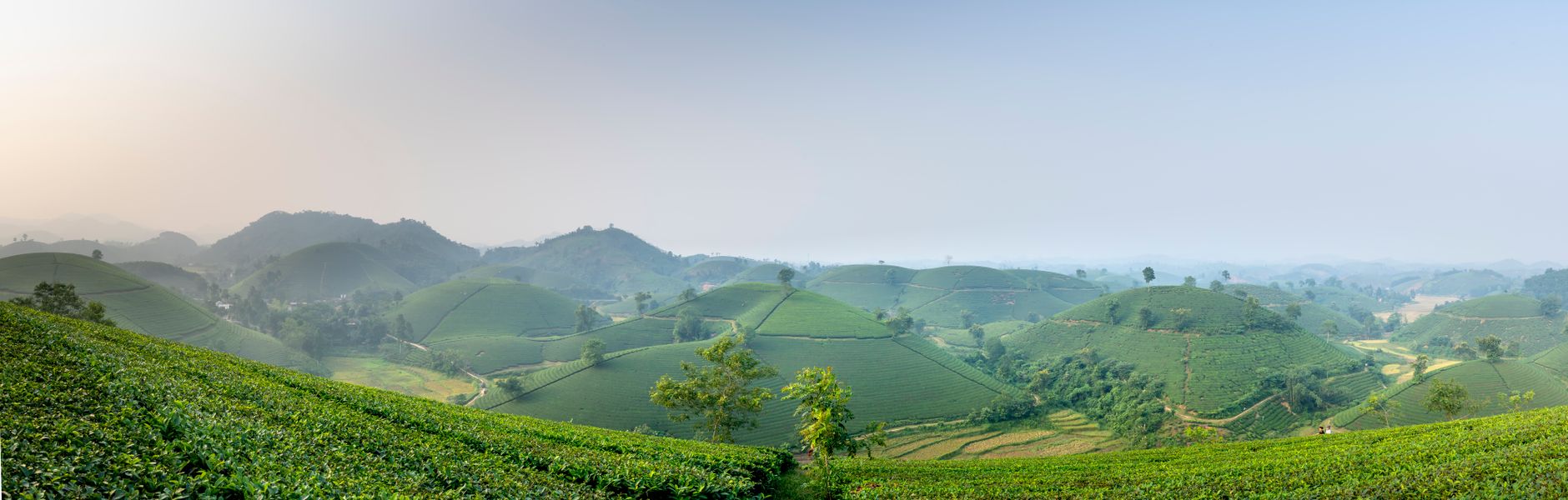
Thai Nguyen is also famous for its tea. After the museum, stop at any local tea shop and ask for Tan Cuong green tea — it's grown just west of the city and considered some of the best in the country. A pot at a tea house costs 20,000–40,000 VND.
Where to stay
Most travelers don't overnight in Thai Nguyen, but if you do:
- Budget: Local guesthouses (nha nghi) around the bus station area, 200,000–350,000 VND/night. Basic but clean.
- Mid-range: Dong A Hotel or similar on Luong Ngoc Quyen street, 500,000–800,000 VND/night. Air conditioning, Wi-Fi, decent beds.
- Upper mid-range: A couple of newer business hotels near the lake, 900,000–1,500,000 VND/night. Nothing fancy, but comfortable.

Photo by Quang Nguyen Vinh on Pexels
Practical tips locals would tell you
- Bring your own water. The museum grounds have limited drink vendors, especially on weekdays.
- Hire a local guide at the entrance (around 100,000–150,000 VND) if you want context. The English-language signage is adequate but thin in places.
- Wear shoes you can slip on and off — you'll remove them entering the traditional houses in the outdoor park.
- If you're combining this with a longer northern loop toward Bac Kan's Ba Be Lake, Thai Nguyen is a natural first stop.
Common mistakes to avoid
- Rushing it. People allocate 30 minutes and leave underwhelmed. The museum rewards at least two hours.
- Skipping the outdoor park. The indoor galleries are informative, but the reconstructed houses give you a physical sense of how different communities actually live.
- Coming on a Monday. It's closed. Don't be that person.
- Expecting Hanoi-level food options. Eat before or after at the specific spots mentioned above rather than wandering randomly.
Practical notes
The museum is a solid stop if you're already heading north from Hanoi — not a destination trip on its own, but worth bending your route for. Pair it with a morning of tea tasting in the Tan Cuong area west of the city, and you've got a full, unhurried day before pushing on toward the mountains.
Last updated · May 29, 2026 · independently researched, never sponsored.