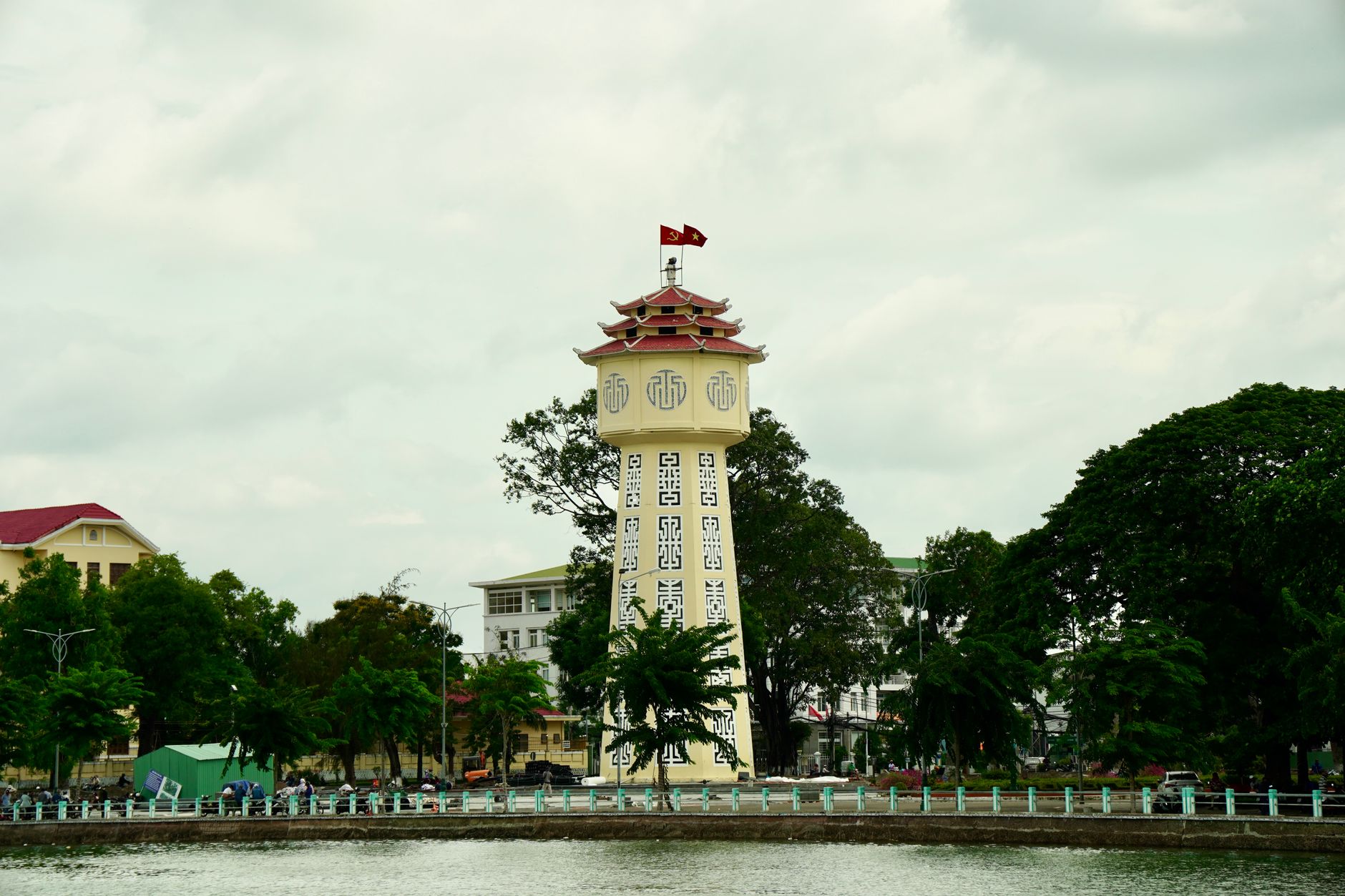
Bac Giang sits about 50 km northeast of Hanoi in the Red River Delta. Most visitors pass through on the way to Ha Long Bay or Cat Ba, but the province itself—dotted with lychee farms, temples, and rural markets—is worth a night or two. The problem: there's no single "tourist district" like Hanoi's Old Quarter. Accommodation is scattered across the city center, and English-language info is thin.
Here's the breakdown by neighborhood, budget tier, and why you'd choose each.
Bac Giang City Center (Thành phố Bac Giang)
The bulk of hotels cluster in the downtown core, a 1.5 km stretch around Le Hong Phong Street and Quang Trung Road. This is where buses arrive, where restaurants and night markets operate, and where you can actually find coffee and dinner without asking.
Budget: 150,000–300,000 VND/night
Guesthouses and no-frills hotels dominate this tier. Rooms are clean, beds work, WiFi is iffy. Places like Bac Giang 1 Guesthouse or Thang Loi Hotel run around 180,000–250,000 VND. Shared bathrooms are rare; private baths are standard. No AC in the cheapest rooms; budget places will have a fan. Breakfast is a plastic bag of instant noodles or nothing. Walls are thin.
Who it suits: Backpackers killing a night between Hanoi and the coast. Motorbike travelers on a tight schedule. People who sleep anywhere.
Mid-range: 400,000–800,000 VND/night
This tier—think 2-3 star hotels—is where Bac Giang actually gets comfortable. Hanoi Bac Giang Hotel, Bac Giang Star Hotel, and similar properties offer solid AC, decent WiFi, hot water, sometimes a small gym or business center. Rooms come with a kettle, a TV, a desk. Breakfast is a hot spread: pho, bread, egg, fruit. Staff are polite but rarely speak English; expect to point and gesture. Prices sit around 500,000–700,000 VND for a double.
Who it suits: Families. Couples. Business travelers. Anyone who wants a real bed and hot shower without paying resort prices. Most first-time visitors to Bac Giang land here.
Luxury: 1,200,000–2,500,000 VND/night
Bac Giang has exactly two plausible luxury options: Bac Giang Resort (actually outside town, 8 km south in a rural setting) and a handful of 4-star hotels in the city center that were built in the early 2010s and have aged like milk. The resort—gardens, pool, spa—is the only one worth the money. Expect a proper restaurant, English-speaking staff, and the kind of quiet you don't get in the city. Prices hover around 1,500,000–2,000,000 VND. City-center 4-star hotels offer less value; they're fine but not worth the premium.
Who it suits: People taking an extended rural/orchard tour and want a comfortable base. Couples seeking a romantic night. Business travelers with a bigger expense account.
Nearby Towns: Yen Duong & Yen The
If you're visiting Bac Giang specifically for lychee-farm tours or hiking (common in peak season, May–July), two smaller towns 20–40 km away are worth considering.
Yen Duong is the lychee capital—thousands of acres of low orchards. A handful of homestays (250,000–400,000 VND) rent rooms in farmhouse compounds. You eat breakfast with the owner's family, ride a motorbike through the trees, pick fruit. It's agricultural tourism, genuine and uncomfortable in the best way. No English. Not for everyone. But if you want to actually see where lychees grow instead of eating them in a hotel, this is real.
Yen The is higher elevation, cooler, with Buddhist temples and hiking trails. Two or three basic hotels (300,000–500,000 VND) serve hikers and pilgrims. Very few tourists. Very quiet.

Photo by Vietnam Hidden Light on Pexels
Why Bac Giang Is Skipped (And When It Isn't)
Most tourists skip Bac Giang entirely because it's not on the Hanoi–Halong–Saigon highway. It requires a deliberate detour. The province has no beaches, no famous temples, and no Instagram-ready landmarks. Tourism infrastructure is minimal.
But you stay here if:
- You're motorbike touring northeast Vietnam and need a logical stop between Hanoi and Ha Long.
- You want to see rural, agricultural Vietnam without the hype of a "homestay experience"—real farms, real people, no framing for tourists.
- You're catching an early-morning bus or train from Bac Giang City to the coast or highlands.
- You missed a connection and have 8 hours to kill.
If you're in Bac Giang for the attractions, you'll probably spend more time in the surrounding province (temples, orchards, Cam Mountain) than in the city itself. So think of accommodation as a functional base, not a destination in itself.

Photo by Q. Hưng Phạm on Pexels
Frequently Asked Questions
Where should first-time visitors stay in Bac Giang city?
The downtown core around Le Hong Phong Street and Quang Trung Road is the practical base. Hotels cluster within a 1.5 km stretch where buses arrive, restaurants operate, and night markets run. Mid-range hotels like Hanoi Bac Giang Hotel or Bac Giang Star Hotel cost 500,000–700,000 VND per night and offer AC, hot water, and a hot breakfast. Most first-time visitors land in this tier.
What is the price range for budget hotels in Bac Giang?
Budget guesthouses and no-frills hotels run 150,000–300,000 VND per night. Places like Bac Giang 1 Guesthouse and Thang Loi Hotel charge around 180,000–250,000 VND. Private bathrooms are standard at this tier; the cheapest rooms have a fan rather than AC. Breakfast is typically instant noodles or not provided. These suit backpackers or motorbike travelers stopping overnight between Hanoi and the coast.
When is the best time to stay near the lychee farms in Bac Giang?
Lychee-farm tours are most common during peak harvest season, May through July. Yen Duong, about 20–40 km from Bac Giang city, is the main farming area, with homestays costing 250,000–400,000 VND per night inside farmhouse compounds. Guests eat breakfast with the host family and can ride motorbikes through the orchards. No English is spoken and facilities are basic, so it suits travelers comfortable with that tradeoff.
Practical Notes
Bac Giang City buses (from Hanoi) depart from My Dinh or Gia Lam stations; the trip is 90 minutes to 2 hours. Most hotels are within walking distance of the city-center bus stations or a 50,000 VND motorbike ride away. Internet (Viettel or Vina) is standard but slow. Restaurant English is almost nonexistent; point at other people's plates. The best time to visit is May through July for lychee season, or October through March for cool weather and clear skies. Book mid-range hotels online (Booking, Agoda) a day or two ahead; budget places and small guesthouses are walk-ups only.
Last updated · May 26, 2026 · independently researched, never sponsored.