Why combine Bac Ha and Sapa?
Most visitors fly into Hanoi, take the night train to Sapa, trek for two days, and leave. It's efficient and popular—but Sapa gets crowded with tour groups by midday, and you miss what makes the far north worth the 14-hour overnight journey: the chaotic textiles-and-livestock trading culture of Bac Ha's Sunday market, and smaller Hmong villages that see fewer visitors.
This itinerary swaps the standard Sapa (사파 / 沙坝 / サパ)-first approach. You'll hit Bac Ha on its busiest, most authentic day, then move south to Sapa for proper trekking and village homestays. The route is less rigid than most packaged tours, saves money on guides, and gives you a clearer sense of how mountain communities actually work—not just the postcard version.
Travel time: Hanoi (하노이 / 河内 / ハノイ) to Lao Cai by overnight train; Lao Cai to Bac Ha by minivan; Bac Ha to Sapa by road. Budget 3 full days; add a fourth if you want a leisurely second trek or rest day.
Day 1: Overnight train, Hanoi to Lao Cai
Board at Hanoi's Ga Hanoi (main railway station) in the evening—trains depart around 9:30pm. Book a soft berth (4-person sleeper cabin) through a travel agent or directly at the station; expect 400,000–600,000 VND per person. Sleeping cars are old but functional; bring earplugs and a sleep mask.
You'll arrive in Lao Cai around 6am. Skip the town; arrange a pickup through your accommodation or a local minivan operator (look for signs in the station or ask your hotel). The 30-minute drive to Bac Ha is scenic—switchbacks through narrow valleys, Red Dao and Hmong hamlets on the slopes.
Check into your hotel by 8am. Budget 250,000–400,000 VND for a basic double (fan or AC). Eat breakfast, rest for 2–3 hours, then walk around Bac Ha's town center to get bearings. The market is on Sunday morning, so if you've arrived Friday or Saturday, you have time to explore the quiet town, visit a nearby "Silver Waterfall," or chat with locals in the central cafe strip.

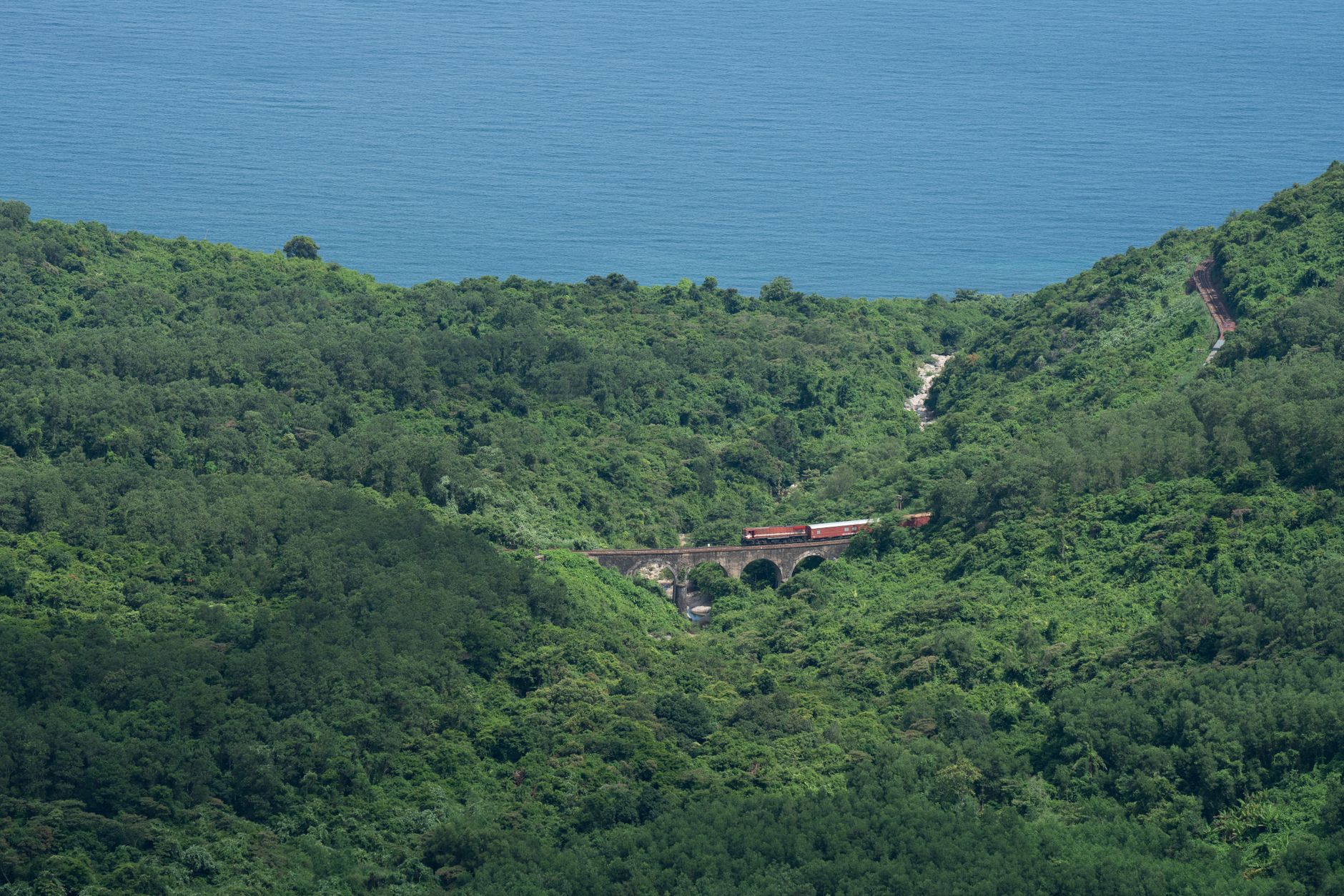
Photo by Ahmet Yüksek ✪ on Pexels
Day 2: Bac Ha Sunday Market
Wake at 5:30am. The Sunday market starts at 7am and peaks between 8–9:30am; by 11am, vendors are packing up. Wear sturdy shoes—the ground is muddy and congested.
The market splits into livestock (on the lower field) and textile/craft stalls (upper sections). You'll see Hmong, Tay, Dao, and Nung traders in traditional dress: indigo "paj ntaub" (embroidered cloth), silver jewelry, raw silk, and hand-woven "thang co" (blankets and textiles). Prices are negotiable but fair—textiles range from 50,000 to 500,000+ VND depending on size and intricacy. Don't expect tourist trinkets; this is a working market for locals buying cloth and supplies.
Spend 2–3 hours browsing, taking photos, and chatting with vendors (many speak basic English). Grab street food: sticky rice wrapped in bamboo, grilled meat skewers, or local "banh cuon" from the food stalls ringing the market.
After 10am, hire a minivan (ask your hotel; budget 800,000–1,200,000 VND for the day) or join a group tour to visit a nearby Hmong village—Can Cau or Sapa's outlying hamlets. Ask your driver to take you to a family compound where women are weaving or dyeing cloth. This beats a scheduled "cultural show." Bring small gifts (notebooks, tea) rather than money.
Return to Bac Ha by late afternoon. Eat "com tam" (broken-rice dishes) at one of the local cafes on the main strip, or book dinner at a guesthouse (usually fish stew or stir-fry, 80,000–120,000 VND). Sleep early; you're moving to Sapa tomorrow.

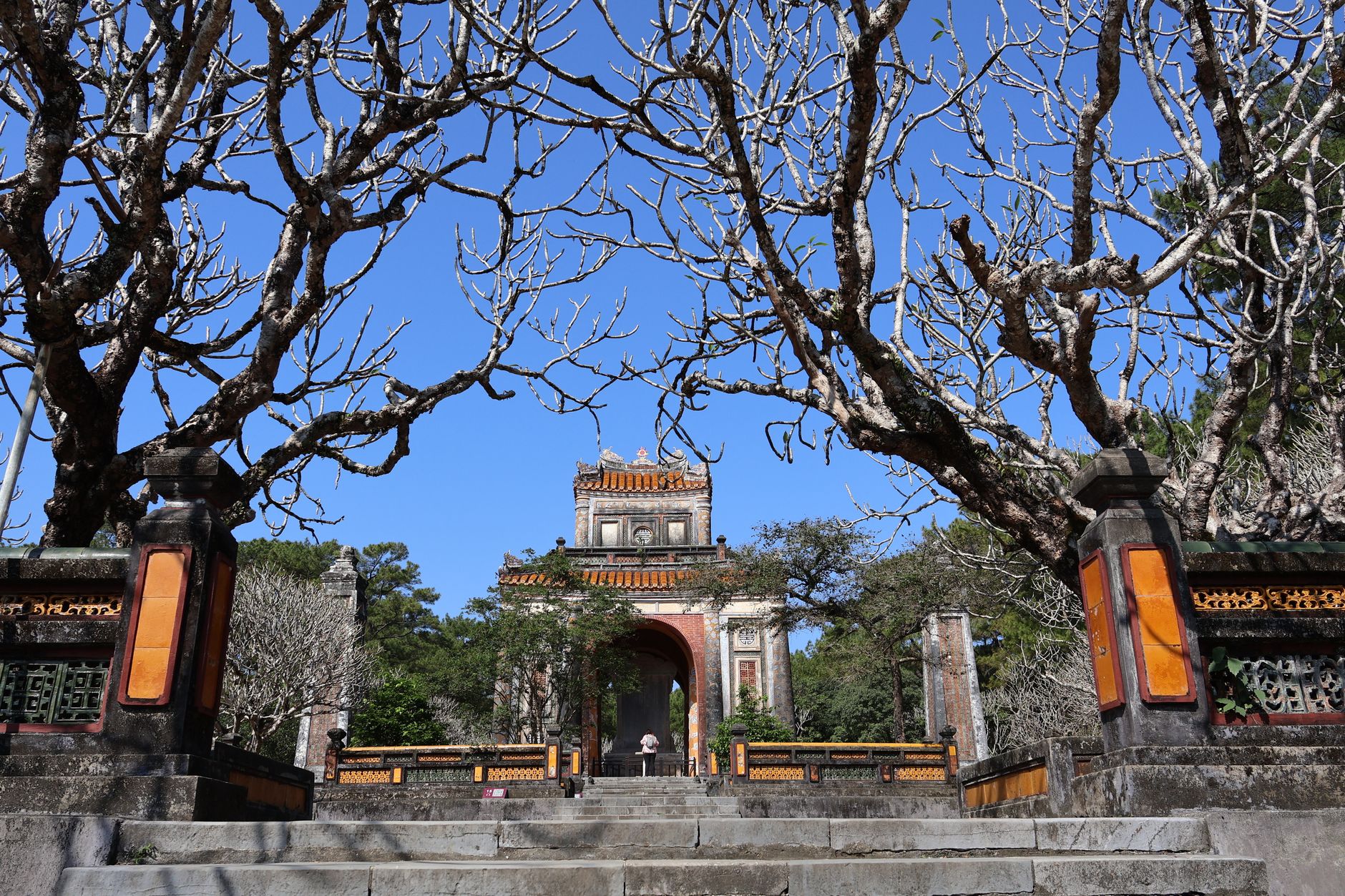
Photo by Gibson Chan on Pexels
Day 3: Bac Ha to Sapa, afternoon trek
Catch a minivan from Bac Ha to Sapa (1.5–2 hours; 150,000–200,000 VND). The road is winding but paved. You'll climb out of Bac Ha's valley into cooler air; Sapa sits at 1,600m and is 10–15°C cooler than the lowlands.
Arrive by early afternoon. Drop bags at your hotel (book a mid-range option: 300,000–500,000 VND for a clean double with views). Sapa town is small—one main street with cafes and tour operators.
Unless you're exhausted, spend the afternoon on a short trek to a nearby Hmong or Tay village. The Sapa Tourist Information Center (on the main street) has updated maps and can recommend guides (200,000–300,000 VND for a half-day). Popular routes:
- Sapa town to Ta Phin village: 1–2 hours downhill, rice terraces, Red Dao houses. Ask the guide to stop at a family weaving cloth.
- Sapa to Ta Van: easier, flatter, good for afternoon energy levels.
Return to town by 5:30pm. Grab "egg coffee" ("ca phe trung") at one of the terrace cafes—a Hanoi specialty now popular in Sapa—and watch the fog roll in as the sun sets. Dinner is usually "bun cha" or "pho" at small local spots (60,000–100,000 VND).
Frequently Asked Questions
How do I get from Hanoi to Bac Ha without a packaged tour?
Take the overnight train from Ga Hanoi (main railway station), departing around 9:30pm and arriving in Lao Cai at 6am. Book a soft berth (4-person sleeper cabin) for 400,000-600,000 VND per person through a travel agent or at the station. From Lao Cai, arrange a minivan pickup through your accommodation — the drive to Bac Ha takes about 30 minutes through narrow mountain valleys.
What can I buy at the Bac Ha Sunday market and how much does it cost?
The market sells indigo embroidered cloth (paj ntaub), silver jewelry, raw silk, and hand-woven textiles (thang co). Prices are negotiable: textiles range from 50,000 to 500,000+ VND depending on size and intricacy. This is a working local market, not a tourist bazaar — Hmong, Tay, Dao, and Nung traders come to buy cloth and supplies. Street food stalls around the perimeter sell sticky rice, grilled meat skewers, and banh cuon for a few thousand VND each.
When should I arrive at the Bac Ha Sunday market to see it at its busiest?
Arrive by 7am when the market opens. It peaks between 8am and 9:30am, when livestock trading on the lower field and textile stalls in the upper sections are most active. By 11am vendors are already packing up. Wear sturdy shoes — the ground is muddy and congested. Plan to spend 2-3 hours browsing before the crowd thins and the market winds down before noon.
Practical notes
Bring warm layers (fleece, lightweight jacket) for Sapa evenings; humidity is high and nights are cool. Book the overnight train 3–5 days in advance through your hotel or Vietnam Railways. ATMs are available in both towns, but Bac Ha's are limited; withdraw cash in Hanoi or Lao Cai. Guides for treks are optional but recommended if it's your first time trekking in steep terrain.
If you have a fourth day, do a full day trek from Sapa (6–8 hours) to a Hmong homestay, sleep overnight, and return next morning. Otherwise, take the train back to Hanoi on Day 4 morning (trains depart 5am–8am; check schedules).
Last updated · May 29, 2026 · independently researched, never sponsored.