Hoi An is a small town, but it produces a "banh mi" that people fly back for. It is not just hype — the sandwich here is structurally different from what you find in Hanoi or Saigon, and the difference is worth understanding before you join the queue.
What Makes Hoi An Banh Mi Different
Start with the bread. Hoi An baguettes are shorter and fatter than their Saigon counterparts — roughly 20 cm — with a shell that shatters when you bite it. The interior stays light, almost airy. Whether this comes down to the local water, the oven temperatures, or decades of habit is debated, but the result is a crust that holds its crunch even after the fillings go in. A Saigon-style banh mi (반미 / 越式法包 / バインミー) from a cart on Nguyen Trai tends to be softer, more yielding. A Hanoi version often skips pate entirely, leaning on cha lua (pork sausage) and pickled daikon. Hoi An does both, and then adds more.
The filling philosophy here is layered obsessiveness. A standard build includes: house-made pate (often two types — chicken liver and a coarser pork variety), cha lua, roast pork or grilled pork belly, fresh cucumber, coriander, pickled carrot and daikon, fresh chili slices, and a drizzle of a fish-sauce-based seasoning that is sharp enough to wake you up at 7 a.m. Nothing is measured. The woman making your sandwich has been doing this since before you were born.
Phuong vs. Madam Khanh: An Honest Assessment
Two shops absorb most of the attention, and the debate between them is genuinely tribal.
Banh Mi Phuong
2B Phan Chau Trinh. Opens around 6:30 a.m., runs until sold out — usually by early afternoon. A banh mi here costs around 30,000–35,000 VND.
Phuong is the famous one, partly because Anthony Bourdain called it the best banh mi he had ever eaten on a 2009 visit. That quote still lives on a laminated sign near the counter. The shop has expanded since then — it now operates from a proper shophouse with a team of assemblers working in parallel — but the sandwich quality has held up better than the cynic in you might expect. The pate is rich without being heavy, the bread arrives crackling, and the chili-to-herb ratio feels calibrated. The queue moves quickly. Go early.
Madam Khanh — The Banh Mi Queen
115 Tran Cao Van. Opens around 6:30 a.m., closes by noon most days. Prices sit at 25,000–30,000 VND.
Madam Khanh's shop is quieter, slightly off the main tourist circuit, and the sandwich has a different personality. The pate is earthier, the pork filling leans greasier in a way that some people prefer, and the bread — on a good day — is the crispest of the two. The woman herself, now in her 70s, still oversees the operation most mornings. The room holds maybe six people standing. The experience is less production line, more neighborhood ritual. If Phuong is the one you've read about, Khanh is the one you tell people about.
Honestly, neither shop will disappoint you. The real mistake is spending your entire visit debating the choice online instead of just eating at both on consecutive mornings. At 30,000 VND each, this is not a difficult financial commitment.

Photo by Võ Văn Tiến on Pexels
How It Fits Into Vietnam's Broader Banh Mi Landscape
Across Vietnam (베트남 / 越南 / ベトナム), banh mi adapts to wherever it lands. In Saigon, it is faster and more chaotic — a breakfast eaten while flagging a motorbike taxi, built from a wider variety of proteins including egg and sardine. In Da Lat, some vendors add avocado and a sweetened butter spread that sounds wrong until you try it. In Hanoi, the bread itself is often slightly denser, and the fillings are more restrained.
Hoi An sits in the central region, where cooking tends toward intensity — think the fieriness of "bun bo Hue" or the complexity of "mi quang", another Central Vietnamese specialty worth ordering while you are here. The banh mi reflects that same preference for layering: more pate, more heat, more herb, all inside a baguette that offers genuine structural resistance. It does not collapse halfway through. It holds.
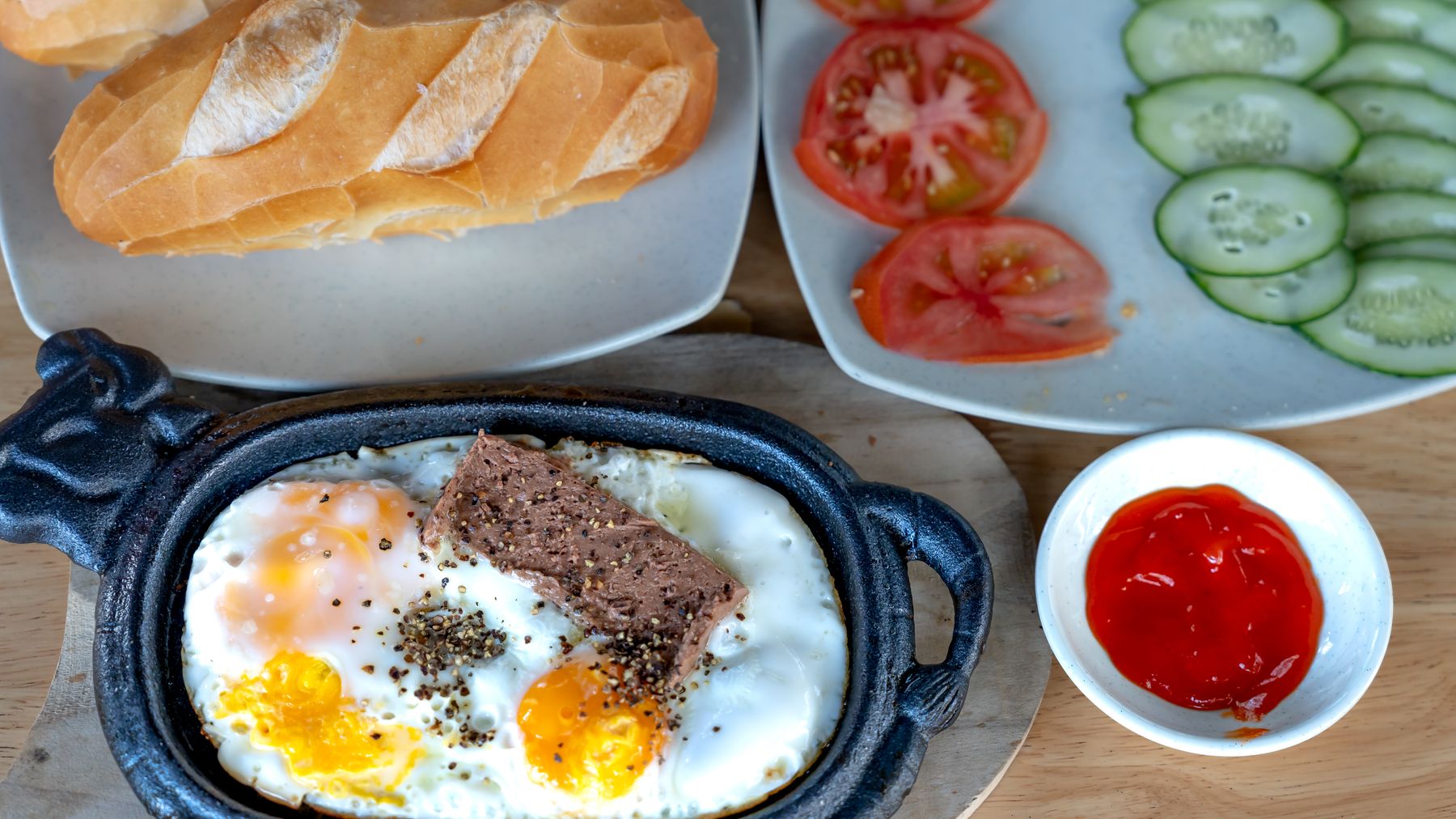
Photo by Quang Nguyen Vinh on Pexels
Practical Notes
Both Phuong and Khanh sell out before lunch, so a morning visit is not optional — it is the visit. Hoi An's Ancient Town is compact enough that you can walk between the two addresses in under ten minutes, making a back-to-back comparison entirely realistic. Bring cash; neither shop takes cards.
Last updated · May 29, 2026 · independently researched, never sponsored.