Street snacks don't usually come with origin stories, but "banh trang tron" — literally "mixed rice paper" — earns one. It went from school-gate hustle to a category of its own, sold everywhere from Saigon alleyways to Da Lat night markets, and it still tastes best eaten standing up with a toothpick.
What It Is
At its core, banh trang tron is a dry salad built on a base of "banh trang" (rice paper sheets) that have been cut or torn into thin strips, then tossed with a roster of toppings until every piece is coated in a sticky, spicy, sour dressing. The texture is the whole point: chewy rice paper, crunchy peanuts, tender shreds of dried beef, the cool snap of green mango. It's a lot happening at once, and it works.
The flavor profile leans sour-spicy-savory, held together by a dressing of sate paste, lime or kumquat juice, salt, sugar, and dried shrimp powder. Some vendors add a dash of fish sauce. Some don't. The proportions vary wildly by stall, and regulars will fight about whose version is better.
A Brief History
Banh trang tron is a Saigon (사이공 / 西贡 / サイゴン) invention, and it's a relatively recent one — most food historians and vendors date its popular rise to the 1990s and early 2000s, when it spread as a school-gate snack in the city's southern districts. District 3, District 5, and the area around Truong Thi secondary schools were early hot zones.
The genius of the format is economic: rice paper is cheap, dried mango and dried beef stretch far, and the whole thing assembles in under two minutes in a plastic bag. A vendor with a cooler, a few condiment jars, and a stool can run a profitable operation. That low barrier to entry is why the snack scaled so fast across the city, and eventually the country.
It now appears in Da Nang hawker stalls and Hanoi snack shops, though purists will tell you the southern version — made with thinner rice paper rounds from Tay Ninh province and kumquat juice rather than lime — is the real article.
The Key Ingredients
The Rice Paper
Tay Ninh banh trang is the preferred base: thin, slightly smoky from sun-drying, with a chew that holds up to the dressing without going soggy immediately. Thicker sheets exist but tend to make the final product stodgy.
Green Mango
"Xoai xanh" — unripe mango — brings the sour backbone. It's shredded into matchsticks, not sliced, so it distributes evenly through the mix. When mango is out of season, vendors sometimes substitute green papaya, though this is considered a compromise.
Dried Beef (Kho Bo)
"Bo kho" strips — not the braised stew, but the dried, shredded beef jerky product — add chew and a savory depth. Some upmarket versions swap in fresh grilled beef slices, which is good but changes the character of the dish entirely.
Sate Paste
This is the ingredient that separates a good banh trang tron from a forgettable one. A well-made "sa te" paste brings chili heat, lemongrass fragrance, and a slow-building oil slick that coats every strand of rice paper. Too little and the dish tastes flat. Too much and you can't taste anything else.
Quail Eggs
Soft-boiled quail eggs — halved, slightly runny — appear in the more elaborate versions. They're not traditional, but they've become common enough to count as standard.
Kumquat Juice
In Saigon, "tac" (kumquat) does the acid work, not lime. The juice is sharper and more floral. Squeeze it yourself at the stall if the vendor lets you — the seeds are in the way but the flavor difference is real.
Dried Shrimp Powder and Peanuts
Both go in toward the end for texture contrast. Roasted peanuts, roughly crushed. Dried shrimp blitzed to a fine powder that clings to everything.

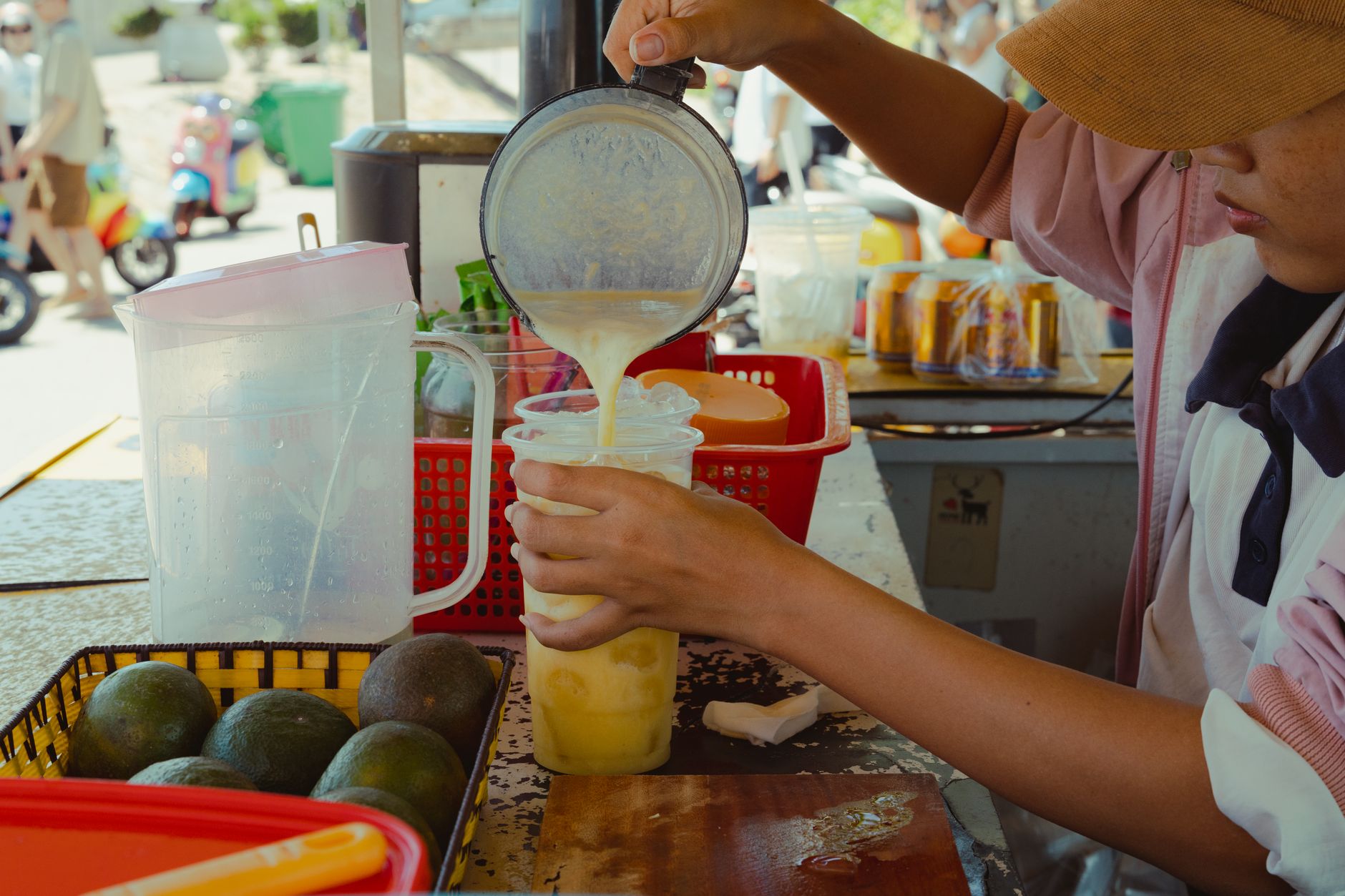
Photo by Andry Sasongko on Pexels
How to Order
Most banh trang tron stalls in Saigon operate on a self-customization model. You'll point at toppings, indicate your spice tolerance with fingers (one chili = mild, three = don't say we didn't warn you), and watch the vendor assemble it in a plastic bag, toss it with chopsticks, then hand it to you with a wooden skewer or toothpick.
A standard portion runs 15,000–25,000 VND in Saigon. Add quail eggs for another 5,000 VND. Some stalls now offer cups instead of bags, which is cleaner but loses some of the street-food ritual.
Eat it immediately. The rice paper goes from pleasantly chewy to limp in about ten minutes once dressed.
Regional Variants
Saigon (standard): Tay Ninh rice paper, xoai xanh, bo kho, sate, kumquat, peanuts, dried shrimp powder. The benchmark.
Da Lat (달랏 / 大叻 / ダラット) version: Often includes more dried fruit — tamarind candy strips, dried jackfruit — and slightly less chili, playing to the tourist crowd. Still good, different character.
Hanoi adaptation: Uses thicker northern-style rice paper and tends toward lime over kumquat. The dried beef is sometimes replaced with pork floss. Worth trying on its own terms.
Banh trang nuong (grilled rice paper): A cousin, not a variant — the rice paper is grilled over charcoal and topped with egg and dried shrimp. Often sold at the same stalls. Order both.

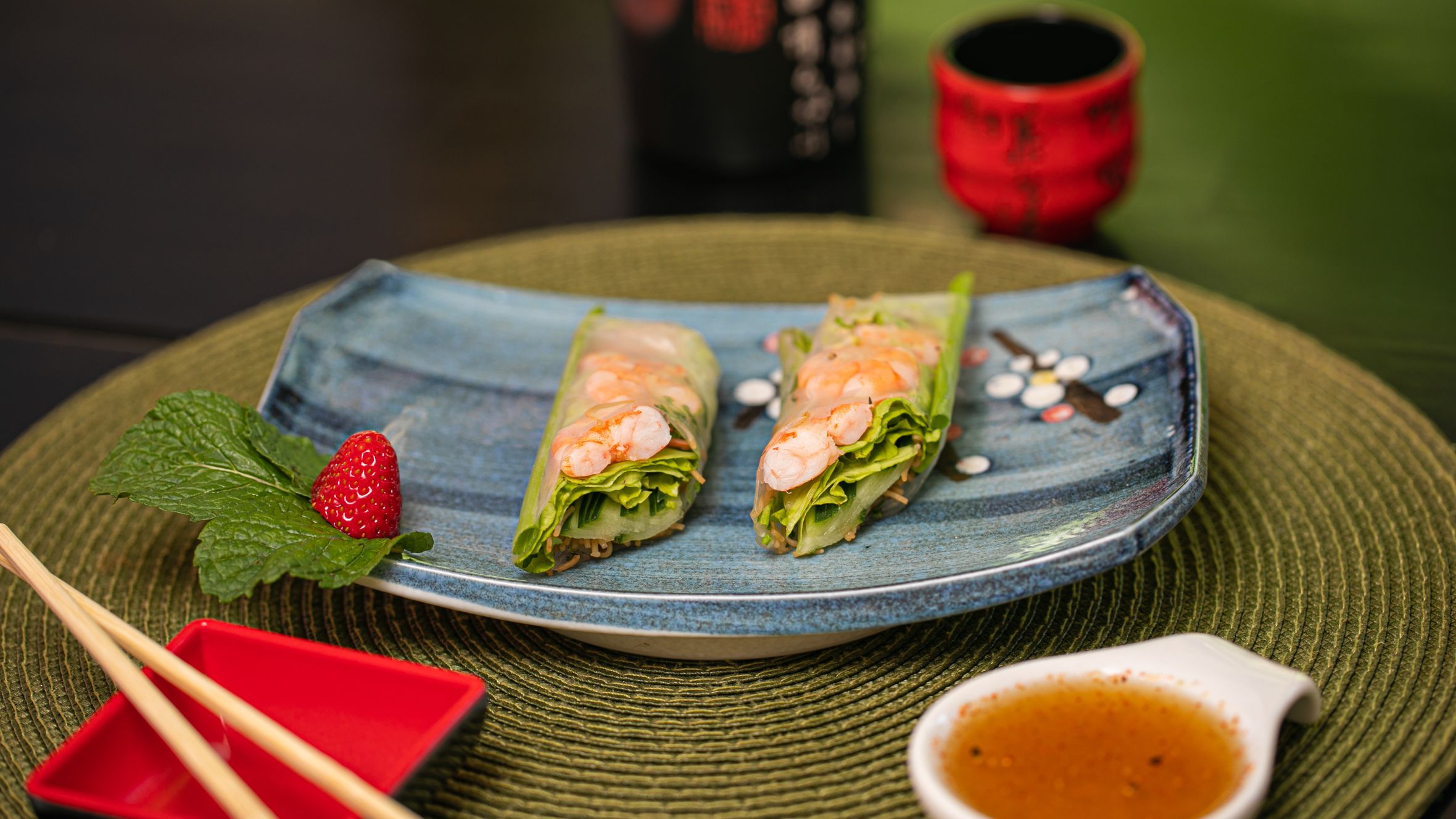
Photo by FOX ^.ᆽ.^= ∫ on Pexels
Where to Try It
Banh Trang Tron Co Gai, Saigon (District 3): The stall near the corner of Nguyen Dinh Chieu and Cach Mang Thang Tam has been operating for over fifteen years. The sate ratio is aggressive. Open from around 3pm until sold out — usually by 7pm.
Nguyen Hue Walking Street stalls, Saigon: More tourist-facing but consistent, and the competition between vendors keeps quality honest. Good place to try multiple versions back to back.
Hang Duong Street, Hoi An: A small cluster of vendors near the night market does a central Vietnamese hybrid — less mango, more tamarind — that's worth the detour if you're already in the area.
Practical Notes
Banh trang tron is almost always a cash transaction; bring small bills. If you have a shellfish allergy, flag it — dried shrimp powder is in virtually every version and not always visible. The snack is vegetarian-adaptable at some stalls if you skip the bo kho and ask specifically, but don't count on it being the default.
Last updated · May 29, 2026 · independently researched, never sponsored.