What makes Buon Ma Thuot's bun do different
"Bun do" (vermicelli with spiced meat sauce) exists across Vietnam (베트남 / 越南 / ベトナム), but Buon Ma Thuot treats it like a religion. The city's version sits somewhere between "bun rieu" and a proper meat braise—the broth is darker, richer, more assertively spiced with star anise and cinnamon than you'll find in Hanoi or Saigon. The meat (usually beef, sometimes pork) breaks apart in the broth rather than sitting as neat slices. Local cooks add more chili oil, more garlic, and a whisper of fish sauce reduction that coats your palate for hours after eating. It's a laborer's dish, born in the highlands where coffee plantations and rubber estates feed a lean, hungry workforce.
You'll notice no cream, no coconut milk. Just pure bone broth, meat, spice, and rice noodles. It arrives scalding hot in a modest ceramic bowl, with a small plate of fresh herbs (mint, cilantro, basil) and lime wedges on the side—not for show, but to cut through the fat and heat.
Where locals eat it
Bun Do Thanh Huong (7 Nguyen Hue Street)
This is the name most Buon Ma Thuot people say first. A narrow shophouse wedged between a motorbike repair shop and a lottery vendor, open since the early 2000s. Thanh Huong opens at 6 a.m. and closes by 11 a.m.—lunch only, no dinner service. The owner, a woman named Huong in her 60s, still simmers the broth in a blackened pot that's probably older than most customers. The meat is beef chuck, braised overnight. A bowl costs 25,000 VND (about USD 1). Get there by 8 a.m. if you want the softest meat; by 10 a.m., the texture gets chewier as the broth reduces. Locals order a second plate of noodles (8,000 VND extra) to stretch the last of the broth. The queue moves fast but always forms outside.
Bun Do Anh Tuan (Corner of Ly Thai To and Tran Hung Dao)
Anh Tuan is younger—maybe 40—and runs a slightly more modern setup: plastic stools, fluorescent lights, a hand-written menu on the wall. Opens 5:30 a.m. The broth here is leaner, more chili-forward, with a sharper spice profile. Same 25,000 VND price. Anh Tuan caters to the 6 a.m. commuter crowd; by 9 a.m., the place is half-empty. If Thanh Huong is too crowded, locals send you here. The noodles are slightly thicker, more textured than Thanh Huong's.
Bun Do Ba Sau (Ba Dinh Ward, near the old market)
Ba Sau's real name is lost to time—everyone just calls it by the vendor's nickname. She operates from a mobile cart that parks in the same spot every morning at 6 a.m. and leaves by noon. The setup is the most bare-bones: a two-burner camp stove, a large aluminum pot, plastic bowls. Her broth is the spiciest of the bunch—aggressively so—and she doesn't sweeten it with sugar like some stalls do. 22,000 VND a bowl. The meat is pork shoulder, more tender than beef. Locals who want "bun do that actually tastes like something" go here. Not for beginners.
Bun Do Minh (Phan Boi Chau Street, near the post office)
Minh's spot is indoor, air-conditioned, with a proper counter. It's the "upgrade" option if you're traveling with someone who finds plastic stools and street chaos stressful. Opens 6 a.m., runs until 2 p.m., so it catches lunch-hour overflow. The broth is slightly more refined—balanced spice, cleaner finish—which some locals love and others say makes it "too city." 27,000 VND a bowl (2,000 more than the carts). Minh uses beef brisket, which stays more intact than chuck. Reliable, but less personality.
Bun Do Thanh Son (Nguyen Chi Thanh Street, in Buon Me Thuot market)
Inside the market itself, near the vegetable section. Opens at 5 a.m., packed until 9 a.m. Thanh Son's broth is dark and stocky—he boils bones for 8+ hours starting the night before. 24,000 VND. The noodles are hand-pulled fresh each morning. It's a working-person's spot, surrounded by vegetable vendors and market workers. Loud, authentic, no ambiance beyond function. Perfect.

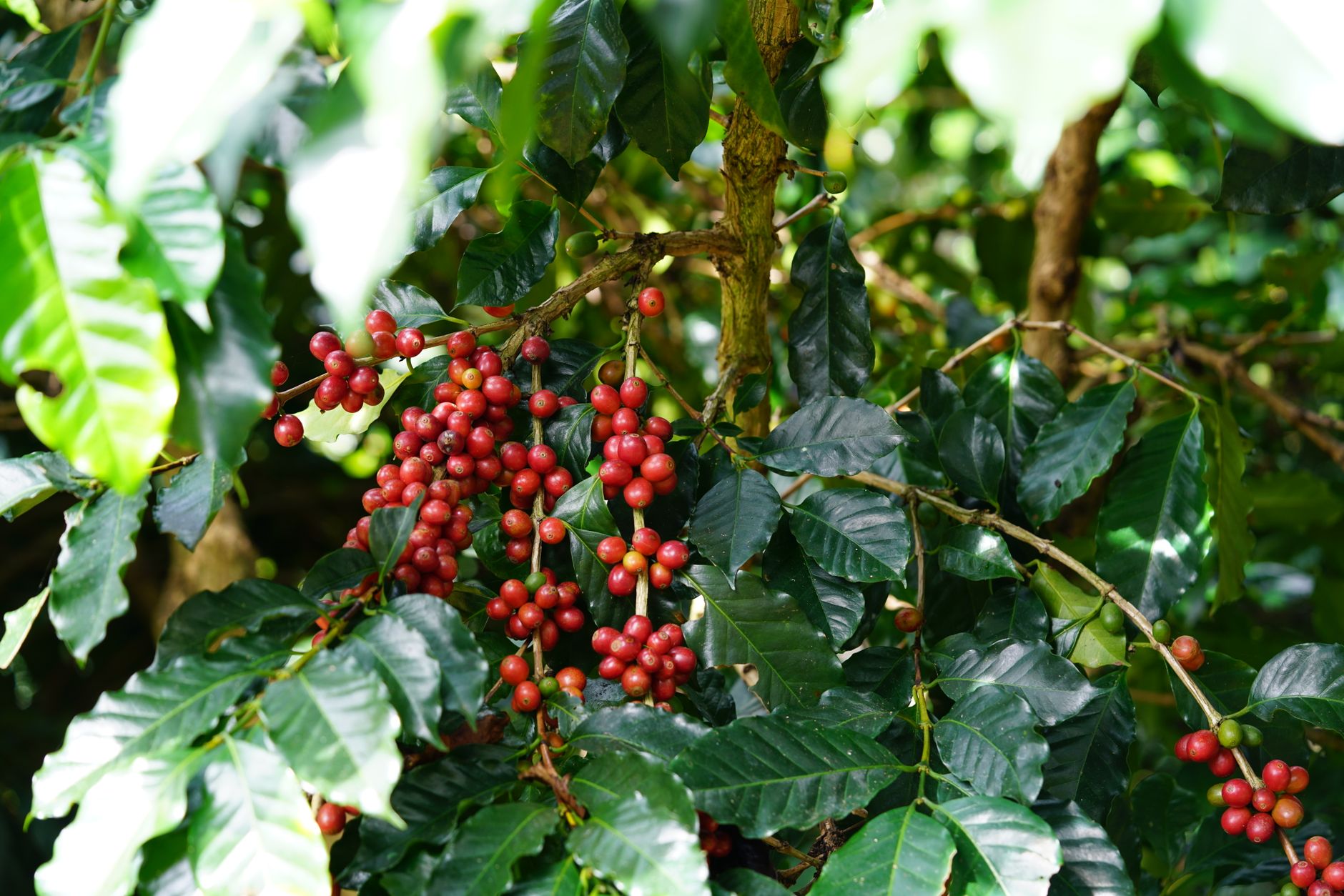
Photo by Quang Nguyen Vinh on Pexels
When to go
"Bun do breakfast" is a real thing here. Arrive between 6 and 7 a.m. for the peak window when the broth is hottest, the meat is most tender, and the crowd is mostly workers heading to jobs—not tourists or late sleepers. By 8:30 a.m., quality drops as the pot sits on heat. By 10 a.m., most stalls close. Lunch service (11 a.m. to 1 p.m.) exists only at Ba Dinh market and Minh's; the true bun do spots don't serve it. Never eat it at dinner. The dish is for dawn and morning hunger, not evening appetite.
How to order
Walk up or sit at the counter. Point at the pot or say "Mot toa bun do" (one bowl of bun do). If you want extra noodles on the side, say "Them mi." The vendor laddles broth into a bowl, adds noodles, and tops with shredded meat and a pinch of fried shallots. You get a small plate of fresh herbs, lime, and chilies on the side—tear the herbs into the bowl as you eat, squeeze lime for brightness, add chili oil (if offered) to taste. Eat fast. The noodles soften after 10 minutes.

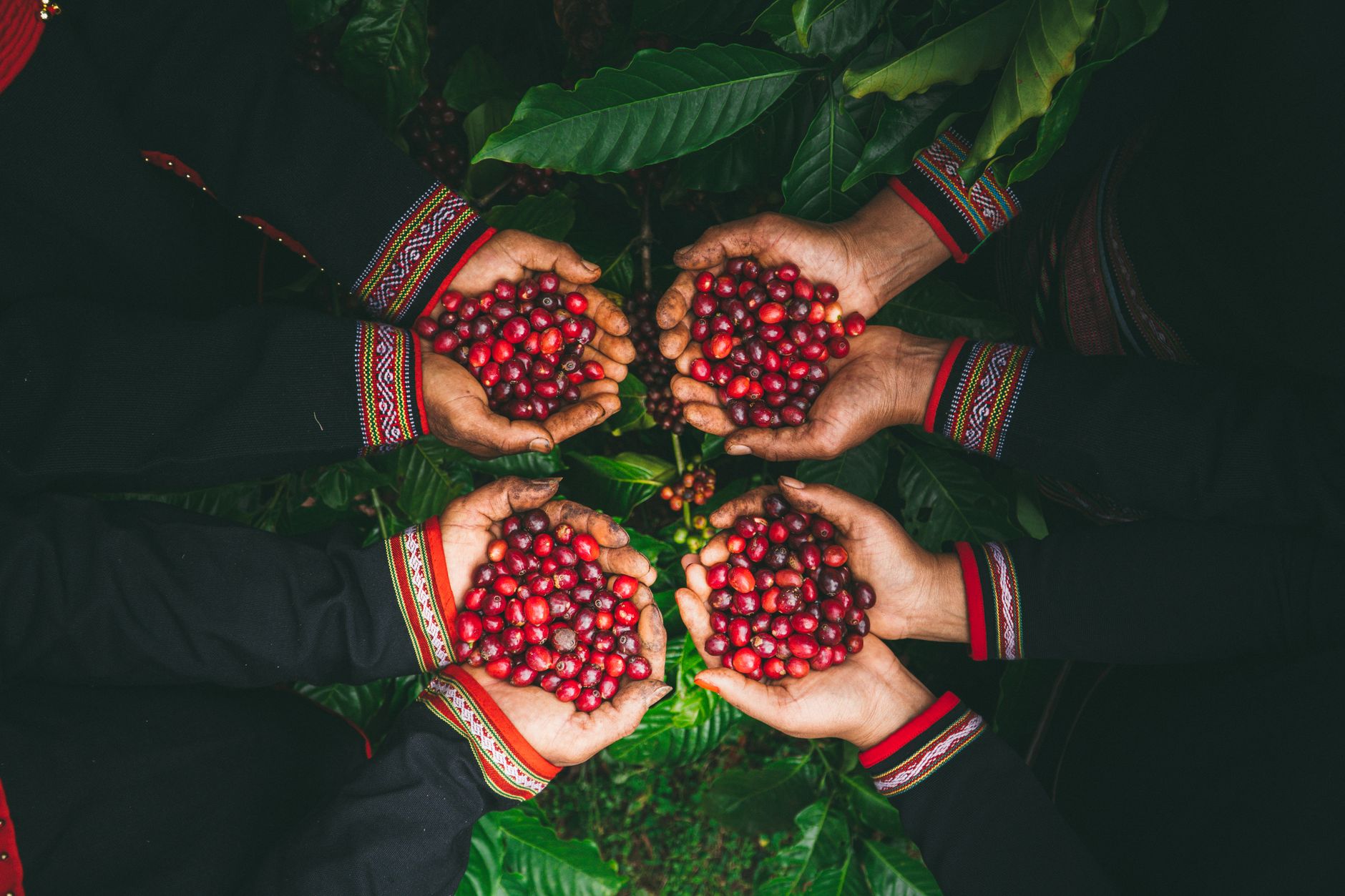
Photo by Nhựt Nguyên Trần on Pexels
Cost and practicalities
A full meal—one bowl of bun do, one drink (iced coffee or tea, 10,000–15,000 VND)—runs 35,000–40,000 VND (USD 1.50–1.70). Most stalls are cash-only. Buon Ma Thuot is a small city; you won't need a translation app. Point, smile, eat. The ritual is the same everywhere: arrive hungry, leave satisfied, come back tomorrow.
Practical notes
Bun do is not a lunch or dinner dish in Buon Ma Thuot—it's breakfast, deeply. If you're visiting and staying near Nguyen Hue Street or Ba Dinh Ward, you're steps from the best spots. Set an alarm. The city wakes at 5 a.m., and so does the bun do.
Last updated · May 26, 2026 · independently researched, never sponsored.