Day 1 — Saigon to Buon Ma Thuot
Fly from Tan Son Nhat to Buon Ma Thuot Airport (about 1 hour, domestic flights 80–140 USD one-way). You'll land in Dak Lak Province, home to roughly 65% of Vietnam (베트남 / 越南 / ベトナム)'s coffee output. Rent a motorbike (5–8 USD/day) or arrange a car with driver (25–35 USD/day) for the remaining days—a driver is worth it if you're unfamiliar with local roads.
The town itself isn't a destination; it's a hub. Check into a mid-range hotel near Tran Hung Dao Street (rooms 25–45 USD). Grab "pho" or "com tam" at a local stall for lunch, then rest. Afternoon: walk the market at Buon Ma Thuot Square to see how coffee is traded and packaged here—bags are cheaper than Hanoi by 20–30%.
If you arrive before 4 p.m., walk east along Le Hong Phong Street toward the Dak Lak Museum (10,000 VND entry). The ground floor covers the province's ecology—coffee varietals, pepper, rubber—and the upper floor has Ede longhouse reconstructions and gong collections. It closes at 5 p.m., so don't dawdle. Across the street, a row of "ca phe" shops serve iced robusta with condensed milk for 15,000–20,000 VND. Order by saying "cho toi mot ca phe sua da" and pointing at the size you want. This is not Hanoi "egg coffee" territory—here, coffee is blunt, strong, and served without ceremony.
For dinner, skip the hotel restaurant. Head to the intersection of Nguyen Tat Thanh and Phan Chu Trinh, where a cluster of "com binh dan" (everyday rice) stalls stays open until 8 p.m. Point at whatever looks good behind the glass: braised pork, fried egg, morning glory, pickled mustard greens. A full plate with rice runs 30,000–45,000 VND. If you want something more specific, look for "bun cha" stalls—grilled pork patties over noodles with herbs—which show up on side streets near the central market. It is not the Hanoi classic "bun cha" but the highlands version is smokier, served with thicker noodle strands.
Day 2 — Coffee Plantations and Lak Lake
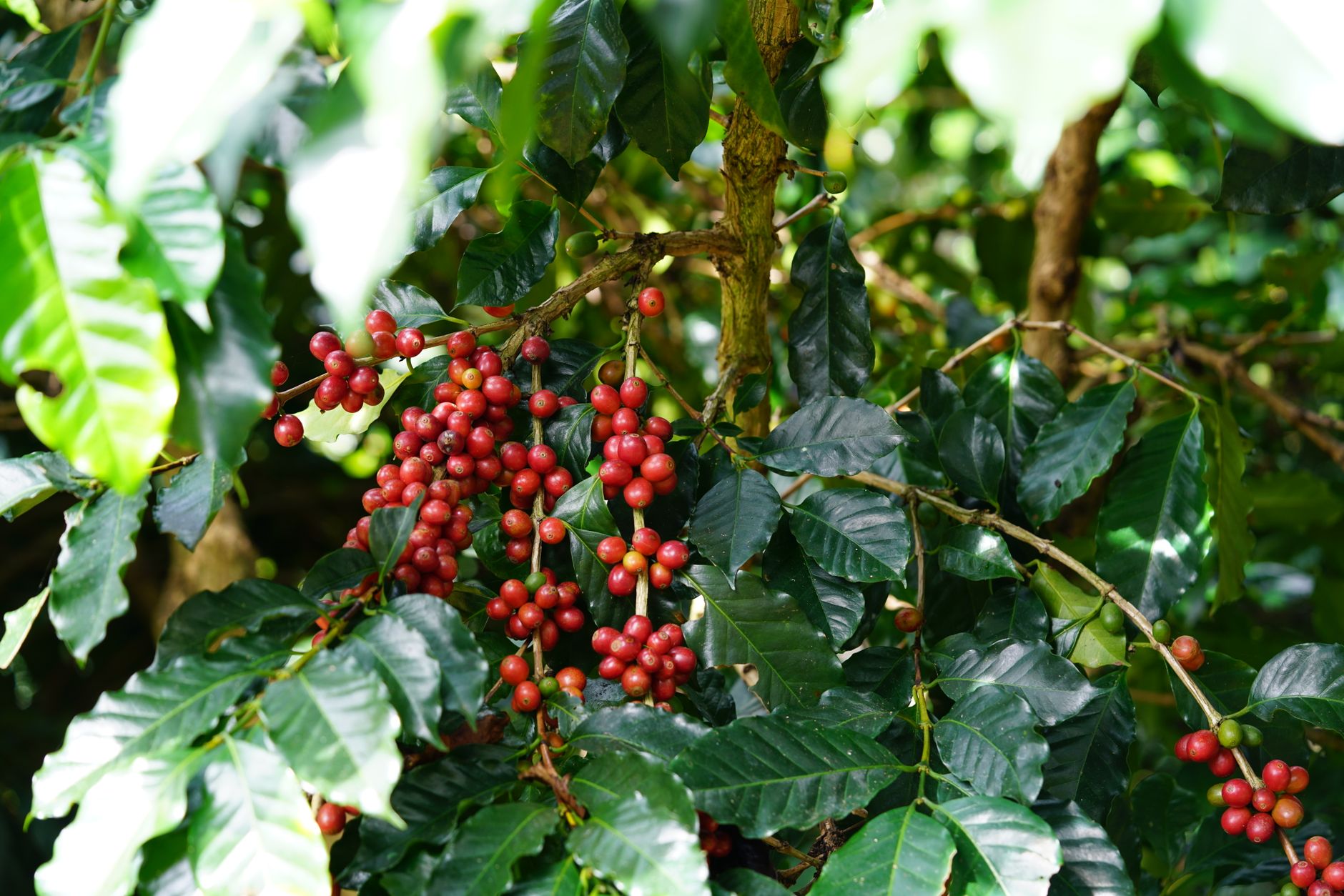
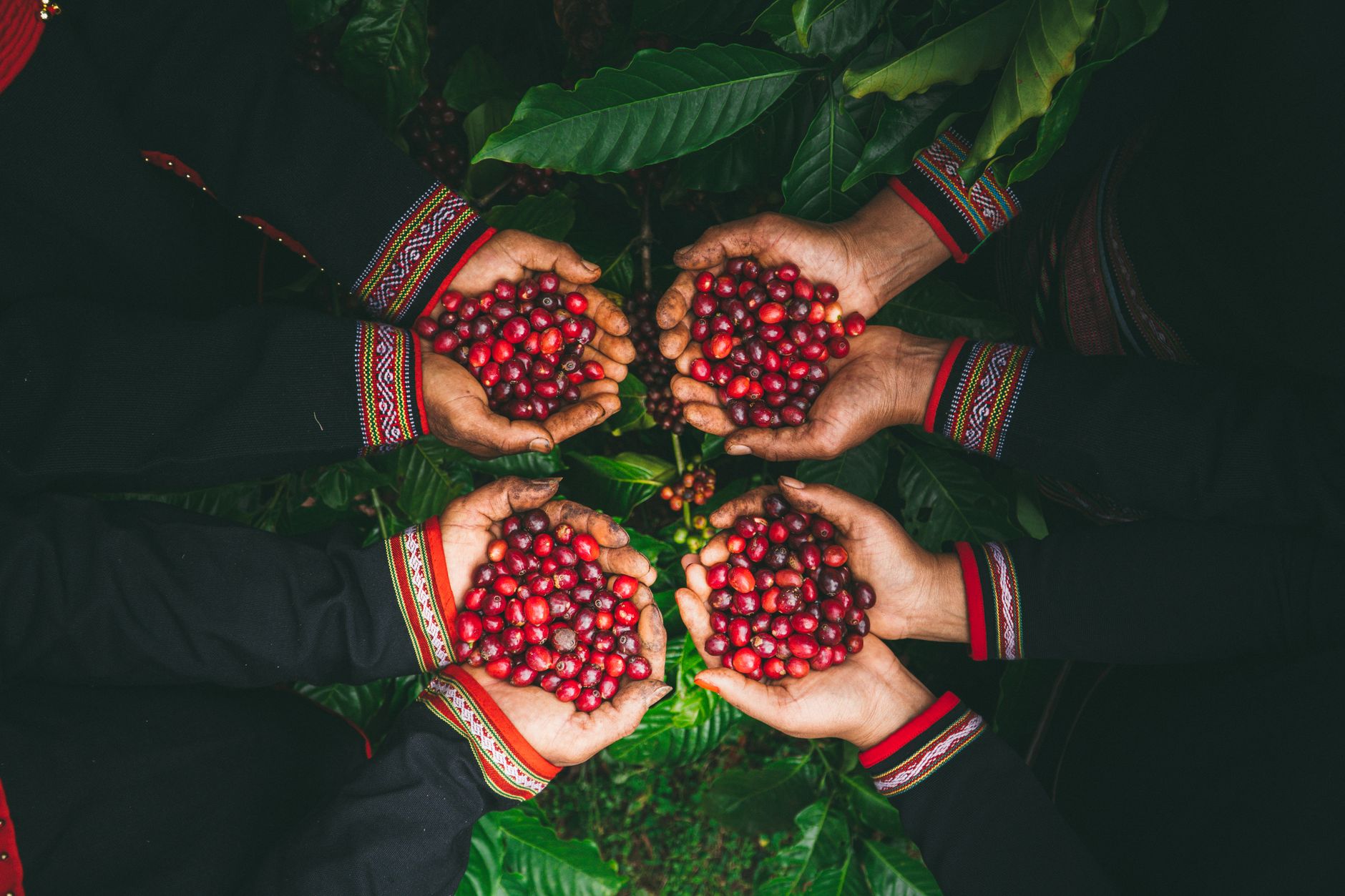
Start early. A half-day coffee plantation tour takes you through Thien Hung or Trung Nguyen (the big commercial farm). You'll see robusta trees (short, bushy), learn about wet-hull processing, and taste "Vietnamese coffee" (robusta with condensed milk) or filter-drip single-origin roasts. Tours cost 15–20 USD per person and usually include a farmer's home visit.
What most tours skip: the drying yards. If you go with a smaller operator or arrange a visit through your hotel, ask to see the concrete patios where beans dry in the sun after pulping. During harvest season (October through January), these yards are covered in a thick layer of pale green beans raked every few hours. The smell is vegetal and sharp—nothing like the roasted product. This is where you understand why Dak Lak dominates Vietnam's output: the volcanic red soil, the altitude (around 500 meters), and the dry season create ideal robusta conditions. Ask the farmer about the difference between robusta and arabica pricing—robusta sells for roughly 60,000–80,000 VND per kilogram of green beans at the farm gate, while arabica (grown in smaller quantities closer to Da Lat) fetches double that.
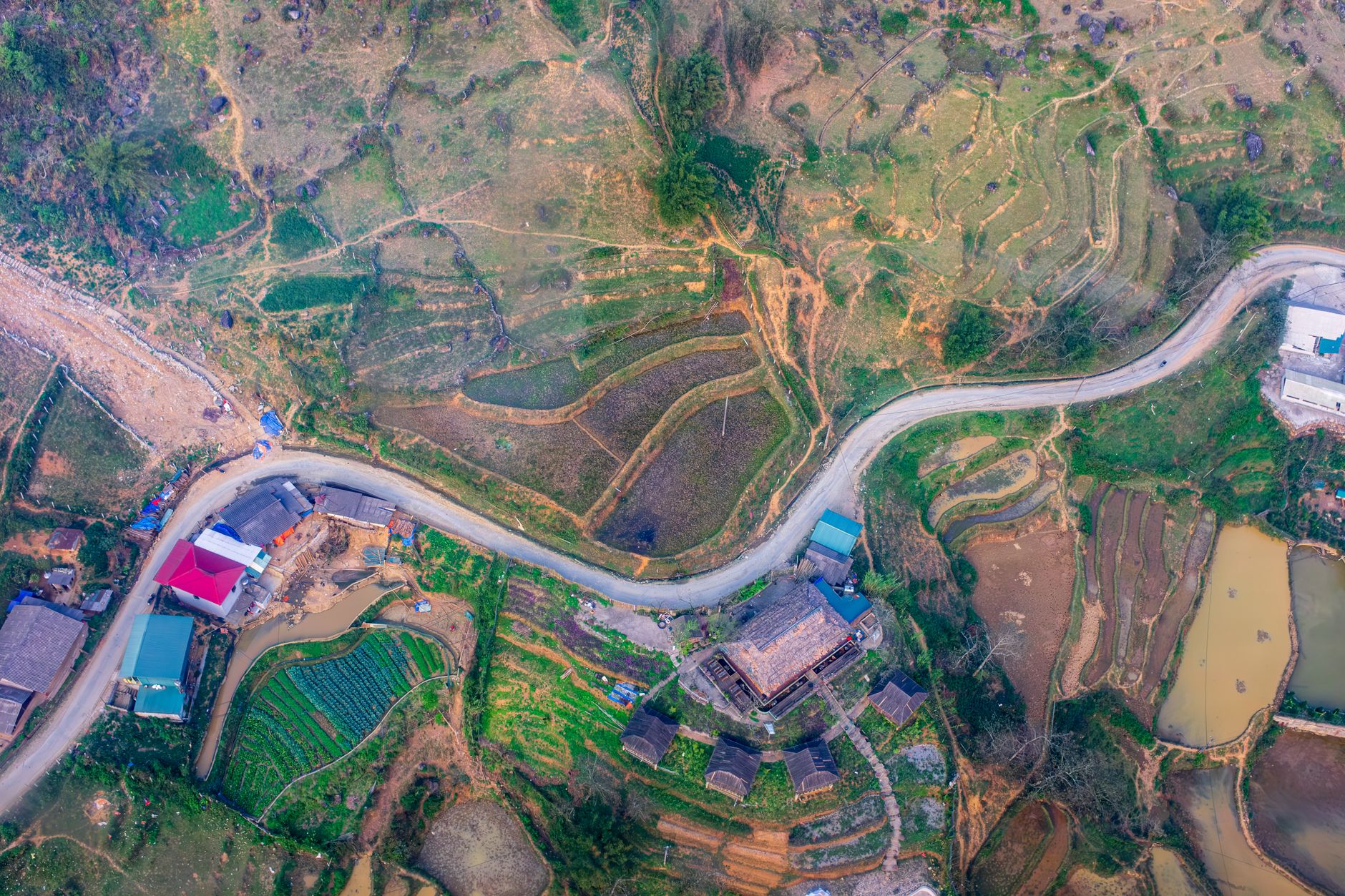
After 2 p.m., drive north to Lak Lake (about 50 km, 1.5 hours). The lake is ringed by Mnong minority villages. Many tour operators offer elephant rides—a full-day tour with ride, lunch, and village walk is 40–60 USD per person. A note on ethics: elephant rides in Vietnam are not heavily regulated. If you choose to go, book direct with village operators rather than tourist agencies (more money stays locally), and visit in cooler months. Many travelers skip this entirely, and that's a reasonable choice. Instead, walk the villages on foot, talk with locals, buy handicrafts directly.
The lakeside walk from Jun Village to the opposite shore takes about 45 minutes on a flat dirt path. You pass stilt houses, small vegetable plots, and fishing platforms made from bamboo. If you visit in the late afternoon, families are often cooking dinner outside—sticky rice in bamboo tubes and grilled freshwater fish. It is quiet in a way that Hoi An or Sapa no longer are.
Stay the night near Lak Lake at a simple bungalow (12–20 USD) run by Mnong families. The quiet is genuine.

Photo by Nhi Huynh on Pexels
Day 3 — Dray Nur Falls and Ethnic Minority Villages
Dray Nur Falls is a 40-meter cascade about 50 km from Lak Lake, an hour's drive. The hike down is steep and slippery (wear grip soles). The water is cold year-round. Most visitors spend 2–3 hours here swimming, photographing, and having lunch at a small stall at the trailhead.
The entrance fee is 30,000 VND. A second waterfall, Dray Sap, sits about 6 km upstream and costs an additional 20,000 VND. It is wider but shorter than Dray Nur and sees fewer visitors midweek. Between the two falls is a suspension bridge and a forested trail (roughly 30 minutes one way). If you have time for only one, Dray Nur is the more dramatic drop, but Dray Sap has better swimming access with a shallow pool at its base. Pack your own water and snacks—the trailhead stall sells instant noodles, boiled eggs, and bottled water, but nothing else.
On the way back, detour through villages where Ede, Jarai, and Koho minorities live. These are working communities, not museum displays. Ask your driver to stop at craft workshops where women weave baskets and looms operate—this is more authentic than a "village tour" package. Buy directly if you like something (10–30 USD for a good basket). No entrance fees, no guides necessary.
One specific stop worth making: the Ede longhouses along the road between Dray Nur and Buon Ma Thuot, particularly in the hamlet of Ako Dhong (about 10 km northwest of the city center). Ama Khen, the village headman, has opened his traditional longhouse to visitors for years. There is no formal ticket—leave a donation of 50,000–100,000 VND. Inside, you see the central hearth, the gong set mounted on the wall, and the communal sleeping platform. The longhouse design—built on stilts, extending horizontally rather than vertically—reflects the Ede matrilineal family structure, where the wife's family owns the home.
Return to Buon Ma Thuot by evening. Eat at a local family restaurant: grilled fish, "banh canh" (tapioca noodle soup), and greens. Cost: 3–5 USD per person. If you want a bowl of something different, look for "hu tieu" at the noodle stalls near the bus station—the southern-style clear broth version that migrated up with Saigon transplants.

Photo by Quang Nguyen Vinh on Pexels
Day 4 — Return to Saigon
Flight departs early afternoon. Spend the morning at a local coffee roastery. Buon Ma Thuot's best roasters—such as Thien Hung or Jibe Specialty Coffee—sell single-origin beans you won't find in Saigon (사이공 / 西贡 / サイゴン). A small bag (250 g) costs 5–8 USD. Many will vacuum-pack for travel. Have a final cup before heading to the airport.
If you have two hours before the airport, Jibe on Nguyen Dinh Chieu Street opens at 7 a.m. and serves pour-over flights (three single-origin cups) for about 80,000 VND. The staff can explain the flavor differences between their Cau Dat arabica and Dak Lak robusta—it is the closest thing to a specialty coffee experience in the Central Highlands. For bulk buying, the Trung Nguyen factory outlet on Le Duan Street sells gift boxes and sampler packs at factory price: a 500 g bag of their Legend blend runs around 120,000 VND, roughly 30% less than airport shops. Bring an extra ziplock bag in your luggage—coffee oils can leak through packaging in checked baggage.
What to Eat Beyond Coffee
Buon Ma Thuot is not a food destination the way Hue or Saigon is, but the highlands diet has its own logic. Meals here lean on grilled meats, river fish, sticky rice, and forest vegetables.
"Com lam"—sticky rice cooked inside bamboo tubes over charcoal—is the signature dish of the Ede and Mnong communities. You crack the tube open at the table and eat the rice with grilled pork or dried buffalo. A portion costs 20,000–30,000 VND at most roadside stalls between Buon Ma Thuot and Lak Lake. It tastes faintly of smoke and bamboo sap.
Grilled chicken with "muoi ot" (chili salt) shows up at every local restaurant and "nhau" (drinking) spot. The chickens are free-range, noticeably leaner and chewier than lowland birds. A whole grilled chicken costs 150,000–200,000 VND and feeds two comfortably with rice and greens on the side. Pair it with a can of "bia hoi" or a bottle of Larue—highland evenings are cool enough to sit outside without sweating through your shirt.
For breakfast, most guesthouses serve instant coffee and bread. You can do better. Look for "banh mi" carts near any market—the highland version uses a slightly denser roll and fills it with pate, cucumber, pickled carrot, and a fried egg. Cost: 15,000–20,000 VND. It is simpler than the Saigon "banh mi" but works well with strong black coffee.
Common Mistakes Visitors Make
Booking a one-day tour from Da Lat. Some agencies in Da Lat sell a day trip to Buon Ma Thuot: leave at 5 a.m., drive 4–5 hours, visit one plantation, drive back. You spend 10 hours in a van for 2 hours on the ground. Don't do this. The drive is 190 km on mountain roads. Either commit to staying overnight or skip the trip entirely.
Expecting Saigon-level English. Outside Jibe Coffee and a few tourist-facing hotels, English is scarce. Download Google Translate's Vietnamese offline pack before you arrive. Useful phrases: "bao nhieu tien?" (how much?), "khong duong" (no sugar, for coffee), "cho toi xem" (let me see).
Visiting during rainy season without a plan. May through September brings daily afternoon downpours. Plantation tours still run, but Dray Nur Falls becomes dangerous (slippery trails, strong currents), and the road to Lak Lake floods in patches. If you visit in rainy season, front-load outdoor activities in the morning and keep afternoons flexible.
Overpacking the schedule. Four days is right for this itinerary. Three days is rushed. Some travelers try to combine Buon Ma Thuot with Da Nang or Hoi An in the same week—possible, but you will spend more time in transit than on the ground. The highlands reward slow days, not checklist tourism.
Buying pre-ground coffee as gifts. Whole beans keep their flavor for weeks; pre-ground bags go stale fast, especially in tropical humidity. Ask roasters to sell you whole beans and grind at home. If your hotel has no grinder, Jibe will grind to your spec on request.
Quick Reference — Buon Ma Thuot at a Glance
- Getting there: Flights from Saigon (1 hr, 80–140 USD), Hanoi (1 hr 45 min, 100–160 USD). Bus from Da Lat (5–6 hrs, 150,000–200,000 VND).
- Getting around: Motorbike rental 120,000–200,000 VND/day. Car with driver 600,000–850,000 VND/day.
- Stay: Budget guesthouses 250,000–400,000 VND/night. Mid-range hotels 500,000–1,000,000 VND/night. Lak Lake bungalows 300,000–500,000 VND/night.
- Best months: October to March (dry, cooler, harvest season for coffee).
- Altitude: ~500 meters. Expect mornings around 18–22°C, afternoons 28–32°C in dry season.
- Currency: VND only. ATMs available on Tran Hung Dao and Le Duan streets. Few places accept cards outside hotels.
- SIM card: Viettel or Vinaphone, 15–20 USD for a week's data. Buy at the airport or any phone shop in town.
- Key distances: Buon Ma Thuot to Lak Lake: 50 km. To Dray Nur Falls: 25 km from city center. To Da Lat: 190 km.
- Coffee to bring home: Whole beans, vacuum-packed, 5–8 USD per 250 g at local roasters. Trung Nguyen factory outlet for bulk.
Frequently Asked Questions
How do I get from Saigon to Buon Ma Thuot for a coffee tour?
Fly from Tan Son Nhat Airport to Buon Ma Thuot Airport — the flight takes about 1 hour and costs 80-140 USD one-way on domestic routes. On arrival, rent a motorbike for 5-8 USD per day or hire a car with driver for 25-35 USD per day. A driver is recommended if you are unfamiliar with local highland roads.
What does coffee cost at Buon Ma Thuot plantations and local cafes?
At farm-gate level, robusta green beans sell for roughly 60,000-80,000 VND per kilogram. Bags of packaged coffee at Buon Ma Thuot Square market run 20-30% cheaper than in Hanoi. At streetside ca phe shops on Day 1, an iced robusta with condensed milk (ca phe sua da) costs 15,000-20,000 VND per cup.
When is the best time to visit coffee plantations in Buon Ma Thuot?
Harvest season runs October through January. During these months, the concrete drying yards at plantations are covered in pale green beans raked every few hours after pulping — the stage that best illustrates why Dak Lak Province produces around 65% of Vietnam's total coffee output. Visiting outside this window means the drying yards and active processing will not be visible.
Practical Notes
Best months: October to March (cooler, less rain). Bring insect repellent and sturdy walking shoes. English is minimal outside tourist zones—a translator app helps. Your phone will catch 4G on Viettel or Vinaphone networks (15–20 USD for a week's data SIM). Don't expect nightlife; Buon Ma Thuot is a working town. The real reward is honesty: coffee grown here, not curated for Instagram.
Final Note
Buon Ma Thuot does not compete with Saigon for food or with Ninh Binh for scenery. It competes with nowhere, because almost nobody comes here. That is precisely the point. Four days in the highlands teaches you what Vietnamese coffee actually is before it gets roasted, branded, and marked up—and that knowledge changes every cup of "ca phe sua da" you drink after.
Last updated · May 29, 2026 · independently researched, never sponsored.