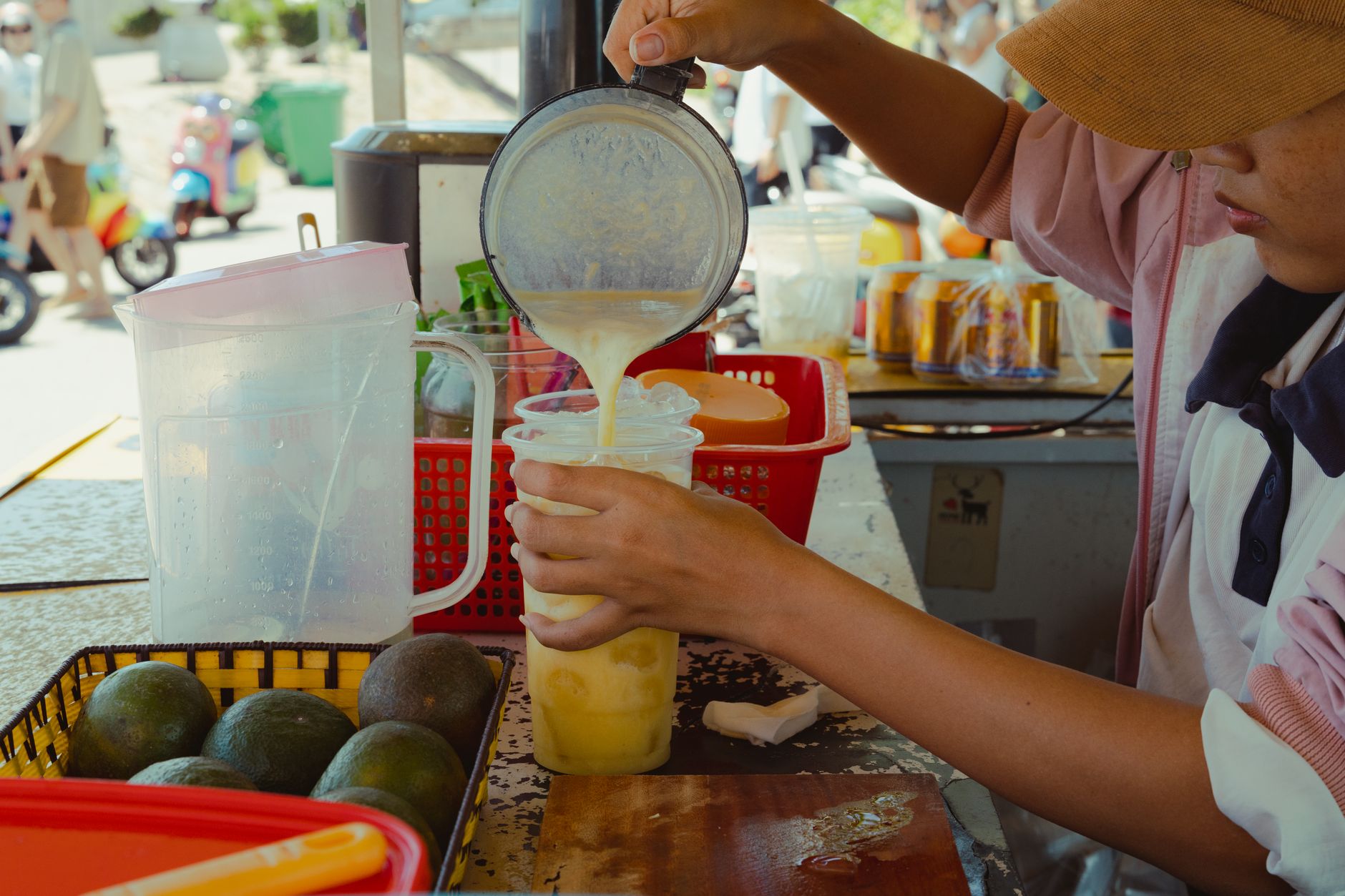
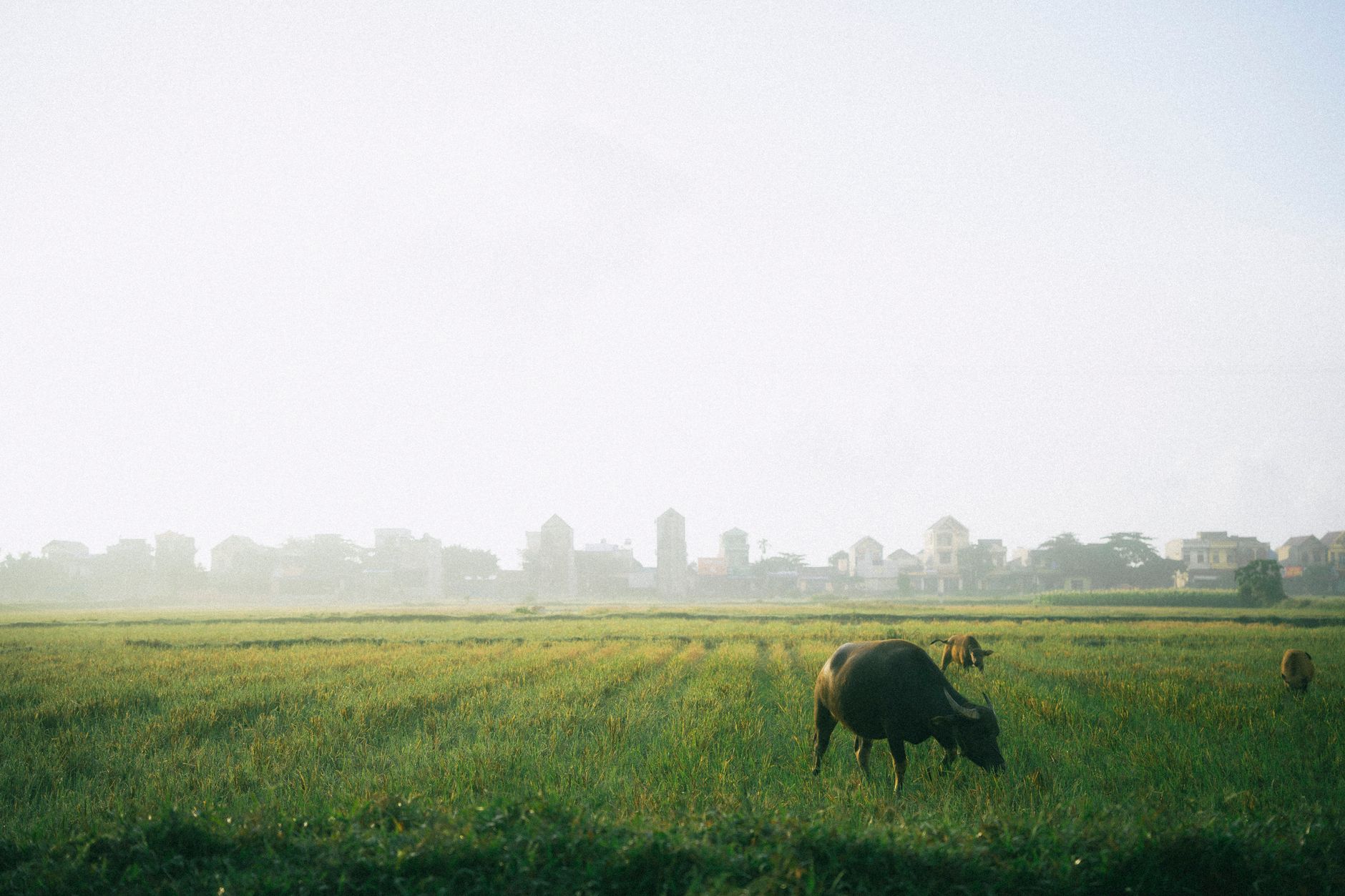
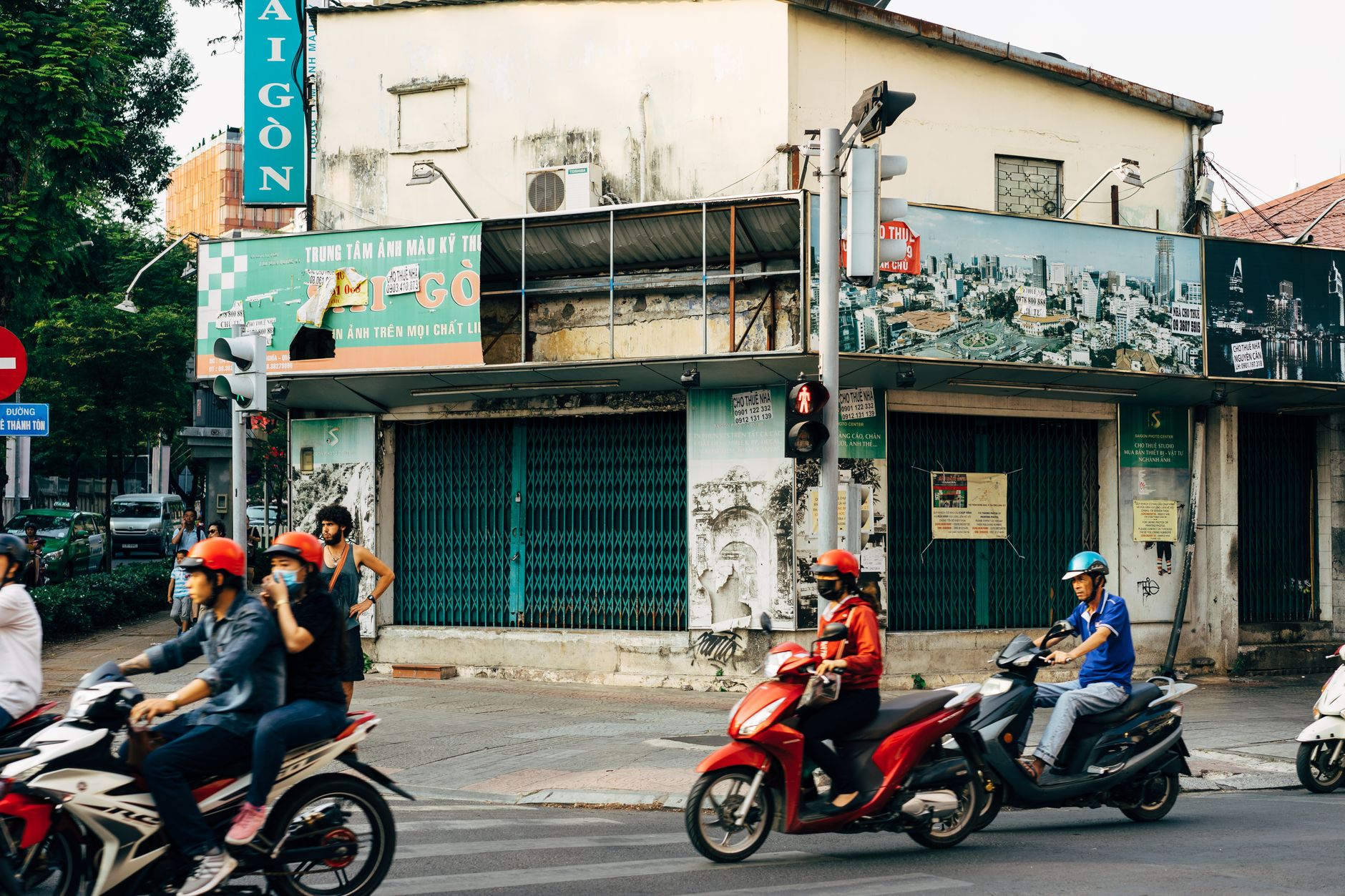
Goi ca linh is the reason to eat raw fish in Can Tho
"Goi ca linh" (raw freshwater fish salad) is not a tourist dish in Can Tho. Locals eat it for lunch, debate which vendor does it best, and order it without hesitation. The fish—usually snakehead or silver carp—comes sliced paper-thin, dressed with lime juice, fish sauce, crushed peanuts, fresh herbs, and a scatter of chili. It's sharp, herbaceous, and alive in a way you won't find in Hanoi or Saigon, where the dish is either overcooked or treated as a curiosity.
Can Tho's version matters because the Mekong Delta (메콩 델타 / 湄公河三角洲 / メコンデルタ) fish are fresher here. Vendors source from the market at dawn. The water is still cold. The texture stays delicate.
Where locals eat goi ca linh
Goi Ca Linh Ong Xuan (Phan Dinh Phung Street)
Start here. Ong Xuan has run his stall since 1998. He opens at 10 a.m., and by 11:30 a.m., every plastic stool is full. The fish comes from a supplier he's known for 20 years—snakehead from the canals near Soc Trang. He slices it by hand against the grain. The salad arrives mixed with fish sauce, lime, garlic, chilies, and a base of dill, mint, and sawtooth coriander. A standard bowl costs 75,000 VND. He also makes a richer version with peanut sauce and roasted peanuts for 95,000 VND. Order by pointing or saying "Mot tia goi ca linh" (one portion of fish salad). He'll ask: "With peanuts?" or "Plain?"
Quay Cai Voi Market (Waterfront)
The wet market on Cai Voi Quay, near the clock tower, has two goi ca linh vendors in the covered section (rows E–F, left side as you enter). The anonymous stall with the blue umbrella is the busier one. Fish is cut to order. You pay 60,000–70,000 VND depending on portion size. The salad is sharper here—less peanut sauce, more raw herb. Locals come here for bulk orders (office lunches, family meals). Go between 10 a.m. and noon. After 1 p.m., the fish inventory thins.
Pho Vui (Can Tho Market, Hai Ba Trung Street)
Pho Vui is nominally a pho stall, but its owner's sister makes goi ca linh in the back. You have to ask: "Co goi ca linh khong?" (Do you have fish salad?). She preps it only if there's demand; it's not on a visible menu. Cost: 80,000 VND for a large portion. The fish is thicker-cut than at Ong Xuan, and she adds toasted sesame seeds. She works mornings (7 a.m.–11 a.m.) and again from 5 p.m.–7 p.m. Lunchtime she closes.
Binh's Riverside Stall (Near Ninh Kieu Wharf)
Binh sets up a small table and two benches on the riverbank near the ferry dock, weather permitting. He opens at 11 a.m. and sells only goi ca linh and goi tom (shrimp salad). His fish is always snakehead, cut into ribbons, and he finishes the bowl with a sprinkle of crushed roasted peanuts and a drizzle of fish sauce reduction. 85,000 VND per portion. The setting—water, breeze, boat traffic—is part of the meal. But he's informal; some days he doesn't show up if the market supply is off.
Goi Ca Linh at Floating Market Stalls (Early Morning)
Can Tho (껀터 / 芹苴 / カントー)'s floating markets (Cai Rang, Phong Dien) have vendors who prepare goi ca linh on the boat itself, selling to restaurant buyers and locals. You need to be there before 7 a.m., and you need to speak some Vietnamese or hire a local guide. A bowl costs 50,000–60,000 VND but tastes rawer and more urgent than the permanent stalls—the fish was in the canal two hours earlier. This is less "eat here" and more "experience," but it's authentic.
What makes Can Tho's goi ca linh different
The fish. Hanoi and Saigon goi ca linh often arrives pre-sliced and sits in the vendor's cooler. It oxidizes. The texture flattens. Can Tho vendors cut to order, and the fish stays translucent and delicate. The herbs are also fresher—sawtooth coriander, dill, and mint come from suppliers just outside the city. The fish sauce is often house-made or sourced from a single Mekong producer the vendor trusts.
The other factor is speed. You're eating in a market or riverside spot, not a restaurant, so the whole bowl is assembled in under three minutes. The fish doesn't warm. The lime juice stays sharp. The peanuts don't soften.
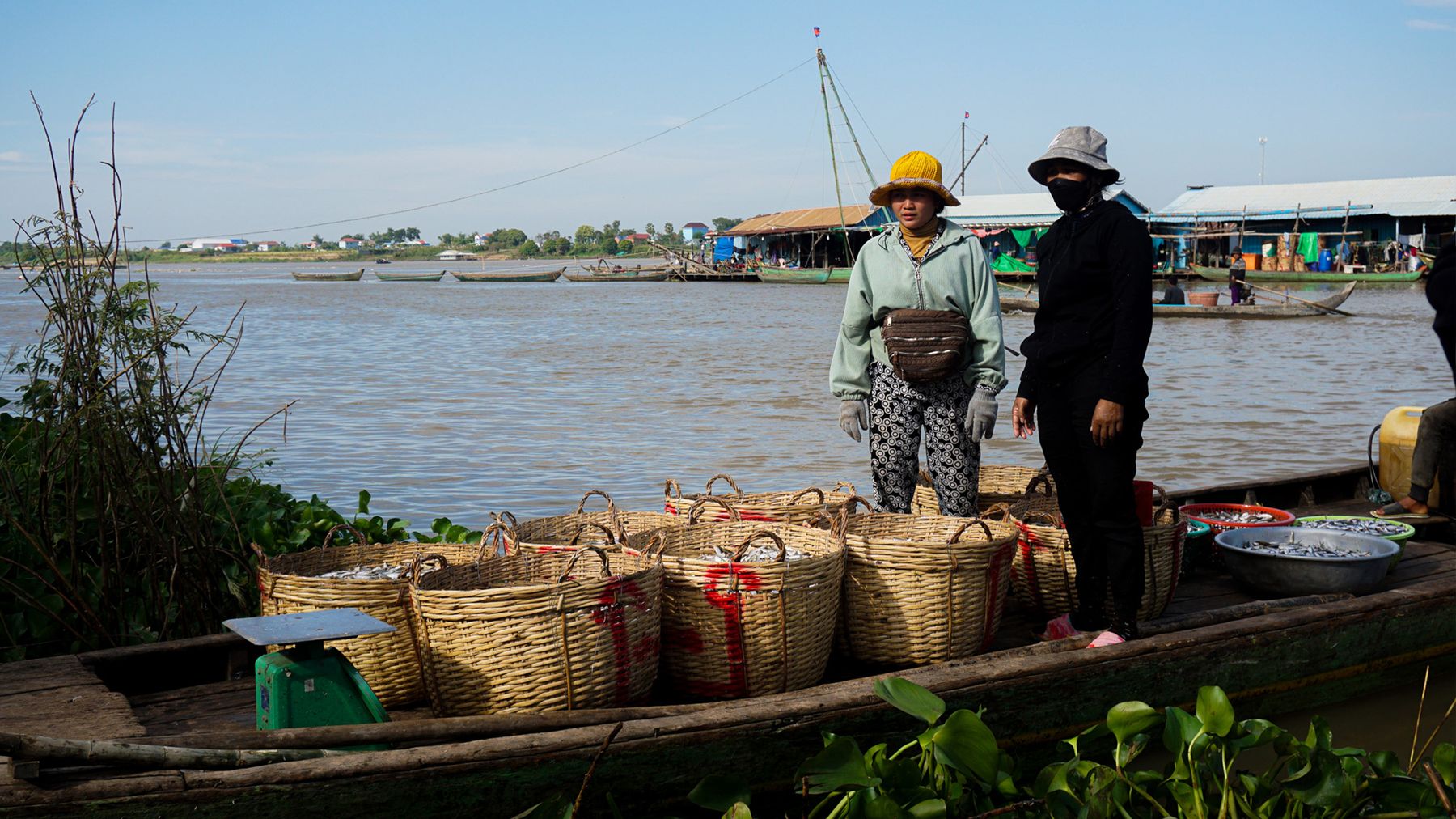
Photo by Khun Sodara on Pexels
How to order
Point to the fish. Say: "Goi ca linh" or "Mot goi ca linh" (one salad).
Vendors will ask:
- "Voi dau phong khong?" (With peanuts or not?)
- "Cay khong?" (Spicy?)
- "Co dau toi khong?" (With garlic?)
Simple answers: "Co" (yes), "Khong" (no). If you want medium spice, say "It cay" (a little spicy).
Most vendors will add herbs and dressing themselves. Don't request changes unless you have a strong preference; the formula works.
When to go
Morning (7 a.m.–11 a.m.): Best fish supply. All vendors are open. Less crowded than lunch.
Lunch (11:30 a.m.–1:30 p.m.): Peak eating time. Fish quality is still high, but you'll queue. Seats fill fast.
Afternoon (2 p.m.–5 p.m.): Most vendors close or are out of fresh fish. Avoid.
Evening (5 p.m.–7 p.m.): A few vendors reopen if they've restocked. Pho Vui and Binh open again. Quality is secondary; it's a lighter meal.
Avoid: Late evening (after 8 p.m.). Fish leftover from lunch is used; texture suffers.
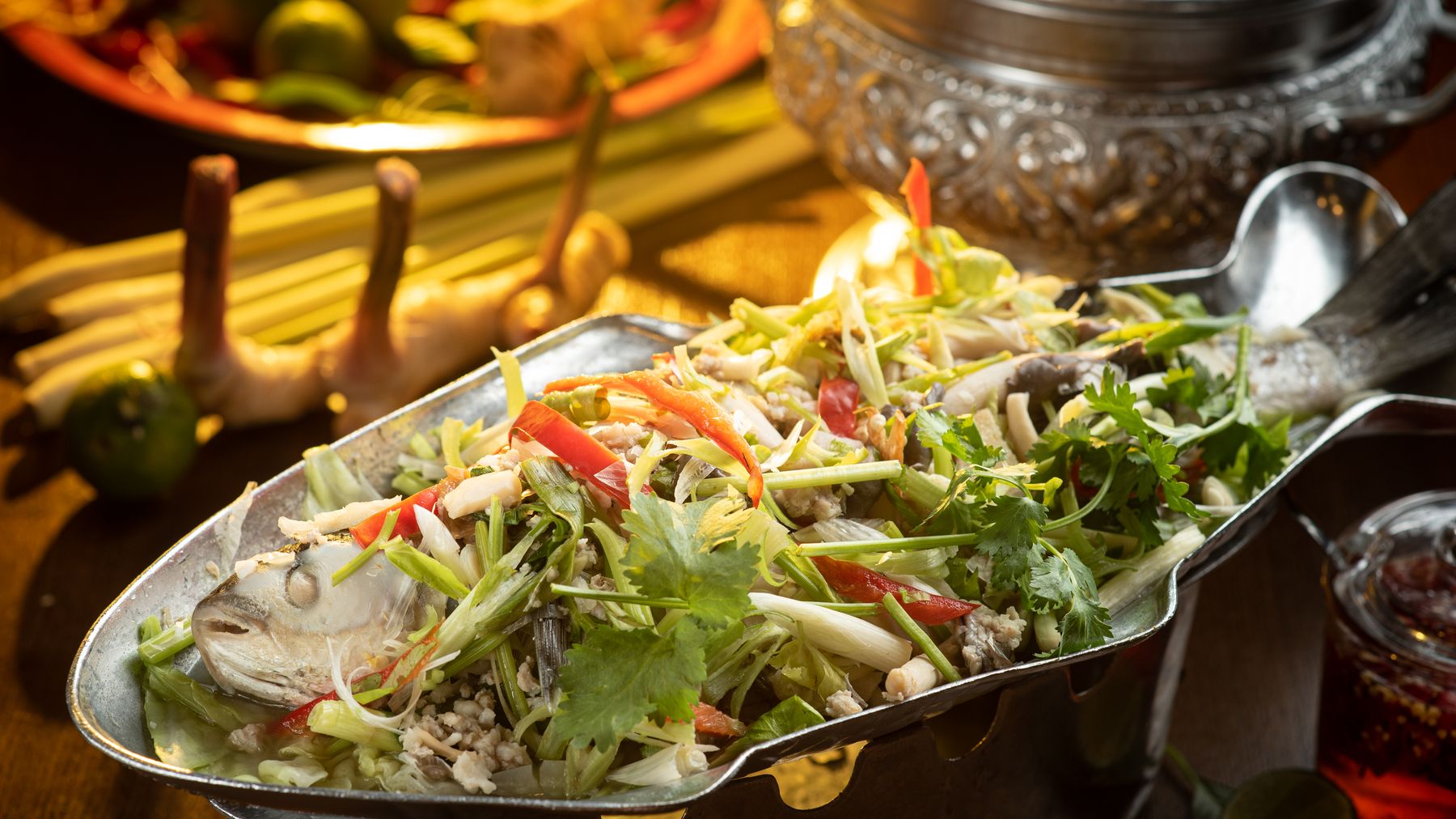
Photo by Sai Kuen Leung on Pexels
What to expect when you arrive
You'll sit on a plastic stool at a wobbly table. The vendor will bring a bowl of ice water (free). The salad comes in a shallow white bowl. Use a plastic spoon. Mix the lime juice and fish sauce around before eating. The fish should taste clean, slightly sweet, with a mineral edge from the lime. The herbs should dominate the back of your palate. If the fish tastes fishy or ammonia-like, something is off; push the bowl away and go elsewhere.
Cost for a full lunch: one bowl (75,000–95,000 VND) + a sugarcane juice or iced lemongrass tea (15,000–20,000 VND) = roughly 90,000–115,000 VND ($4–5 USD).
Practical notes
Go in the morning or midday. Bring small bills (vendors rarely break 200,000 VND notes). Don't order if the fish looks dull or smells ammoniac. Ask locals at your hotel for the current favorite; vendors open and close seasonally, and reputations shift fast.
Last updated · May 29, 2026 · independently researched, never sponsored.