Doi Da Phu sits about 25 km northeast of central Da Lat in the Lam Dong highlands — a broad, gently sloped hill blanketed in pine forest and wild grass that draws photographers, weekend campers, and anyone who wants the highland atmosphere without fighting for space at more established spots.
What it is
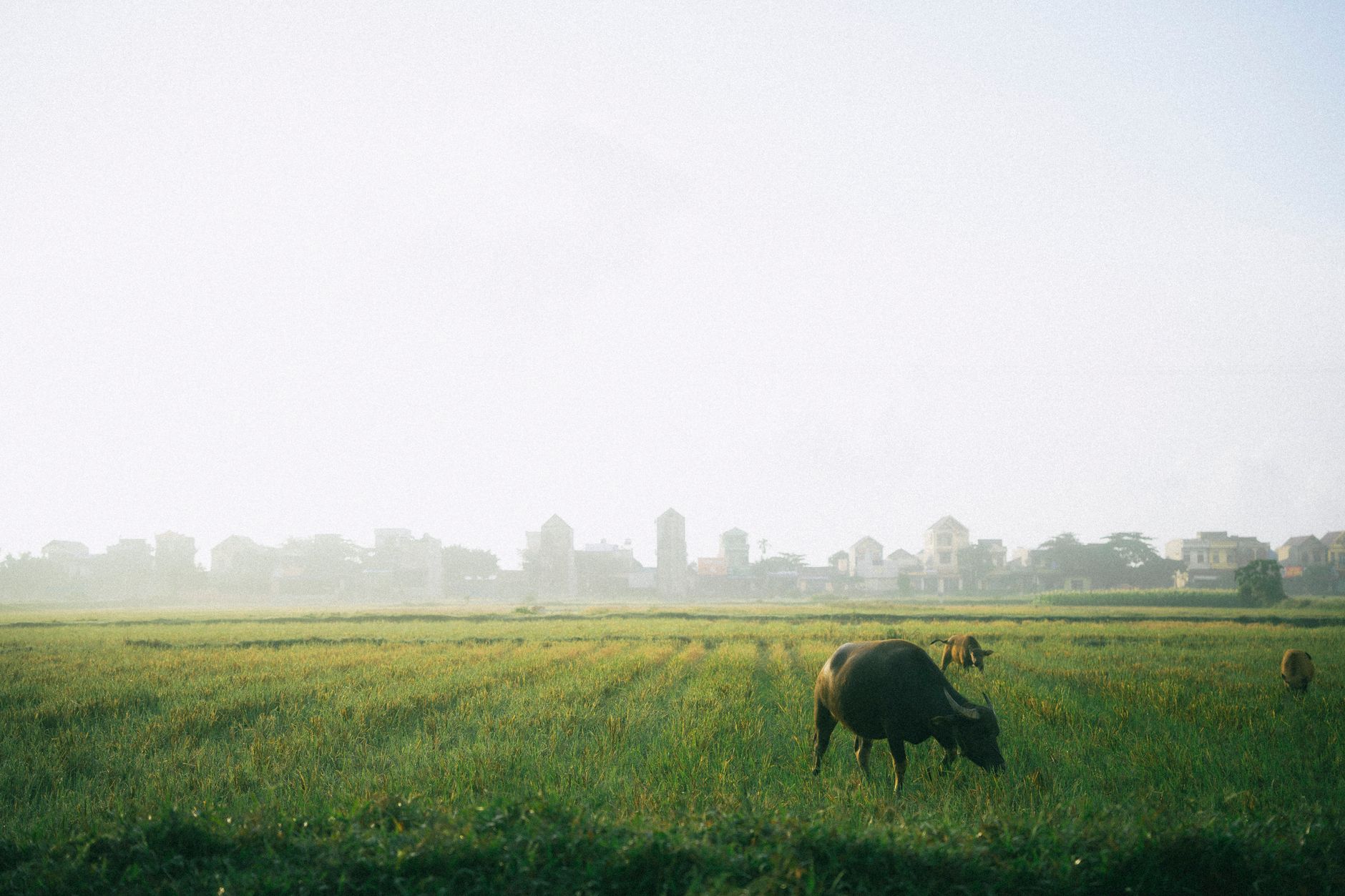
Doi Da Phu is not a formal tourist attraction with ticket counters and souvenir stalls. It's a natural hill — roughly 1,500 m elevation — covered in mature pine trees, patches of wild sunflowers (seasonal), and stretches of open grassland. The area has been used by local farmers for decades, and parts of the surrounding land are planted with coffee and tea. In recent years it's gained attention among Vietnamese travel communities for its photogenic landscape, particularly during golden-hour light when the pine shadows stretch long across the grass.
A quick geographic note: following the 2025 provincial merger, Lam Dong now encompasses the former Dak Nong and Binh Thuan provinces. For travelers, the area around Doi Da Phu hasn't changed — it's still firmly in the Da Lat (달랏 / 大叻 / ダラット) highland zone, and Da Lat remains your base city.
Why travelers go
People come here for the quiet. Da Lat's more famous pine hills — like the area around Ho Tuyen Lam or the Valley of Love — can feel overrun, especially on weekends and holidays. Doi Da Phu offers similar terrain with a fraction of the foot traffic. The open grasslands between the pine groves are genuinely pleasant to walk through, and on clear mornings you get wide views across the surrounding valleys and terraced farms.
It's also become a popular camping spot. The flat, grassy clearings are easy to pitch a tent on, and the temperature drops enough at night (15-18°C in dry season) that you'll actually want a sleeping bag — a novelty in southern Vietnam (베트남 / 越南 / ベトナム).
Best time to visit
The sweet spot is November through March, when the dry season keeps trails firm and skies clear. Mornings are cool, often misty, and the light is soft. December and January nights can drop to 12-14°C, which is ideal for camping.
Avoid June through September if you can. Afternoon rains are almost guaranteed, the trails get muddy, and the grass turns soggy. The hill is still accessible, but you'll spend more time waiting out showers than enjoying the views.
If you want wildflowers, aim for late October to mid-November — that's when the wild sunflowers ("hoa da quy") bloom across the highland roadsides and sometimes creep onto the hill's edges.
How to get there
From central Da Lat, Doi Da Phu is about 25 km by road, reachable in roughly 45 minutes by motorbike. Head northeast on QL20 (the main highway toward Duc Trong), then turn off onto a smaller provincial road — look for local signage or pin the coordinates on Google Maps before you leave, as the turnoff isn't well marked.
By motorbike: The most practical option. Renting a semi-automatic in Da Lat costs 120,000-180,000 VND/day. The road is paved most of the way, with a short stretch of packed dirt for the final 2-3 km.
By car/taxi: A private car or Grab from Da Lat runs about 350,000-500,000 VND one way. Ask the driver to wait — you won't find return transport at the hill.
By tour: A few Da Lat-based operators include Doi Da Phu in highland day trips, typically bundled with coffee plantation visits and other viewpoints. Expect to pay 400,000-600,000 VND per person for a group tour.

Photo by Quang Nguyen Vinh on Pexels
What to do
Walk the pine groves
The main draw. Follow the informal trails between the pine trees, moving from shaded forest into open grassland and back again. There's no fixed route — just wander. The terrain is gentle enough that you don't need hiking boots, though sturdy sandals beat flip-flops on the dirt paths. Allow 1-2 hours for a relaxed loop.
Camp overnight
Bring your own gear or rent from one of the outdoor shops on Nguyen Van Troi street in Da Lat (tent rental runs about 150,000-250,000 VND/night). Pick a flat clearing among the pines, set up before dark, and cook on a portable stove. There are no facilities — no toilets, no water taps — so pack in everything and pack out your trash.
Catch sunrise
If you camp, set an alarm. The mist rolling through the pines at first light is the single best visual experience the hill offers. Position yourself on the eastern slope for the widest view.
Visit a nearby coffee farm
The surrounding area is planted with robusta and some arabica coffee. A few smallholders are happy to show visitors around if you ask politely — this isn't a formal agritourism setup, so don't expect English signage. Buy a bag of their beans (50,000-80,000 VND/kg for robusta) as a thank-you. If you're a vietnamese coffee enthusiast, tasting beans straight from a highland farm puts the supermarket stuff in perspective.
Photograph the golden hour
Late afternoon light filtering through the pines is the reason half the Vietnamese Instagram posts about this place exist. The hour before sunset is prime time.
Where to eat nearby
There are no restaurants at the hill itself. Eat before or after in Da Lat, or bring food.
Back in town, don't skip "banh canh" — Da Lat's version uses thick tapioca noodles in a pork-bone broth, often with crab. Stalls along the Nha Chung area serve bowls for 35,000-50,000 VND. For something more substantial, a plate of "com tam" with grilled pork from the small rice shops near Da Lat Market makes a solid pre-hike meal at 40,000-55,000 VND.
Da Lat is also one of the best places in Vietnam for egg coffee — several cafes in the center do their own highland spin on the Hanoi original.
Where to stay
Stay in Da Lat and day-trip to Doi Da Phu — there's no accommodation at the hill.
- Budget: Hostels and guesthouses in central Da Lat start at 150,000-250,000 VND/night for a dorm bed or basic private room.
- Mid-range: Boutique hotels and homestays in the 500,000-900,000 VND range are plentiful, many with valley views.
- Splurge: A few resort-style properties on the outskirts run 1,500,000-3,000,000 VND/night.

Photo by Quang Nguyen Vinh on Pexels
Practical tips locals would tell you
- Bring layers. Even in dry season, mornings and evenings are cool. A light jacket is non-negotiable.
- Carry water and snacks. There is nothing to buy at the hill. One liter per person minimum.
- Charge your phone fully. You'll want GPS to find the turnoff, and cell signal is patchy on the hill itself.
- Tell someone your plan. If you're camping solo, let your hotel know where you're headed. The area is safe, but it's remote.
- Respect the land. Some of the surrounding area is actively farmed. Don't trample crops or leave trash behind. The hill stays nice only if visitors treat it that way.
Common mistakes to avoid
- Going on a holiday weekend. Vietnamese long weekends (especially around Tet / 越南春节 / テト) or the April 30 holiday) bring crowds even to lesser-known spots. Weekdays are dramatically quieter.
- Wearing flip-flops. The dirt paths are uneven in places, and morning dew makes the grass slippery.
- Expecting facilities. No toilets, no trash cans, no cafe. Plan accordingly.
- Driving up after dark. The final stretch of road is unlit and poorly marked. Arrive before sunset or leave it for morning.
Practical notes
Doi Da Phu works best as a half-day side trip from Da Lat or an overnight camping excursion. It's not a destination that justifies rearranging your whole itinerary, but if you're spending two or more days in Da Lat and want open space away from the town's increasingly commercial vibe, it delivers. Pair it with a drive through the highland countryside and you've got a genuinely pleasant day.
Last updated · May 29, 2026 · independently researched, never sponsored.