What it is
Chua Kh'Leang is a Khmer Theravada Buddhist pagoda sitting on a quiet stretch of land in what was formerly Soc Trang province — now part of the expanded Can Tho administrative area following the 2024 merger. The pagoda dates back roughly five centuries, making it one of the oldest Khmer religious sites in the Mekong Delta (메콩 델타 / 湄公河三角洲 / メコンデルタ). Unlike the more photographed Khmer pagodas further south, Kh'Leang sees relatively few international visitors despite being architecturally significant: tiered roofs with "naga" serpent finials, gilded Buddha statues, and murals depicting Jataka tales line the main worship hall.
The name "Kh'Leang" comes from the Khmer word for storehouse — oral history says the site once served as a community granary before becoming a place of worship. The current structure has been rebuilt and restored several times, most recently in the early 2000s, but the layout and artistic traditions follow centuries-old Khmer temple conventions.
Why travelers go
Most people visit Can Tho (껀터 / 芹苴 / カントー) for the floating markets. Chua Kh'Leang offers something different: a look at the Khmer communities that have lived in the delta for generations, long before the tourist boats started running at Cai Rang. The pagoda compound is genuinely peaceful — monks in saffron robes, frangipani trees, a small museum room with palm-leaf manuscripts. It's the kind of place where you sit on a bench for twenty minutes and nobody tries to sell you anything.
For architecture nerds, the main hall ("vihara") is worth the trip alone. The roof ornamentation is distinctly Khmer — multi-headed nagas, "garudas", and "apsaras" carved into wood and painted in deep reds and golds. It looks nothing like the Mahayana or Taoist temples you'll find elsewhere in the delta.
Best time to visit
The pagoda is open year-round, but timing matters.
- Early morning (6:00–8:00 AM): Monks chant, light is soft, compound is empty. Best for photos and atmosphere.
- Khmer New Year (mid-April): The pagoda transforms — processions, traditional dance, offerings. Expect crowds of local Khmer families, which is part of the appeal.
- Ok Om Bok festival (usually November): Moon worship festival with boat racing on nearby waterways. The pagoda hosts prayers and communal meals.
- Rainy season (June–October): Afternoon downpours are short but heavy. Morning visits still work fine. The grounds look greener.
Avoid midday any time of year — the delta heat between 11:00 and 14:00 is punishing, and there's limited shade in the outer compound.
How to get there
From central Can Tho (Ninh Kieu district), Chua Kh'Leang is roughly 30 km southeast along Highway 1A toward the former Soc Trang area. Options:
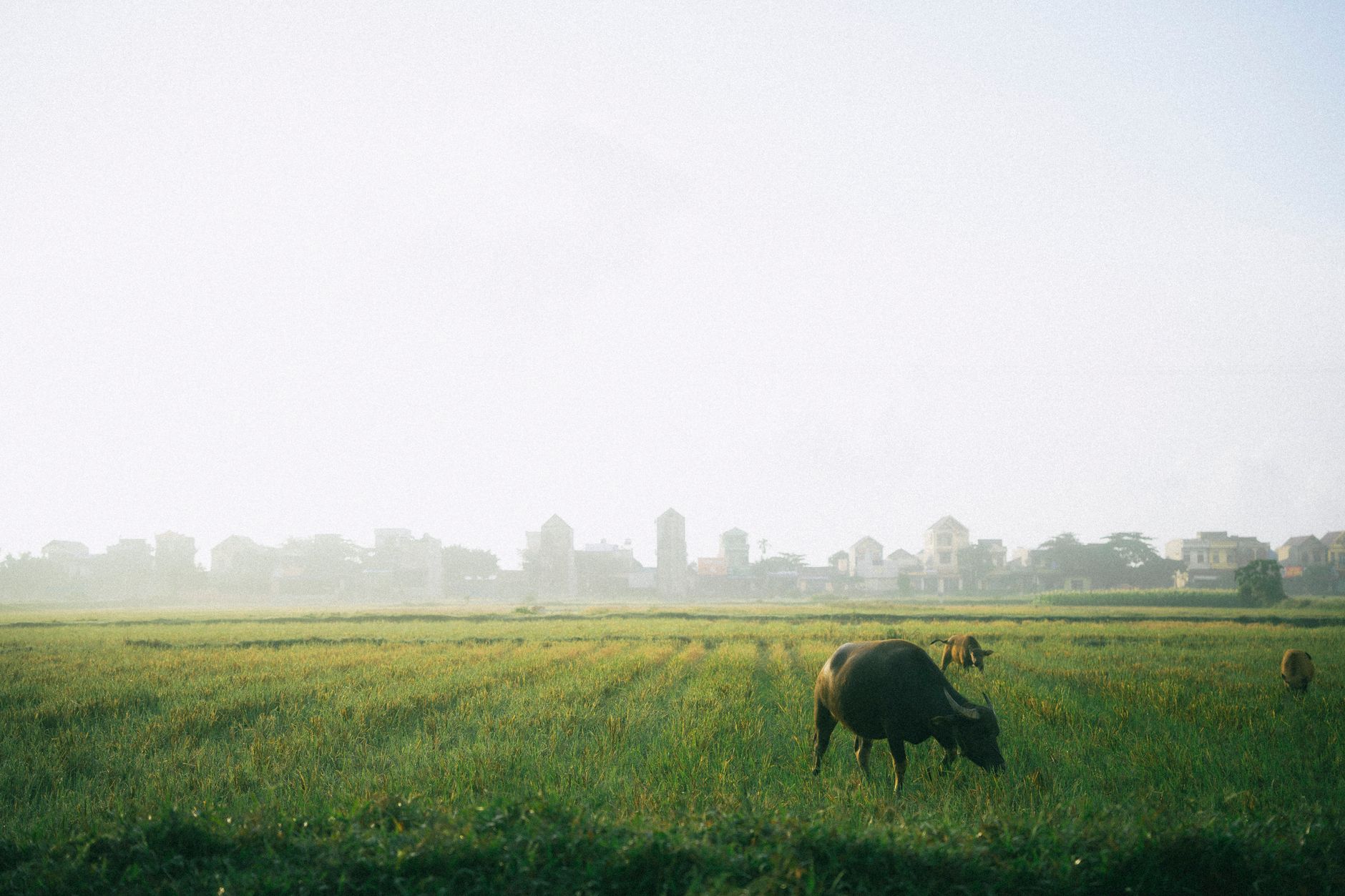
- Motorbike: The most flexible. Rent from your hotel (150,000–200,000 VND/day) and ride QL1A south. The road is flat, well-paved, and passes through rice paddies. Takes about 40 minutes without stops.
- Grab/taxi: A Grab car runs 180,000–250,000 VND one way. Agree on a wait-and-return fare if you don't want to hunt for a ride back — drivers are scarce near the pagoda.
- Local bus: Buses run from Can Tho central bus station toward Soc Trang town. Ask to be dropped at the Kh'Leang junction. Fare is under 30,000 VND but schedules are irregular.
There's no entrance fee. A small donation box sits near the main hall — 20,000–50,000 VND is typical.

Photo by Valeria Drozdova on Pexels
What to do
Walk the main worship hall
Remove shoes at the entrance. The interior has three main Buddha statues — past, present, and future — flanked by smaller figures. Look up: the ceiling murals are the highlight, depicting scenes from the Buddha's previous lives in a folk-art style unique to delta Khmer communities.
Visit the monks' quarters and library
Behind the main hall, a smaller building houses palm-leaf manuscripts and old photographs. If a monk is present and approachable (they usually are), ask about the manuscripts — some date back 200 years. Communication is often possible in basic Vietnamese or simple English.
Explore the grounds
The compound includes a cremation tower ("meru"), a bodhi tree said to be grown from a Sri Lankan cutting, and several smaller shrines. A 15-minute loop covers everything without rushing.
Attend a ceremony
If you visit on a Buddhist holy day ("ngay ram" — the 15th of the lunar month), you can observe the morning ceremony. Sit quietly at the back. No photography during active prayer.
Where to eat
The pagoda area doesn't have tourist restaurants, but food is close:
- Roadside "hu tieu" stalls along QL1A serve the southern-style clear pork broth noodle soup for 25,000–35,000 VND. This is hu tieu country — the delta version uses more pork bone and fried shallots than what you'll find in Saigon.
- "Bun nuoc leo" — a Khmer-influenced fish curry noodle soup — appears at small shops near the pagoda. Ask locals for the nearest bowl; it's the regional specialty and rarely found outside the Soc Trang/Can Tho area.
- Back in Can Tho proper, Ninh Kieu waterfront has dozens of options. Try "com tam" plates at the stalls near the old market, or head to Hai Ba Trung street for grilled seafood with cold beer.
Where to stay
There's no accommodation near the pagoda itself. Base yourself in Can Tho's Ninh Kieu district:
- Budget (300,000–500,000 VND): Guesthouses on Hai Ba Trung and De Tham streets. Basic but clean, usually with motorbike parking.
- Mid-range (700,000–1,200,000 VND): Boutique hotels along the riverfront with views of the Hau River. Book directly for better rates.
- Splurge (1,500,000+ VND): A couple of international-brand hotels sit along Tran Hung Dao boulevard. Pool, breakfast buffet, the usual.

Photo by Serg Alesenko on Pexels
Practical tips
- Dress code: Cover shoulders and knees. This is an active monastery, not a museum. Sarongs are not provided — bring your own cover-up.
- Photography: Allowed in the grounds and exterior. Ask before shooting inside the main hall, especially if monks are present.
- Language: Vietnamese works. Some older monks speak Khmer primarily. English is limited — a translation app helps.
- Combine with: Cai Rang floating market (early morning, then drive south to the pagoda mid-morning) or a day trip that also includes Nga Nam floating market further into the former Soc Trang area.
Common mistakes
- Showing up at noon: The heat flattens you and the compound feels dead. Morning or late afternoon only.
- Not bringing water: There's no shop inside the compound. Buy bottles at the roadside stalls before entering.
- Rushing it: People allocate 20 minutes and miss the library, the grounds, the quiet. Give it at least an hour.
- Confusing it with Chua Doi (Bat Pagoda): Another famous Soc Trang-area pagoda about 15 km away. They're different sites — you can visit both in a half-day if you have wheels.
Final note
Chua Kh'Leang won't make anyone's top-ten Instagram list, and that's precisely why it's worth the ride from Can Tho. It's a functioning religious site with real history, real community, and none of the performance that comes with heavy tourism. Bring water, wear long pants, and leave your expectations at the gate.
Last updated · May 29, 2026 · independently researched, never sponsored.