The Hoi An Difference
If you've had "hoanh thanh" elsewhere in Vietnam (베트남 / 越南 / ベトナム), Hoi An's take might surprise you. The wontons here are noticeably smaller — almost thumb-sized — with thinner, more translucent wrapper and a lighter pork-shrimp filling. The broth is cleaner too: chicken-based rather than the heavier pork stock you find up north. Locals call it refined, though it's really just a reflection of Hoi An's broader food culture — less is more, execution over volume.
This isn't accidental. Hoi An (호이안 / 会安 / ホイアン)'s merchant class had money and trade connections; the town's food tradition reflects both that refinement and influence from Chinese traders who settled here centuries ago. You taste it in the "hoanh thanh" — they're almost dainty by Vietnamese standards.
Where to Go
Hoanh Thanh 1 (Cao Thang Street)
This is the spot everyone mentions first. Small storefront, no signage you'll recognize unless you read Vietnamese — just "Hoanh Thanh" painted on the window. Opens around 6:30 a.m., closes by 9 or 9:30 a.m. Peak time is 7–8:30 a.m. A bowl (usually 10–12 wontons) costs 40,000–50,000 VND. The wontons here are hand-wrapped every morning; you can watch them fold and drop them into the pot. Broth tastes like it's been simmered overnight. Come early or you'll hit a queue of schoolkids and cyclo drivers. No English menu — point and nod, or just say "mot tia hoanh thanh" (one bowl of wontons).
Phuong's Hoanh Thanh
Smaller operation, run by a woman named Phuong for over a decade. Located down a side alley off Tran Hung Dao Street (ask a local, it's easy to miss). Opens 6 a.m., closes when she runs out — usually by 8:30 or 9 a.m. Bowl is 35,000–45,000 VND depending on size. What sets Phuong's apart: she adds a pinch of sesame oil to the broth, and she serves them with a small dish of chili and vinegar on the side (which most other spots don't). The wontons themselves are slightly meatier than Hoanh Thanh 1, with a noticeable shrimp taste. This is a locals-only spot; almost no tourists know about it.
Hoanh Thanh Com (Breakfast + Rice Bowl Combo)
Located on Nguyen Trai Street near the market. Opens 6 a.m., runs until around 10 a.m. This one does "hoanh thanh com" — a rice bowl topped with braised pork belly, crispy shallots, and served with a side bowl of wontons in clear broth. About 55,000–65,000 VND. It's heartier than a pure "hoanh thanh" bowl, meant for people who want a more substantial breakfast. The broth here is lighter, almost delicate — you're eating the wontons more for their texture than a deeply flavored soup.
Market Stall (Hoi An Central Market)
Inside the wet market (Cho Hoi An), there are 2–3 carts that sell "hoanh thanh" during morning hours (5:30–8 a.m.). Prices are lower — 30,000–40,000 VND — but quality varies. The safest bet is the cart run by an older woman with a blue umbrella (she's there most mornings). Wontons here are decent but less delicate than the dedicated shops; the broth tastes like it's shared across multiple broths (pho, sour soup, etc.), so it carries some cross-flavoring. Go if you're hunting for value; skip if you want the cleanest version.
Quang's Hoanh Thanh (Lunch Service)
Most "hoanh thanh" spots close by 9 or 10 a.m. Quang's is unusual because they reopen at 11:30 a.m. and serve through 2 p.m. — catching the late-breakfast or early-lunch crowd. On Phan Dinh Phung Street. Bowl is 45,000–55,000 VND. The wontons taste slightly different at lunch (broth is fresher, less reduced), so it's a different experience than morning. Quality is solid; not quite as refined as Hoanh Thanh 1, but reliable and less crowded.

Photo by Quang Nguyen Vinh on Pexels
How to Order & When to Go
Most "hoanh thanh" spots are morning-only operations. Aim for 7–8 a.m. if you want a full, fresh pot. By 8:30 a.m., some places are running on their second or third batch; by 9 a.m., many are cleaned out or stretching the last of the broth.
Order one of two ways: hold up one finger and say "mot tia" (one bowl), or specify the size — "tia lon" (big bowl, usually 12–15 wontons) or "tia nho" (small bowl, about 8–10). Most places will give you extra condiments: a small plate with lime wedges, chili peppers, and a dipping sauce (usually soy-based). Squeeze lime into the broth, add chili to taste, and break a pepper or two into the sauce.
If you arrive after 9 a.m., you're rolling the dice. Some places keep a small pot warm for stragglers, but you'll be eating wontons from the tail end of the morning service — they'll have absorbed more broth and lost some of their delicate wrapper snap.
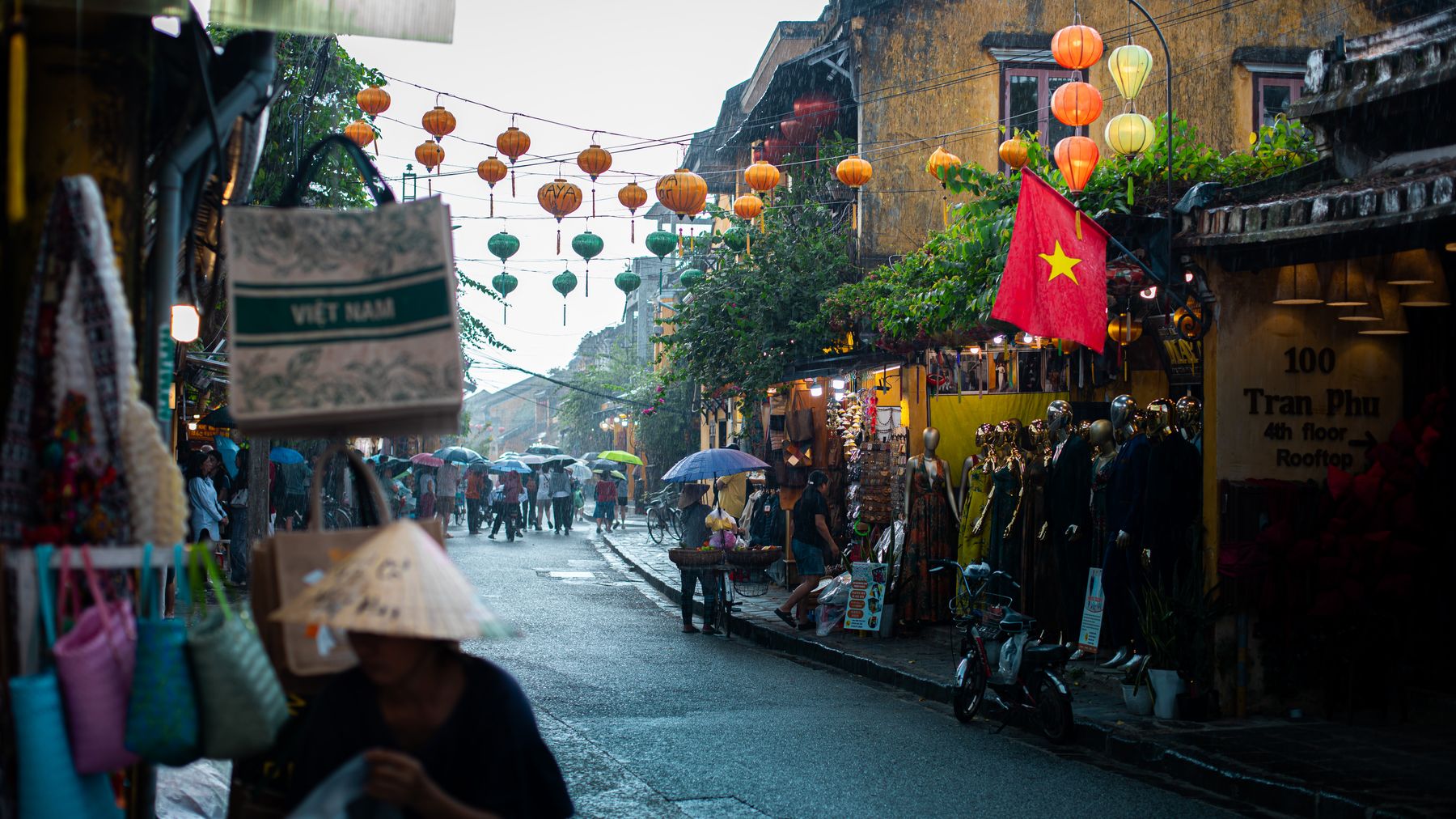
Photo by Sachith Ravishka Kodikara on Pexels
What Makes Hoi An's Version Stand Out
In Hanoi, "hoanh thanh" tends toward larger wontons, chewier wrappers, and a richer pork broth. In Saigon, they're often stuffed more generously and served in a broth that's almost creamy from the fat content.
Hoi An strips away excess. The wontons are smaller, lighter in hand. The broth is chicken or mixed chicken-pork, which means it's cleaner-tasting — you're not drowning in pork. The wrapper is almost translucent if you hold it up to light, a sign it's rolled thin and fresh. It's the kind of thing that takes more skill to execute than it appears: thinner wrappers tear easier, so every fold has to be precise. Lighter fillings demand better-quality ingredients because there's nowhere to hide. It's a dish that rewards paying attention.
Practical Notes
Bring cash — none of these spots take cards. A bowl plus condiments should run 35,000–65,000 VND depending on the spot and size. Eat standing or perched on a low plastic stool; most stalls are casual. And get there early. Hoi An's best "hoanh thanh" are morning food, eaten by locals before work or school. By 9:30 a.m., the ritual is over.
Last updated · May 26, 2026 · independently researched, never sponsored.