
Lam Dong is not one place—it's a province shaped by altitude, mist, and economy. Da Lat is the anchor, but the valleys around it, the coffee farms, the waterfalls, and the French-era villas offer more texture than the city centre alone. This guide splits the genuinely useful stops from the tourist-trap heritage sites.
The core: Da Lat and why you're really here
Da Lat (달랏 / 大叻 / ダラット) sits at 1,500 m, so the air is cool (even in summer), the light is soft, and the pace is slower than Hanoi or Saigon. That's the whole point. The town itself—with its pastel villas, flower gardens, and quiet lakes—is pleasant but not essential. You'll spend a morning wandering Xuan Huong Lake or the backpacker strip on Hang Vuong Street and that's enough.
What matters is the context: you're in a place where French colonials built a hill station, where coffee grows well, where old money built second homes, and where the air smells different. Use the city as a base, not a destination.
Day trip 1: The Dalat Plateau coffee farms
Lam Dong grows about 40% of Vietnam (베트남 / 越南 / ベトナム)'s coffee. The farms around Thuan Chau and Cau Dat (15–20 km south and east of Da Lat) are working plantations, not museums. Most visitors don't go.
Walk between the coffee plants in early morning or late afternoon. The valleys open up—you see terraces dropping to lower elevations, mist in the folds. A few small farms offer basic tastings: fresh coffee picked that morning, roasted on-site, brewed in a metal filter. Cost: 50,000–100,000 VND per visit. Bring a decent camera; the light here is soft and the lines of plants are orderly in a way that photographs well.
Skip the "Coffee Museum" in Da Lat town (overpriced, synthetic, full of tour groups). Go to an actual farm instead.
Day trip 2: Waterfalls and valleys
Three waterfalls are reachable and worth the 30–60 minute drive from Da Lat:
Datanla Waterfall (10 km south) has a decent drop and a zipline installed across the gorge. Entrance is 50,000 VND. The waterfall itself is real; the touristy overlay (cable car, souvenir stalls) is light compared to similar sites. If you're in Da Lat and want to swim, this is a valid option. Avoid midday when tour buses cluster.
Prenn Waterfall (12 km south) is smaller but the walk through the valley is more interesting. You cross a bamboo bridge and the stream narrows. Entrance is 30,000 VND. The water is cold. Go early or late.
Ankroet Waterfall (25 km south, toward Thuan Chau) is the least visited. It's a harder walk (45 minutes on rough terrain), and the waterfall is modest, but the forest around it is genuine—no manicured paths. You'll see very few other tourists. Local guides from Da Lat can arrange transport and accompany you for about 1.5 million VND for a group of 3–4.
Trekking and hiking
Langbian Peak (10 km south): a 2,169 m summit with views across the plateau. The hike is 4–5 hours round trip, steep in sections, and the final push is a scramble over loose rock. Start at dawn; the mist clears by 8–9 a.m. and you'll see valleys opening below. Cost for a local guide: ~500,000 VND half-day. This is legit hiking, not a stroll.
Bidoup-Nui Ba National Park (40 km southwest): forested mountains, granite peaks, and streams. Most of the park requires permits and guides. A few trails are open: the "Silver Waterfall" walk (2 hours) is moderate and accessible without a guide. The park entrance is 35,000 VND. The forest canopy is dense; if it rains (common in afternoon), trails become slippery.

Photo by Hồng Quang Official on Pexels
Hidden cultural experience: Chicken village and fruit farms
Surround Da Lat are small villages where people grew up in hill-station service economies. Thung Lung Chicken Village (15 km south) is a tiny settlement famous for a specific style of roasted chicken (ga Thung Lung). Small family-run stalls serve it with rice or "banh mi" from wood-fired ovens. A whole chicken costs 120,000–150,000 VND. You eat standing or sitting on plastic stools, often with farm families. It's not scenic, but it's real. Tourist groups rarely come here.
Nearby are small fruit farms (strawberries, avocados, passion fruit) that sell direct. Pick your own, pay by weight. A few have shaded areas and simple refreshments.
The French quarter and villas
Walking Hang Ngang, Duong Thong Nhat, and Phan Dinh Phung you'll see colonial villas with pitched roofs and peeling paint. Some are museums; most are private homes. The architecture is readable—French provincial style adapted to tropical climate. No entrance fee; you're just looking at the outside. The Palace of the Former Governor-General (30 km west in Thai Nguyen District, technically outside Da Lat proper) is a larger example, but it's remote and requires a full day trip.
Skip the "Da Lat French City" heritage tour sold in hotels. Just walk on your own and photograph what catches your eye. It's free and you're not corralled.
Street food and eating
"Banh canh" (tapioca-flour noodle soup) and "com tam" (broken-rice) are staple breakfasts. You'll find them at hole-in-the-wall stalls on Hai Ba Trung and Thang Loi streets for 20,000–30,000 VND. Da Lat is also known for vegetables (lettuce, tomato, greens) because of the cool climate—salads and simple vegetable dishes are fresh and common.
Evening: the backpacker strip on Hang Vuong has cheap beer, traveller food, and a social scene. Local bia hoi (draught beer) costs 10,000–15,000 VND per glass. If you're solo, it's a place to meet other travellers; if you're not, eat elsewhere.
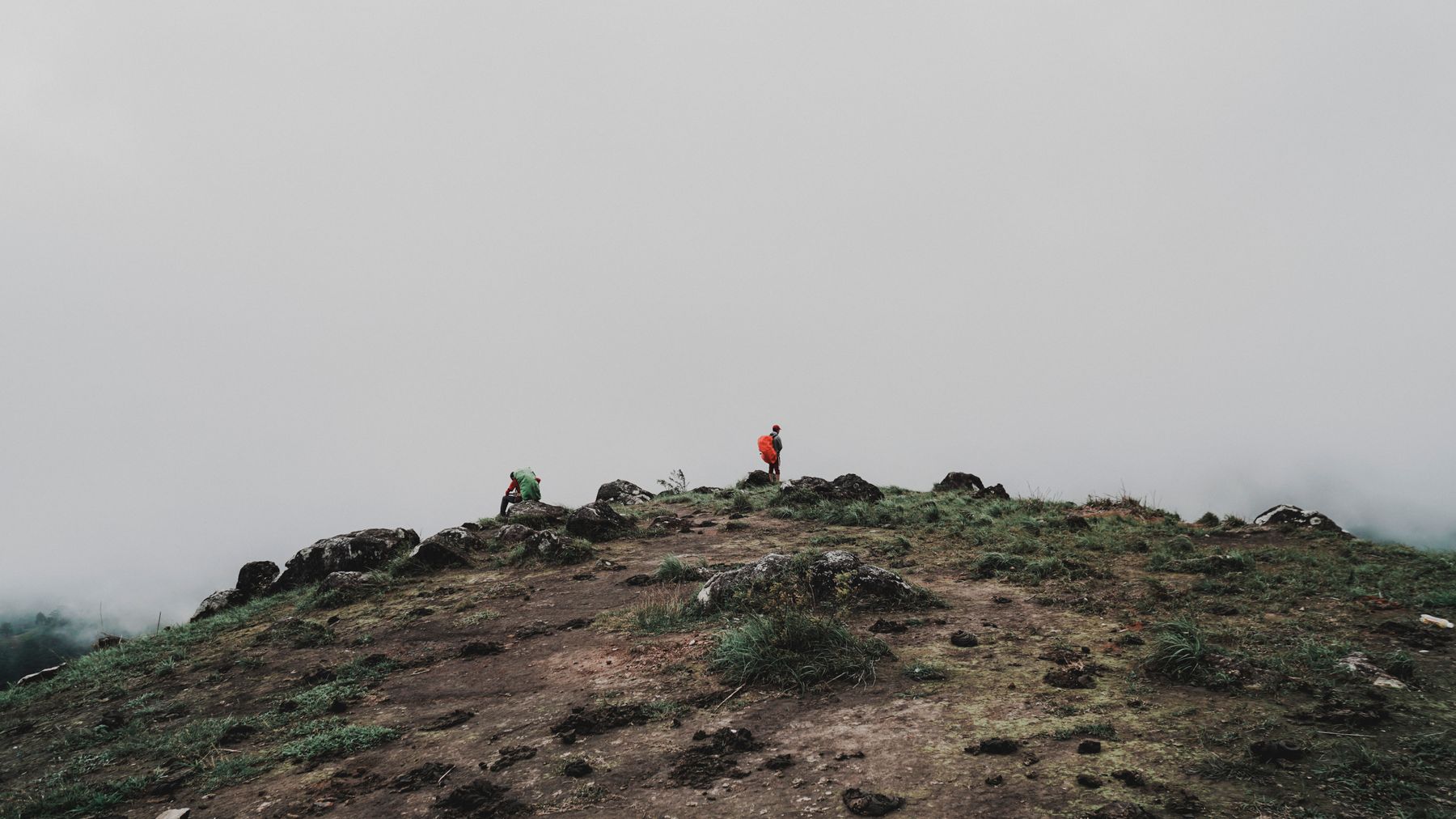
Photo by mk Tran on Pexels
What to skip
Dalat Flower Festival (if you're not visiting December): peak crowds, inflated prices, nothing you can't see year-round in the gardens.
Dalat Tram Station (old train station): a yellow colonial building that's been converted to a museum/café. Tourists flock here for photos. The building is photogenic from the outside; don't pay to go inside.
Hang Mua (Crazy House): a grotesquely themed guest house designed to look like a haunted mansion. It's a novelty designed for Instagram. If you're staying elsewhere, skip it.
Pongour Waterfall (50 km south): heavily developed with cable cars and tile paths. The waterfall is real but the vibe is tour-group theme park.
Day-trip from Da Lat: Thac Voi (Elephant Waterfall)
About 30 km south, Thac Voi is a two-tier waterfall with a base pool. It's a 20-minute walk from the car park and the water is often cold enough to swim. Entrance is 40,000 VND. It's less crowded than Datanla and the setting is more natural. Go midweek; weekends draw domestic tourism.
Getting around Lam Dong
Da Lat is compact and walkable for the city centre. For outside trips, hire a motorbike (200,000–300,000 VND per day), grab a hired driver/guide (1–1.5 million VND per day), or book a tour through your guest house (though these are often packaged with tourist traps). If you hire a bike, the roads are good and driving is straightforward; the main routes to waterfalls and farms are well-marked.
Buses from Saigon (4–5 hours) and Nha Trang (2.5 hours) run daily. Train service exists but is slower and less reliable than buses.
Practical notes
Da Lat's best season is November to January (cool, low rain). May to September is rainy and cloud-heavy; visibility drops but the greenery is vivid. Book accommodation in advance during Tet / 越南春节 / テト) and December holidays, or expect to pay a premium. A typical 2–3 day itinerary covers Da Lat city + one waterfall + one hike or farm visit. Lam Dong is not a place to rush; the value is in slow mornings and afternoon walks, not a checklist.
Last updated · May 29, 2026 · independently researched, never sponsored.





