This 72-hour loop covers two of Central Vietnam (베트남 / 越南 / ベトナム)'s best food destinations without rushing. You'll eat "mi quang", take a cooking class, and chase lantern light through Hoi An's night market—realistic pacing, minimal backtracking.
Day 1 — Da Nang: Beach, Marble, Fire
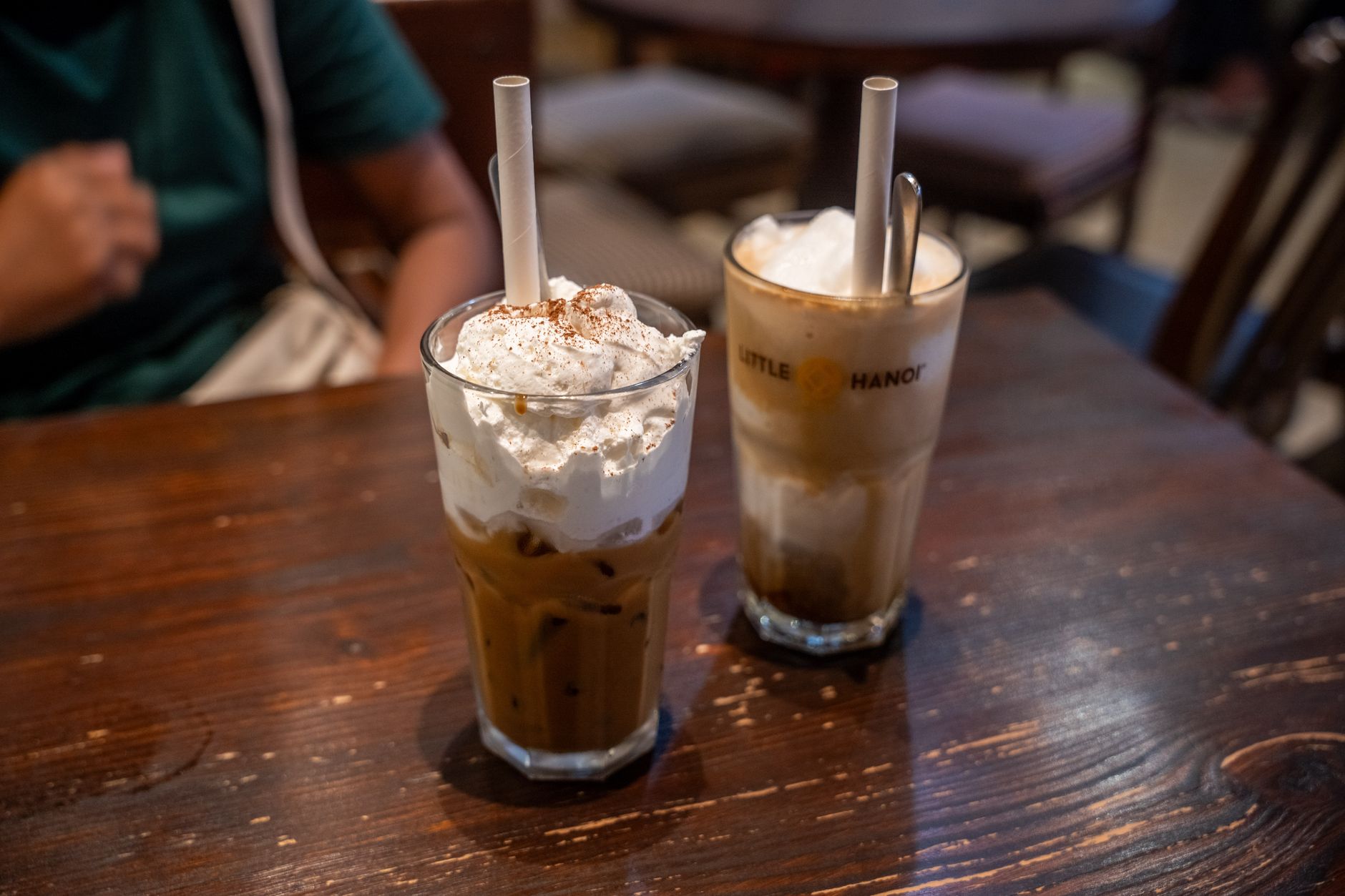
Start early at My Khe Beach. Arrive by 6am if you want stillness; by 7:30am the vendors and locals are thick. Swim for 45 minutes, then walk the promenade north toward the pier. Grab coffee from one of the beachfront stalls—expect instant coffee with condensed milk, roughly 20,000 VND.
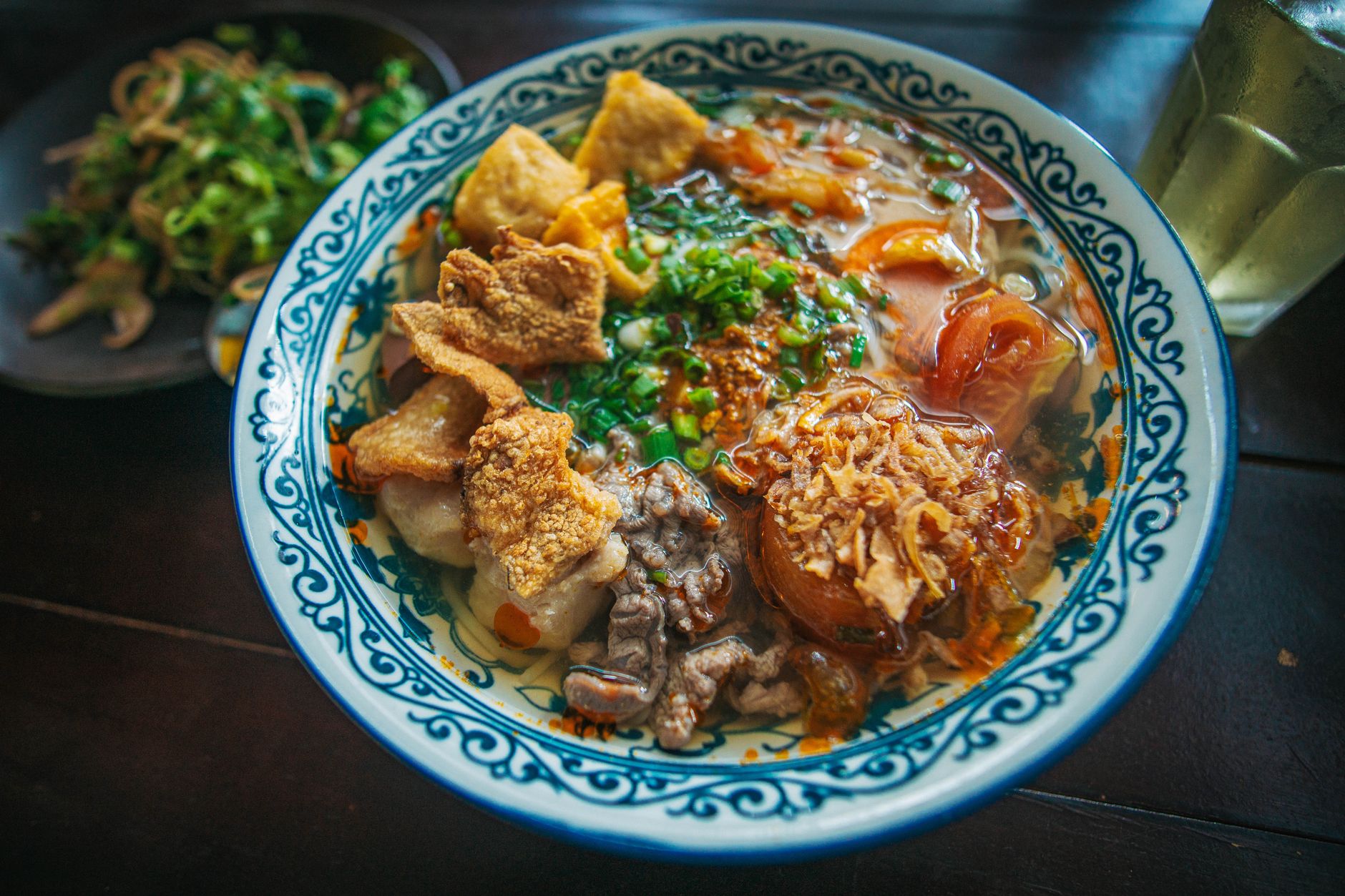
By 10am, head to a "mi quang" specialist. Banh Hoai at 42 Vo Van Kiet is reliable but touristy; the real move is a small vendor on Tran Phu Street near the flower market (no signage, open 10am–1pm, 25,000 VND per bowl). "Mi quang" is turmeric noodles topped with pork, shrimp, peanuts, and fresh herbs—distinctive and messy. Eat standing at a plastic stool.
After lunch, rest at your hotel until 2pm. Then head to Marble Mountains (Ngu Hanh Son), about 3km south. Entrance is 40,000 VND. Climb the 150-odd steps to the marble quarry and caves (Huyen Khong Cave is the largest). The views of Da Nang city and coastline justify the sweat. Descend by 4:30pm.
Dinner is banh hoi at Kim Lien on Nguyen Hue Street. This is crispy, thin "banh hoi" with shrimp and pork, rolled with fresh herbs and dipped in fish sauce. About 60,000 VND for two. Eat around 6:30pm.
By 8pm, post up on the Han River at Dragon Bridge (Cau Rong). The bridge's fire-breathing light show runs 9–9:15pm nightly (free viewing from the riverside promenade). It's touristy, yes, but the engineering is genuinely odd. Watch from the grass near the modern art museum.
Day 2 — Hoi An Old Town: Cooking, Banh Mi, Lanterns
Drive to Hoi An (30km, 45 minutes). Check into your hotel by 11am. Grab a quick "banh mi" from Banh Mi Phuong on Tran Hung Dao Street (around 35,000 VND). This stall is famous—a crusty baguette loaded with pate, cold cuts, pickled daikon, cilantro, and chili. The queue is inevitable; arrive at 11:15am or after 2pm to skip the midday crush. The owner's family has been making it since the 1950s.
After lunch, book a half-day cooking class (2–5pm). Red Bridge Cooking School is the big name, but it's pricey (around 880,000 VND per person). Simpler option: many guesthouses arrange ad-hoc lessons with local women. Ask your host—you'll cook "banh cuon" (steamed rice-paper rolls), "goi cuon" (fresh rolls), and a curry for roughly 300,000 VND. These happen in a home kitchen, not a tourism stage.
By 5pm, wander Hoi An's Old Town. The assembly halls (built by Chinese merchant guilds) and tube houses are free to explore. The Japanese Covered Bridge (admission 30,000 VND, combined with other ticket) is less interesting than the street itself.
Dinner: "cao lau" at a hole-in-the-wall on Tran Phu Street. This is chewy, thick noodles (made only in Hoi An (호이안 / 会安 / ホイアン), legend has it) tossed with broth, pork, cracklings, and greens. A bowl costs 35,000 VND. Eat around 6:30pm.
By 8pm, hit Hoi An's night market. The ancient lantern-light atmosphere is real—thousands of silk lanterns hang from shop fronts and street stalls. Walk Tran Phu and Bach Dang streets. Stop for "banh hoai" (crispy shrimp and pork pancakes, local specialty, 20,000 VND), sugar-cane juice (30,000 VND), and grilled fish cakes. Linger until 10pm; the crowds thin and the light gets better for photos.

Image by CEphoto, Uwe Aranas via Wikimedia Commons (CC BY-SA)
Day 3 — My Son, Tra Que Herb Village, Lantern Return
Arrange a sunrise tour to My Son (8km west, 20 minutes by motorbike or shuttle). Entrance is 150,000 VND. My Son is a 4th–13th-century Hindu temple complex, built by the Champa Kingdom. The brick towers are overgrown with jungle; the atmosphere is meditative compared to Angkor or Bagan. Arrive by 5:30am for best light and smallest crowds. Spend 2–3 hours walking the site.
Return to Hoi An by 9am. Breakfast at a local pho stall (30,000 VND). Rest at your hotel until 1pm.
By 1:30pm, take a motorbike or hire a guide to Tra Que Herb Village (4km north). This is a functioning organic farm where villagers grow herbs, vegetables, and medicinal plants for Hoi An restaurants. You can participate: learn to transplant water-spinach, massage organic shrimp paste into soil, harvest mint and basil. The experience ends with lunch of "banh mi" and fresh juice on the farm (160,000 VND per person, usually includes the activity + meal). Spend 2–3 hours here.
Return to Old Town by 5pm. Shower and rest until 7:30pm.
Final dinner: "hu tieu" (clear pork broth with rice noodles and seafood) at Hu Tieu Ta An on Tran Phu Street, a local institution. Around 45,000 VND. This is comfort food—silky broth, tender pork, a squeeze of lime.
By 8:30pm, take a final walk through the night market. Buy a silk lantern (50,000–150,000 VND depending on size and detail). Sit by the riverside and watch other tourists and locals release paper lanterns into the water (a ritual, though it's ecologically iffy). The lantern-light on water, the hum of the old town—this is Hoi An's calling card.
Depart for Da Nang airport (35km, 1 hour) the next morning, or stay another night.

Image by CEphoto, Uwe Aranas via Wikimedia Commons (CC BY-SA)
Frequently Asked Questions
How much does a cooking class in Hoi An typically cost?
Cooking class prices in Hoi An vary widely. Red Bridge Cooking School charges around 880,000 VND per person. A more affordable option is an informal lesson arranged through your guesthouse, where local women teach you to make banh cuon, goi cuon, and curry in a home kitchen for roughly 300,000 VND. Ask your host directly rather than booking a formal school.
What is cao lau and where can you eat it in Hoi An?
Cao lau is a Hoi An noodle dish made with thick, chewy noodles tossed with broth, pork, cracklings, and greens. It is strongly associated with Hoi An specifically. A bowl costs around 35,000 VND at hole-in-the-wall spots on Tran Phu Street. It is distinct from other Vietnamese noodle soups and worth trying on the first evening after arriving from Da Nang.
When does the Dragon Bridge fire show happen in Da Nang?
The Dragon Bridge (Cau Rong) fire-breathing light show runs nightly from 9pm to 9:15pm and is free to watch from the Han River promenade. The article recommends arriving by 8pm and watching from the grass near the modern art museum. The show lasts only 15 minutes, so timing your arrival matters.
Practical notes
Total food budget: roughly 600,000–800,000 VND per day (about $25–35 USD) if you eat street food and mid-range restaurants. Book cooking classes and My Son tours 1–2 days ahead. Motorbikes are the fastest way between Da Nang and Hoi An (rent through your hotel, ~100,000 VND/day), but minibus shuttles run every 30 minutes (80,000 VND).
Last updated · May 29, 2026 · independently researched, never sponsored.