Da Nang doesn't get enough credit for its vegan food. The city has a serious Buddhist temple culture, which means plant-based cooking here has roots going back generations — not just a recent wave of Instagram cafes.
Why Da Nang Is Quietly Good for Vegan Eating
Vietnam's Buddhist calendar drives a lot of it. On the 1st and 15th of each lunar month, a significant chunk of the population eats "chay" — the Vietnamese term for vegetarian or vegan food, typically temple-style. On those days, even ordinary "com binh dan" (rice-plate) joints will swap out the pork for tofu and jackfruit. Outside of lunar feast days, Da Nang (다낭 / 岘港 / ダナン) has a growing number of dedicated vegan spots running full-time, and the quality has genuinely improved over the last few years.
One honest caveat: Vietnamese "chay" cooking sometimes uses egg or dairy in small amounts, and fish sauce can sneak into sauces at non-specialist places. At the spots listed below, the full menus are either certified vegan or clearly labeled — worth confirming if you're strict.
Temple Canteens: The Oldest Vegan Food in the City
The most reliable — and cheapest — vegan meals in Da Nang come from the canteens attached to Buddhist temples, particularly around the Son Tra peninsula and the Hai Chau district. Chua Phap Lam, on Ong Ich Khiem Street, runs a lunch canteen on lunar feast days that serves full trays of rice, braised tofu, stir-fried morning glory, and mushroom broth for around 20,000–30,000 VND. It's not a restaurant — there's no menu, you take what's being served that day — but the food is honest, filling, and genuinely good.
If you're planning a trip specifically around this, arrive before 11:30 a.m. The food runs out.
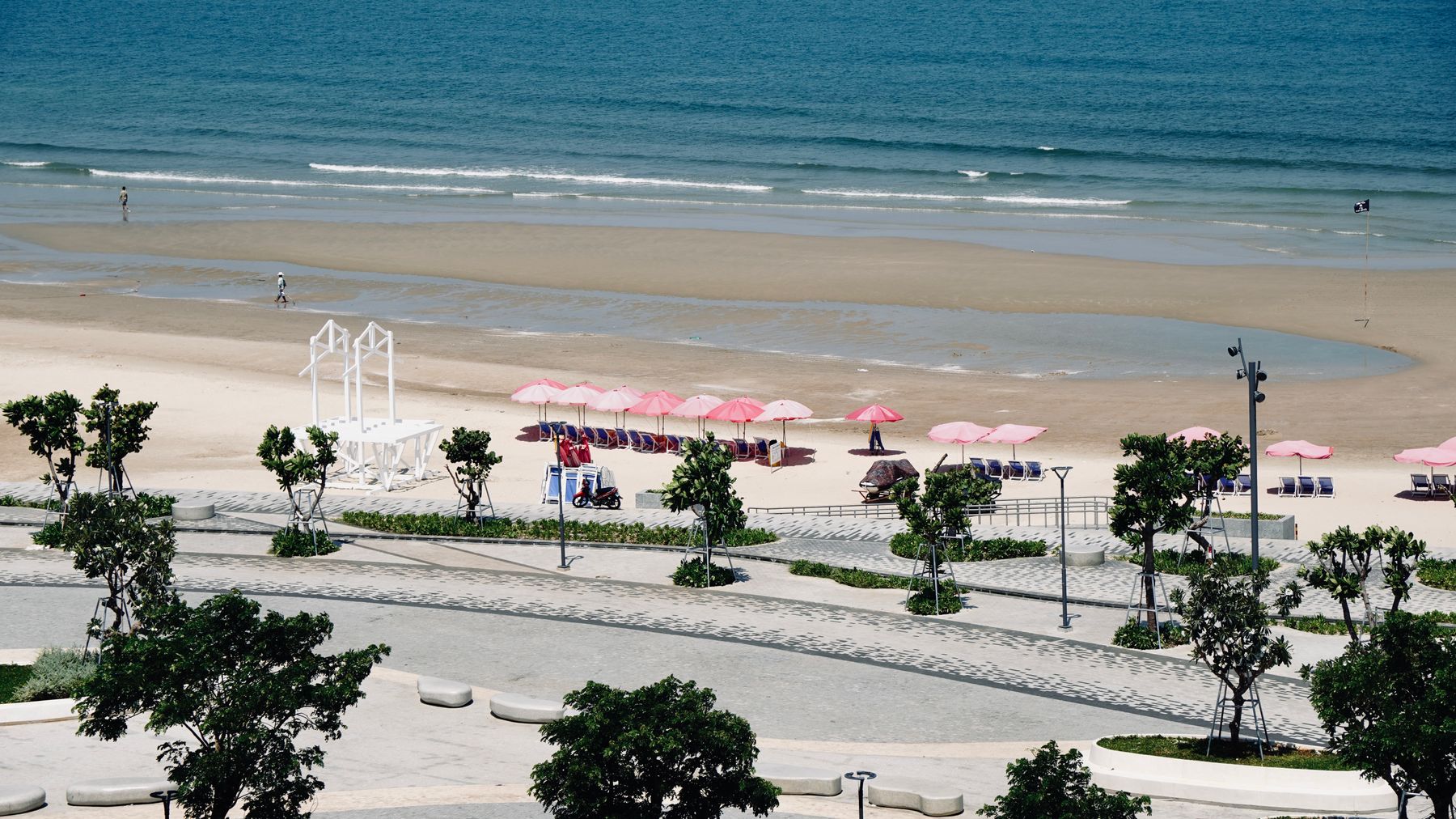
Photo by Tuan Vy on Pexels
Dedicated Vegan Restaurants Worth Returning To
Lien Hoa
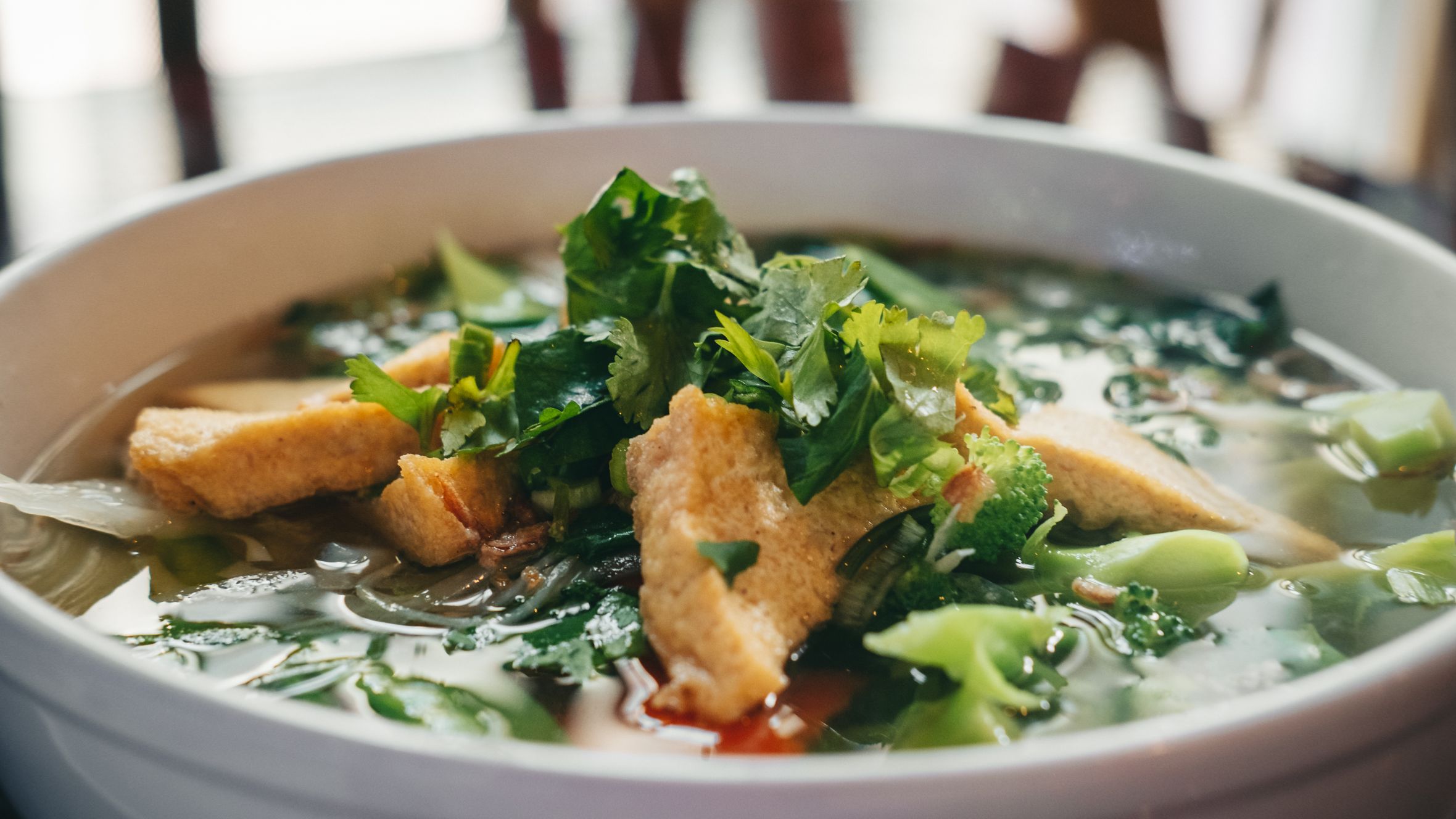
On Ong Ich Khiem, a five-minute walk from the Han River, Lien Hoa is the kind of place that's been feeding Da Nang's Buddhist community for decades. The menu is long and earnest — mock-meat dishes made from wheat gluten and tofu skin, rice plates, noodle soups. The standout is their version of "mi quang", the central Vietnamese turmeric noodle dish normally built around pork or shrimp. Here it's made with mushrooms and fried tofu, served with the same toasted rice crackers and fresh herbs you'd get at any non-vegan version. It works. A full bowl runs around 45,000 VND.
Lien Hoa is cash only, seats fill up fast at lunch, and the staff doesn't speak much English — but pointing at the bowls on other tables has always worked fine.
Com Chay Thien Duyen
A smaller spot in the Thanh Khe district, about 3 km from the beach strip, Thien Duyen does what Lien Hoa does but with a slightly more home-cooked feel. The com chay plate (vegan rice plate) changes daily and usually includes three or four side dishes — pickled vegetables, braised jackfruit, a clear broth, some form of tofu. Around 35,000–40,000 VND for a full set. The owner tends to be friendlier to non-Vietnamese speakers than most canteen-style places.
An Nhien Vegan
This is the spot that bridges the temple-food tradition and the newer cafe-style vegan scene. Located on Tran Phu Street, not far from the Dragon Bridge, An Nhien runs a menu that covers "banh mi" with vegan fillings (lemongrass tofu, pickled carrots, fresh coriander), smoothie bowls, and a rotating selection of rice and noodle dishes. It draws a mixed crowd — local students, expats, Western tourists. Prices are slightly higher than the canteen spots: banh mi around 35,000 VND, mains from 60,000–90,000 VND. The iced "ca phe sua da" here is made with oat milk if you ask.
Beachfront Cafes: My Khe and Non Nuoc
Along My Khe Beach, the cafe scene has expanded enough that vegan options are now fairly common. A few places near the southern end of the beach strip — closer to Non Nuoc, about 8 km south of the city center — lean into the health-food angle with acai bowls, avocado toast, and fresh coconut. The food quality varies sharply. The honest pick is to look for places that also serve fresh fruit plates and cold-pressed juices, which usually signals they're actually set up for it rather than just adding a token smoothie bowl to a seafood menu.
Prices at beachfront cafes tend to run 80,000–150,000 VND for a full breakfast or lunch plate. You're paying for the view as much as the food, which is fine — just go in knowing that.

Photo by Loifotos on Pexels
What to Order at Regular Restaurants
If you're eating outside dedicated vegan spots, the safest default orders across most of Da Nang's non-specialist restaurants are: plain steamed rice (com trang) with stir-fried vegetables (rau xao), tofu dishes (dau hu), and fresh spring rolls — "goi cuon" — which can often be made without shrimp if you ask. "Banh xeo", the sizzling crepe dish Da Nang is quietly proud of, is normally made with shrimp and pork but some places will do a mushroom version on request.
Practical Notes
Lunar feast days (the 1st and 15th of each lunar month) are genuinely the best time to eat plant-based in Da Nang — options multiply across the city, prices drop, and the cooking is at its most traditional. The dedicated restaurant spots above are open daily regardless of the lunar calendar. Budget 30,000–90,000 VND for a full meal at local spots; beach cafes will run higher.
Last updated · May 26, 2026 · independently researched, never sponsored.