What Cho Noi Tra On actually is
While most travelers head straight for Cai Rang or Cai Be, "Cho Noi Tra On" has been operating on the Hau River in Vinh Long province for well over a century. It sits at the confluence where the Tra On canal meets the main river channel — a natural gathering point for farmers, fruit traders, and fishing families from surrounding districts.
This is a wholesale market first, tourist attraction second. Boats loaded with watermelon, pineapple, coconut, sweet potato, and sugarcane cluster together before dawn. Sellers hang samples of their goods from tall poles — called "cay beo" — so buyers can spot what's available from a distance. That system predates smartphones by a few hundred years, and it still works.
The market is smaller than Cai Rang near Can Tho, which is part of the appeal. You won't find ten tourist boats circling for photos. On most mornings, yours might be the only one with a camera.
Why travelers go
Tra On gives you the Mekong Delta (메콩 델타 / 湄公河三角洲 / メコンデルタ) floating market experience without the performance. At Cai Rang, vendors now pose for tour groups and sell coconut coffee from boats painted in Instagram colors. Tra On hasn't reached that stage. The transactions are real. The pace is unhurried. You're watching commerce, not a show.
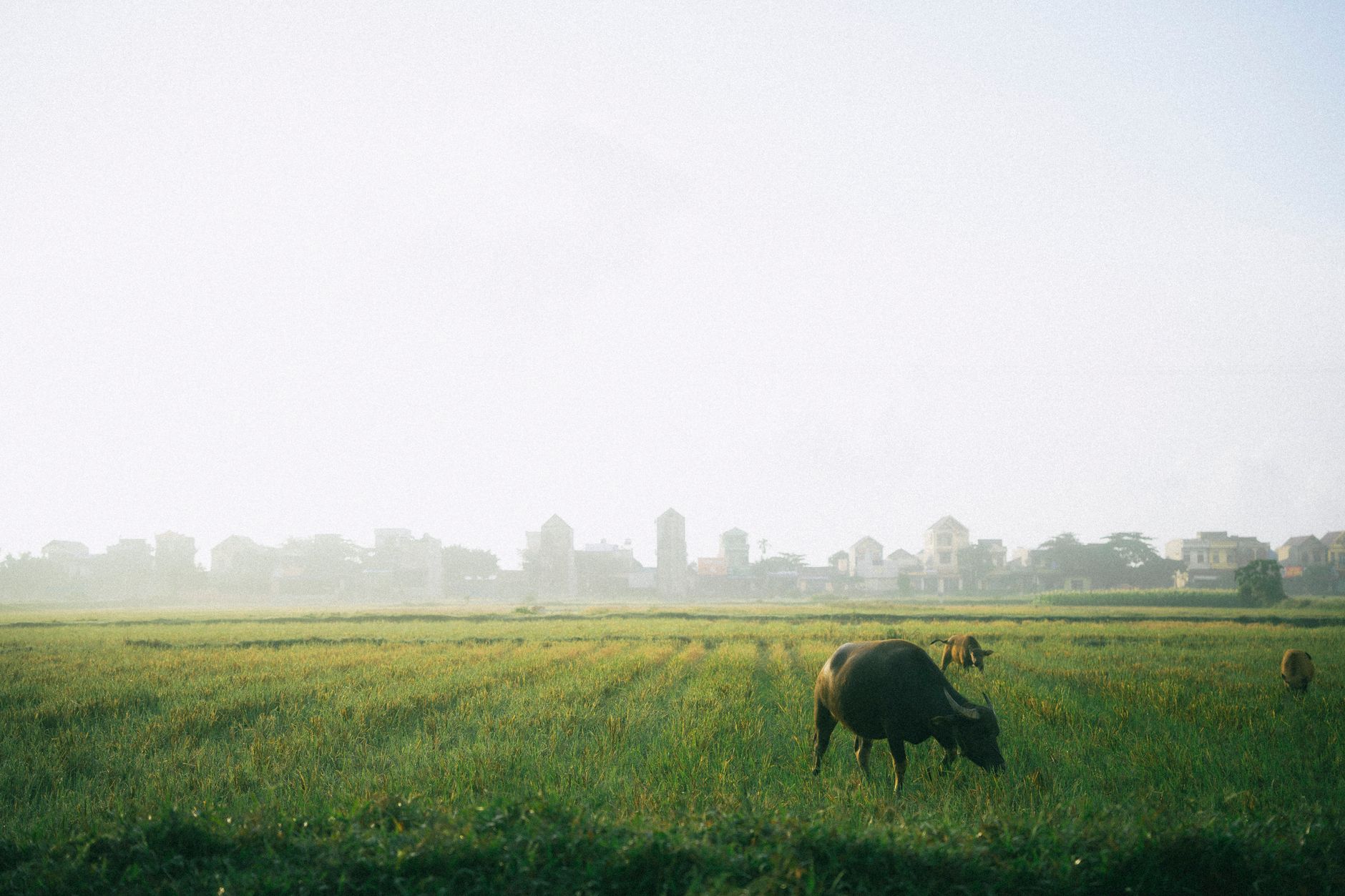
It also sits in a stretch of the delta that's genuinely rural. The riverbanks between Vinh Long city and Tra On town are lined with fruit orchards, brick kilns, and stilted houses — the kind of scenery that's disappearing near more developed hubs like Can Tho (껀터 / 芹苴 / カントー).
Best time to visit
The market runs year-round, but the best months are December through April — the dry season in the Mekong Delta. River levels are manageable, rain is rare in the early morning, and fruit harvests (especially pomelo, mango, and rambutan) peak between January and March, which means more boats and more activity.
Avoid the height of the rainy season (September–November) unless you genuinely enjoy getting soaked at 4:30 a.m. The market still operates, but fewer sellers show up when the river runs fast and high.
Regardless of season, arrive before 5:30 a.m. Trading peaks between 5:00 and 7:00. By 8:00, most wholesale boats have dispersed and you'll be floating through an empty stretch of river wondering what the fuss was about.
How to get there
The nearest major hub is Can Tho, about 60 km south. From Can Tho's bus station, minibuses to Tra On town run throughout the day (around 60,000–80,000 VND, roughly 90 minutes). From Vinh Long city, it's closer — about 40 km, around an hour by motorbike or local bus (50,000 VND).
If you're coming from Saigon, take a bus to Vinh Long (3–3.5 hours from Mien Tay bus station, around 120,000–150,000 VND), then continue to Tra On.
Once in Tra On town, you'll need to arrange a boat. Guesthouses and local tour operators can set this up the evening before. Expect to pay 250,000–400,000 VND for a small wooden boat with a driver for 2–3 hours. Some homestays along the river include the boat trip in their package — worth asking.
Renting a motorbike from Vinh Long city and riding down is the most flexible option. The road follows the river for long stretches and passes through quiet orchard villages. Budget about an hour each way.

Photo by Flint Huynh on Pexels
What to do
Watch the wholesale trading up close
Ask your boat driver to pull alongside the larger trading vessels. You'll see families transferring hundreds of kilos of fruit between boats using nothing but balance, baskets, and decades of practice. The scale is impressive — these aren't decorative sampans.
Buy fruit directly from sellers
Point at what looks good. Sellers are happy to fill a bag of mangosteen or dragon fruit for whatever the going rate is — usually a fraction of what you'd pay in a city market. Bring a small knife and eat it on the boat.
Have breakfast on the water
Several boats sell "hu tieu" — the pork-and-prawn rice noodle soup that's the Mekong Delta's signature breakfast. Pull up, hand over 25,000–30,000 VND, and eat a bowl while floating. Some boats also sell "banh mi" and strong drip coffee.
Explore the riverbanks after the market
Ask your driver to continue past the market toward the smaller canals. The narrow waterways lined with water coconut palms are quieter and more photogenic than the main river. You'll pass fish farms, small temples, and families washing clothes at the water's edge.
Visit Tra On's town market
Back on land, Tra On's wet market is worth 30 minutes. It's where the wholesale goods from the floating market end up — a loud, crowded, completely local experience. Good place to pick up dried fish, "nem chua", and tropical fruit to take with you.
Where to eat nearby
Tra On town isn't a culinary destination, but two things are worth seeking out:
- "Hu tieu" Nam Vang style — the local noodle soup, pork-based with prawns and a clear broth. Several small shops near the town market open early. Ask for "hu tieu kho" (dry version) if you want to try it tossed with sauce instead of in broth. Around 30,000–40,000 VND.
- "Banh xeo" — the crispy turmeric crepe filled with shrimp and bean sprouts. Mekong Delta versions are larger and crispier than what you'll find in Saigon. There's a no-name stall two blocks from the river landing that locals line up at around 10 a.m. Look for the smoke.
Where to stay
Tra On town has a few basic guesthouses ("nha nghi") in the 150,000–250,000 VND range — clean enough, cold water, fan rooms. Don't expect much.
The better option is a homestay along the river between Vinh Long city and Tra On. Several families rent rooms for 300,000–500,000 VND per night, including dinner and breakfast. Some arrange the floating market boat trip as part of the stay. This is the way to do it — you wake up on the river, board the boat in the dark, and you're at the market before the first trade.
If you want air conditioning and hot water, stay in Vinh Long city and arrange early-morning transport. Hotels there run 400,000–800,000 VND.

Photo by Quang Nguyen Vinh on Pexels
Practical tips locals would tell you
- Bring a headlamp or phone light. You'll be boarding a small boat in the dark. The river landing isn't lit.
- Wear long sleeves. The river is cold before dawn, and mosquitoes are aggressive at that hour.
- Bring cash in small denominations. Nobody on the river takes cards. 10,000 and 20,000 VND notes are ideal for buying fruit and breakfast.
- Tell your boat driver you want to stay until 7:00. Some will try to wrap up by 6:00 to take the next fare. Be clear about your time.
- Sunscreen for the ride back. Once the sun hits the river around 7:30, there's zero shade on an open boat.
Common mistakes to avoid
- Arriving after 7 a.m. — the market is functionally over. This is the single most common mistake.
- Booking a Can Tho–based tour that "includes Tra On." — these often rush you through in 30 minutes so the bus can get back to Cai Rang. Go independently or book locally.
- Skipping the small canals. — The market itself takes about an hour. If you turn back immediately, you miss the best part of the boat ride.
Practical notes
Tra On floating market is best paired with a night in a Vinh Long river homestay and a day exploring the surrounding orchards. It's not a destination you'd fly across the country for — but if you're spending any time in the Mekong Delta and want to see a floating market that hasn't been polished for tour groups, this is the one.
Last updated · May 29, 2026 · independently researched, never sponsored.