What it is
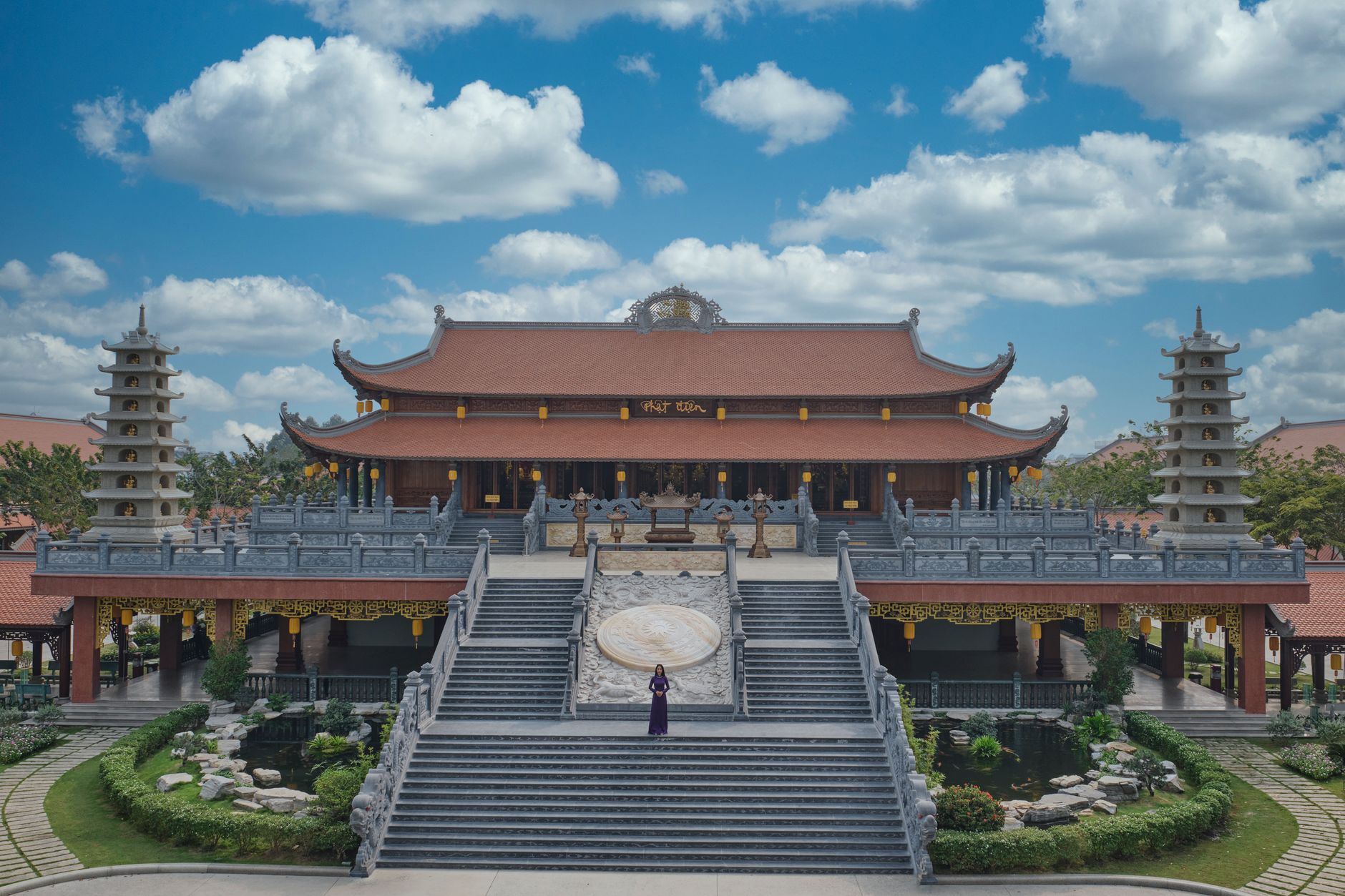
Den Tran Hung Yen is a temple complex dedicated to the Tran Dynasty (1225–1400), one of the most significant ruling families in Vietnamese history — famous for repelling three Mongol invasions. Unlike the better-known Tran Temple in Nam Dinh, this one sits in Hung Yen province, about 60 km southeast of Hanoi, and draws considerably fewer tourists. That's part of its appeal.
The temple honors Tran Hung Dao, the legendary general, along with other Tran-era figures. The architecture follows the classic northern Vietnamese temple layout: a triple-gate entrance, courtyards with incense burners, and tiered worship halls moving from outer to inner sanctuaries. Most of the current structures date from restoration work in the early 2000s, though the site's spiritual significance goes back centuries.
Why travelers go
This isn't a place you visit for Instagram content. You come here because you're interested in how Vietnamese people relate to their history through active worship — not museum displays. On any given day, you'll see locals lighting incense, making offerings of fruit and sticky rice, and praying for good fortune.
It's also a window into the Red River Delta's communal religious life. The temple sits within a network of villages where festivals still follow the lunar calendar, and where the boundary between tourism and daily spiritual practice barely exists. If you've spent time in Hanoi (하노이 / 河内 / ハノイ)'s Old Quarter temples packed with tourists, this feels like a different country.
Best time to visit
The temple is open year-round, but timing matters.
January–March ([Lunar New Year](/posts/tet (뗏 (베트남 설날) / 越南春节 / テト)-lunar-new-year-guide) period): The biggest draw. The Tran Temple Festival typically falls in the first lunar month (late January to February). Expect dragon dances, processions, and packed courtyards. Good energy, but crowded.
September–November: Comfortable weather, fewer visitors. The Red River Delta cools down, humidity drops, and you'll likely have the courtyards mostly to yourself on weekdays.
Avoid: June–August if you dislike heat. Hung Yen province is flat delta land with little shade outside the temple grounds. Midday temperatures hit 37–38°C regularly.
How to get there from Hanoi
Hung Yen city is the nearest urban hub, about 60 km from central Hanoi.
By bus: Catch a bus from Giap Bat or My Dinh station heading to Hung Yen city. Tickets run 60,000–80,000 VND. The ride takes 1.5–2 hours depending on traffic through the eastern suburbs. From Hung Yen bus station, grab a local xe om (motorbike taxi) for 30,000–50,000 VND to Den Tran.
By motorbike: Take QL5 (National Route 5) east, then cut south on DT378. Total distance is roughly 65 km, about 1.5 hours if you avoid rush hour. The roads are flat and well-paved — easy riding.
By car (Grab/private): A Grab car from Hanoi runs around 350,000–450,000 VND one way. Worth it if you're combining with other Hung Yen stops.

Photo by Quang Nguyen Vinh on Pexels
What to do
Walk the full temple axis
Don't just poke your head in the main hall and leave. The complex follows a front-to-back progression: the ceremonial gate, the incense courtyard, the front worship hall, and the rear sanctum where the primary altars sit. Each section has different carvings and offerings worth examining. Budget 45–60 minutes for a proper visit.
Watch (or join) offerings
Locals bring fruit, "banh chung", flowers, and sometimes full trays of food. If you want to participate, you can buy a basic incense bundle and offering set from vendors outside the gate for 20,000–30,000 VND. Nobody will think it's strange — visitors making offerings is normal here.
Explore the surrounding village
The temple doesn't exist in isolation. Walk 10 minutes in any direction and you're in a Red River Delta village with narrow lanes, fish ponds, and brick houses. This is where you see daily life that hasn't been packaged for visitors.
Visit during a festival
If your timing aligns with the Tran Temple Festival (check lunar calendar — usually 14th–16th of the first lunar month), you'll witness processions with palanquins, traditional music, and wrestling competitions. It's loud, chaotic, and genuinely exciting.
Combine with Pho Hien
Hung Yen city was historically known as Pho Hien, a major trading port in the 16th–17th centuries. A few old temples and pagodas from that era survive in town. It makes a natural half-day pairing with Den Tran.
Where to eat nearby
Hung Yen isn't a food destination on the level of Hanoi or Hue, but two things are worth seeking out:
"Banh cuon" Hung Yen style: The province makes excellent steamed rice rolls, thinner than the Hanoi version, typically served with a slightly sweeter dipping sauce and crispy fried shallots. Look for small shops near the market in Hung Yen city — a plate runs 25,000–35,000 VND.
Longan ("nhan long"): Hung Yen is Vietnam's longan capital. If you visit July–August, fresh longan is everywhere and absurdly cheap — 15,000–25,000 VND per kilogram. The dried version is available year-round in local shops.
For a proper meal, Hung Yen city has dozens of "com binh dan" (everyday rice) spots along the main road near the bus station. Expect 35,000–50,000 VND for rice with two or three dishes.
Where to stay
Most travelers visit Den Tran as a day trip from Hanoi. But if you want to stay:
Budget: Nha nghi (guesthouses) in Hung Yen city run 200,000–350,000 VND/night. Basic but clean. Don't expect English-speaking staff.
Mid-range: A few small hotels on the main road offer air-conditioned rooms with breakfast for 400,000–600,000 VND. Muong Thanh has a branch in the province if you want a familiar chain.
Homestay: Limited options compared to Ninh Binh or Mai Chau. This isn't a developed homestay area yet.

Photo by Valeria Drozdova on Pexels
Practical tips locals would tell you
- Dress modestly. Shoulders and knees covered. This is an active worship site, not a ruin.
- Remove shoes before entering inner halls. Follow what locals do.
- The temple has no entrance fee, but donation boxes are at each altar. 10,000–20,000 VND per box is standard.
- Bring cash. No ATMs within immediate walking distance of the temple. Card payment doesn't exist here.
- If visiting during a festival, arrive before 8 AM. By 10 AM, the courtyards are packed and parking becomes a headache.
Common mistakes to avoid
Confusing it with Den Tran Nam Dinh. Different province, different temple complex. If your bus is heading to Nam Dinh, you're going the wrong direction.
Skipping it because it's "just a temple." If you've been to a dozen Hanoi temples and feel fatigued, fair enough. But the village setting and lack of tourist infrastructure make this a different experience from Tran Quoc Pagoda or Temple of Literature.
Not checking the lunar calendar. Visiting on a random Tuesday in April means a quiet, contemplative experience. Visiting during the festival means drums, crowds, and ceremony. Both are valid — just know which one you're signing up for.
Practical notes
Den Tran Hung Yen works best as part of a broader Red River Delta day trip from Hanoi — combine it with Pho Hien's old trading-port sites or a longan orchard visit if you're here in summer. It's not a full-day destination on its own, but it's a genuine slice of northern Vietnamese spiritual life without the tour-bus crowds.
Last updated · May 29, 2026 · independently researched, never sponsored.