What it is
Chua Tay Phuong (formally called Sung Phuc Tu) is a Buddhist pagoda perched on top of Cau Lau hill in Thach That district, roughly 40 km west of central Hanoi. The site dates back to the 8th century, though the structures you see today were largely rebuilt during the 17th and 18th centuries under the Later Le dynasty. It earned national recognition mostly for one reason: 18 "la han" (arhat) statues carved from jackfruit wood, each about a meter tall, considered among the most expressive examples of traditional Vietnamese sculpture anywhere in the country.
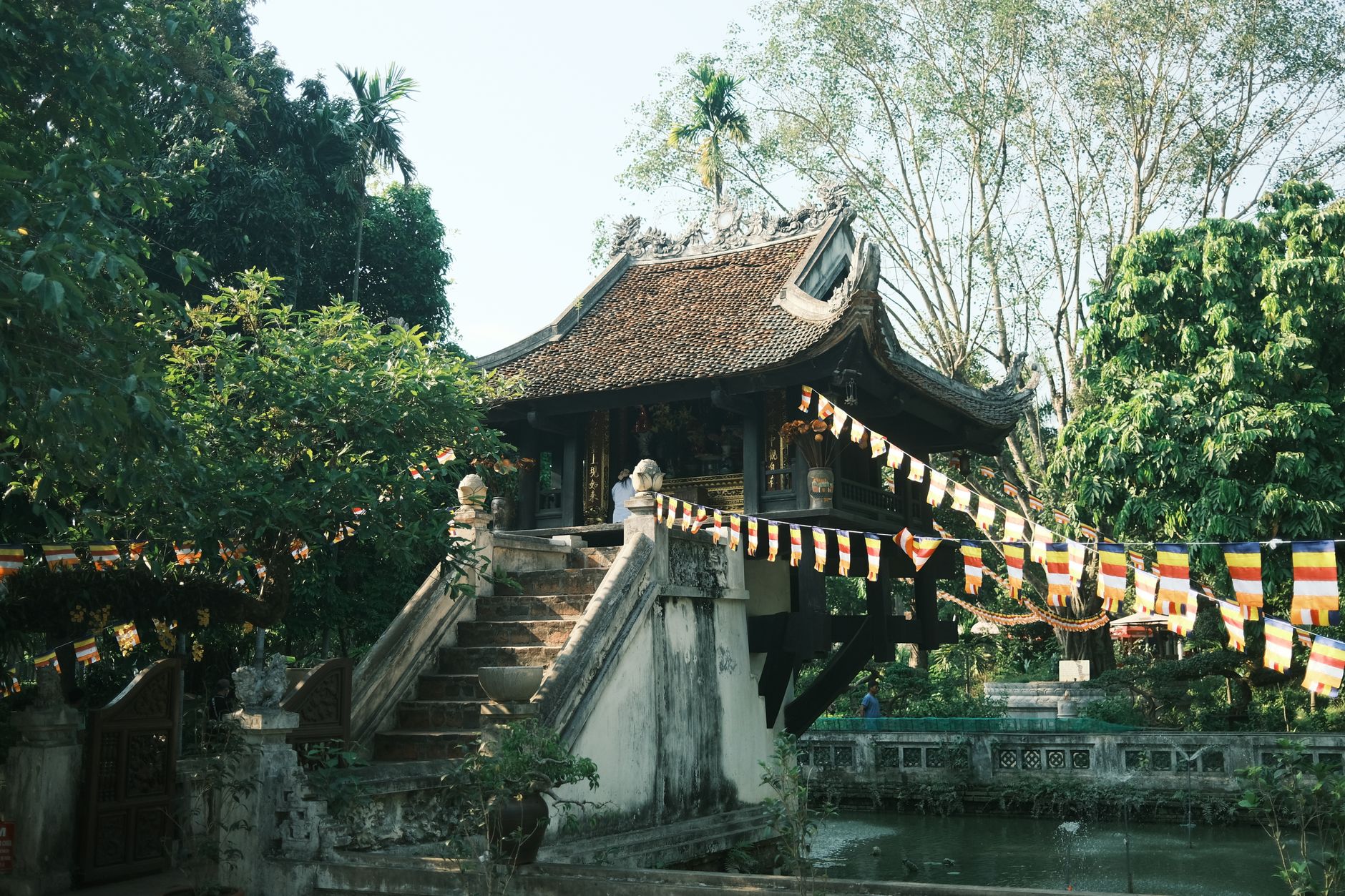
The pagoda complex is compact — three parallel buildings arranged in a ascending line up the hill, connected by covered corridors. The architecture uses the classic double-layered curved roof style with terracotta tiles, and the wooden framework shows detailed carvings of dragons, phoenixes, and lotus flowers. It was classified as a Special National Monument in 2014.
Why travelers go
Chua Tay Phuong doesn't pull the visitor numbers of places like the [Temple of Literature](/posts/temple-of-literature-hanoi (하노이 / 河内 / ハノイ)-guide) or Tran Quoc Pagoda, which is exactly why it's worth the trip. You get a genuine countryside pagoda experience without competing for space with tour groups. The arhat statues are the main draw — each figure has a distinct facial expression and posture, carved with a realism that was unusual for Vietnamese Buddhist art of that period. Art history students and photographers come specifically for these.
Beyond the statues, the hilltop location gives you a wide view over the surrounding rice paddies and limestone karst formations of Thach That. The 239 laterite steps climbing up through a canopy of old trees set the mood before you even reach the gate.
Best time to visit
October through December is ideal. The air is cooler and drier, making the climb comfortable. The rice fields below the hill turn golden in late October, which frames the pagoda nicely from above.
Avoid the period around Tet and the spring festival season (January to March), when domestic visitors flood in for prayer and incense-burning. The narrow stone staircase becomes a bottleneck, and the quiet atmosphere — which is most of the appeal — disappears. Summer months (June to August) mean heat and humidity that make the climb less pleasant, plus afternoon downpours can make the laterite steps slippery.
Weekday mornings year-round are reliably quiet. Arrive by 8:30 AM and you might have the upper hall to yourself.
How to get there from Hanoi
Chua Tay Phuong is in Thach Xa commune, Thach That district — about 40 km and roughly 60-75 minutes by road from Hanoi's Old Quarter, depending on traffic.
By motorbike or car: Take the Thang Long highway (also called Dai Lo Thang Long) heading west. Exit toward Thach That and follow signs to Chua Tay Phuong. If you're renting a motorbike in Hanoi, this is a straightforward ride with wide roads most of the way. Parking at the base of the hill costs around 10,000-20,000 VND for a motorbike.
By Grab car: A one-way Grab from Hoan Kiem runs 250,000-350,000 VND. Book the return in advance or keep your driver waiting — Grabs are scarce in Thach That.
By bus: Bus number 73 runs from My Dinh bus station toward Son Tay and passes through Thach That. Get off at the Thach Xa stop, then walk or take a "xe om" (motorbike taxi) the remaining 2 km to the pagoda entrance. The bus costs 9,000 VND but takes 90+ minutes and doesn't run frequently.
The most practical option for day-trippers: combine it with a visit to Chua Thay (Thay Pagoda), only 7 km away. Rent a motorbike for the day (150,000-200,000 VND in Hanoi) and hit both.
Photo by Thành Văn Đình on Pexels
What to do
Study the 18 arhat statues
These are the reason the pagoda is famous. Located in the upper hall, the statues depict Buddhist arhats in various states — meditating, debating, laughing, grieving. The craftsmanship is remarkable: visible veins on hands, expressive wrinkles, flowing robes with natural draping. Take your time. Photography is allowed but use natural light; flash is discouraged.
Climb the 239 steps slowly
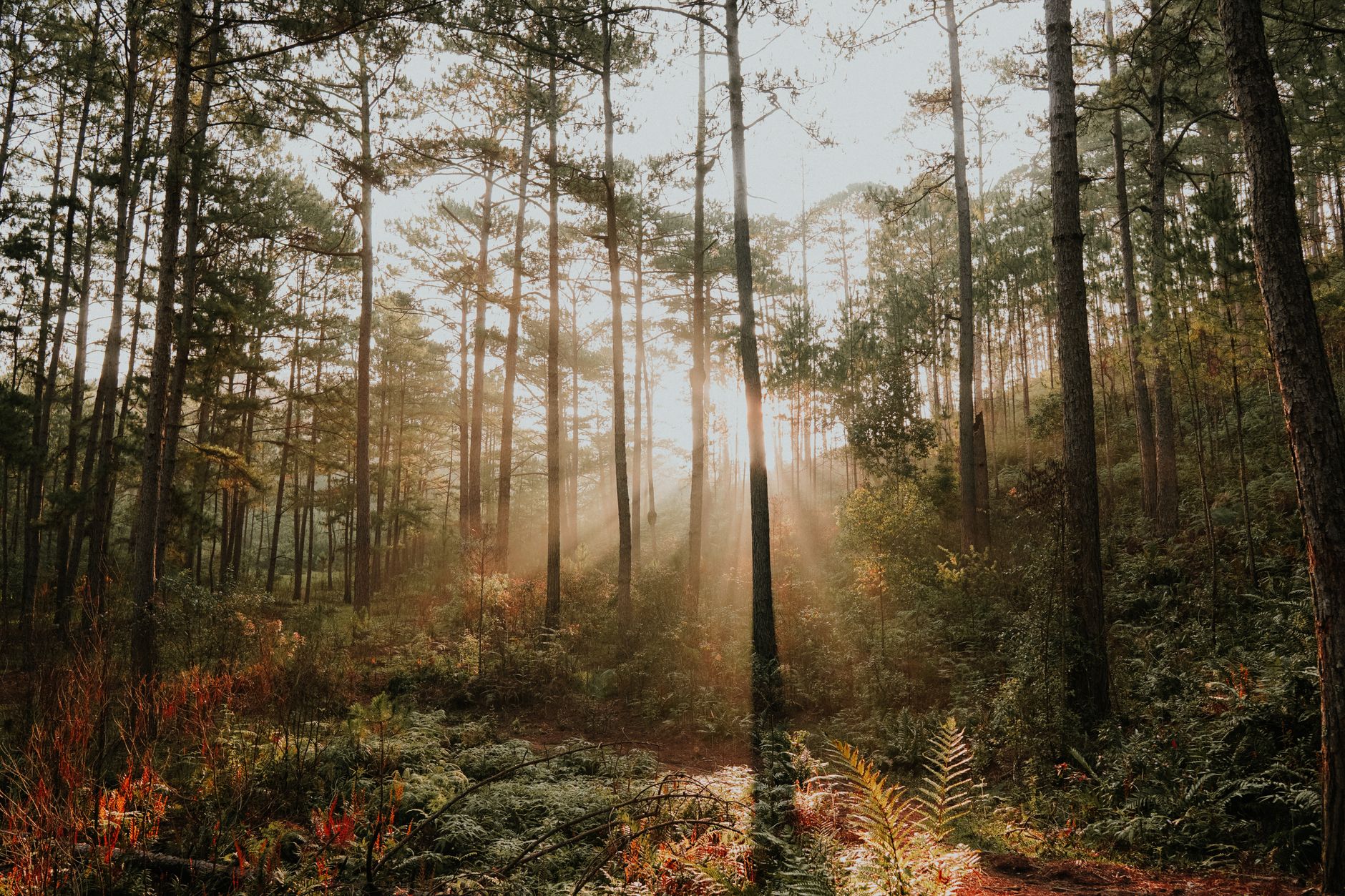
The laterite staircase is lined with frangipani and banyan trees. The stone is uneven and worn smooth — it's part of the experience, not an obstacle. Halfway up there's a small rest area with stone benches where local vendors sometimes sell sugarcane juice (5,000-10,000 VND).
Examine the woodwork and roof carvings
The main halls feature layered wooden brackets and beams carved with mythical creatures. The double-curved rooftops are a signature of 17th-century northern Vietnamese pagoda architecture. Look for the carved dragons on the roof ridges — they're more restrained than the ornate Hue style, reflecting northern aesthetics.
Walk the surrounding village
Thach Xa village at the base is a quiet farming community. Wander the lanes for 20 minutes to see traditional brick houses, drying rice on tarps, and the occasional water buffalo. This is everyday rural Hanoi, not a tourism set piece.
Pair with Chua Thay
Thay Pagoda (also called Thien Phuc Tu) sits at the base of Sai Son mountain, 7 km south. It's associated with the monk Tu Dao Hanh and is historically connected to Water Puppetry — performances still happen on the pond stage during festival days. Doing both pagodas in a half-day makes the trip west from Hanoi feel complete.
Where to eat nearby
Options around Chua Tay Phuong itself are limited to a few roadside stalls selling "bun" (rice noodle soup) and "com binh dan" (everyday rice plates) for 30,000-50,000 VND. The food is basic but honest.
For something more specific, head toward Son Tay town (15 minutes north by motorbike) where you can find "pho" shops and local "banh cuon (반꾸온 / 蒸米卷 / バインクオン)" — steamed rice rolls filled with minced pork and wood ear mushroom. Look for the cluster of small restaurants near Son Tay's old citadel gate. A full meal runs 40,000-70,000 VND.
Where to stay
Most visitors treat Chua Tay Phuong as a half-day trip from Hanoi, and that's the right call. There are no hotels within walking distance of the pagoda.
If you want to stay in the area — say, to combine with Chua Thay and the Ba Vi mountain area — a few homestays and guesthouses in Ba Vi district offer rooms for 300,000-600,000 VND per night. The Ba Vi resort area (20 km northwest) has mid-range options from 800,000-1,500,000 VND.
Otherwise, base yourself in Hanoi and make the day trip.

Photo by Thái Trường Giang on Pexels
Practical tips locals would tell you
- Wear shoes with grip. The laterite steps get slick after rain, and even on dry days, the polished stone can be treacherous in flip-flops.
- Bring your own water. There's no reliable vendor at the top, and the climb is steeper than it looks.
- Dress modestly — shoulders and knees covered. This is an active place of worship, not just a monument.
- Entry fee is 10,000 VND (as of 2024). Keep small bills ready; the ticket booth doesn't always have change.
- If you're photographing the statues, a fast lens helps. The interior halls are dim and tripods aren't practical in the tight space.
Common mistakes to avoid
- Coming on weekends or festival days expecting peace. The pagoda's charm is its quietness. Lose that and you lose half the reason to visit.
- Skipping Chua Thay. They're 7 km apart. Visiting one without the other wastes the trip out west.
- Relying on Grab for the return. Thach That is not central Hanoi. You may wait 30+ minutes for a car, or get no response at all. Plan your transport both ways before you leave.
- Rushing through the arhat hall. People glance at the statues and leave in five minutes. Sit down, look at the faces up close, notice the hands. These are 300-year-old carvings that rank among the best in Southeast Asian Buddhist art. Give them time.
Practical notes
Chua Tay Phuong works best as a morning half-day trip combined with Chua Thay, returning to Hanoi for a late lunch. Budget 2-3 hours for the pagoda itself including the climb. The whole western Hanoi loop — both pagodas plus a meal near Son Tay — fits comfortably into 5-6 hours on a motorbike.
Last updated · Jun 19, 2026 · independently researched, never sponsored.