The Cu Chi Tunnels sit about 60 km northwest of central Saigon, and they're one of the most visited historical sites in southern Vietnam (베트남 / 越南 / ベトナム). Whether you're into wartime history or just want a half-day trip out of the city, here's what you actually need to know before going.
What it is
The tunnel network at Cu Chi stretches over 250 km of underground passages that were dug by hand starting in the late 1940s and expanded significantly through the 1960s. The system included living quarters, kitchens, weapons storage, field hospitals, and command rooms — all below ground. Today, two sections are open to visitors: Ben Dinh and Ben Duoc. Ben Dinh is the more tourist-oriented site, closer to Saigon (사이공 / 西贡 / サイゴン), and gets the bulk of tour groups. Ben Duoc is quieter, slightly further out, and feels less staged.
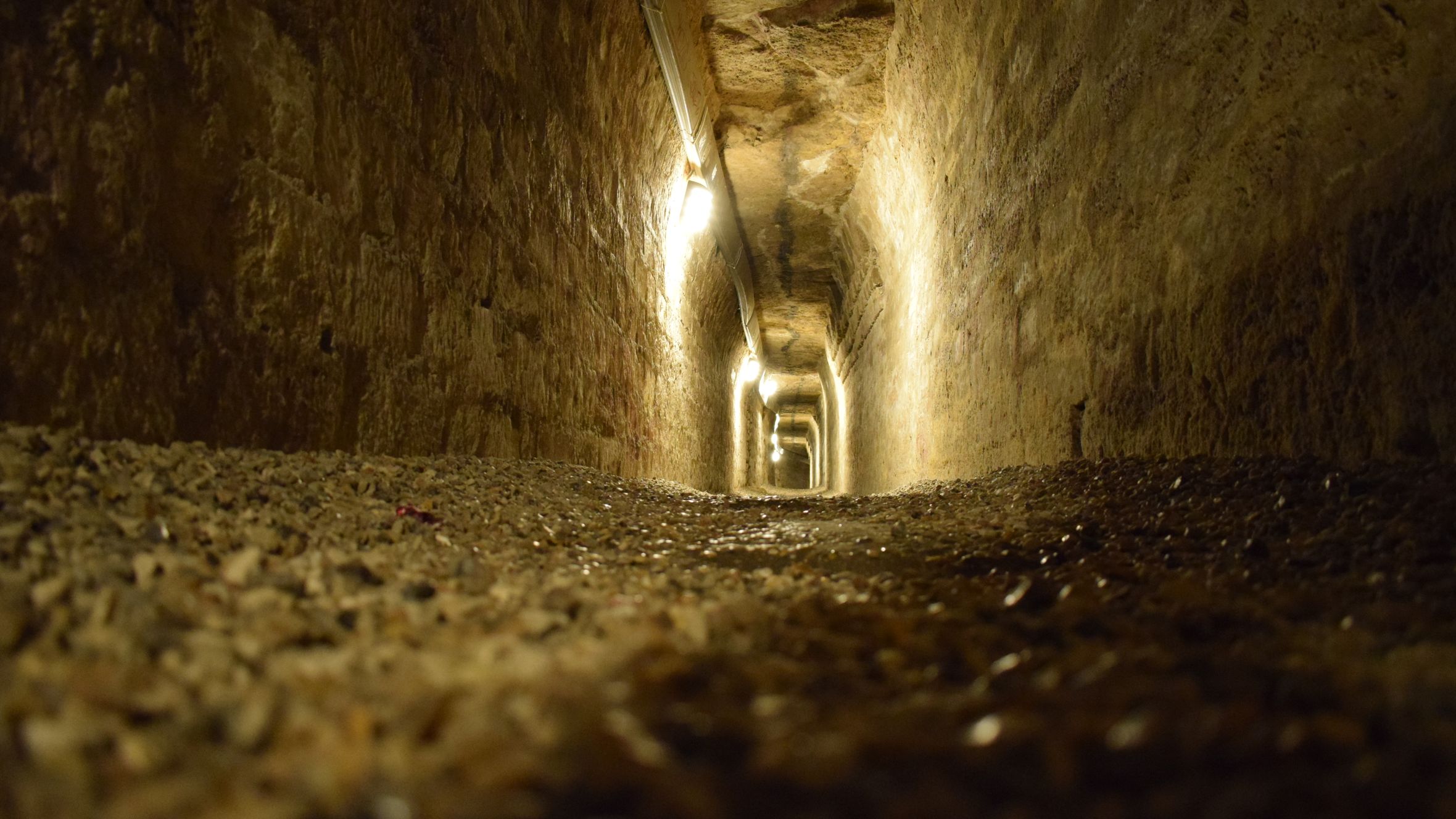
Both sites preserve sections of the original tunnels, though some passages have been widened for visitors. You'll still need to crouch-walk through them, and the air is warm and close. If you're claustrophobic, there are above-ground exhibits that cover the same history without requiring you to squeeze into a tunnel.
Why travelers go
Cu Chi Tunnels offer something you can't get from a museum. Crawling through a section of tunnel, even one that's been enlarged, gives you a physical sense of what underground life was like. The site also has reconstructed trap mechanisms, camouflaged entrances, and dioramas of daily life below ground. It's a sobering, hands-on kind of place — not a theme park, but not a dry lecture either.
For anyone spending a few days in Saigon, it's the most worthwhile day trip that doesn't require an overnight stay.
Best time to visit
The dry season — roughly November through April — is more comfortable for the trip. The tunnels themselves don't flood, but the surrounding area gets muddy during rainy season (May to October), and afternoon downpours can make the open-air exhibits less pleasant.
Arrive early. The site opens at 7:00 AM, and the first couple of hours are the least crowded. By 10:00 AM, bus tours start arriving in waves. Weekdays are noticeably calmer than weekends.
How to get there from Saigon
By bus: Public bus 13 runs from Ben Thanh Market area to Cu Chi town, then you transfer to bus 79 to reach Ben Dinh. Total travel time is around 2–2.5 hours one way, and the fare is about 14,000 VND total. It's cheap but slow.
By motorbike or car: The ride from District 1 takes roughly 1.5 hours via National Highway 22 (the road toward Tay Ninh). Grab car runs about 350,000–450,000 VND one way. If you rent a motorbike, fuel will cost next to nothing, but the highway traffic is aggressive — only recommended if you're comfortable riding in Vietnamese traffic.
By tour: Group tours from Saigon run 200,000–400,000 VND per person for a half-day, including transport and entrance. Private tours cost more but let you choose Ben Duoc over Ben Dinh, which most group tours skip.
Entrance fee: 110,000 VND for adults at Ben Dinh. Ben Duoc is the same price.

Photo by Tai-Jung Wu on Pexels
What to do
Crawl through the tunnels
The main draw. At Ben Dinh, you can enter a 120-meter section that's been widened to about 70–80 cm. It's tight, dark, and humid. There are exit points every 20 meters or so, meaning you can bail out early if it gets uncomfortable. At Ben Duoc, the tunnel section is a bit longer and slightly less modified.
Try the shooting range
Both sites have a firing range where you can shoot AK-47s, M16s, and other wartime weapons. Ammunition costs around 60,000 VND per bullet, sold in clips of 10. It's loud and not for everyone, but it draws a crowd. Ear protection is provided.
Walk the above-ground exhibits
Reconstructed kitchens, meeting rooms, and trap displays are scattered through a forested area. Guides explain how smoke from cooking fires was dispersed through termite mounds to avoid detection, and how tunnel entrances were disguised with leaf litter. These details are the most memorable part of the visit for many people.
Watch the introductory film
A short documentary plays at the entrance. It's propaganda — openly so — and dated in its production, but it provides context for what you're about to see. Worth the 15 minutes.
Eat cassava with sesame salt
At both sites, visitors are offered boiled cassava dipped in crushed peanut and sesame salt — the staple food of tunnel fighters. It's simple and starchy, and it puts the diet into perspective.
Where to eat nearby
The area around Cu Chi isn't a culinary destination, but there are a few reliable options. Small roadside restaurants along Highway 22 serve "com tam" — broken rice with grilled pork, a fried egg, and pickled vegetables — for 35,000–50,000 VND. Look for places with motorbikes parked out front; that's your quality signal.
If you head back toward Saigon and stop in Hoc Mon district, you can find solid bowls of "hu tieu" — the southern-style pork and shrimp noodle soup — for around 40,000 VND. It's a lighter meal that works well after a morning of walking in the heat.
Where to stay
Most visitors do Cu Chi as a half-day trip from Saigon, so there's no real need to stay overnight near the tunnels. Budget hotels in District 1 or District 3 start around 300,000–500,000 VND per night. Mid-range options in the 800,000–1,500,000 VND range are plentiful around Ben Thanh Market and the backpacker strip on Bui Vien. If you want to be closer to the tunnels for an early start, Cu Chi town has a handful of basic guesthouses in the 200,000–350,000 VND range, but amenities are minimal.

Photo by Vietnam Tri Duong Photographer on Pexels
Tips locals would tell you
- Wear clothes you don't mind getting dirty. The tunnels are dusty and the soil stains. Long pants protect your knees when crawling.
- Bring water. The site is largely outdoors with limited shade. Dehydration sneaks up on you.
- Hire a guide on-site if you're going independently. They cost around 100,000–200,000 VND and add context you won't get from the signs alone. Group tours include a guide.
- Mosquito repellent matters, especially during rainy season. The forested areas around the tunnels are prime mosquito territory.
Common mistakes to avoid
Choosing Ben Dinh by default. If you have your own transport, Ben Duoc is less crowded and feels more authentic. Ben Dinh is fine, but it can feel like a conveyor belt during peak hours.
Booking the cheapest group tour. Ultra-budget tours often rush the visit to squeeze in a side trip to a lacquerware workshop (where they earn commission). Check reviews to make sure the tour spends at least 2 hours at the actual tunnels.
Skipping sunscreen. You're outdoors for most of the visit. The tree cover helps, but the walk between exhibits is exposed.
Going in the afternoon. Heat peaks around 1:00–3:00 PM, and the tunnels feel even more stifling. Morning visits are better in every way.
Practical notes
Cu Chi Tunnels are open daily from 7:00 AM to 5:00 PM. Budget a full morning for the trip — about 1.5 hours of travel each way and 2 hours at the site. Combine it with an afternoon exploring Saigon's food scene, and you've got a solid day.
Last updated · Sep 12, 2026 · independently researched, never sponsored.