What Dao Minh Chau actually is
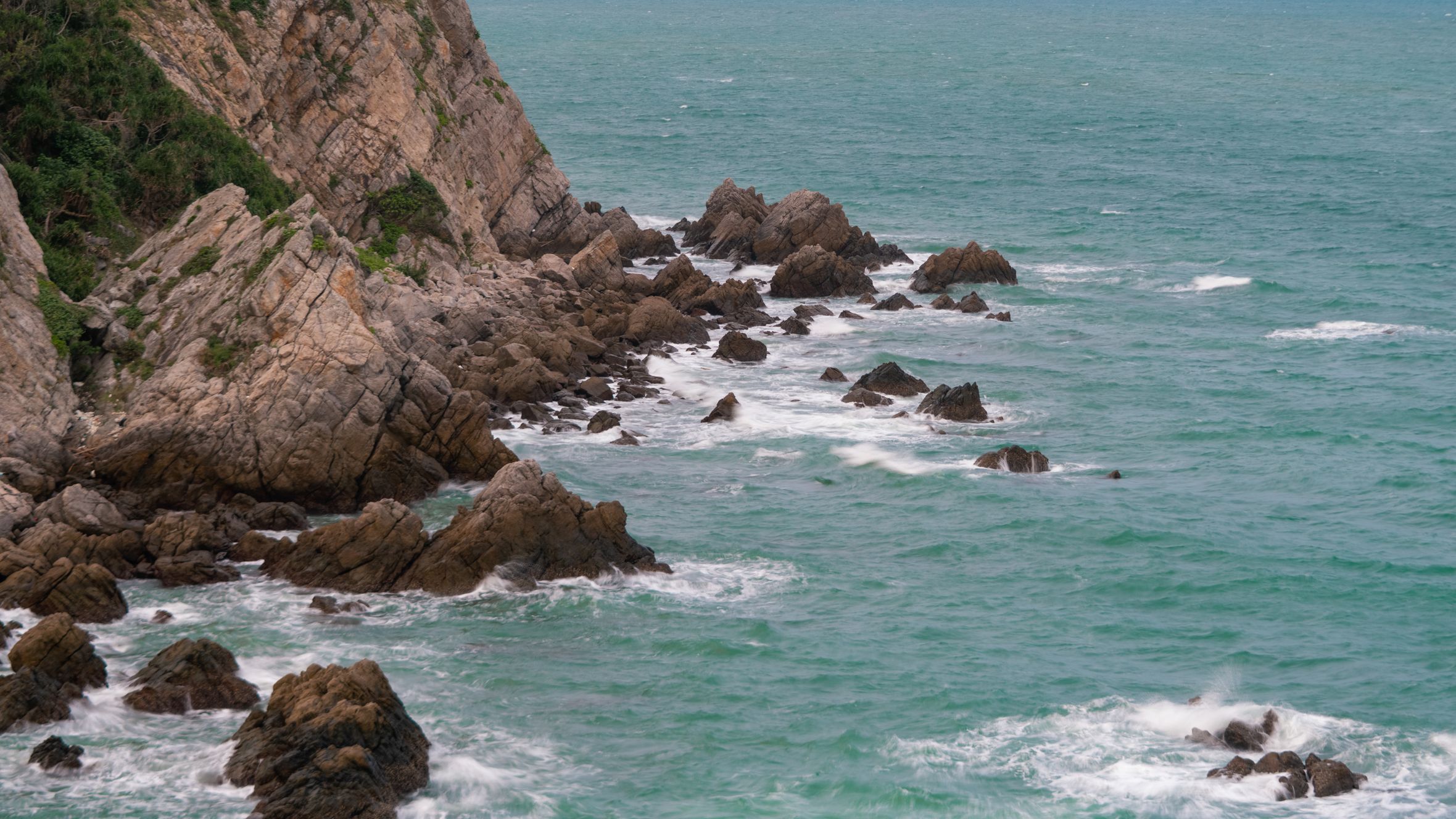
Dao Minh Chau is a small, low-lying island connected to Quan Lan island by a short road in Bai Tu Long Bay, Quang Ninh province. Technically it's a commune rather than a fully separate island — you can walk or motorbike between Minh Chau and Quan Lan village in about 15 minutes. The main draw is Minh Chau Beach, a roughly 1.5 km crescent of pale sand on the island's eastern side, facing the open sea rather than the sheltered bay.
The area has been inhabited for generations by fishing families. There's no major historical monument here, no theme park, no cable car. It's a place people go to swim, eat seafood, and do very little else — which is exactly the point.
Why travelers go
Most foreign visitors to Quang Ninh head straight for Ha Long Bay, and that's understandable. But Ha Long's most popular routes have become crowded, and the overnight cruises aren't cheap. Minh Chau offers something different: a genuine beach destination in the same province, at a fraction of the cost, with a fraction of the tourists.
The beach itself is the reason. The sand is fine and almost white, the water is clean enough to actually swim in, and during weekdays outside of summer you might share it with a handful of people. Compare that to Cat Ba, where the main beach gets packed, or Ha Long's Ti Top Island, where you're swimming elbow-to-elbow.
It's also one of the few beaches in northern Vietnam (베트남 / 越南 / ベトナム) where the setting feels remote without requiring a brutal journey to reach.
Best time to visit
The sweet spot is May through September, when the sea is warm enough for swimming and the days are long. June through August is peak season — Vietnamese families come for summer holidays, and weekends get noticeably busier. If you can manage a weekday trip in June or September, you'll hit the balance between good weather and fewer people.
Avoid December through February. The northeast monsoon brings grey skies, choppy seas, and temperatures that drop to 14-16°C. Ferry services can be cancelled without much notice when the weather turns rough. March and April are transitional — occasionally pleasant, occasionally drizzly, always a gamble.
How to get there from Hanoi
From Hanoi, the journey takes roughly 5-6 hours total, broken into two legs.
Leg 1: Hanoi to Cai Rong port (Van Don)
Take a bus from My Dinh or Bai Chay bus station to Cai Rong, the port town on Van Don island. Direct buses run several times daily and cost around 200,000-250,000 VND. The ride is about 4 hours depending on traffic. If you're driving yourself, follow the Ha Long - Van Don expressway — it cut the old route by over an hour.
Leg 2: Cai Rong to Minh Chau
From Cai Rong port, take a ferry or speedboat to Quan Lan. The slow ferry takes about 2 hours and costs roughly 80,000-100,000 VND per person. Speedboats cut it to around 45 minutes for about 200,000-250,000 VND. Ferries typically depart in the morning (around 7:00-8:00) and early afternoon — check locally, as schedules shift seasonally.
Once you land at Quan Lan pier, it's about 5 km to Minh Chau. Most guesthouses will pick you up if you call ahead. Otherwise, rent a motorbike at the pier for around 150,000-200,000 VND per day, which you'll want anyway for getting around.
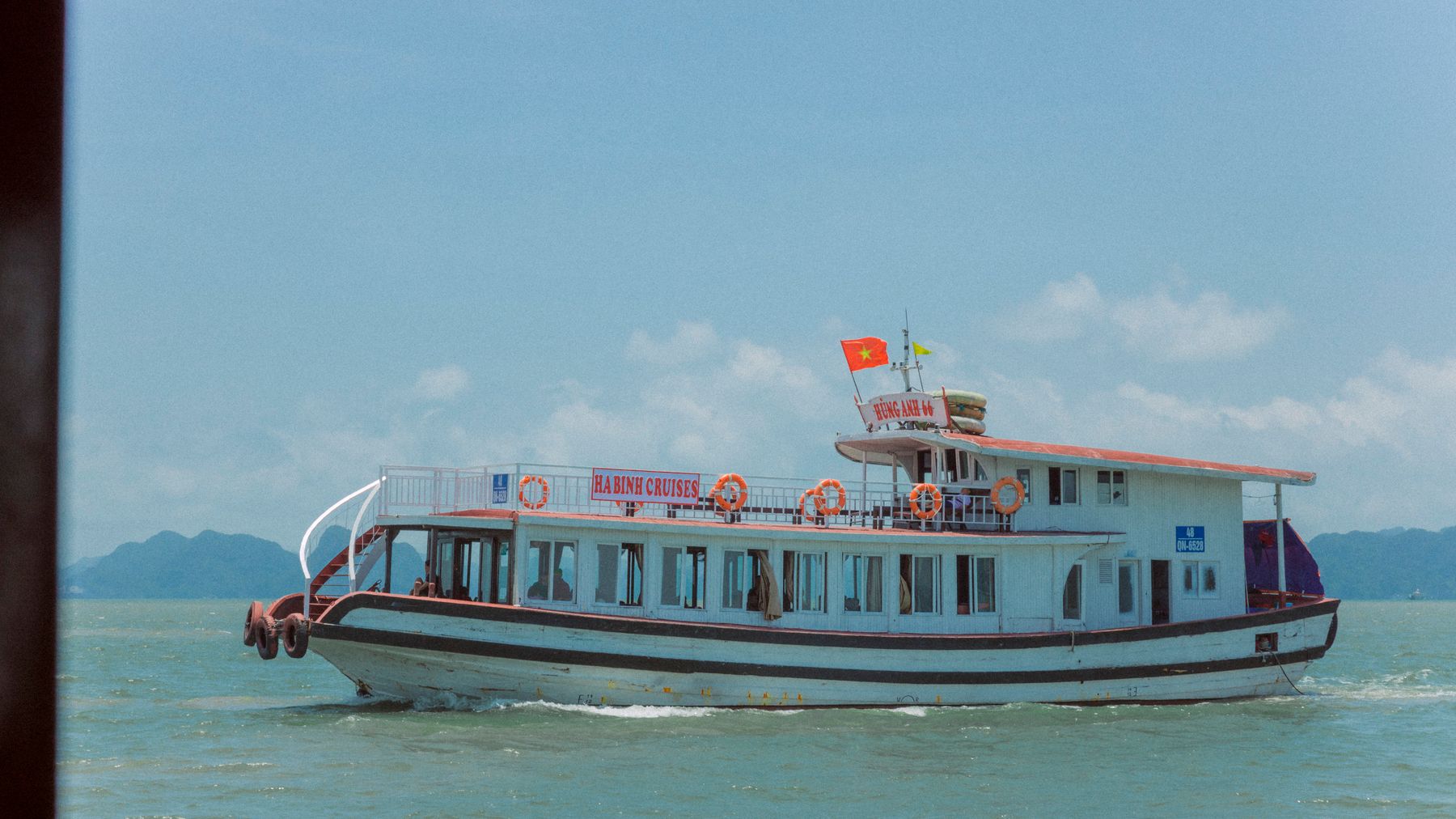
Photo by HONG SON on Pexels
What to do
Swim and sit at Minh Chau Beach
This is the main event. The beach runs northeast and catches morning sun beautifully. The slope into the water is gradual, good for kids. There are a few basic beach shacks selling drinks and snacks, but it's not a developed beach strip. Bring your own towel.
Cycle or motorbike around Quan Lan
The roads between Minh Chau and Quan Lan village pass through "casuarina" pine forest and small fishing hamlets. It's flat, quiet, and genuinely pleasant. Stop at Quan Lan Beach (Son Hao Beach) on the way — it's longer and wilder than Minh Chau, with coarser sand and bigger waves.
Visit Quan Lan's old communal house
Quan Lan village has a centuries-old "dinh" (communal house) and a small temple complex. It's modest compared to anything you'd see in Hue or Hanoi (하노이 / 河内 / ハノイ), but it tells you something about the fishing communities that have lived out here for generations. The annual Quan Lan festival in June (lunar calendar) features traditional boat racing if your timing lines up.
Watch the fishing boats come in
Early morning at either Quan Lan pier or the smaller Minh Chau landing, you can watch the overnight boats return with their catch. This is also how you get the freshest seafood — walk to a nearby restaurant right after and eat what just came off the water.
Take a boat to Bai Tu Long Bay
Some local operators run day trips from Quan Lan into the quieter parts of Bai Tu Long Bay — limestone karsts, empty beaches, kayaking through grottoes. It's the Ha Long Bay experience without the cruise ship traffic. Expect to pay around 500,000-800,000 VND per person for a group day trip.
Where to eat
Seafood is the obvious answer, and it's done simply here — grilled, steamed, or tossed in a hot pot. Look for "sam" (horseshoe crab), which is a local specialty prepared in a sour salad. Grilled "tu hai" (geoduck clam) with onion oil is another dish specific to this part of Quang Ninh.
Most guesthouses double as restaurants. Prices are reasonable by coastal standards: a seafood spread for two runs about 300,000-500,000 VND unless you're ordering lobster. Don't expect refined cooking — the appeal is freshness, not technique.
If you want proper Vietnamese coffee in the morning, bring your own supplies or lower your expectations. This isn't Da Lat or Hanoi — the cafe scene is basically nonexistent.
Where to stay
Accommodation is simple. You're choosing between family-run guesthouses ("nha nghi") and a handful of small hotels.
- Budget: 200,000-400,000 VND/night. Basic fan rooms, shared or private bathroom. Clean enough, nothing fancy.
- Mid-range: 500,000-900,000 VND/night. Air conditioning, private bathroom, possibly a sea view. A few newer mini-hotels on the road approaching Minh Chau Beach fall in this range.
- Top end: There's no resort here. The most expensive option might run 1,200,000 VND in peak season for a newer room with a balcony.
Book ahead on summer weekends. Outside of that, you can show up and find something.

Photo by Quang Nguyen Vinh on Pexels
Practical tips locals would tell you
- Bring cash. ATMs exist in Quan Lan village but they're unreliable. Cards are accepted almost nowhere on the island. Bring enough VND for your entire stay.
- Rent the motorbike. Walking between Minh Chau and Quan Lan in the midday heat is miserable. A motorbike gives you freedom to hit both beaches and explore the interior roads.
- Sunscreen and mosquito repellent. There's limited shopping on the island. The casuarina forest near the beach breeds mosquitoes at dusk.
- Confirm your return ferry. Schedules change, boats fill up on Sunday afternoons. Ask your guesthouse to help you secure a return ticket the day before.
Common mistakes to avoid
- Trying to do it as a day trip. The ferry schedule makes a day trip impractical and pointless. Two nights is the minimum to actually relax.
- Coming in winter expecting beach weather. Northern Vietnam has a real winter. The water is cold, the sky is grey, and half the guesthouses close.
- Expecting Ha Long Bay views from the beach. Minh Chau faces the open sea, not the karst landscape. You need a boat trip into Bai Tu Long Bay for that.
- Overpacking. You're dragging your bag onto a ferry and then onto a motorbike. Travel light.
Practical notes
Minh Chau works best as a 2-3 night addition to a broader northern Vietnam trip. Combine it with Ha Long Bay or a stop in Hanoi before or after. It's not a destination that needs a week — but it's one of the few genuinely quiet coastal escapes left in the north, and it won't stay that way forever.
Last updated · May 29, 2026 · independently researched, never sponsored.