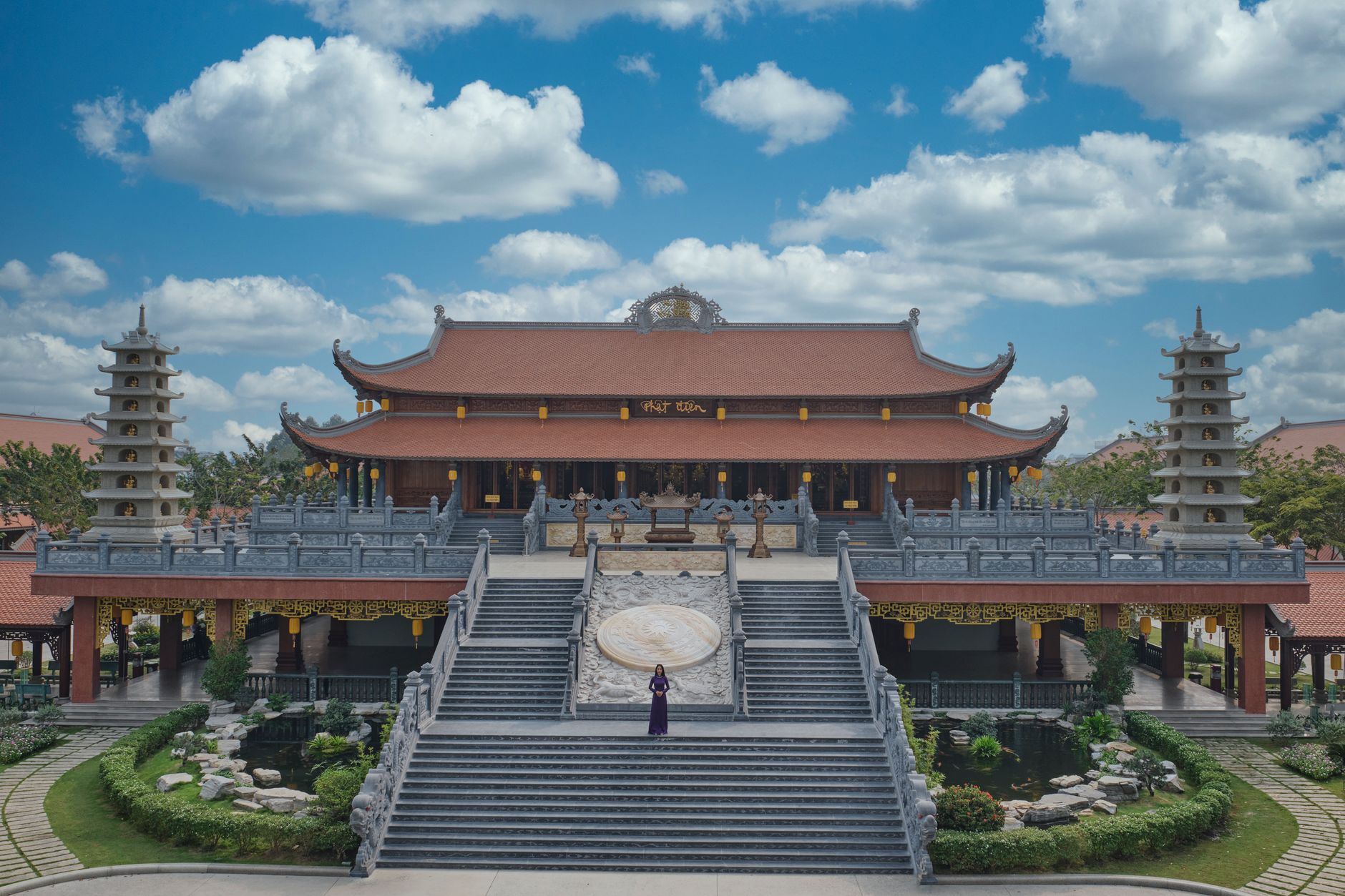
Hung Yen province sits about 40 km east of Hanoi, sandwiched between the Red River and the coast. Most travelers skip it—which is partly the appeal. But you need to know what the weather will do, when pilgrims flood the temples, and whether you'll be sweating through your shirt or needing a jacket.
Winter (November to February): Clear and Cool
This is when Hung Yen is at its best. The northeast monsoon pushes warm, humid air away, leaving crisp, dry days with temperatures between 10–20°C (50–68°F). Humidity drops to 60–70 percent.
November and December are ideal: sunny mornings, cool afternoons, almost no rain. By January and early February, it gets chilly—locals wear sweaters—but still comfortable for walking around. If you're visiting the Hung Kings Temple complex in Phu Tho (just across the border), you'll have clear views of the Red River plains.
Crowds are moderate. Weekends in December draw Hanoi families escaping the city, but Hung Yen itself remains low-key. Mid-week visits are nearly empty.
Spring (March to April): Warming Up, Rains Start
March brings warm days (20–28°C / 68–82°F) with increasing humidity. It feels pleasant—not hot yet—and spring flowers bloom in local gardens and pagodas. This is a nice window if you can't do winter.
By late April, monsoon rains arrive. You'll see occasional downpours, but they're usually brief. Mornings are often clear. Humidity climbs to 75–80 percent, making it feel clammy even when it's not raining.
Crowds pick up slightly as Vietnamese families plan day trips before summer holidays kick in. Still manageable compared to Hanoi.
Summer (May to September): Hot, Humid, and Wet
Temperatures hit 28–35°C (82–95°F) with humidity at 80 percent or higher. The southwest monsoon dominates; expect afternoon thunderstorms, especially July and August. Roads flood in low-lying areas, and local bus schedules can get disrupted.
This is not prime time. If you must visit, stick to early morning walks before 9 a.m., when it's tolerable. Temples are still accessible, but outdoor sightseeing becomes a sweat lodge.
Tourist crowds thin out—most travelers stay in air-conditioned Hanoi or head south. Prices dip for guesthouses and restaurants, but you sacrifice comfort.

Photo by Long Bà Mùi on Pexels
Autumn (October): Transition Week
October is a sweet spot: it's hot but drying out. Temperatures hover around 25–30°C (77–86°F), humidity around 75 percent. Rain becomes intermittent. By late October, the crisp air returns.
Crowds are light. Hotels drop prices as summer tourism officially ends. It's a good budget month if you don't mind occasional heat.
Festivals and Seasonal Events
The Hung Kings Festival (usually mid-April, but exact dates vary by lunar calendar) draws thousands to Phu Tho province's Hung Kings Temple—about 15 km from central Hung Yen. If you're in the region, it's worth timing your visit around this, though expect crowded roads and packed restaurants. The festival celebrates the mythical founders of Vietnam with incense offerings, processions, and traditional performances.
Tet (Lunar New Year, late January to mid-February) floods the region. Temples overflow with pilgrims, families visit shrines, and local villages organize celebrations. Hotels book up fast. Roads get congested as Hanoi residents head home. It's colorful but chaotic; not ideal for peace-seeking travelers unless you embrace the chaos.
Mid-Autumn Festival (eighth lunar month, typically September to October) brings lantern displays and moon cakes to local markets. Less crowded than Tet, but still festive.
Peak Season vs. Shoulder vs. Off-Season
Peak Season (November–January): Dry, cool, sunny. Hotels raise prices 10–20 percent. Weekend rooms can be hard to find. Book ahead.
Shoulder Season (March–April, October): Pleasant weather, fewer crowds than peak, prices moderate. March gets rainier as the season progresses; October is drying out. A smart choice if you want balance.
Off-Season (May–September): Hot, humid, rainy. Prices are lowest; hotels offer discounts. Crowds are minimal. Only for travelers with heat tolerance and flexible plans.
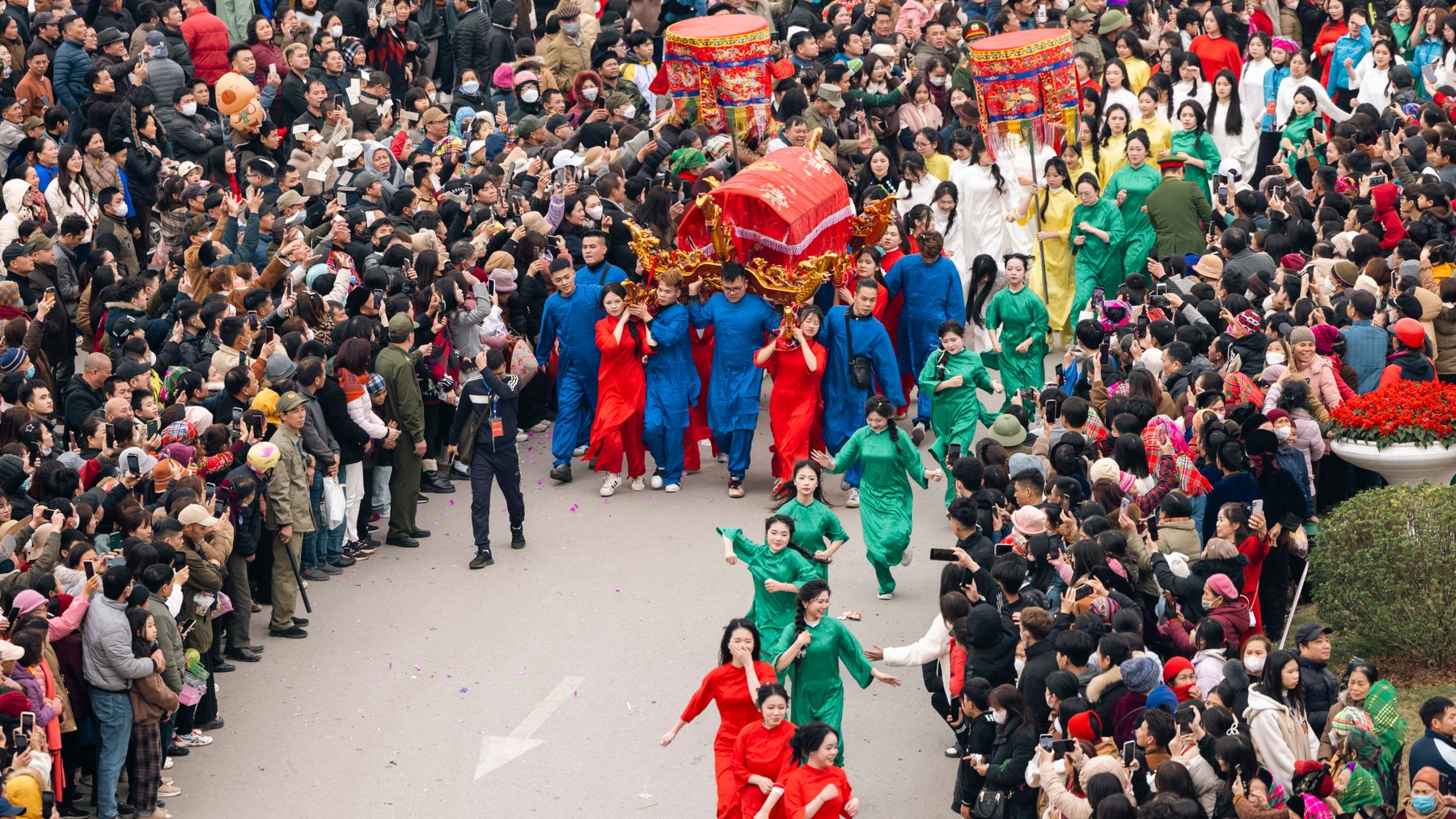
Photo by Vietnam Hidden Light on Pexels
Month-by-Month at a Glance
| Month | Temp (°C) | Rain | Humidity | Crowds | Best For | |-------|-----------|------|----------|--------|----------| | January | 12–18 | Low | 65% | Moderate | Cool walks, temples | | February | 13–20 | Low | 70% | High (Tet) | Festivals, if you plan ahead | | March | 18–25 | Rising | 75% | Moderate | Spring, gardens | | April | 24–30 | Moderate | 80% | Moderate | Late month before heat | | May | 28–32 | High | 82% | Low | Budget travelers | | June | 29–34 | High | 83% | Low | Avoid | | July | 29–34 | Very high | 84% | Low | Avoid | | August | 29–33 | High | 84% | Low | Avoid | | September | 26–32 | Moderate | 82% | Low | Late month improving | | October | 22–28 | Low | 75% | Low | Underrated, good value | | November | 18–25 | Low | 68% | Moderate | First choice | | December | 14–22 | Low | 65% | High | Peak season starts |
What to Pack
November–February: Light jacket, sweater for evenings, comfortable walking shoes. Bring sunscreen—dry season sun is strong.
March–April: Lightweight rain jacket, umbrella, breathable clothes. Closed-toe shoes for muddy temple grounds.
May–September: Lightweight, moisture-wicking fabrics. Waterproof bag for electronics. Sturdy sandals or waterproof shoes. Umbrella or poncho for sudden downpours.
October: Layer-friendly clothes; mornings are warm, evenings cool. Light rain jacket just in case.
Frequently Asked Questions
When is the best time to visit Hung Yen for comfortable weather?
November through February offers the most comfortable conditions, with temperatures between 10-20°C and humidity dropping to 60-70 percent. November and December are the clearest months, with sunny mornings and cool afternoons. January and February turn chilly enough for a sweater but remain walkable. Mid-week visits during this period are nearly empty, making it the best combination of good weather and low crowds.
How far is Hung Yen from Hanoi and what is nearby?
Hung Yen sits about 40 km east of Hanoi, between the Red River and the coast. The Hung Kings Temple complex in Phu Tho province is just across the border, roughly 15 km from central Hung Yen. Visiting in winter gives clear views of the Red River plains from the temple grounds.
What festivals should a first-time visitor know about before traveling?
Two events significantly affect the experience. The Hung Kings Festival in mid-April draws large crowds to Phu Tho, with congested roads and packed restaurants. Tet, in late January to mid-February, floods temples with pilgrims and fills hotels fast across the region. The Mid-Autumn Festival in September or October is festive but far less chaotic, with lantern displays and moon cakes in local markets.
Practical Notes
Hung Yen doesn't have major hotels or restaurants like Hanoi does, so plan simple meals and modest guesthouses. Most visitors day-trip from Hanoi (40-minute drive) or combine Hung Yen with neighboring Hai Duong province. If you're coming for the rural feel and temple visits, November through January is your window—weather is stable, temples are lively with pilgrims, and you won't overheat. If budget matters more than comfort, October or May–September work, but expect trade-offs in either temperature or tourism infrastructure.
Last updated · May 1, 2026 · independently researched, never sponsored.