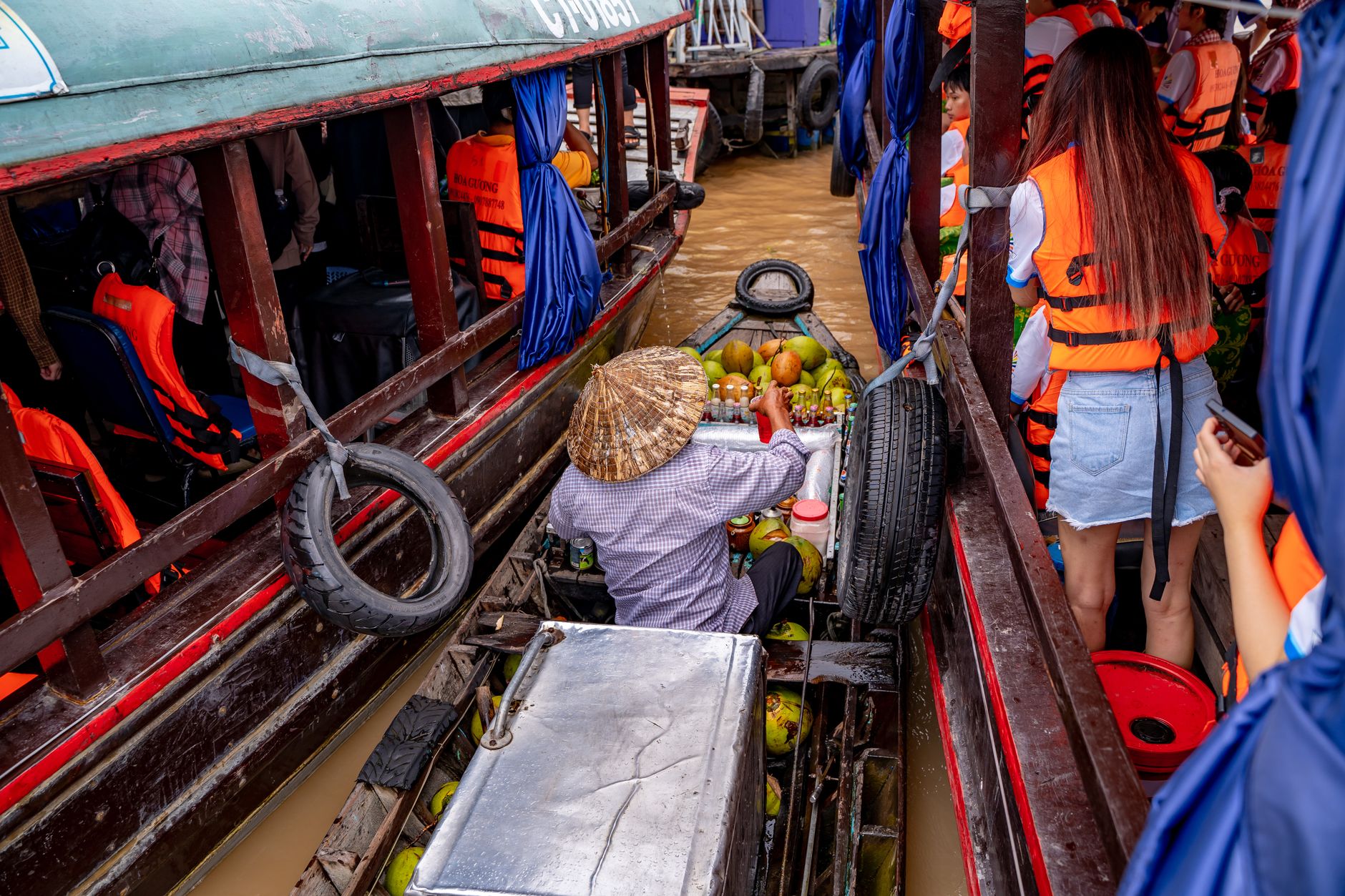
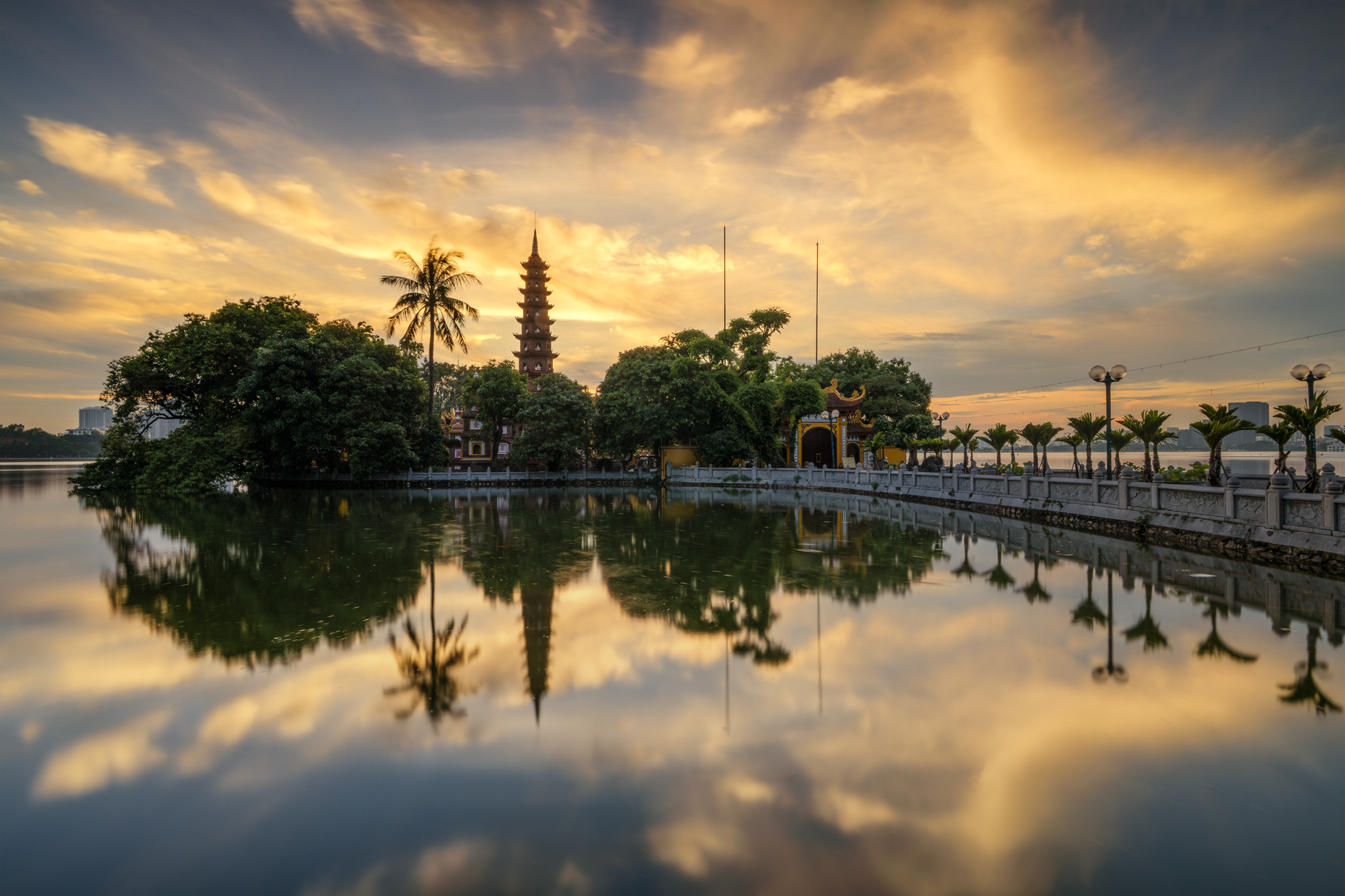
Dong Thap doesn't draw crowds like Phu Quoc or Da Lat, which makes it easier to plan around your own interests rather than tourist peaks. The province pivots on the Mekong's rhythm — water levels, bird migrations, and rice cycles shape what's actually worth seeing.
The seasons: what changes month to month
May to October: The wet season
This is when Dong Thap looks like the photos you came for. Heavy rainfall from May through September floods the rice paddies and creates temporary lakes across the Mekong Delta (메콩 델타 / 湄公河三角洲 / メコンデルタ). The landscape turns emerald green, and water birds — herons, egrets, storks — congregate at Tram Chim National Park in large numbers.
July and August see the heaviest rain; roads outside of Cao Lanh (the provincial capital) can become difficult to navigate if you're driving. If you're cycling or on motorbike, pack a rain jacket and expect wet conditions daily. Humidity sits above 80%, and midday heat is stifling even with rain.
These months are ideal if you want to photograph flooded fields or visit Tram Chim when bird populations peak. Tourist numbers stay low — mostly domestic travelers escaping city heat.
November to February: Dry and cool
November marks the real turning point. The rains stop, temperatures drop to 24–26°C in the mornings, and the landscape dries. Rice harvests happen November through December, so you'll see farmers working fields and golden stubble across the plains.
December and January are the best months overall. Skies are clear, humidity drops to a reasonable 60–70%, and daytime temperatures hover around 28–30°C — warm but not brutal. Roads are dry and passable everywhere. Tram Chim is still active with migratory birds, though numbers decline compared to the wet season.
This period sees the most visitors, though "most" in Dong Thap still means dozens per day rather than hundreds. If you want a balance of good weather, clear photography light, and manageable crowds, December–January is your window.
March to April: Hot and dry
Temperatures creep toward 35–37°C by late April. Humidity remains moderate, but the heat makes midday travel uncomfortable. The landscape is brown — dry stubble and bare paddies between plantings. Water levels in Tram Chim drop, concentrating birds in smaller ponds, which can be good for sightings but less scenic overall.
March is still tolerable; April becomes a test of heat tolerance. Few tourists show up, roads are empty, and accommodation prices dip. If you don't mind the temperature and want solitude, April works.
Festivals and events
Tet (late January or early February)
Tet (뗏 (베트남 설날) / 越南春节 / テト) reshapes daily life in Dong Thap as it does everywhere. Locals return home, roads fill briefly, and restaurants close for days. Hotels may be booked or closed entirely. If you want to experience Tet preparations and temple visits with locals, come a week before the holiday. If you want to avoid crowds and keep restaurants open, stay away.
Tra Su Cajuput Sanctuary waterbird season
Not a formal festival, but November–January sees peak activity at Tra Su, a wetland sanctuary south of Cao Lanh. Early mornings reward you with flocks of storks, herons, and cormorants. This is not a major tourist draw — most visitors combine it with a Tram Chim visit and hire a local guide (120,000–150,000 VND half-day).
Rice harvest celebrations (November–December)
Local pagodas and villages hold informal harvest festivals, especially in rural areas. These are not tourist events; if you stay in Cao Lanh and wander into the countryside via motorcycle, you might stumble onto a temple fair or community meal. Ask your hotel about what's happening nearby.
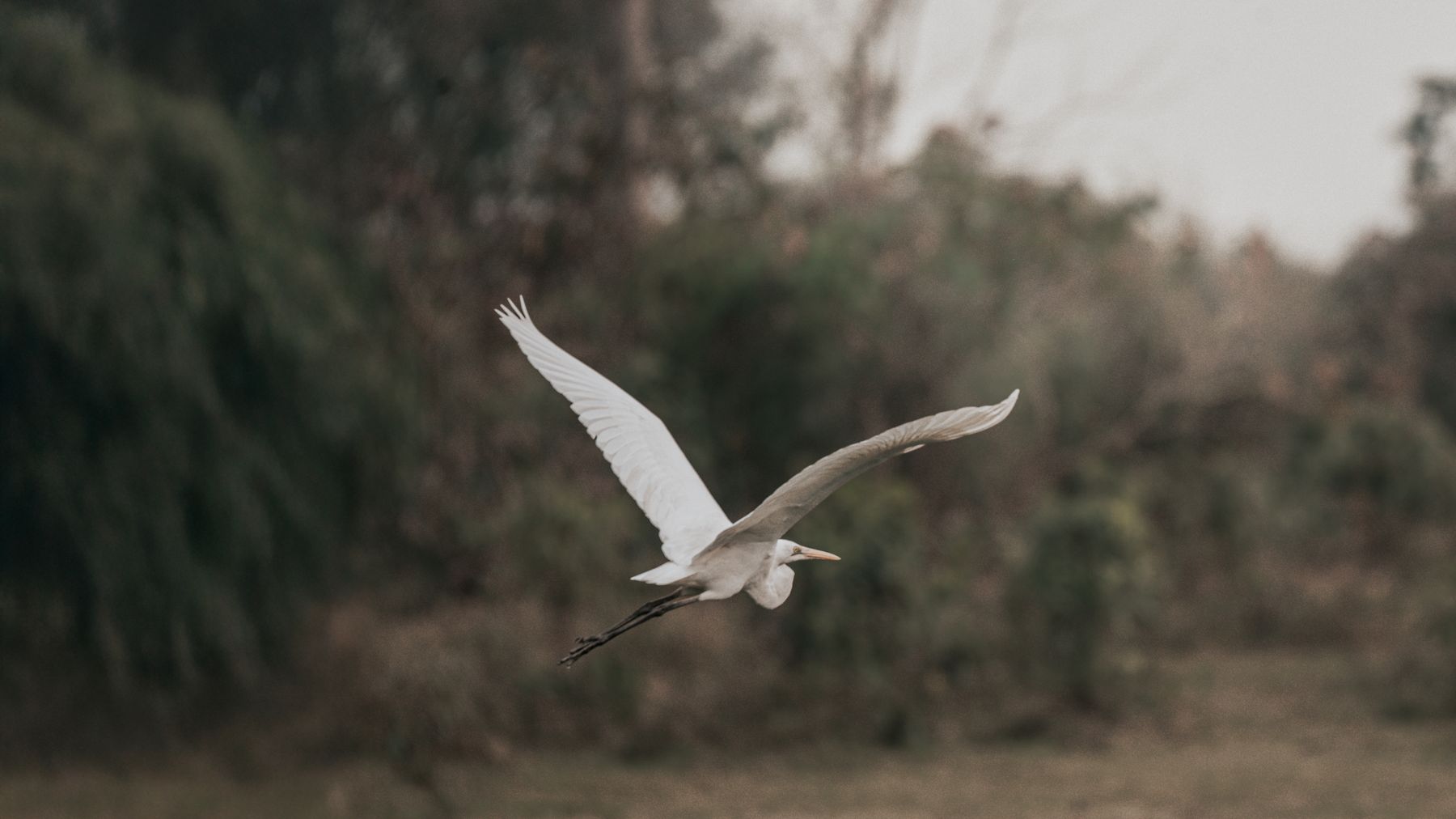
Photo by Nitesh Mehera on Pexels
Peak, shoulder, and off-season breakdown
Peak: December to January
Weather is perfect, hotels are occupied, prices are at their highest (though still cheap — 250,000–400,000 VND per night for mid-range rooms). Book accommodation in advance. Tram Chim can feel busy by Dong Thap standards (20–30 visitors on a morning boat tour).
Shoulder: November and February
Weather remains good, crowds thin out, and prices drop slightly. November has the bonus of harvest activity; February is warm and dry but the landscape is less verdant. Both are excellent for visiting without the pressure of peak-season bookings.
Off-season: March to October
March–April is hot and quiet. May–October is wet and quiet. Hotels discount rooms to 150,000–250,000 VND. Tour operators run trips with smaller groups or on request. Restaurants and guides are available but don't expect standardized hours. If you're flexible and heat- or rain-tolerant, this is when you'll have the province to yourself.

Photo by Edouard CHASSAIGNE on Pexels
What to do in each season
Wet season (May–October): birdwatching, photography, cycling in rain
Tram Chim and Tra Su are at their best for water-bird sightings. The flooded plains create landscape photography opportunities. If you cycle rural roads in July–August, pack rain gear and start early. Buffalo wallows and mud roads become part of the experience.
Dry season (November–February): motorbike touring, harvest visits, kayaking
Clear skies suit motorcycle day trips through rice villages. November–December rice harvests draw you into fields and local markets. Kayaking or boat tours on the Mekong become pleasant rather than sweaty.
Hot season (March–May): minimal tourism, heat-beating swims, pagoda visits
Heat clears tourists out entirely. If you're here, focus on indoor temple visits, swimming in the Mekong, and late-afternoon activities. This is when local life slows and you see Cao Lanh as residents experience it.
Practical notes
Dong Thap remains one of Vietnam's least-visited provinces by international tourists. You won't find crowds even in peak season. Book accommodation and bird-sanctuary tours a day or two in advance rather than weeks. Bring cash (ATMs in Cao Lanh are reliable) and don't expect English from guides — hire a local translator for 300,000–500,000 VND per day if you want detailed conversation. December–January and November offer the best combination of weather, activities, and manageable heat.
Last updated · May 29, 2026 · independently researched, never sponsored.