This route takes you through two of Vietnam (베트남 / 越南 / ベトナム)'s most remote northern provinces on a single-cylinder bike, past karst cliffs, minority hill-tribe villages, and roads that climb faster than the air thins. It's not a casual loop—expect 6–8 hours of riding on days with zero guard rails—but the payoff is solitude, unscripted encounters, and landscapes that few tourists see.
Day 1 — Hanoi to Ha Giang
Depart Hanoi early (5–6 a.m.) and pick up a rented motorbike from a reputable shop in the Old Quarter (count on 150,000–200,000 VND per day for a semi-automatic 100cc). Take the N2 highway north toward Thai Nguyen, then branch onto the N4A toward Ha Giang town. The first 150 km is mostly flat highway; the landscape flattens further the closer you get to Red River Delta margins.
Stop for lunch in Thai Nguyen (around 60 km from Hanoi (하노이 / 河内 / ハノイ)) at a small "pho" stall near the town center. Most charge 30,000–40,000 VND for a bowl.
Arrive in Ha Giang town by mid-afternoon (total distance ~170 km, 4–5 hours with stops). Check into a basic guesthouse in the town center (150,000–250,000 VND for a fan room, 250,000–350,000 for air-con). Fill your tank (petrol stations are frequent through town) and grab dinner at a street "com tam" vendor near Nguyen Hue Square—crispy rice, pork, egg, and pickled vegetables run 25,000–35,000 VND.
Rest and prepare for two days of genuine mountain riding. The Ha Giang loop starts tomorrow.
Day 2 — Ha Giang Town to Yen Minh and Dong Van
This is the famous "Ha Giang Loop" in miniature. Leave Ha Giang town heading north on the N4 toward Yen Minh. The road climbs steeply into karst limestone terrain almost immediately. Around 40 km from town, you'll reach the first major landmark: Ma Pi Leng Pass (1,900 m elevation gain, switchback road carved into the cliff face). Ride slowly—loose gravel, blind corners, and sheer drops are routine.
Yen Minh (roughly 50 km from Ha Giang) is a small county seat. Stop for a late breakfast of "banh cuon" (steamed rolls) and black coffee at any street stall—12,000–18,000 VND.
From Yen Minh, continue northeast another 50 km to Dong Van. The road deteriorates but vistas open up: terraced Hmong villages, mist-draped limestone towers, and virtually no other traffic. Dong Van sits high on a plateau; many riders feel altitude effects at this elevation.
Stay overnight in Dong Van at a family-run guesthouse (most charge 150,000–200,000 VND for a simple double). Eat dinner at a basic restaurant serving local stir-fries and "ca tru" (a northern fish soup tradition, though you'll see other mountain stews)—meals run 40,000–70,000 VND.
Day 2 total distance: ~100 km over 5–6 hours of technical riding.
Day 3 — Dong Van to Meo Vac and Back
Early start from Dong Van (6–7 a.m.). Head south and east toward Meo Vac, another 35 km of extreme road—more switchbacks, narrower sections, and a few km of unpaved surface. Meo Vac clings to a mountainside; views north into China are literal—the border runs just behind the town.
Spend 2–3 hours in Meo Vac exploring the old French colonial quarter and grabbing lunch at a local stall. Then backtrack the same route to Dong Van (1.5–2 hours). This allows you to rest and acclimatize without committing to a long evening ride.
Dinner in Dong Van again. Turn in early; the ride tomorrow is long and involves major elevation change.
Day 3 distance: ~70 km round-trip, 4–5 hours.

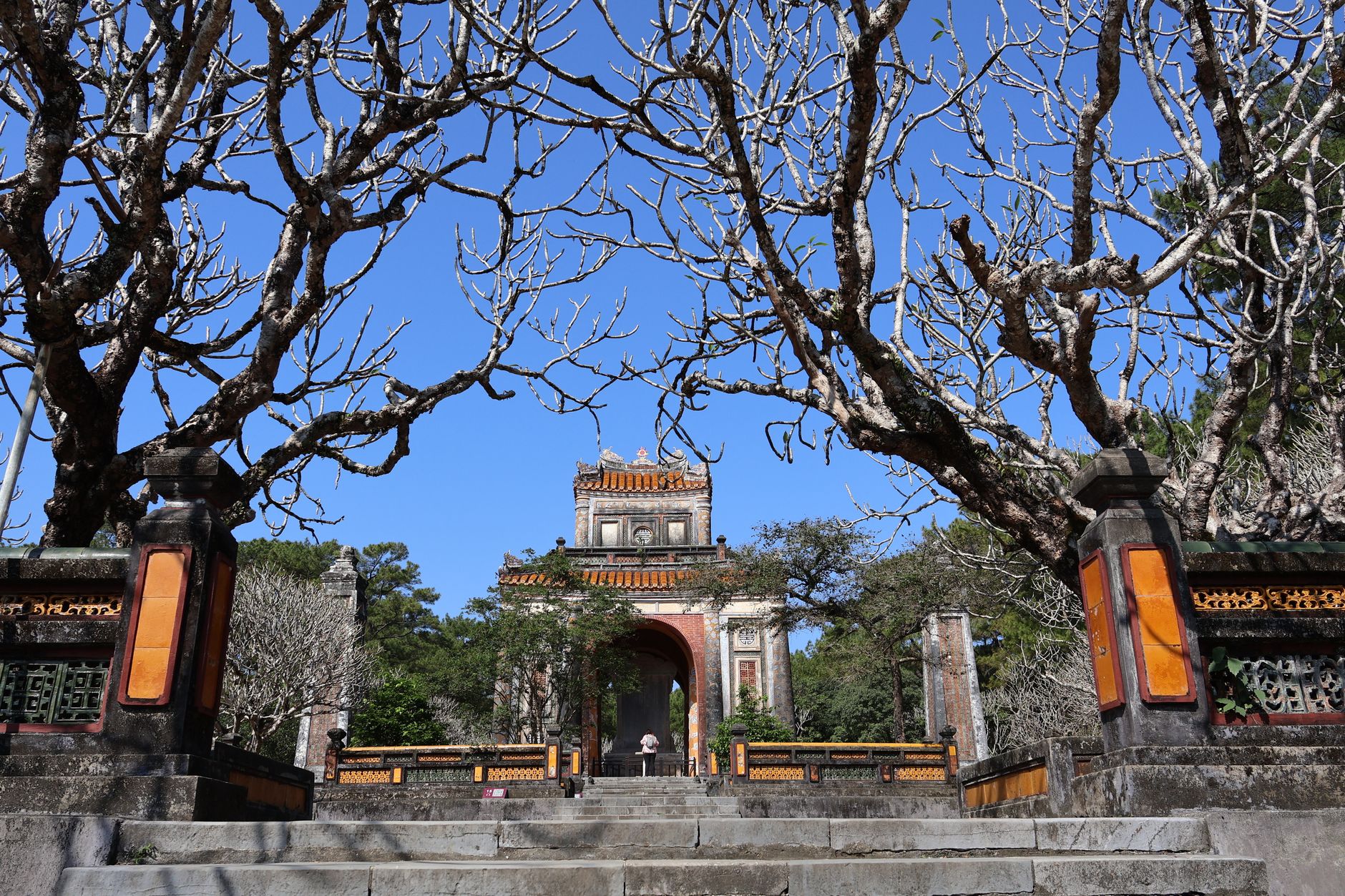
Photo by Quang Nguyen Vinh on Pexels
Day 4 — Dong Van to Cao Bang via Tham Trang Pass
Leave Dong Van early, heading west and then south toward Cao Bang. The first 60 km follow the same road back toward Ha Giang, then branch off westward toward Cao Bang province. You'll climb Tham Trang Pass (around 1,500 m), another exposed switchback section.
Once over the pass, the landscape shifts: fewer Hmong villages, more Red Dao minority settlements, denser forest. The road improves slightly once you drop into Cao Bang valley.
Arrive in Cao Bang town by late afternoon (total ~140 km, 6–7 hours with stops). Rest at a guesthouse (similar rates: 150,000–250,000 VND). Eat a heavy dinner—you'll need energy for tomorrow's waterfalls and cave visit.
Day 4 distance: ~140 km, 6–7 hours.
Day 5 — Cao Bang: Ban Gioc Falls and Nguom Ngao Cave
Dedicate today to Cao Bang's two major attractions without long-distance riding.
Ban Gioc Falls lies 50 km northeast of Cao Bang town, close to the Chinese border. Ride slowly through rural Cao Bang—the last 15 km is a minor road through a limestone plateau. The waterfall itself is a 30-meter cascade straddling the border; you can wade in the pool at the base (bring a change of clothes). Entry is free; a local guide (optional, 50,000–100,000 VND) will point out viewpoints and photo angles.
Return to Cao Bang town for a late lunch. In the afternoon, visit Nguom Ngao Cave (also called "Grotto of the Sunshine"), which sits 15 km north of town. The cave is limestone, cathedral-sized, with stalactites and a river running through. Entrance fee is around 30,000 VND; a local guide is mandatory (another 50,000–80,000 VND for a group). The tour lasts 1–1.5 hours.
Return to town by dusk. Dinner at a local restaurant—try "bun rieu", a tangy crab-and-rice-noodle soup typical of Cao Bang (40,000–60,000 VND).
Day 5 distance: ~100 km total riding, easy pace.

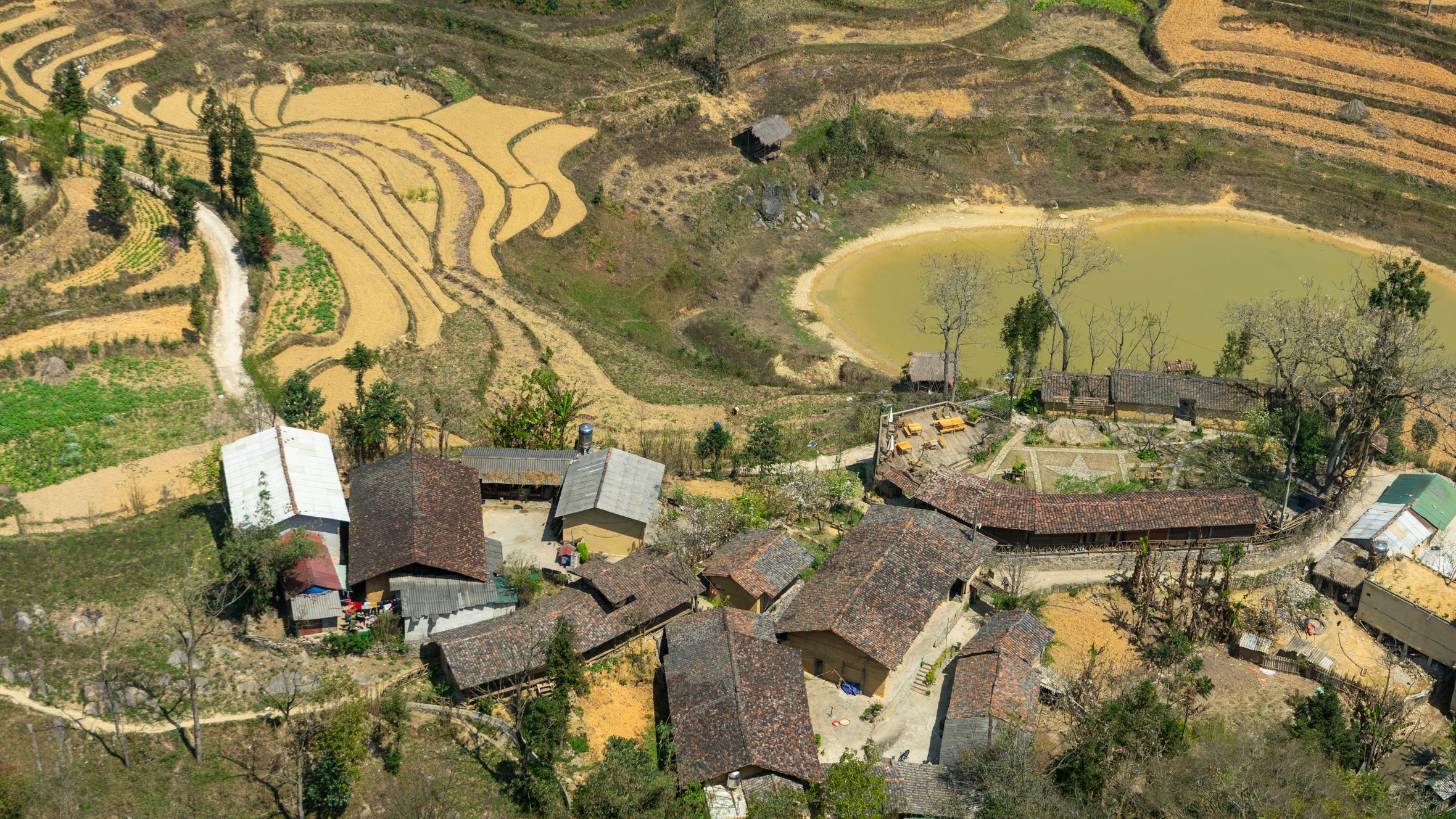
Photo by Quang Nguyen Vinh on Pexels
Day 6 — Cao Bang Town Exploration and Rest Day
Use this as a partial rest day. The 7-day loop is compact; Cao Bang town itself has minimal attractions, but the surrounding area rewards slow exploration.
Visit the local market (early morning, 6–7 a.m.) to see Cao Bang residents buying and selling produce, fresh fish, and dried goods. Walk the town's riverside road. Have breakfast at a coffee stall—Cao Bang coffee is decent and costs 12,000–18,000 VND for a "ca phe sua da" (iced coffee with condensed milk).
If energy permits, take a motorbike ride (~30 km round-trip) to Hang Kham (another cave, less touristy than Nguom Ngao). Otherwise, rest the bike and yourself—tomorrow's return to Hanoi is a long day.
Dinner in town. Early sleep.
Day 7 — Cao Bang to Hanoi
Depart Cao Bang early (5–6 a.m.). The route south retraces your arrival: back through rural plateau, down the N4A toward Thai Nguyen, then onto the N2 highway to Hanoi. Total distance is ~240 km; count on 7–8 hours including fuel and food breaks.
Stop in Thai Nguyen (roughly halfway) for a lunch of "pho" or "banh mi" at a roadside vendor (25,000–40,000 VND). Top up your fuel tank here; petrol is cheaper in smaller towns.
Arrival in Hanoi should be around 4–5 p.m. Return your motorbike to the rental shop. Your legs will be tired, and you'll smell like road dust and petrol, but the view from Ma Pi Leng and the isolation of Meo Vac stay with you.
Day 7 distance: ~240 km, 7–8 hours including breaks.
Frequently Asked Questions
How much does it cost to rent a motorbike for the Ha Giang loop?
Renting a semi-automatic 100cc single-cylinder bike from a shop in Hanoi's Old Quarter costs 150,000–200,000 VND per day. This is the standard setup for the route. Petrol stations are frequent through Ha Giang town, so fueling up before the mountain sections is straightforward. Budget accommodation along the route runs 150,000–350,000 VND per night depending on whether you want a fan or air-con room.
What is the total riding distance and time from Hanoi to Dong Van?
Hanoi to Ha Giang town is roughly 170 km and takes 4–5 hours with stops, covering mostly flat highway via Thai Nguyen. Day 2 adds another 100 km over 5–6 hours of technical mountain riding through Yen Minh and up to Dong Van at around 1,900 m elevation. Expect 6–8 hours in the saddle on the harder days, with no guard rails on sections like Ma Pi Leng Pass.
When should you leave Hanoi to reach Ha Giang town the same day?
Depart Hanoi between 5 and 6 a.m. to arrive in Ha Giang town by mid-afternoon. The 170 km route runs north on the N2 highway toward Thai Nguyen, then branches onto the N4A. A lunch stop in Thai Nguyen at around the 60 km mark adds time but keeps the ride manageable. Arriving before dark gives you time to fuel up, find a guesthouse, and eat before the loop begins the next morning.
Practical notes
Bring a certified motorcycle license (international permit recommended, though enforcement is lax). Expect single-digit cell coverage in mountain zones. Cash (VND) is essential—ATMs vanish after you leave Ha Giang town. Rain can hit suddenly in valleys; lightweight rain gear or a packable jacket is wise. Motorbike rental shops in Hanoi will ask for a deposit (usually 2–3 million VND held on a credit card) and require a passport photocopy. Fuel averages 23,000–25,000 VND per liter. Night riding is hazardous due to ruts, livestock, and zero lighting on mountain roads—always ride in daylight.
Last updated · May 29, 2026 · independently researched, never sponsored.