What it is
Hang Thong Tram Tuoi — literally "the hundred-year-old pine row" — is a 1.5 km stretch of colonial-era pine trees flanking both sides of a road in Gia Lai province, deep in Vietnam's Central Highlands (중부 고원 / 中部高原 / 中部高原). The pines were planted by the French in the early 1920s, originally to shade a route connecting highland outposts. A century later, roughly 700 trees remain, their trunks thick and bark deeply furrowed, branches interlocking overhead to form a green tunnel that filters sunlight into shifting patterns on the asphalt below.
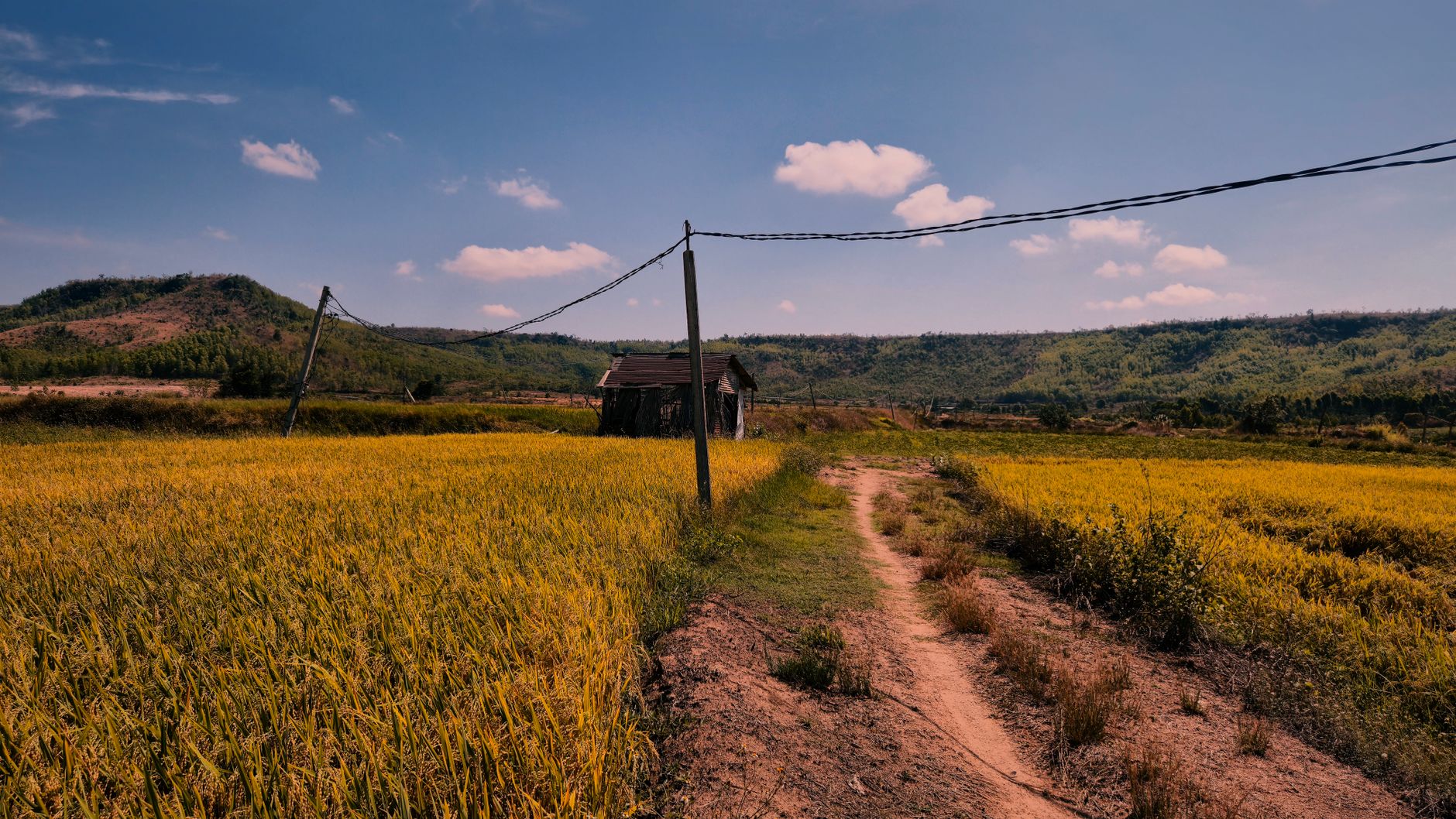
The site sits along the road between Pleiku city center and the Bien Ho (Sea Lake) area, making it easy to pair with other stops in the region. Unlike manicured tourist attractions, this is simply a road — no ticket booth, no souvenir shops. That's part of the appeal.
Why travelers go
Most visitors come for photography. The light filtering through the canopy changes dramatically between early morning, midday, and late afternoon, and the road is quiet enough that you can stand in the middle of it without much worry about traffic (though keep your ears open). The trees have a weight to them — you can feel that these aren't recent plantings. Their scale and the silence of the surrounding landscape create something genuinely atmospheric.
For cyclists and motorbike riders doing the Central Highlands loop, Hang Thong Tram Tuoi is a natural pause between Pleiku and the volcanic lakes east of the city. It's not a destination you'd fly to Vietnam (베트남 / 越南 / ベトナム) for, but if you're already in Gia Lai — and more travelers are discovering this province each year — it's one of those quiet, unhurried places that sticks with you.
Best time to visit
Gia Lai has two seasons: dry (November to April) and wet (May to October). The pine road looks good year-round, but the best light and driest conditions come between December and March. Mornings around 6:30–7:30 AM offer soft golden light and near-zero traffic. If you visit during the rainy season, aim for early morning before afternoon storms roll in — the wet trunks and misty air can be atmospheric in their own way.
Weekends bring a handful of domestic visitors, especially photography groups from Pleiku. Weekdays are emptier.
How to get there
From Pleiku city center, the pine road is roughly 7 km north, heading toward Bien Ho lake on the QL14 highway. The drive takes about 15 minutes by motorbike. You'll see the trees start on both sides of the road — it's not subtle.
Getting to Pleiku:
- By air: Pleiku Airport (PXU) has daily flights from Saigon (1 hour 10 minutes, typically 800,000–1,500,000 VND one-way) and Hanoi (1 hour 40 minutes). The airport is 5 km from the city center.
- By bus: Sleeper buses run from Da Nang (8–9 hours, around 250,000 VND), Quy Nhon (4 hours, 150,000 VND), and Saigon (12 hours, 350,000 VND).
- By motorbike: Many riders reach Gia Lai as part of a Central Highlands loop from Da Lat or Hoi An. The QL19 from Quy Nhon through An Khe Pass is a solid route.
Once in Pleiku, rent a motorbike (120,000–150,000 VND/day from most guesthouses) or grab a Grab bike.

Photo by Ahmad Malulein on Pexels
What to do
The pine road itself takes about 20–30 minutes to walk end to end. Beyond photos:
- Combine with Bien Ho: The volcanic lake is just 2 km further north. It's large, calm, and surrounded by coffee plantations. No entrance fee.
- Visit a coffee farm: Gia Lai is one of Vietnam's major robusta-growing provinces. Several small farms near the pine road welcome visitors — ask your guesthouse. A cup of fresh-roasted vietnamese coffee here tastes noticeably different from what you'd get in Hanoi or Saigon.
- Drive to Chu Dang Ya volcano: About 30 km northeast of Pleiku, this extinct crater is carpeted in wild sunflowers each November. The road there passes through Bahnar and Jarai villages.
Where to eat
Pleiku's food scene is underrated. A few things worth seeking out:
- "Pho kho" (dry pho): A Gia Lai specialty — rice noodles tossed with garlic oil and scallions, served with broth on the side. Try it at Pho Kho Hong on Nguyen Van Troi street (30,000 VND).
- "Bun bo Hue" Gia Lai-style: Several stalls near Pleiku's central market serve a highlands variation with extra lemongrass punch. 35,000–40,000 VND.
- Grilled chicken with "com lam" (bamboo rice): A Bahnar highland staple. Quan Nem Nuong Thanh Loan on Le Loi street does a solid version. Around 80,000 VND for a shared plate.
- "Ca phe sua da" at any of Pleiku's small sidewalk cafes — the local robusta is strong, bitter, and exactly what you want at 6 AM before heading to the pine road.
Where to stay
Pleiku has limited upscale accommodation but plenty of functional options:
- Hoang Anh Gia Lai Hotel: The nicest hotel in town, owned by the local agricultural conglomerate. Clean rooms, pool, around 600,000–900,000 VND/night.
- Duc Long Hotel: Mid-range, central, reliable. 350,000–500,000 VND.
- Guesthouses near the market: Basic rooms from 200,000 VND. Fine for a night or two.
Booking.com and Agoda have limited Pleiku listings. Walk-ins are usually fine except during local festivals.
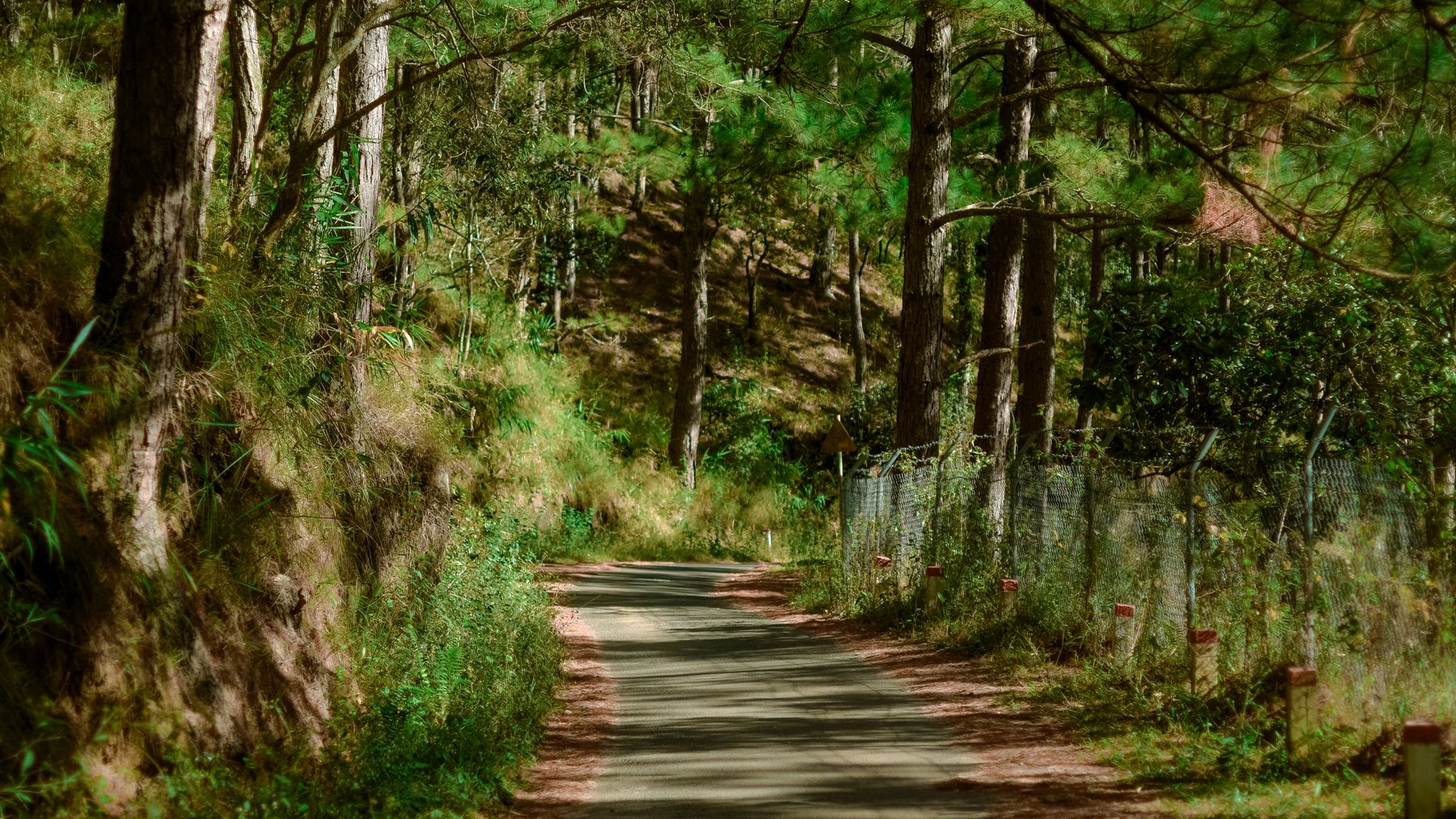
Photo by Dongdilac on Pexels
Practical tips
- Bring a light jacket. Pleiku sits at 750 m elevation and mornings can be cool (18–22°C in December–January).
- There's no entrance fee and no official opening hours for the pine road — it's a public road.
- If you're shooting photos, a polarizing filter helps cut glare through the canopy.
- Fill up your motorbike in Pleiku before heading out. Gas stations are sparse once you go further north.
Common mistakes
- Rushing through: Some visitors snap a photo from the motorbike and leave. Walk the full stretch — the scale only registers on foot.
- Visiting midday: The light is flat and harsh between 11 AM and 2 PM. Early morning or late afternoon only.
- Skipping Pleiku's food: Travelers often treat Pleiku as a transit stop. Budget at least one full evening to eat your way through the market area.
- Not combining with Bien Ho: The lake is practically next door. Doing both takes half a morning and gives you a much fuller picture of Gia Lai's landscape.
Practical notes
Gia Lai remains off most international tourist radars, which means fewer English menus and less tourist infrastructure — but also fewer crowds and lower prices. Basic Vietnamese phrases help. The pine road is free, quiet, and best enjoyed slowly. If you're riding the Central Highlands loop between Da Lat and Hoi An, Pleiku deserves more than a fuel stop.
Last updated · May 29, 2026 · independently researched, never sponsored.