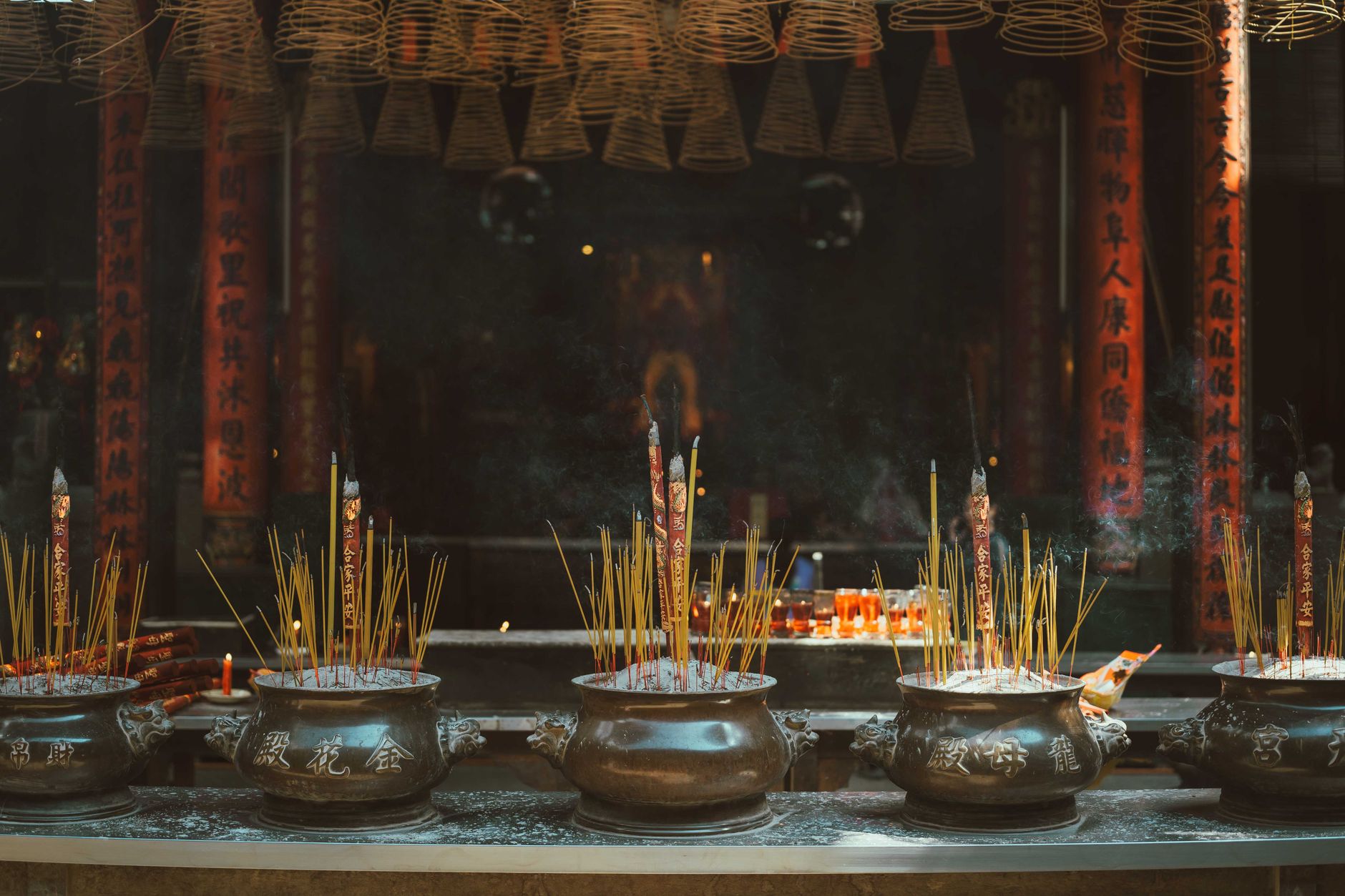
The Old Quarter is where Hanoi started, and despite the tourist shops selling the same lacquer paintings on every corner, the bones of the old guild city are still there if you know where to look.
How the 36 Streets Got Their Names
The system dates to the 15th century, when craftsmen and merchants from the same trade clustered together and gave their street a name starting with "Hang" — meaning "goods" or "merchandise." Hang Bac (silversmiths), Hang Vai (fabric), Hang Thiec (tin), Hang Ma (votive paper goods). There were never exactly 36 streets — that number is a poetic convention in Vietnamese culture, a round figure that stood for "many." Today there are closer to 70 streets in the quarter, and the trades have mostly moved on, though a handful of the original craft streets still function more or less as advertised.
Where the Craft Streets Still Hold
Hang Ma is the most vivid survivor. The street sells paper offerings for ancestor worship — paper motorbikes, paper iPhones, paper money — year-round, but doubles down around Tet and the Mid-Autumn Festival. The colors are loud and the stalls stay open late. It's one block worth walking slowly.
Hang Bac still has silversmiths and jewelry shops, though the silver content of what's sold varies wildly. The workshops behind a few of the shopfronts are real — look for the older men bent over small torches at the back of narrow ground-floor spaces.
Hang Thiec, between Hang Non and Thuoc Bac, is the tin street that actually still smells like metal. Shops cut and solder custom guttering, ventilation ducts, and signage. It's loud in the morning, quieter by afternoon. No tourist angle whatsoever, which is part of the appeal.
Hang Chieu (mats and rattan) and Hang Buom (sails, now candy and preserved fruit) are worth a pass-through for context even though the trades are partly gone.
A Practical Walking Route
Start at Dong Xuan Market at the north end of the quarter. It opens early and the ground floor sells fresh produce, meat, and dried goods in a faded covered hall that dates to French colonial construction. The upper floors are wholesale fabric and clothing — less interesting unless you're buying.
From Dong Xuan, head south on Hang Chieu, then cut east on Hang Ma. Walk the full length of Hang Ma to Hang Thiec, turn south down to Hang Non, then west onto Hang Gai — this is "Silk Street," now lined with tailors and ao dai shops. The quality here ranges from tourist-grade to genuinely good; the better tailors are deeper into the street, not the ones nearest Hoan Kiem Lake.
From Hang Gai, cut south to reach the lake. The Temple of Literature is further southwest and worth a separate half-day, but from Hoan Kiem you can circle back north through the tighter lanes — Ta Hien, Luong Ngoc Quyen, Dinh Liet — where the bar and food density is highest.
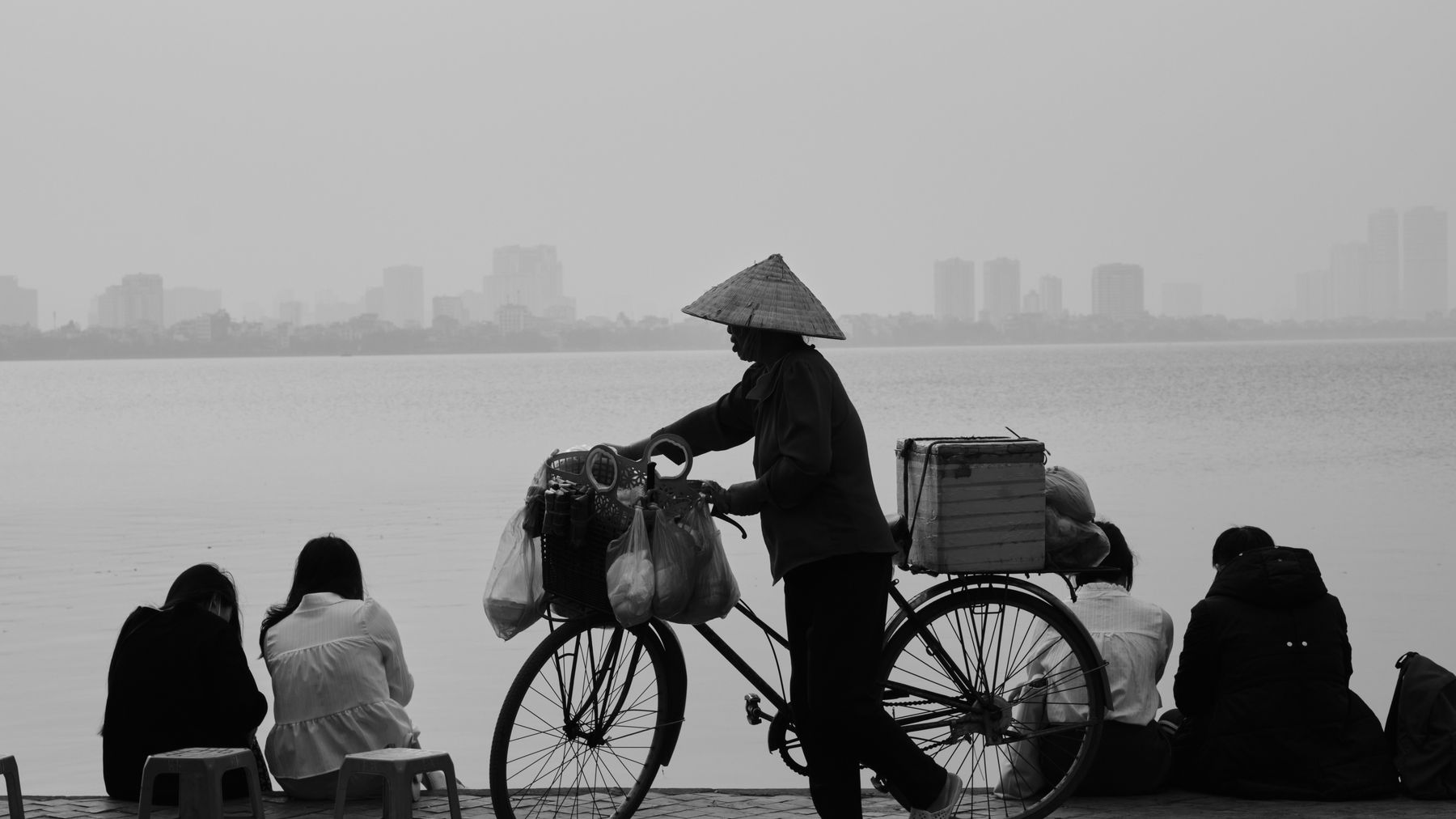
Photo by Thuan Pham on Pexels
Old Houses Worth Visiting
87 Ma May is the most accessible example of a preserved tube house — the narrow, deep residential typology that crammed maximum frontage onto street-facing plots. Entry costs around 10,000 VND. The courtyard in the middle and the ancestral altar at the back are both intact. It runs about 15 meters deep on a 4-meter frontage. Spend 20 minutes here before the crowds.
38 Hang Dao is less visited and closes intermittently, but the facade alone illustrates the French-Vietnamese hybrid style that defines the quarter's look — louvered shutters, recessed balcony, tiled entrance.
Street Food, Block by Block
"Pho" in the Old Quarter is ubiquitous but not always good. The version worth seeking is at Pho Thin on Lo Duc, just outside the quarter's southern edge — stir-fried beef pho, unusual technique, reliable quality.
For "bun cha (분짜 / 烤肉米粉 / ブンチャー)", the grilled pork and vermicelli dish, Bun Cha Hang Quat on the street of the same name is straightforward and local in feel. Lunch only, gone by 1:30 PM.
The egg coffee situation: Ca Phe Giang on Nguyen Huu Huan is the origin-story cafe. Egg coffee — "ca phe trung" — was invented here in the 1940s when milk was scarce and the owner used whipped egg yolk instead. The upstairs room, accessed through a narrow alley, has barely changed. A cup runs 30,000–40,000 VND.
Hang Buom has a cluster of banh mi carts in the early morning, gone by 8 AM. "Banh mi" here means a proper Vietnamese baguette sandwich — pork, pate, pickled vegetables, chili. Around 25,000–35,000 VND.
Ta Hien Street at night is the bia hoi hub — "bia hoi" being fresh-brewed draft beer, dispensed from kegs at low plastic tables. Around 7,000–10,000 VND per glass. It's chaotic and fun and honest about what it is.
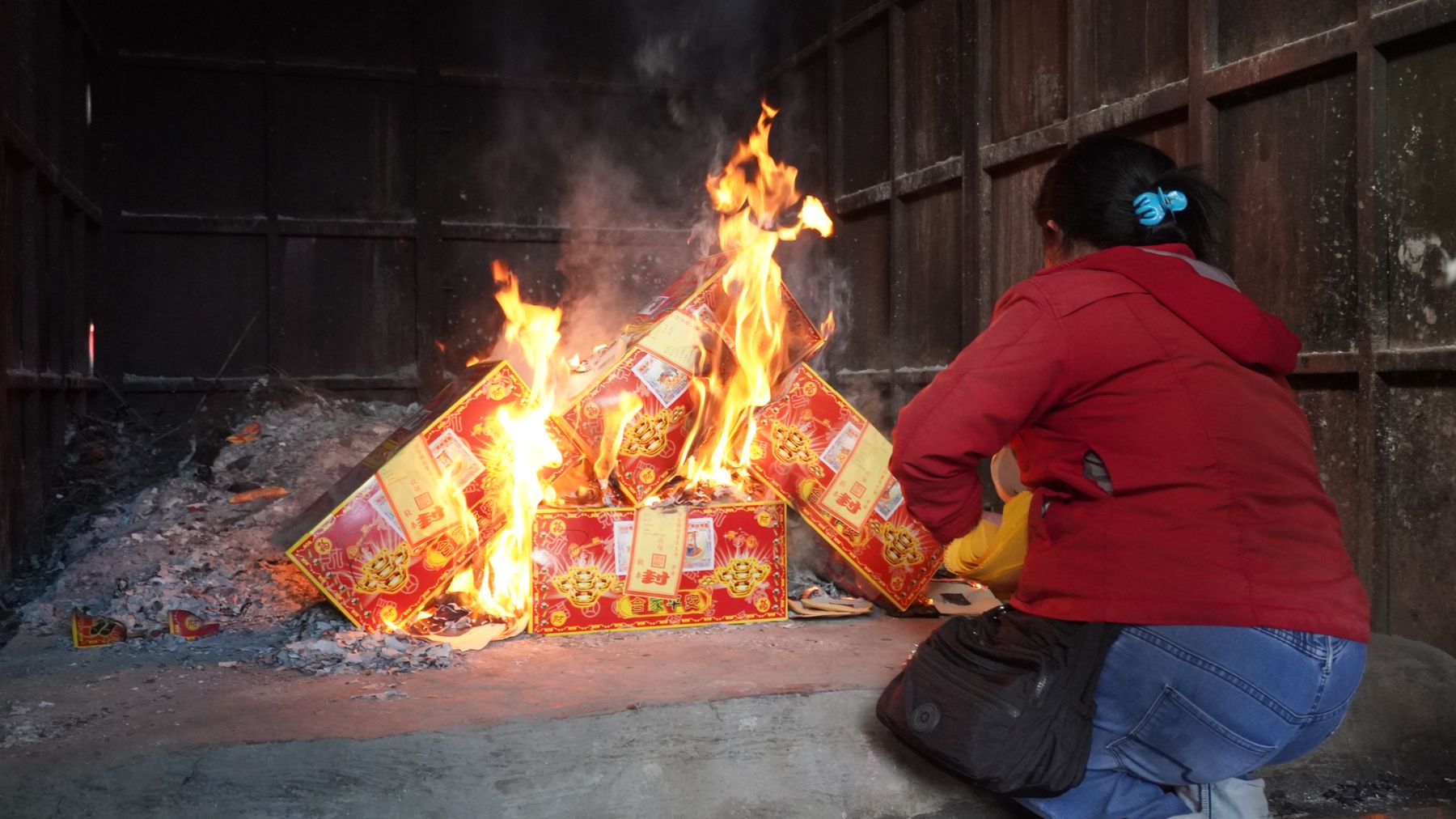
Photo by Hendry Setiawan on Pexels
Where to Base Yourself
Staying inside the Old Quarter means noise — motorbikes and karaoke until late. The blocks between Hang Bong and the lake are the quietest compromise: still walkable to everything, slightly less street-level chaos. Budget guesthouses concentrate on Hang Bac and Luong Ngoc Quyen; mid-range boutique hotels have spread through the converted tube houses on Ma May and Hang Buom.
If you're light-sensitive to noise, the French Quarter (around Trang Tien and Hai Ba Trung) is quieter and only 1.5 km from the Old Quarter's southern edge.
Practical Notes
The Old Quarter is best walked before 9 AM when deliveries are happening and fewer tourists are out — the streets read as a working neighborhood, not a set. Wear shoes you can walk 8–10 km in; the pavements are uneven and frequently occupied by parked motorbikes. Most street food stalls are cash only; keep small bills (10,000–50,000 VND denominations) in a front pocket.
Last updated · May 29, 2026 · independently researched, never sponsored.