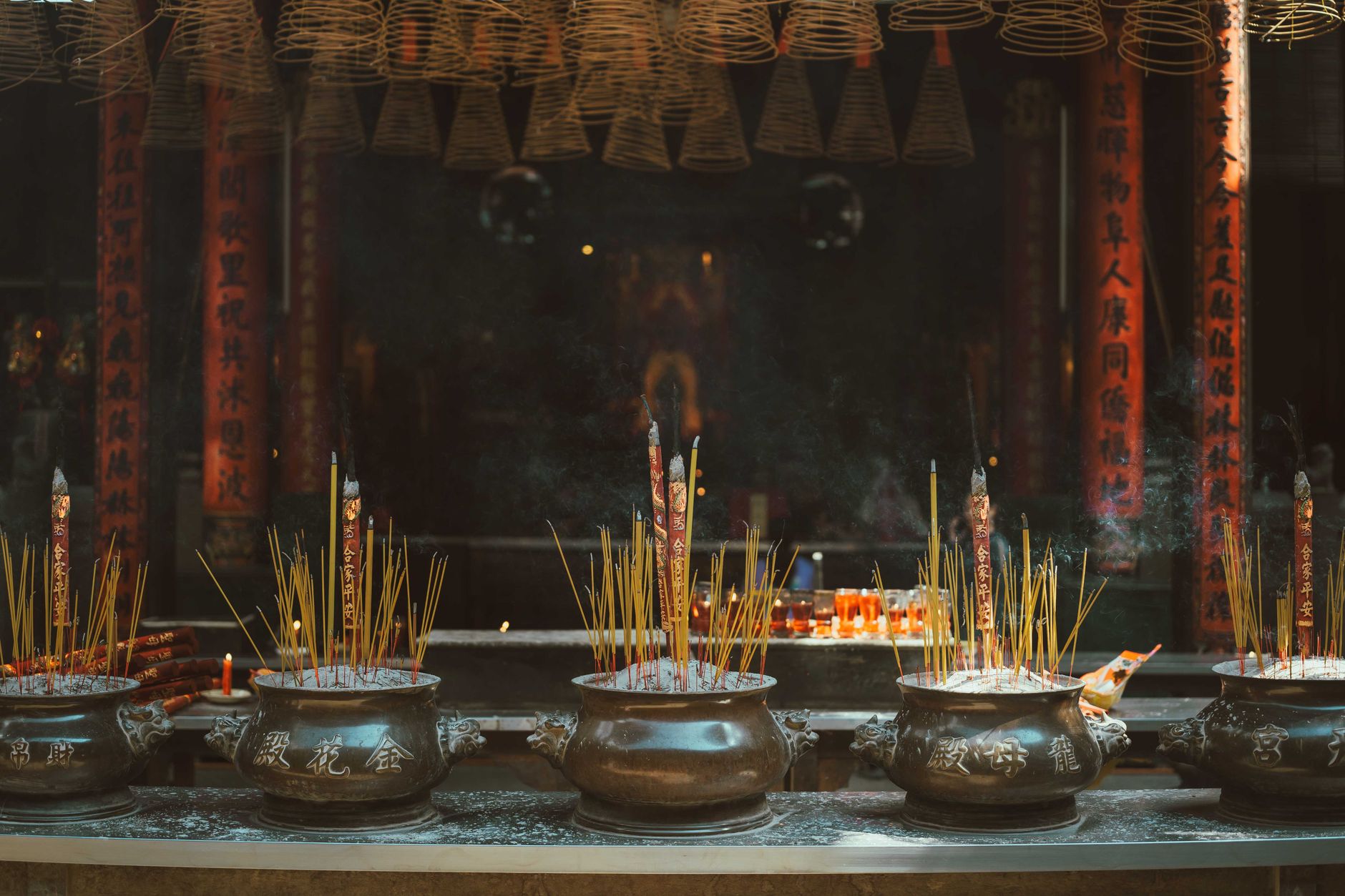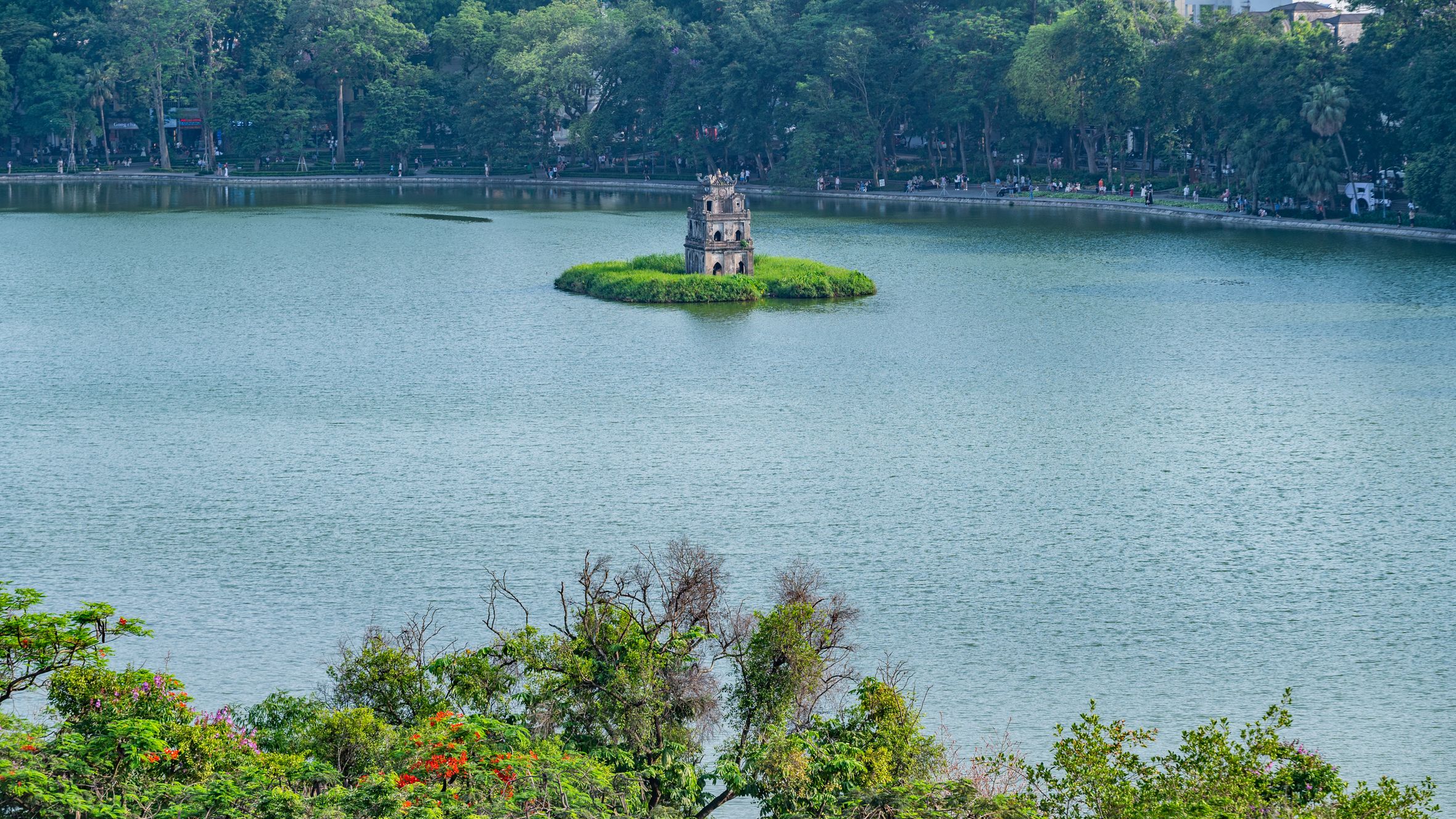
Hoan Kiem Lake sits in the heart of central Hanoi, a 2-km perimeter of water that has shaped the city's pulse for centuries. Most visitors come for the folklore—the legend of the returned sword—but stay for the morning joggers, temple incense, and unexpected quiet of pre-dawn walks.
The Legend and Early History
The lake's name means "Returned Sword." According to legend, in the 15th century Emperor Le Loi emerged from these waters with a magical sword gifted by the gods, which he used to defeat Chinese occupiers. After victory, a golden turtle rose from the lake and took the sword back—a payment of debt to the heavens. The sword was never seen again.
Archaeologists date habitation around the lake to the Tran Dynasty (1225–1400), but the "returned sword" story crystallized later as a patriotic origin myth. Whether you believe the legend or not, it shapes how Hanoians see the lake: as a place of history, restoration, and release.
Walking the Lake Loop
The perimeter walk is roughly 2 km and takes 25–35 minutes at a normal pace. Start early—5:30 to 6:30 a.m. is ideal. The paths are flat, well-lit, and almost always crowded with locals doing tai chi, power-walking, or jogging. You'll pass small exercise equipment stations (free, old-school metal bars for pull-ups), park benches, and street vendors setting up coffee and "banh mi" carts.
Begin on the eastern shore near the Turtle Tower (Thap Rua), a stone pagoda on a small island. You won't go inside (it's closed to visitors), but the view is iconic. Continue north along Dinh Tien Hoang Street, then west across the Red River Bridge area, before looping south on Lo Su and Hang Dau Streets back to your starting point.
The western shore, facing the Old Quarter, is livelier and more photogenic at sunrise. The eastern shore (Tran Nhat Duat Street) is quieter, with older trees and fewer tourists.
Ngoc Son Temple and The Huc Bridge
Ngoc Son Temple sits on a small peninsula on the northwestern side of the lake and is reached by the iconic red wooden The Huc Bridge ("Rising Sun Bridge"). Entry is 30,000 VND; it opens at 8 a.m.
The temple was built in the 17th century, renovated in the 19th, and dedicated to Tran Hung Dao, a celebrated general who defended Vietnam against Mongol invasions. Inside are statues, incense offerings, and a small courtyard with a stone turtle sculpture. The bridge itself—painted bright red and arched—is the most photographed span in Hanoi (하노이 / 河内 / ハノイ) and has become a symbol of the city itself.
Visit by 8:15 a.m. if you want to avoid crowds. By 9 a.m., tour groups fill the bridge and temple interior. If you're there midday, you can sit in the small tea shop inside the temple courtyard (coffee 15,000–20,000 VND) and watch the lake reflect the Old Quarter's narrow streets across the water.
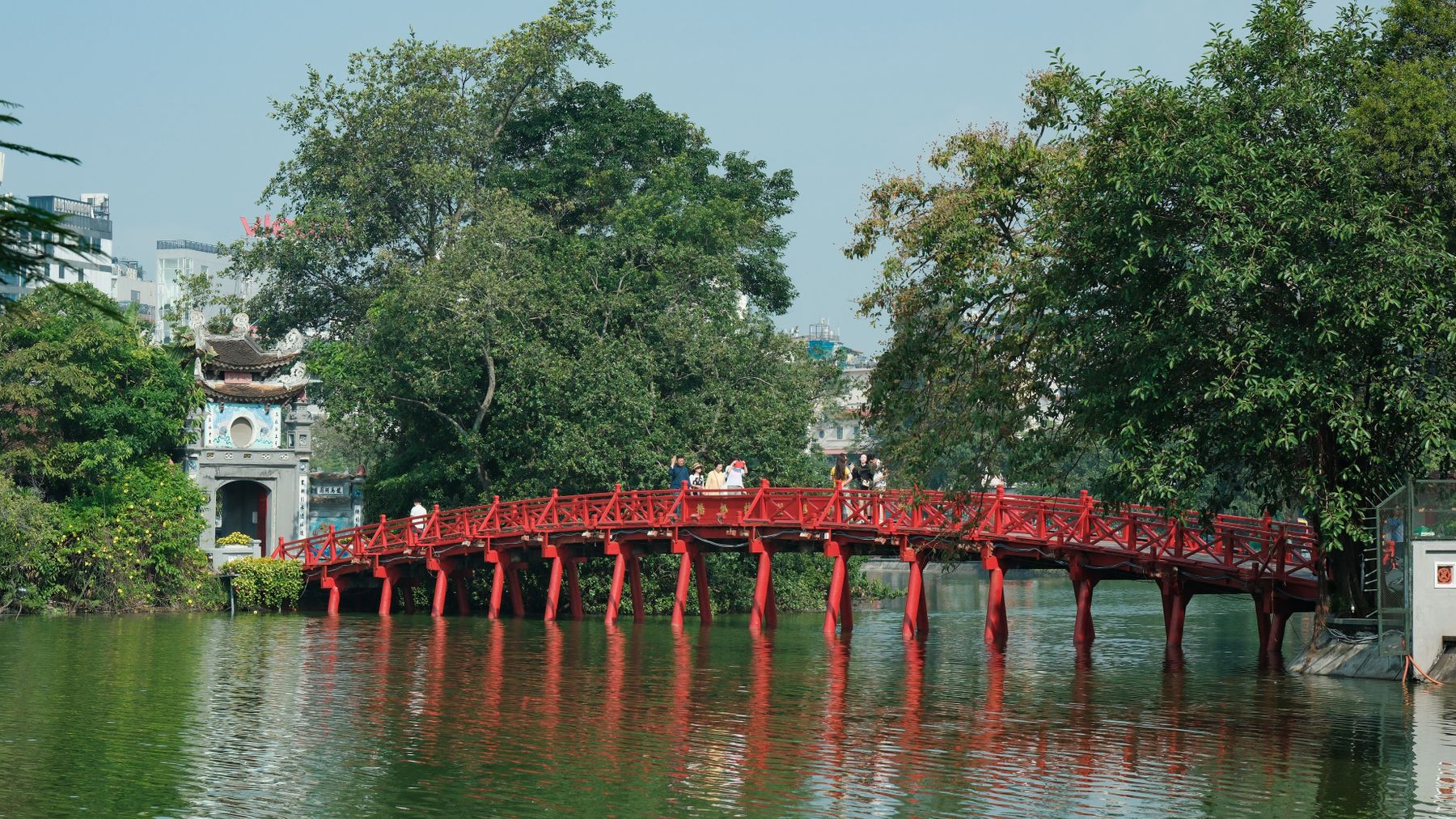
Photo by tu nguyen on Pexels
Pedestrian Streets and Timing
Friday, Saturday, and Sunday evenings (6 p.m. to 11 p.m.), Hanoi closes six streets around the Old Quarter to motor traffic: Hang Dau, Hang Buom, Hang Hom, Lo Su, Trang Tien, and Ta Hien. The lake's southern shore becomes a promenade of street food, coffee carts, and walking crowds. This is when the lake feels most alive as a social space—less of a morning jogging track, more of an urban gathering place.
If you prefer solitude, avoid these times. The quietest hours are 5 a.m. to 7 a.m. on weekdays.
Coffee with a View
Two reliable spots overlook the lake's eastern shore:
Cau Go Vietnamese Cuisine (Tran Nhat Duat Street, just south of the lake) has a second-floor balcony facing the water. Coffee 30,000–50,000 VND; breakfast runs 50,000–150,000 VND. It fills quickly by 8 a.m.
Polite Coffee (a few blocks away on Trang Tien) is a smaller cafe with fewer views but strong "ca phe sua da (연유커피 / 越南冰咖啡 / ベトナムアイスコーヒー)" (Vietnamese iced coffee) and pastries. 25,000–35,000 VND.
For a sit-down meal with views, Quoc An Quan (Hang Dao Street, facing the lake's south side) serves traditional northern dishes and "pho". Lunch mains are 80,000–200,000 VND.

Photo by Linh Tran on Pexels
Photography Tips
The Turtle Tower is best shot from the eastern shore just after sunrise, when the light is soft and the tower stands in silhouette against a pale sky. From the promenade near Dinh Tien Hoang Street, you get the clearest angle.
The Huc Bridge is most photogenic at dawn—empty or nearly empty, with mist rising off the water. By 9 a.m., selfie sticks and tour groups dominate the frame. Shoot from the western shore before crossing.
The full loop reveals itself best from above. The Sheraton Hanoi, overlooking the lake's northwest corner, has a rooftop bar open to non-guests for drinks (180,000+ VND per person). Order a drink and shoot the entire perimeter from above.
Avoid midday (11 a.m. to 3 p.m.) unless you like harsh shadows and washed-out colors. Overcast mornings are underrated—diffuse light makes the temple architecture and water reflections more dramatic.
Frequently Asked Questions
How long does it take to walk around Hoan Kiem Lake?
The perimeter loop is roughly 2 km and takes 25-35 minutes at a normal pace. The path is flat and well-lit. Start on the eastern shore near the Turtle Tower (Thap Rua) and follow Dinh Tien Hoang Street north, then loop back south along Lo Su and Hang Dau Streets. The western shore facing the Old Quarter is livelier at sunrise; the eastern shore is quieter with older trees.
What is the entry fee for Ngoc Son Temple on the lake?
Entry to Ngoc Son Temple is 30,000 VND. The temple opens at 8 a.m. and is reached by the red wooden The Huc Bridge on the lake's northwestern side. It was built in the 17th century and is dedicated to general Tran Hung Dao. Arrive by 8:15 a.m. to avoid crowds — tour groups fill the bridge and interior by 9 a.m. A small tea shop inside the courtyard serves coffee for 15,000-20,000 VND.
When are the pedestrian streets around Hoan Kiem Lake open to walkers?
Every Friday, Saturday, and Sunday evening from 6 p.m. to 11 p.m., Hanoi closes six streets around the Old Quarter to motor traffic, including Hang Dau, Lo Su, and Trang Tien. The lake's southern shore becomes a street food and coffee promenade during these hours. For the opposite experience, weekday mornings between 5 a.m. and 7 a.m. are the quietest, with mostly local joggers and tai chi groups.
Practical Notes
The lake is safe and accessible year-round. Bring water; there are few vendors on the remote stretches of the eastern shore. Wear mosquito repellent in the rainy season (May–October). If you want to experience both the quiet morning walk and the bustling weekend evening, plan two visits or structure a longer morning: 5–7 a.m. for jogging, 8–10 a.m. for the temple, and return Friday or Saturday evening for food and crowds.
Last updated · May 26, 2026 · independently researched, never sponsored.