Hoi An has a reputation for cheap "cao lau" and tourist-friendly set menus, but look past the lantern-lit Old Quarter and you'll find a small, confident fine-dining scene built around Vietnamese ingredients and technique. These aren't fusion experiments or white-tablecloth imitations of French cuisine — the best places here are genuinely rethinking what Vietnamese food can be at a higher price point.
Streets & Sala: The Two Names That Come Up Most
If you ask any long-term Hoi An (호이안 / 会安 / ホイアン) resident where to eat seriously, Streets International Restaurant on Phan Boi Chau comes up almost immediately — not because it's the flashiest room in town, but because the food is grounded and the story behind it matters. It's a training restaurant run by Streets International, a nonprofit that brings at-risk youth into hospitality careers. The menu leans into central Vietnamese classics: expect refined versions of "banh xeo" (the crisp turmeric crepe filled with shrimp and bean sprouts), slow-braised pork belly with pickled mustard greens, and a fish cooked in clay pot that's been done properly with good-quality local catch rather than frozen import. Mains run 180,000–320,000 VND. Book ahead — it fills up, especially on weekends — and go knowing that your bill is funding something real.
Sala Restaurant, tucked just off Tran Phu near the Japanese Covered Bridge, takes a different approach: quieter room, longer tasting menu, more plating ambition. Chef Son trained abroad and came back with a clear point of view — Vietnamese flavor profiles executed with French technique, but not in a cliched way. His "mi quang" rework — the turmeric noodle dish native to Quang Nam province — strips it back to its essentials and rebuilds it with hand-rolled noodles and a more concentrated shrimp broth. The five-course set menu sits around 750,000–950,000 VND per person. Wine pairing is available but the markup is steep; the Vietnamese herbal iced teas they make in-house are a better call.
The Ancient Town Options Worth the Walk
Mango Mango on Nguyen Thai Hoc has been around long enough that some visitors dismiss it as established and therefore safe and therefore boring. That's a mistake. It still produces some of the most consistent elevated Vietnamese food in the Old Quarter. The "goi cuon" (fresh spring rolls) here come with grilled pork and a tamarind dipping sauce that's noticeably better than the generic peanut sauce version you'll find at every other table in town. The crab dishes — when the local blue swimmers are in season, roughly October through February — are the reason regulars come back. Plan for 400,000–700,000 VND per person for a full meal with drinks.
Nhà Hang Lam, smaller and less visible on Le Loi, runs a focused menu of Quang Nam regional dishes done carefully. It's not fine dining in the white-linen sense, but the sourcing is honest and the kitchen is serious. The "banh canh" here uses a broth that's been going since morning — you can taste it. Prices are gentler, 150,000–250,000 VND per main, making it a good option if you want quality without committing to a tasting-menu evening.

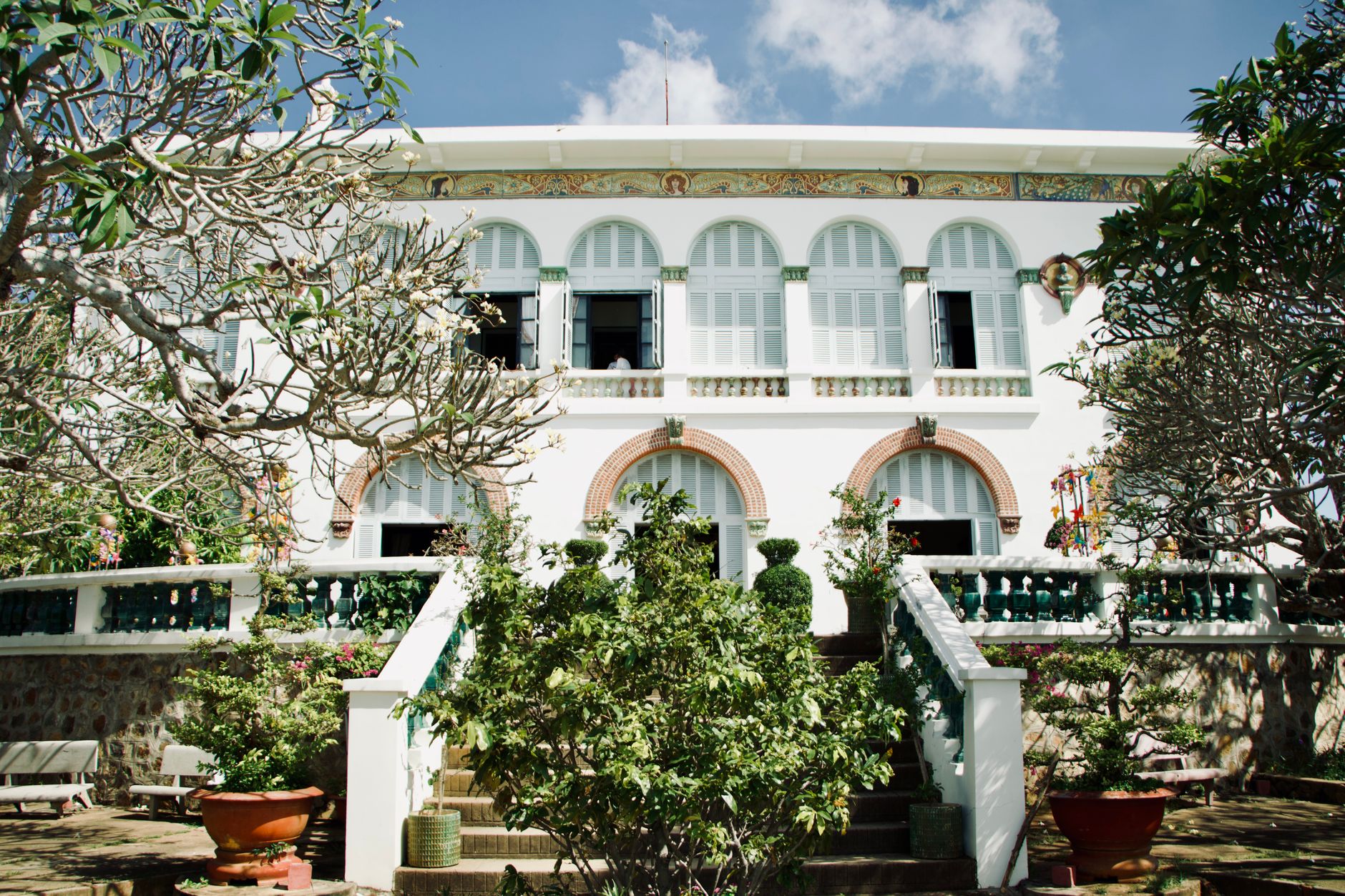
Photo by Quang Nguyen Vinh on Pexels
What to Order Specifically
When you're spending more than street-food prices in Hoi An, a few dishes separate the places that are genuinely cooking from the ones coasting on atmosphere:
- White rose dumplings — "banh bao vac" — are Hoi An-specific and should be silky, thin-skinned, and served fresh. If they look slightly translucent and arrive warm, the kitchen is making them that day.
- Com tam Hoi An — the broken rice plate here uses locally milled Quang Nam rice and tastes different from the Saigon version. Worth ordering to understand the regional variation.
- Grilled river prawn — freshwater prawns from the Thu Bon River, when in season, are sweeter than ocean shrimp. Any serious restaurant in town should know their provenance.

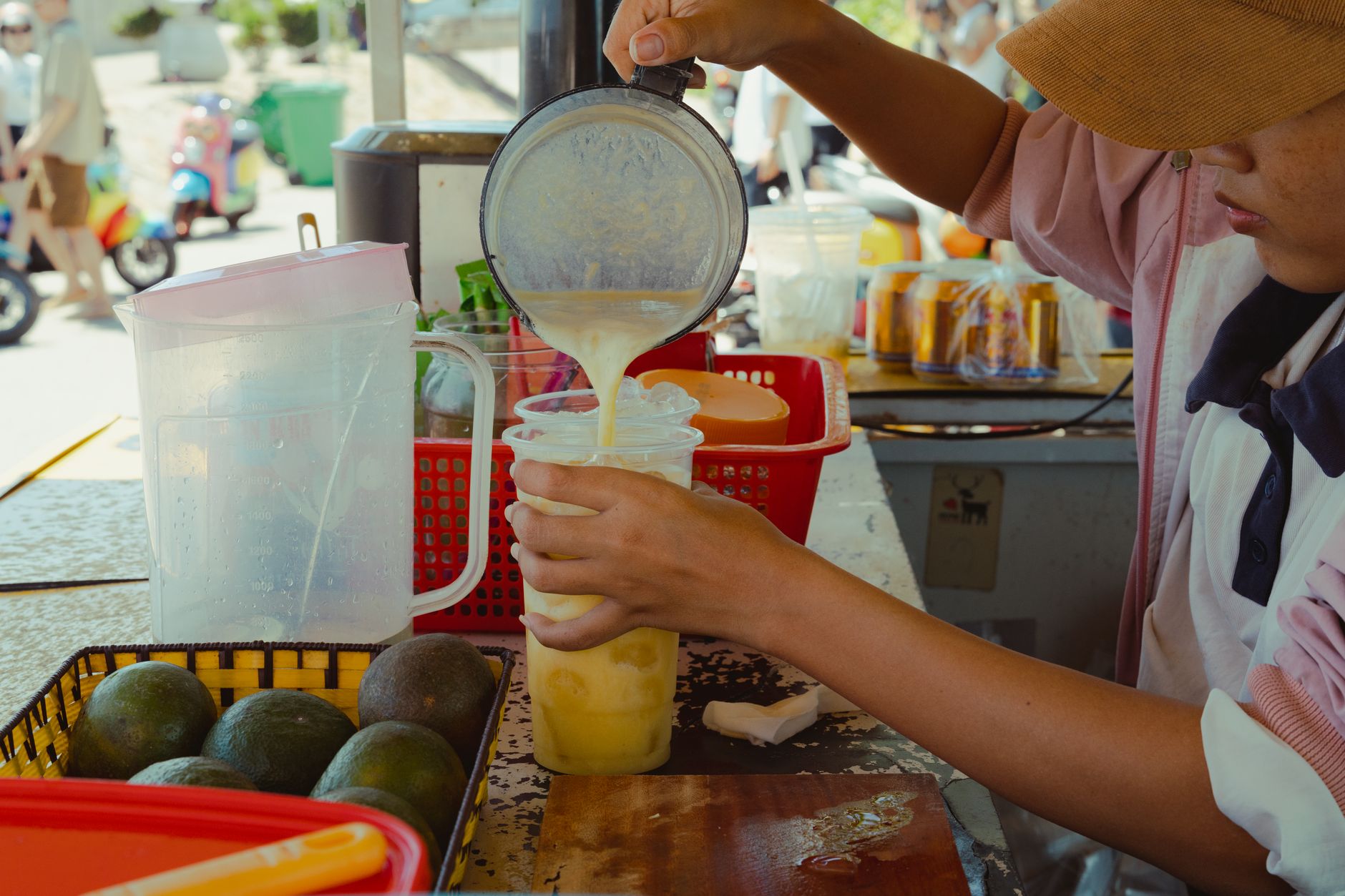
Photo by Võ Văn Tiến on Pexels
Reservation Logistics and Practical Timing
The window between 6:00 PM and 7:30 PM is when every table in the Old Quarter fills. If you want a specific room, email or call same-day in the morning — most places here aren't on major booking platforms, or if they are, the platforms aren't always synced to reality. Walk-in is possible before 6:00 PM or after 8:30 PM at most spots.
Hoi An's Old Quarter becomes a pedestrian zone on certain evenings, which affects where your driver or taxi can drop you. Budget an extra 10-minute walk from the nearest vehicle drop-off point if you're heading to restaurants inside the restricted zone.
The rainy season, roughly October to December, brings flooding that can close ground-floor restaurants with no notice. It's not a reason to avoid Hoi An in that period — the food is actually excellent then, with river fish and crab in peak condition — but have a backup option in mind.
Practical Notes
Budget 500,000–950,000 VND per person for a full dinner with drinks at the higher-end spots listed here; Streets and Nha Hang Lam come in lower and are no less worth your time. Cash is still preferred at smaller restaurants, though the larger rooms accept card. Tipping isn't mandatory but 10% is appreciated at places with real service staff.
Last updated · May 26, 2026 · independently researched, never sponsored.