Dong Thap is a rural Mekong Delta (메콩 델타 / 湄公河三角洲 / メコンデルタ) province that most tourists skip, which is exactly why it's worth visiting. The trade-off is that getting there requires more planning than flying into Saigon. There's no airport in the province itself, so you'll arrive by bus, train, or motorbike, then base yourself in Cao Lanh, the capital, or one of the smaller towns nearby.
From Saigon (Ho Chi Minh City)
Saigon (사이공 / 西贡 / サイゴン) is your closest major hub—about 180 km away. The journey takes 3–4 hours by bus, depending on traffic and which company you choose.
By bus: This is the standard option. Tien Giang Bus Station (Ben Xe Tien Giang), on Nguyen Hue Boulevard, runs direct services to Cao Lanh throughout the day. Fares run 80,000–150,000 VND depending on seat class and whether the bus is air-conditioned. Mid-range buses (the kind most locals take) cost around 120,000 VND. Expect departures every 30–60 minutes during daylight hours. Travel time is roughly 3.5 hours on a good traffic day; add 30 minutes if the Saigon approach is congested.
Alternatively, Mien Dong Bus Station (Ben Xe Mien Dong) also serves Dong Thap, though Tien Giang is more convenient and direct. Check departure boards when you arrive—some buses route through Tien Giang province first, which can add 30 minutes to the journey.
By motorbike or rental car: If you're renting a motorbike for longer travel, the road from Saigon via Highway 1 to Cao Lanh is straightforward and well-maintained. Allow 3–4 hours depending on your pace and comfort level with Vietnamese traffic. Petrol costs around 20,000–30,000 VND for the round trip. A rental car from Saigon typically costs 800,000–1,200,000 VND per day; hiring a driver adds another 200,000–300,000 VND.
By taxi or ride-app: Grab or Be motorbike-taxis charge around 200,000–300,000 VND from central Saigon to Cao Lanh. Grab car rides are pricier—expect 400,000–600,000 VND—but offer more comfort and are worth it if you have luggage or are traveling with others.
From Hanoi
Hanoi is roughly 1,700 km from Dong Thap, making a direct journey impractical unless you have several days.
By bus: Overnight buses depart from Hanoi's main stations (Giap Bat or Nuoc Ngam) and take 24–28 hours with stops. Fares range from 300,000–600,000 VND depending on coach class. These are exhausting journeys, and you'll lose a full day of travel time. Only choose this if you're committed to overland travel and enjoy long-distance buses.
By train: Vietnam Railways runs an overnight train from Hanoi to Ho Chi Minh City that passes through or near Dong Thap province. The journey takes 30–32 hours. A soft sleeper berth costs 600,000–900,000 VND; hard berths are cheaper (around 300,000–500,000 VND) but less comfortable. You'd then need to disembark at Saigon and catch a local bus to Cao Lanh (another 3 hours), making this a 36+ hour undertaking.
By plane + bus combo: Fly from Hanoi to Saigon on Vietnam Airlines, Vietjet, or Bamboo Airways (2 hours; 600,000–1,200,000 VND). Then catch a bus to Cao Lanh. Total time is 5–6 hours door-to-door when you factor in airport procedures, but it's far less exhausting than overland travel.

Photo by maxed. RAW on Pexels
From Da Nang
Da Nang to Dong Thap is roughly 800 km—a long but manageable drive.
By bus: A few intercity buses connect Da Nang to Saigon, stopping in or near Dong Thap. Journey time is 12–14 hours; fares are 300,000–400,000 VND. You'll likely depart Da Nang in the late afternoon or evening, arriving in Cao Lanh early morning or midday. This is practical if you're traveling slowly through central and southern Vietnam.
By plane + bus combo: Fly from Da Nang to Saigon (1.5 hours; 500,000–1,000,000 VND), then catch a bus to Cao Lanh (another 3.5 hours). Total travel time is around 6 hours when you factor in airport procedures.
By motorbike: If you're riding a motorbike south, the route is Highway 1 south from Da Nang through Quang Nam, Quang Ngai, Binh Dinh, and into the Mekong Delta. It's a full day or day-and-a-half ride (800+ km); budget 2–3 days if you want to stop and explore en route. Petrol costs 100,000–150,000 VND; accommodation and food along the way depend on your stops.
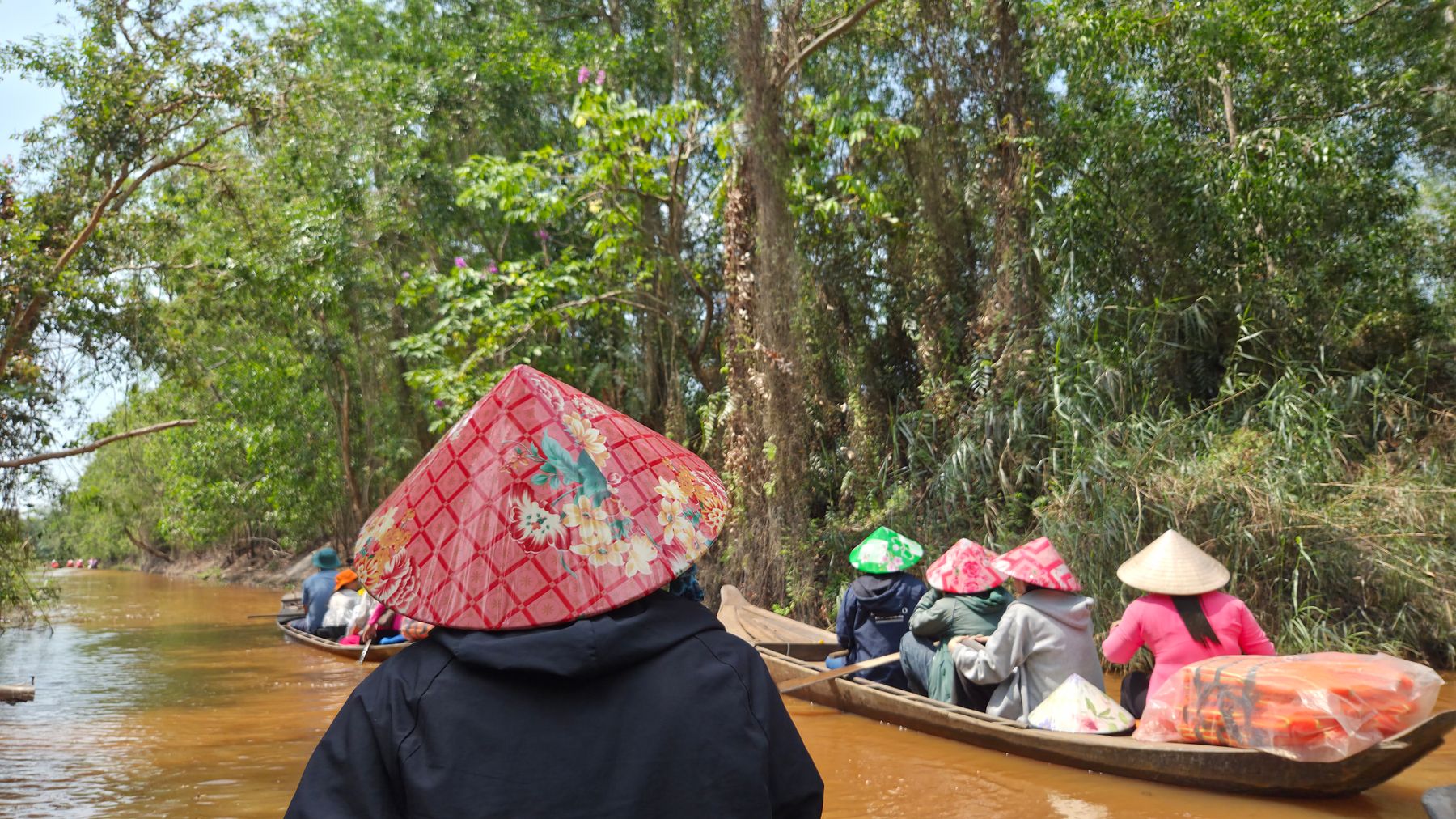
Photo by Nhẫn Nguyễn on Pexels
Where to Base Yourself
Cao Lanh is the provincial capital and your logical first stop. It's where most buses arrive and where you'll find guesthouses, restaurants, and an ATM. Hotels range from 150,000 VND (fan room in a family guesthouse) to 400,000 VND (decent air-conditioned mid-range hotel). The town itself is quiet—no major tourist attractions—but it's a jumping-off point for boat tours in the Mekong and visits to "Floating Houses" and bird sanctuaries.
Thap Muoi (or Ten Thousand Lakes), about 30 km south of Cao Lanh, is a network of waterways and islets popular with birdwatchers and travelers seeking a slower pace. You'll need to arrange a local boat guide, typically through your guesthouse or a local motorbike taxi (around 100,000–150,000 VND return).
Tam Nong district, also within Dong Thap, has homestays and eco-lodges catering to nature tourism. Prices are similar to Cao Lanh; expect 150,000–350,000 VND per night.
Once you arrive, most local travel is by motorbike taxi (xe om) or bicycle rental. Motorbike taxis charge 20,000–50,000 VND per short trip; expect to negotiate or ask your guesthouse for the going rate.
Practical notes
Dong Thap has no international airport, so fly into Saigon if you're coming from abroad or from other Vietnamese cities. The province is least crowded from June to September (monsoon season; expect heat and occasional rain), and most accessible during dry season (November–April). Book buses a day or two in advance during Tet / 越南春节 / テト) (Lunar New Year) and holidays; otherwise, walk up to a station and depart within the hour. Bring cash—ATMs exist in Cao Lanh but not in every small town.
Last updated · May 29, 2026 · independently researched, never sponsored.