My Tra sits about 3 km outside Cao Lanh city in Dong Thap province, right in the heart of the Mekong Delta (메콩 델타 / 湄公河三角洲 / メコンデルタ). It's an eco-tourism area built around lotus ponds, fruit orchards, and the kind of slow, green landscape that most of southern Vietnam's bigger destinations have already paved over.
What It Is and Why It Exists
Khu Du Lich My Tra — officially the My Tra Eco-Tourism Area — is a government-developed recreation zone that opened to capitalize on Dong Thap's reputation as the "lotus province." The area covers several dozen hectares of wetland, lotus fields, and landscaped gardens along the banks of canals feeding into the Tien River system.
It's not a theme park. Think of it more as a maintained stretch of Delta countryside with walking paths, floating pavilions, and enough infrastructure (parking, food stalls, boat docks) that you don't need to organize anything in advance. Locals from Cao Lanh use it for weekend picnics. For travelers, it works as a half-day stop or a base for exploring wider Dong Thap.
Why Travelers Go
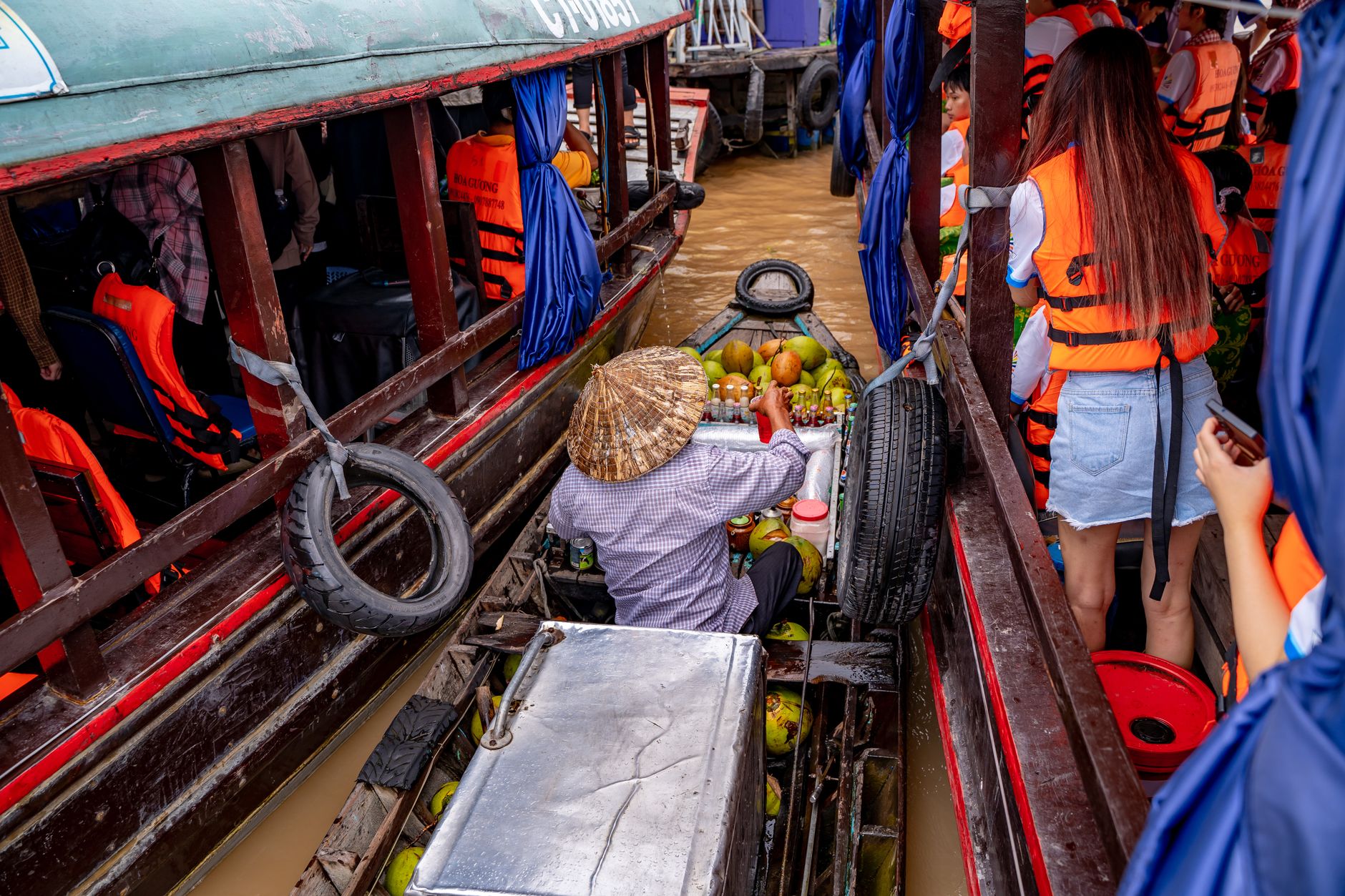
Dong Thap doesn't get the tourist traffic that Can Tho or Phu Quoc pulls, and that's precisely the appeal. My Tra offers a window into Mekong Delta life without the floating-market circus. The lotus fields here are genuinely impressive between June and September — kilometers of pink blooms sitting on flat water, with egrets picking through the shallows. It photographs well, but more importantly, it's just a calm place to spend a morning.
People also come for the food. Dong Thap lotus cuisine is a real thing — not a gimmick — and My Tra is one of the easier places to try it.
Best Time to Visit
The lotus bloom peaks from June through September, which overlaps with the rainy season. Mornings are usually clear; rain tends to hit in sharp afternoon bursts. If you're coming specifically for the flowers, July and August are the sweet spot.
The dry months (December to April) are more comfortable temperature-wise, but the lotus ponds will be sparse or empty. The area is still pleasant — fruit orchards are productive year-round — but you'll miss the main visual draw.
How to Get There
From Saigon
Cao Lanh is roughly 160 km southwest of Saigon. The drive takes about 3–3.5 hours depending on traffic through Long An province.
- Bus: Phuong Trang (FUTA) and Thanh Buoi run daily buses from Saigon (사이공 / 西贡 / サイゴン)'s Mien Tay bus station to Cao Lanh. Tickets run 120,000–150,000 VND. From Cao Lanh bus station, a Grab bike to My Tra is about 15,000–20,000 VND (3 km).
- Motorbike: A popular option for those already touring the Delta. The route via QL1A and QL30 is flat and straightforward.
- Car rental with driver: Around 1,500,000–2,000,000 VND for a day trip from Saigon, which makes sense if you're combining My Tra with Tram Chim National Park or Xeo Quyt.
From Can Tho
About 85 km north, roughly 2 hours by road. Buses between Can Tho and Cao Lanh run frequently; expect to pay around 80,000–100,000 VND.

Photo by Nhẫn Nguyễn on Pexels
What to Do
Walk the Lotus Ponds
The main loop path takes you along raised boardwalks through the lotus fields. Early morning (before 8 AM) is best — the light is soft, the flowers are open, and the heat hasn't set in yet. Entry to the area is free or nominal (10,000–20,000 VND depending on the season and any events running).
Take a Sampan Ride
Small wooden boats navigate the canals threading through the lotus ponds. A 30-minute circuit costs around 50,000–80,000 VND per person. The boatmen are local — a few speak basic English, most don't — but the ride is self-explanatory. Sitting at water level inside the lotus stalks is a different experience from viewing them from the bank.
Visit a Fruit Orchard
Several orchards on the edges of My Tra let you walk through and pick seasonal fruit — mango, longan, rambutan, sapodilla depending on the month. Expect to pay 30,000–50,000 VND for entry, which usually includes some fruit to eat on-site.
Explore Cao Lanh Town
Cao Lanh itself is a small, unhurried provincial capital. The town market is worth a morning wander for delta produce and local snacks. If you're interested in wetland ecology, Tram Chim National Park — home to the red-headed crane — is about 45 km northwest and makes a solid full-day pairing with My Tra.
Cycle the Back Roads
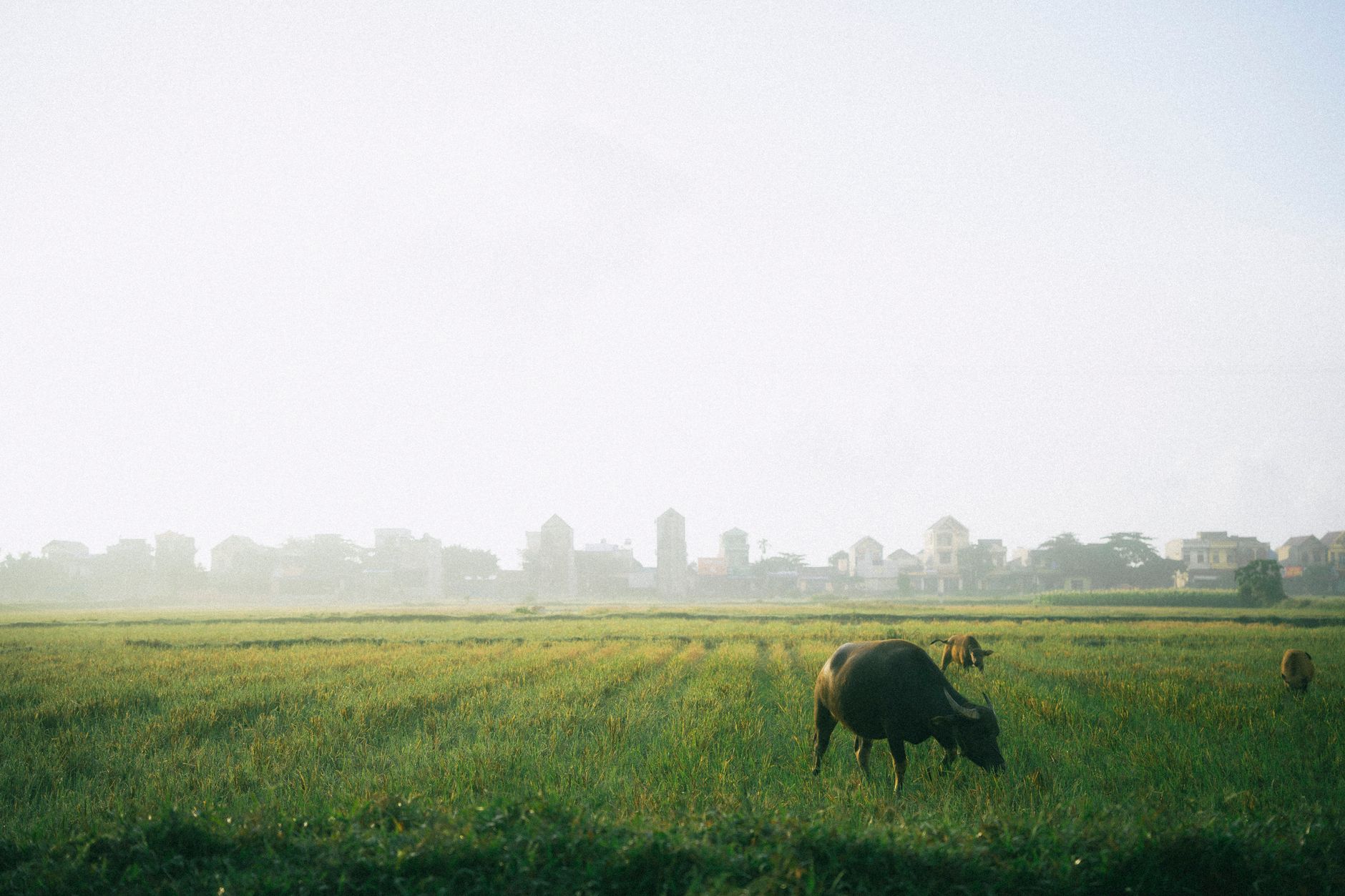
Rent a bicycle from your guesthouse (most places in Cao Lanh offer them for 50,000–80,000 VND/day) and ride the narrow roads around My Tra. The flat terrain makes this easy even if you're not a cyclist. You'll pass rice paddies, fish ponds, and small temples with almost zero traffic.
Where to Eat Nearby
Dong Thap's signature dishes lean on lotus and freshwater fish.
Lotus-stem salad ("goi ngo sen") is the local star — crunchy lotus stems tossed with shrimp, pork, peanuts, and herbs in a sharp lime dressing. Most restaurants around My Tra and in central Cao Lanh serve a version. Pair it with "ca loc nuong trui" — snakehead fish roasted in straw, a Mekong Delta classic you'll find at roadside spots along the canal roads. A full meal with rice, fish, and salad runs about 80,000–120,000 VND per person.
For something quick, look for "hu tieu" stalls in Cao Lanh's morning market — the southern-style noodle soup is reliable breakfast fuel before heading to My Tra.
Where to Stay
Cao Lanh has a handful of hotels and guesthouses. Don't expect boutique-level polish — this is a provincial town.
- Budget: Local guesthouses ("nha nghi") around the town center start at 200,000–350,000 VND/night. Basic but clean, with AC and hot water.
- Mid-range: Song Tra Hotel or Hoa Binh Hotel in central Cao Lanh offer decent rooms for 400,000–700,000 VND/night.
- Homestays: A few homestays have opened closer to My Tra and along the river, running 300,000–500,000 VND including breakfast. These tend to book through Zalo or Facebook rather than international platforms.

Photo by maxed. RAW on Pexels
Practical Tips Locals Would Tell You
- Bring sunscreen and a hat. There's minimal shade on the lotus pond boardwalks, and the Delta sun is aggressive even on overcast days.
- Cash only. Card acceptance in Cao Lanh is limited. ATMs are available in town but not at My Tra itself.
- Mosquito repellent matters. Wetland + dusk = mosquitoes. If you're staying for sunset photos, come prepared.
- Learn "sen" (lotus). Menus in Dong Thap use it constantly — lotus tea, lotus rice, lotus seed dessert. Knowing the word helps you order.
Common Mistakes to Avoid
- Arriving midday. The heat between 11 AM and 2 PM is punishing, and the lotus flowers partially close. Morning visits are dramatically better.
- Skipping Tram Chim. If you've made the trip to Dong Thap, not combining My Tra with Tram Chim National Park is a missed opportunity. The two are easily done in a single day.
- Expecting a polished tourist attraction. My Tra is pleasant but simple. If you're looking for curated experiences or English signage everywhere, adjust expectations. The value here is in the landscape and the food, not the infrastructure.
Practical Notes
My Tra works best as part of a wider Mekong Delta loop — combine it with Can Tho for floating markets, or head further south toward Ha Tien and Phu Quoc. Dong Thap rewards travelers who are comfortable with less English, fewer tourists, and a slower pace. That's the whole point.
Last updated · May 29, 2026 · independently researched, never sponsored.