What It Is
Khu Di Tich Ap Bac sits on the site of the January 1963 Battle of Ap Bac, one of the most significant engagements of the early 1960s conflict in southern Vietnam (베트남 / 越南 / ベトナム). The memorial complex preserves the battlefield landscape and tells the story from the Vietnamese perspective — dioramas, recovered military hardware, a tall commemorative monument, and reconstructed positions across the rice-field terrain.
The site originally sat in Tien Giang province. Following the 2025 administrative merger, this area now falls under Dong Thap province. Older maps and GPS listings may still show Tien Giang, so don't be confused if your navigation app disagrees with the road signs.
Why Travelers Go
Most foreign visitors to the Mekong Delta (메콩 델타 / 湄公河三角洲 / メコンデルタ) stick to Can Tho's floating markets or boat tours through Ben Tre's coconut groves. Ap Bac gets far fewer international visitors, which is part of its appeal — you'll likely be the only non-Vietnamese person there. The site draws people interested in 20th-century military history, the same crowd that visits Cu Chi Tunnels near Saigon but wants something less polished and more rooted in the actual landscape where events happened.
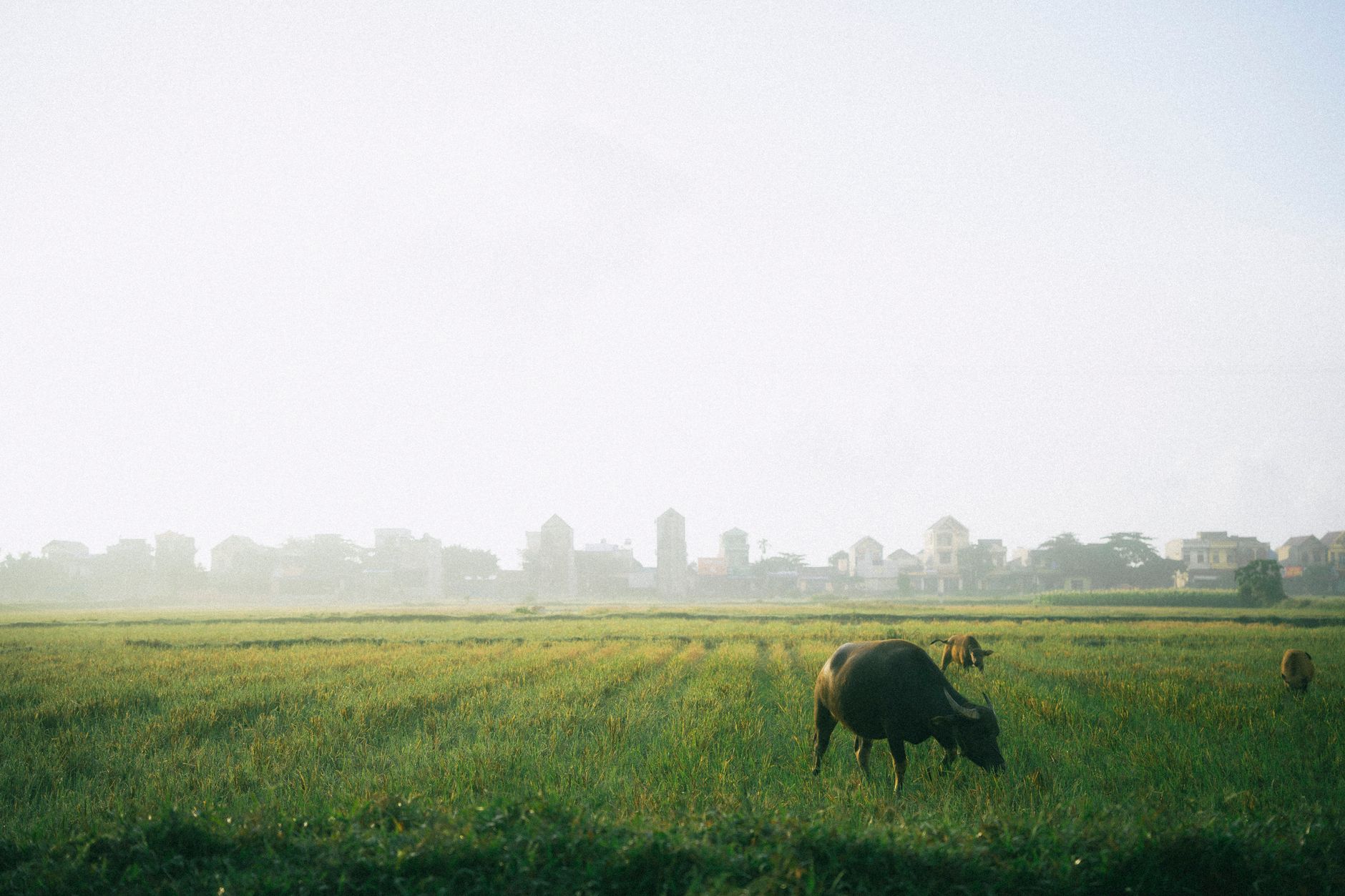
The surrounding countryside is flat, green, and deeply rural. If you've been bouncing between cities, spending a morning here puts you squarely in the Mekong Delta's agricultural heartland — water buffalo in canals, rice paddies stretching to the horizon, women in "non la" conical hats working the fields.
Best Time to Visit
The dry season — December through April — is the most comfortable window. Temperatures hover around 30-33°C, humidity is manageable, and the dirt paths around the site aren't waterlogged. The site is outdoors and largely unsheltered, so visiting during the wet season (May through November) means you'll be dodging afternoon downpours and squelching through mud.
Weekday mornings are ideal. The site occasionally hosts school groups and organized delegations, especially around January 2 (the battle's anniversary) and national holidays. If you want the place to yourself, aim for a random Tuesday or Wednesday morning.

Photo by Valeria Drozdova on Pexels
How to Get There
The memorial is roughly 80 km from Can Tho and about 70 km from Saigon (Ho Chi Minh City), though the routes are very different experiences.
From Can Tho
The most logical base if you're already touring the Mekong Delta. Hire a motorbike (150,000-200,000 VND/day from most guesthouses) and ride northeast on QL1A, then cut north toward Cai Lay town. Total ride: about 1.5-2 hours depending on traffic through the small towns. Alternatively, grab a bus from Can Tho bus station toward My Tho (around 80,000-100,000 VND) and ask to be dropped at Cai Lay, then take a local "xe om" (motorbike taxi) the remaining 5 km to the site for 20,000-30,000 VND.
From Saigon
Take a bus from Mien Tay bus station to Cai Lay (90,000-120,000 VND, roughly 2 hours). From Cai Lay market, a xe om ride gets you to the memorial. If you're driving yourself, it's a straightforward shot down QL1A — expect the usual Mekong highway mix of trucks, scooters, and the occasional herd of ducks crossing the road.
What to Do at the Site
Walk the Monument Grounds
The main monument is a tall concrete obelisk surrounded by relief sculptures depicting the battle. The grounds are well-kept, shaded by old trees, and quiet. Give yourself 20-30 minutes to circle the complex and read the plaques (Vietnamese only — bring Google Translate's camera mode).
Explore the Museum Building
A small indoor exhibition hall houses photographs, maps, weapons, and personal artifacts recovered from the battlefield. The displays are dated but informative, heavy on black-and-white photography from the 1960s. Labels are primarily in Vietnamese with some English captions. Entry is free or a nominal 10,000-20,000 VND.
Walk the Battlefield Perimeter
The site preserves reconstructed trenches and defensive positions across the adjacent rice fields. This is the part that makes Ap Bac different from a city museum — you're standing on the actual terrain, looking across the same flat, open ground. It takes about 30-45 minutes to walk the full perimeter at a slow pace.
Visit the Nearby Pagoda
A small local pagoda sits within walking distance of the memorial. It's nothing famous, but it's a functioning community temple — incense smoke, fruit offerings, the quiet hum of delta life. A nice counterpoint to the military history.
Cycle the Surrounding Countryside
If you have your own bicycle or motorbike, the roads radiating from the memorial are flat, paved, and lined with fruit orchards and rice paddies. A 30-minute loop gives you a genuine slice of rural Mekong life without any tourist infrastructure.
Where to Eat Nearby
Cai Lay town, about 5 km away, is your best bet for a meal. Look for "hu tieu" — the Mekong Delta's signature rice noodle soup, lighter and sweeter than its northern counterparts. Cai Lay's market area has several stalls serving it for 30,000-40,000 VND a bowl. "Banh xeo" — the crispy turmeric crepe stuffed with shrimp, pork, and bean sprouts — is another delta staple, and you'll find it at roadside spots around the market for 20,000-30,000 VND per piece. Wash it down with iced "ca phe sua da" from any streetside coffee cart.

Photo by Vietnam Tri Duong Photographer on Pexels
Where to Stay
Ap Bac itself has no accommodation. Cai Lay has a handful of basic guesthouses ("nha nghi") in the 200,000-350,000 VND range — clean enough, fan or air-con, hot water if you're lucky. For more comfort, base yourself in My Tho (30 minutes east) where mid-range hotels run 400,000-800,000 VND/night, or in Can Tho where you'll find everything from hostels to proper hotels.
Most travelers visit Ap Bac as a half-day stop on a longer Mekong Delta loop rather than an overnight destination.
Practical Tips
- Bring water and sun protection. The site is exposed and there's no cafe on the grounds. A hat and a full water bottle are non-negotiable.
- Hire a local guide if you can. The caretakers at the site sometimes offer informal tours in Vietnamese. If you speak some Vietnamese or have a translation app ready, they'll share stories that aren't on the plaques.
- Combine it with a broader delta trip. Ap Bac pairs naturally with a day visiting My Tho's islands or heading south toward Can Tho. It's not worth a standalone trip from Saigon unless military history is your primary interest.
- Carry cash. There are no ATMs at the site. Cai Lay has a few bank branches, but don't count on finding one quickly.
Common Mistakes
The biggest one: showing up expecting a large, well-signed tourist attraction. This is a modest, locally focused memorial — no gift shop, no English audio guide, no air-conditioned visitor center. Adjust expectations accordingly and you'll appreciate it for what it is.
Second mistake: not checking the administrative changes. If you search for "Ap Bac Tien Giang" you'll still find results, but newer maps may list it under Dong Thap. Have both names ready when asking locals for directions.
Third: trying to visit during a holiday weekend without realizing organized groups have booked the site. The memorial is still open, but the reflective quiet that makes it worthwhile gets replaced by loudspeakers and ceremony.
Last updated · May 29, 2026 · independently researched, never sponsored.