Lao Cai city sits on the Red River opposite the Chinese border, about 300 km northwest of Hanoi. Most travelers pass through on the way to Sapa (38 km uphill), but the city and its province reward a day or two of actual exploration. The pace is slower, prices are cheaper, and you'll see how locals actually live—not the tourist version.
Lao Cai City Center
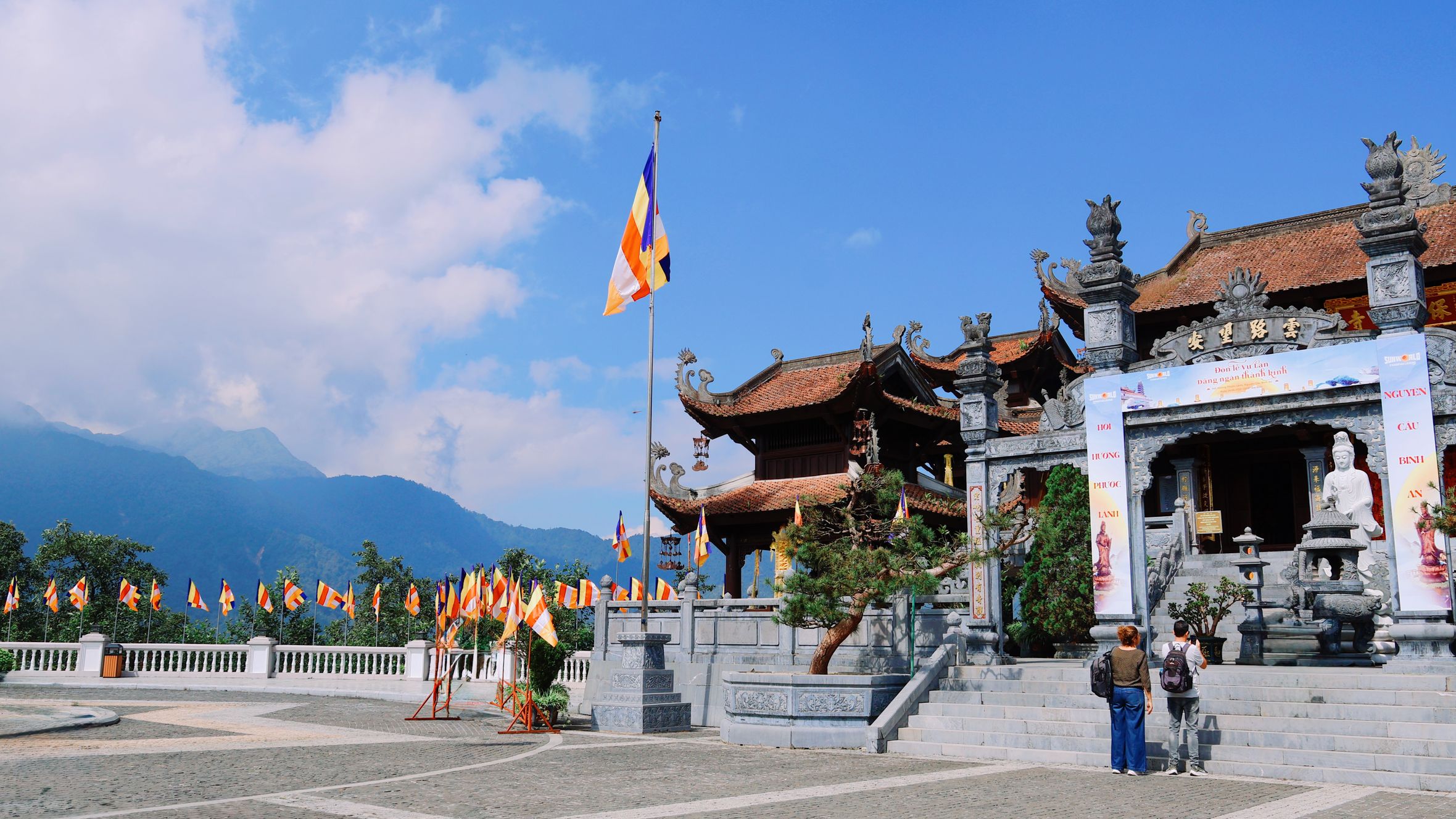
The city itself is not a destination, but it's worth a morning walk. The riverside (Duong Tran Phu) is pleasant in the early morning—locals exercise, vendors set up tea stalls, and the light is soft. The bridge to China (Lao Cai-Hekou Border Gate) is visible from here; it's a working border crossing, not a sightseeing spot, but the view of the river and the gate's architecture says something about the region's history.
Dong Xuan Market (Cho Dong Xuan, the old market) is chaotic in the way Vietnamese markets should be: vendors selling everything from live chickens to knockoff phones, no English signs, no tourist prices. If you're comfortable with crowds and can navigate without much language help, it's real. Saturday mornings are busiest. Prices for fruit, vegetables, and street snacks are genuinely cheap—a bag of fresh lychees in season runs 15,000–20,000 VND.
Bat Trang Pottery Village (Day Trip)
Bat Trang lies about 50 km southeast of Lao Cai city (roughly 90 minutes by motorbike or hired car). It's a ceramic center where potters have worked for centuries, and unlike the Bat Trang near Hanoi, this one is small and less trampled by tour groups.
You'll see workshops where potters throw bowls, plates, and jars by hand—not for show, but because that's the work. Many will let you try a wheel for a few thousand dong. Finished pieces are cheaper here than in Hanoi (a hand-thrown bowl: 50,000–150,000 VND depending on size and glaze). The village has a few simple eateries; eat at one and watch potters work across the street.
Getting there: rent a motorbike (200,000–300,000 VND/day) or hire a driver (negotiate around 600,000–800,000 VND for the day). English is minimal in Bat Trang, so download offline maps.
Ethnic Minority Villages Near Sapa (Day Trips from Lao Cai City)
If you're based in Lao Cai city (not Sapa (사파 / 沙坝 / サパ)), you can still visit hill-tribe villages, and you'll avoid the worst of the Sapa trekking-tour crowds. The Hmong and Dao peoples live in the higher elevations. Most day trips include Cat Cat, Sin Chai, or Ta Van villages. Costs run 400,000–800,000 VND per person for a guided half-day trek; negotiate directly with guesthouses in Lao Cai city rather than using big tour operators.
Be aware: many villages have adapted to tourism. Children ask for pens and candy. Homestays serve food in that "homestay style" you've read about online. It's not fake, but it's not a glimpse into untouched life either. Still, walking through rice paddies and hearing Hmong spoken is better than sitting in Sapa town paying inflated café prices.

Photo by 🇻🇳🇻🇳 Việt Anh Nguyễn 🇻🇳🇻🇳 on Pexels
Outdoor Activities
Motorbike to the border: Ride north from Lao Cai city on Highway 4 toward the Lao Cai-Hekou Gate. The road hugs the Red River; views are worth the 20-minute ride. You can't cross into China without a Chinese visa, but you can stop at the gate, take photos, and eat at simple roadside pho stalls.
Red River kayaking: A few local operators (ask at your guesthouse) offer half-day kayak trips on calmer sections of the river. Not Halong Bay drama, but peaceful and rarely crowded. Around 500,000 VND per person.
Hiking around Sapa: If you're staying in Lao Cai city, you can take a bus or motorbike taxi to Sapa and do a half-day hike without staying overnight (thus avoiding Sapa's accommodation markup). Fansipan is the mountain climb, but there are shorter walks through villages and to waterfalls.
Cultural Notes
Lao Cai province is home to Hmong, Tay, Dao, Kinh, and other ethnic groups. Markets and villages reflect this diversity in dress, language, and food. If you're visiting hill villages, dress modestly (shoulders and knees covered) out of respect. Hire a local guide who speaks the language; it changes the entire experience.
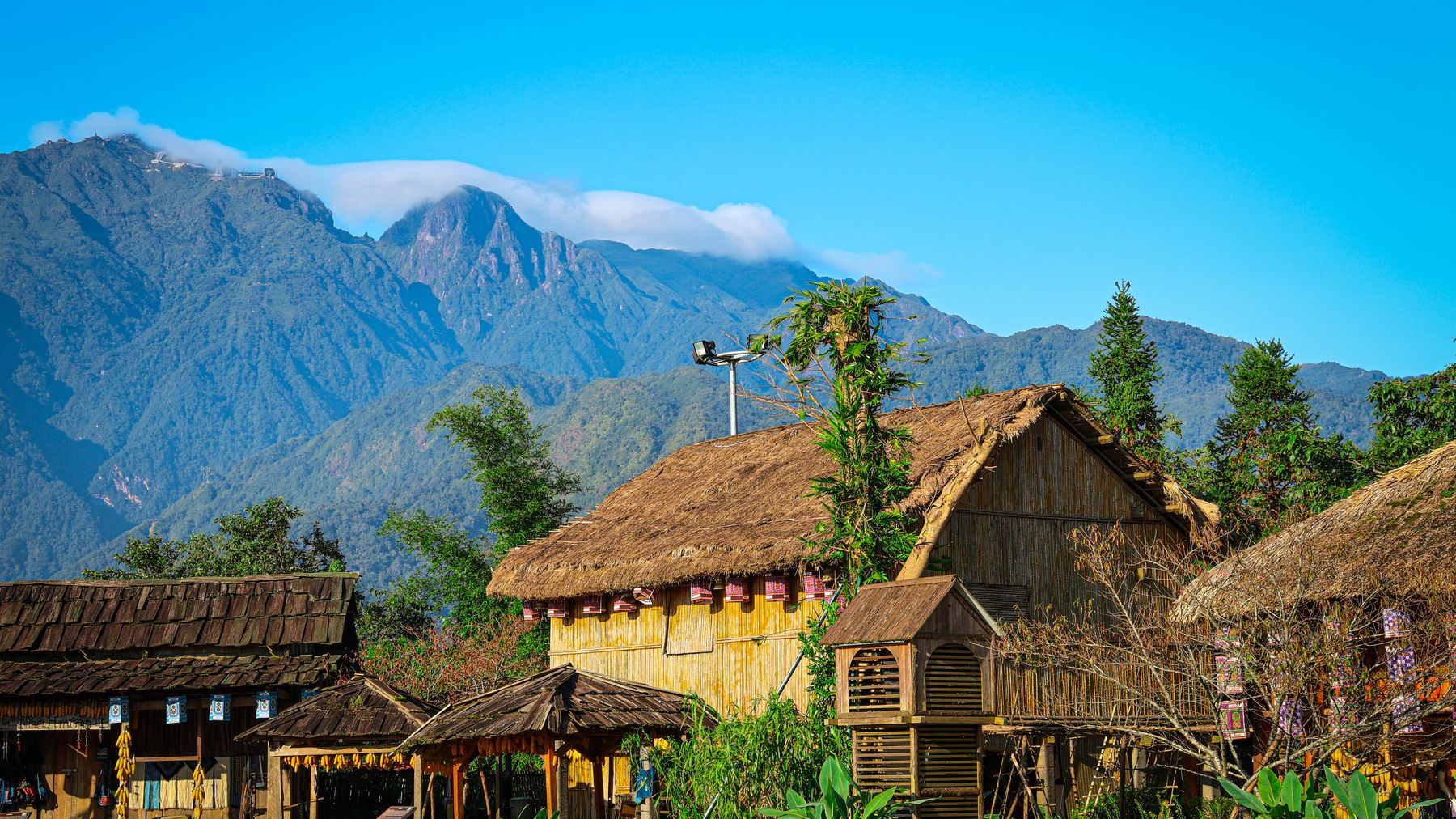
Photo by Haneul Trac on Pexels
What to Skip
Lao Cai city nightlife: There's no real bar scene or nightlife worth detailing. A few karaoke places exist, but they're geared toward locals and can feel uncomfortable for solo travelers.
Border-gate "attractions": The Lao Cai-Hekou Border Gate itself is not a tourist site. You cannot cross casually. The gate is functional, not scenic.
Overpriced trekking tours: Book guides locally, not through major travel agencies. You'll pay half the price and support local workers.
Where to Eat and Stay
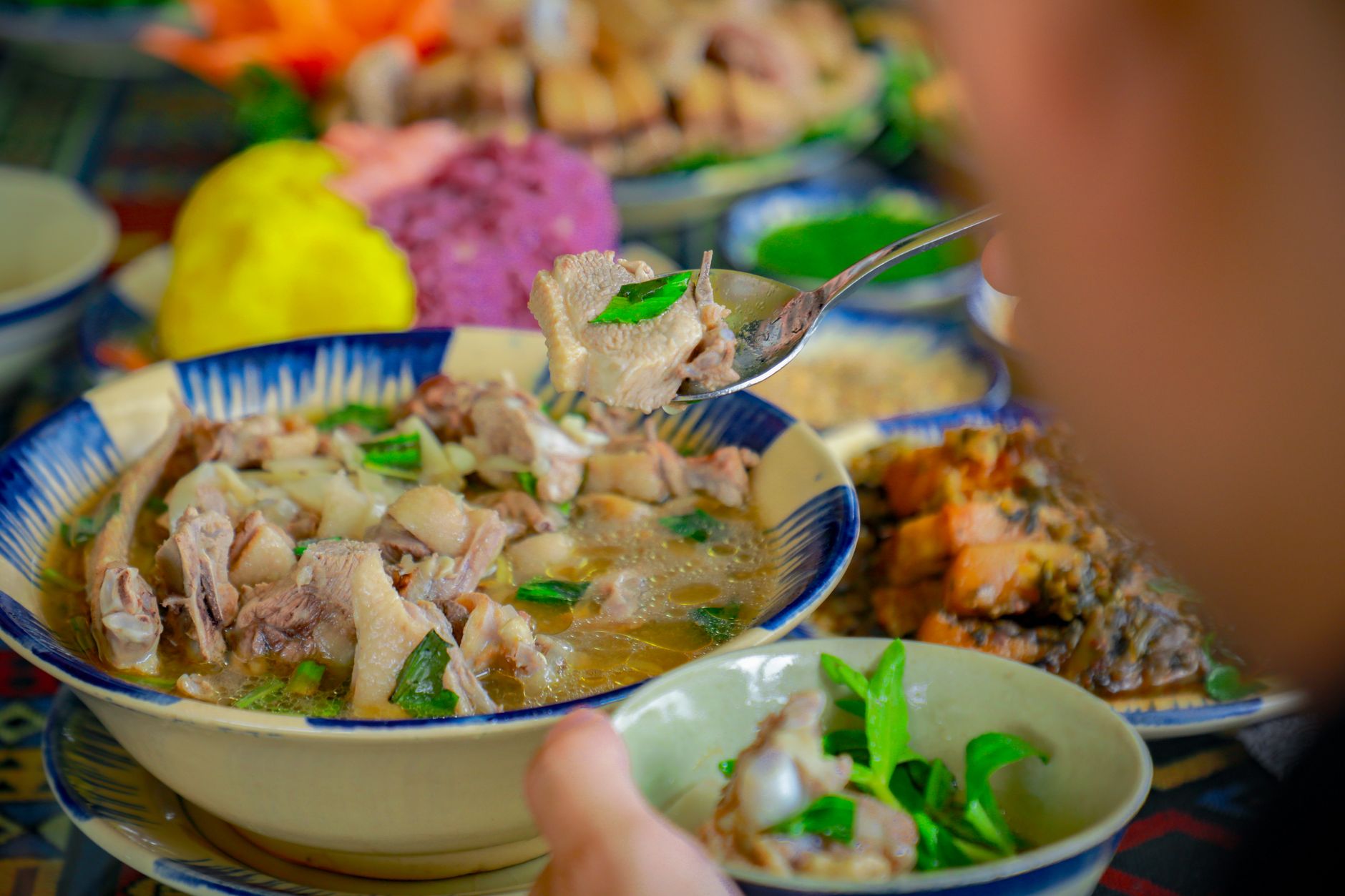
Guest houses in Lao Cai city cost 200,000–400,000 VND/night; they're simple but clean. Eat at local pho shops on Tran Phu Street (pho or "mi" noodle soup runs 25,000–40,000 VND). Street-food stalls near the market sell banh chung, banh mi, and sticky rice wraps for under 20,000 VND.
If you want more comfort or an English-speaking team, Sapa is 38 km away (1–1.5 hours by minibus, 50,000 VND), but expect higher prices across the board.
Practical Notes
Lao Cai is small enough to navigate on foot or motorbike. Most locals speak minimal English, so bring an offline translation app or phrasebook. The best time to visit is October–November or March–April (cool, dry weather). Bring warm layers if you trek; elevation means temperature swings. If you're using it as a Sapa base rather than a destination, it makes sense; otherwise, plan 2–3 days and pair it with a day trip to Bat Trang or a village trek.
Last updated · May 29, 2026 · independently researched, never sponsored.