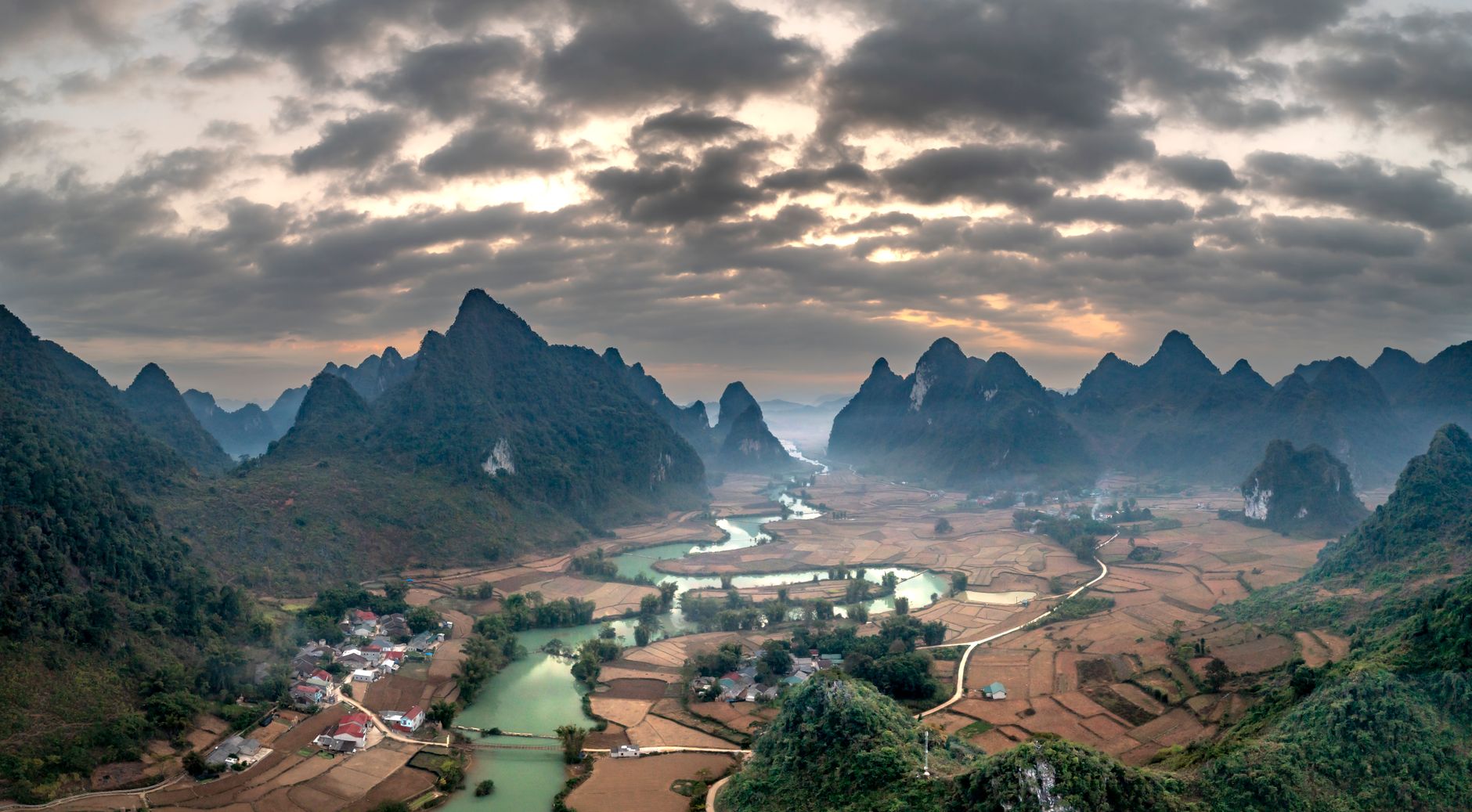
Bac Kan sits in the far northeast of Vietnam (베트남 / 越南 / ベトナム), a plateau province ringed by limestone karsts and dense forest. It's one of the least touristy corners of the north, which means the timing question here is less about dodging crowds and more about catching decent weather and occasional local festivals. Unlike Hanoi or Sapa, Bac Kan doesn't have a single "peak season" in the Western sense—but there are definitely better and worse windows to visit.
October to November — The Sweet Spot
October and November are the best months to visit Bac Kan, full stop. The summer monsoon has just ended, so trails are dry and visibility is sharp. Daytime temperatures hover around 20–24°C (68–75°F), cool enough to hike without melting but warm enough that you don't need serious winter gear.
Rain is minimal. Locals are back to normal routines after the wet season, so guesthouses are staffed, restaurants are open, and homestays aren't swamped. You'll see other travelers—mostly Vietnamese domestic tourists and a trickle of backpackers on the Ha Giang loop who detour south—but Bac Kan never feels crowded the way Sapa (사파 / 沙坝 / サパ) does in September.
Skies are usually clear. If you're planning hikes to Nang Tien cave or trekking in Ba Be National Park, visibility is excellent, and the forest is lush without being dripping wet.
December to February — Cool and Dry, But Cold
Winter in Bac Kan is short, dry, and genuinely cold. December and early January see temperatures drop to 10–15°C (50–59°F), sometimes lower at dawn. If you're coming from the tropics, you'll need a jacket.
Rain is rare. This is also when Tet traffic begins in late January, so you'll notice more Vietnamese visitors, but Bac Kan still stays quiet compared to tourist hotspots. Road access is reliable—no washouts, no mud.
The downside: it can feel grey. Overcast skies are common, and the low clouds sometimes settle over the plateau, cutting visibility on higher trails. If you're chasing dramatic karst views or a sunrise trek, December–February is a gamble.
A small bonus: if you're unlucky enough to catch Tet week itself (usually late January or early February), Ba Be Lake and Ba Be National Park see a spike in Vietnamese families, but even then the numbers are tiny compared to Hanoi or Ha Long.
March to May — Warming Up, But Rains Return
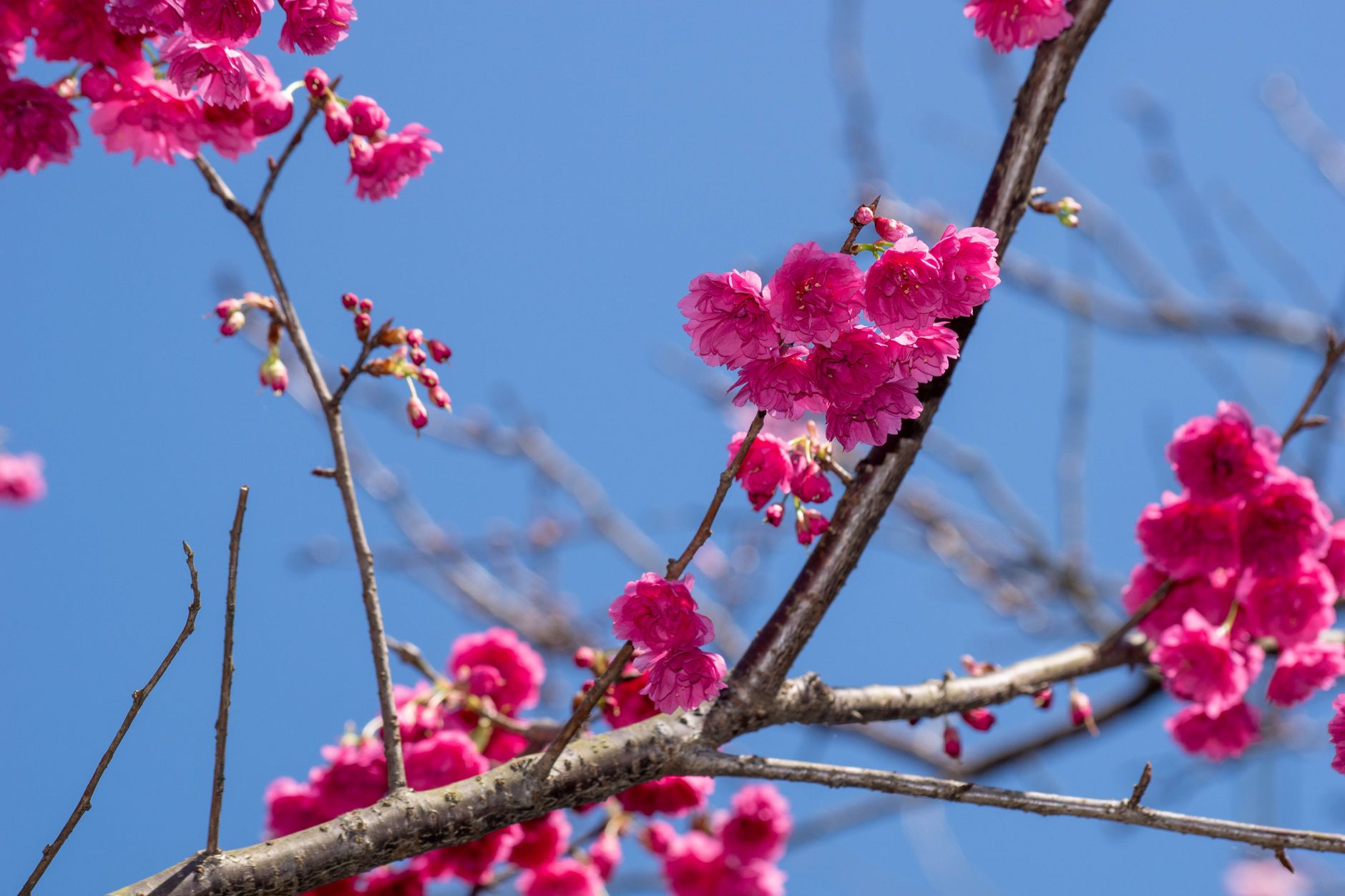
Spring is beautiful in principle—wildflowers, green mountains, moderate temperatures (18–25°C / 64–77°F)—but rainfall picks up. March stays dry, but April and May see frequent showers, sometimes all day.
This is when Bac Kan's landscape is most vivid, and if you don't mind the rain, the trails are quieter than autumn. Local festivals occasionally land in spring (especially around Hung Kings Festival in April, celebrated regionally), but Bac Kan itself doesn't have major events tied to the season.
The practical problem: muddy trails, unreliable visibility, and the risk of road delays after heavy rain. Unless you're flexible on hiking dates or specifically want to see wild rhododendrons and spring growth, save this for a second visit.

Photo by Quang Nguyen Vinh on Pexels
June to September — The Wet Monsoon
Avoid. The southwest monsoon brings persistent rain from June through September. Bac Kan receives the tail end of it, turning roads to mud and cutting visibility on mountains to near-zero. Trails are slick and dangerous; cave entrances may have runoff; roads occasionally wash out.
Temperatures are warm (25–28°C / 77–82°F), but the humidity and constant drizzle make the province feel claustrophobic. Guesthouses have reduced hours, some homestays close, and transport schedules get delayed.
The one exception: late September, after the worst of the rain, can be passable, but you're gambling on clearing weather.
Crowd Levels by Season
Bac Kan is never crowded in the Western sense. Even in October–November, peak season, you might share a Ba Be Lake homestay with five or six other guests, and encounter only a handful of other trekkers on trails.
Domestic tourism spikes slightly in July–August (Vietnamese school holidays), but most Vietnamese visitors head to cooler places like Sapa or Da Lat, so Bac Kan still feels empty. The exception is Tet / 越南春节 / テト) week itself (late January–early February), when extended family travels and you'll see packed buses, but accommodations and attractions still don't hit saturation.
If solitude is your goal, March–May and September are genuinely quiet, though you trade that for rain and mud. December–February draws a few more backpackers on the Ha Giang–Bac Kan circuit, but still nothing like Hanoi's shoulder-season crowds.
Local Festivals and Events
Bac Kan has no major tourism festivals tied to a specific date. Hung Kings Festival (Tet Hung Vuong), celebrated nationwide in April, sees some local observance—incense burning at small temples, family visits—but it's not a traveler spectacle like festivals in Hue or Hanoi.
The province's Tay and Nung ethnic minorities have traditional celebrations tied to harvests and lunar calendar dates, but these are not regularly packaged for tourists. If you're staying in a homestay or know local guides, you might be invited to a community meal or ceremony, but showing up to one on a random date is unlikely.
For this reason, timing around festivals is less important in Bac Kan than climate and road conditions.

Photo by Quang Nguyen Vinh on Pexels
Month-by-Month Snapshot
January: Cool (10–15°C), dry, grey; Tet traffic late month. OK for hiking if weather holds, but visibility uncertain.
February: Dry, cold, grey. Tet traffic clears after the second week. Quiet, but overcast skies.
March: Warming (18–22°C), mostly dry, occasional rain. Trails start clearing. Spring growth begins. Good hiking.
April: Mild (20–25°C), frequent showers. Wildflowers bloom. Rain-heavy some days. Festivals observed locally, not touristy.
May: Warm (22–28°C), frequent to heavy rain. Lush and green. Trails muddy. Road risk increases.
June–August: Hot, humid, persistent rain. Avoid unless you like extreme mud and grey skies. Domestic holiday crowds don't offset discomfort.
September: Hot (25–28°C), rain tapering. Early-month: still wet. Late-month: clearing. Gamble.
October: Dry, cool (20–24°C), clear skies. Trails excellent. Small crowds. Best month.
November: Dry, cool (18–22°C), clear. Slightly cooler than October, but equally good. Still quiet. Second-best month.
December: Cool to cold (12–18°C), dry, clear mornings. Grey afternoons. Quiet. Fine for hiking, but less comfortable.
What to Pack for Your Season
October–November: lightweight long sleeves, light jacket, comfortable hiking boots, rain shell (occasional showers early/late month).
December–February: fleece or down jacket, long trousers, hiking boots, beanie. Rain shell. Bring layers—mornings are cold, afternoons warmer.
March–May: quick-dry shirt, hiking shorts or light pants, good waterproof jacket, gaiters. Expect wet trails.
June–September: waterproof bag, waterproof jacket, quick-dry everything. Seriously—it rains.
Frequently Asked Questions
When is the best time to visit Bac Kan for hiking?
October and November are the best months. The monsoon has ended, daytime temperatures sit at 20-24°C, trails are dry, and visibility is sharp. Nang Tien cave and Ba Be National Park are both accessible with clear skies. Rain is minimal, guesthouses are fully staffed, and the forest stays lush without being waterlogged.
What is the weather like in Bac Kan during winter months?
December through February is cold and dry, with temperatures dropping to 10-15°C, sometimes lower at dawn. Rain is rare and roads are reliable with no mud or washouts. The drawback is frequent overcast skies and low cloud cover that can reduce visibility on higher trails, making sunrise treks or karst views uncertain during this period.
Is Bac Kan crowded during Tet or other Vietnamese holidays?
No. Even during Tet week in late January or early February, when Ba Be Lake sees a spike in Vietnamese family visitors, numbers remain small compared to Hanoi or Ha Long. Bac Kan stays quiet outside of domestic tourism and occasional backpackers detouring south from the Ha Giang loop.
Practical Notes
Bac Kan has no international airport; fly to Hanoi (200 km away, 5–6 hours by car) or Cao Bang (100 km away, 3 hours by road). October–November is ideal: dry, cool, and quiet. If you can only visit December–February, go—just expect colder mornings and grey skies. Avoid June–September entirely unless you love mud and don't mind uncertain road access.
Last updated · May 29, 2026 · independently researched, never sponsored.