Moc Chau sits at roughly 1,050 meters above sea level in Son La province, about 200 km west of Hanoi. It's not a resort town. It's a working plateau where most of the land is given over to tea plantations and dairy farms, and the cool climate makes it one of the few places in northern Vietnam (베트남 / 越南 / ベトナム) where you can sleep without air conditioning year-round.
What Moc Chau actually is
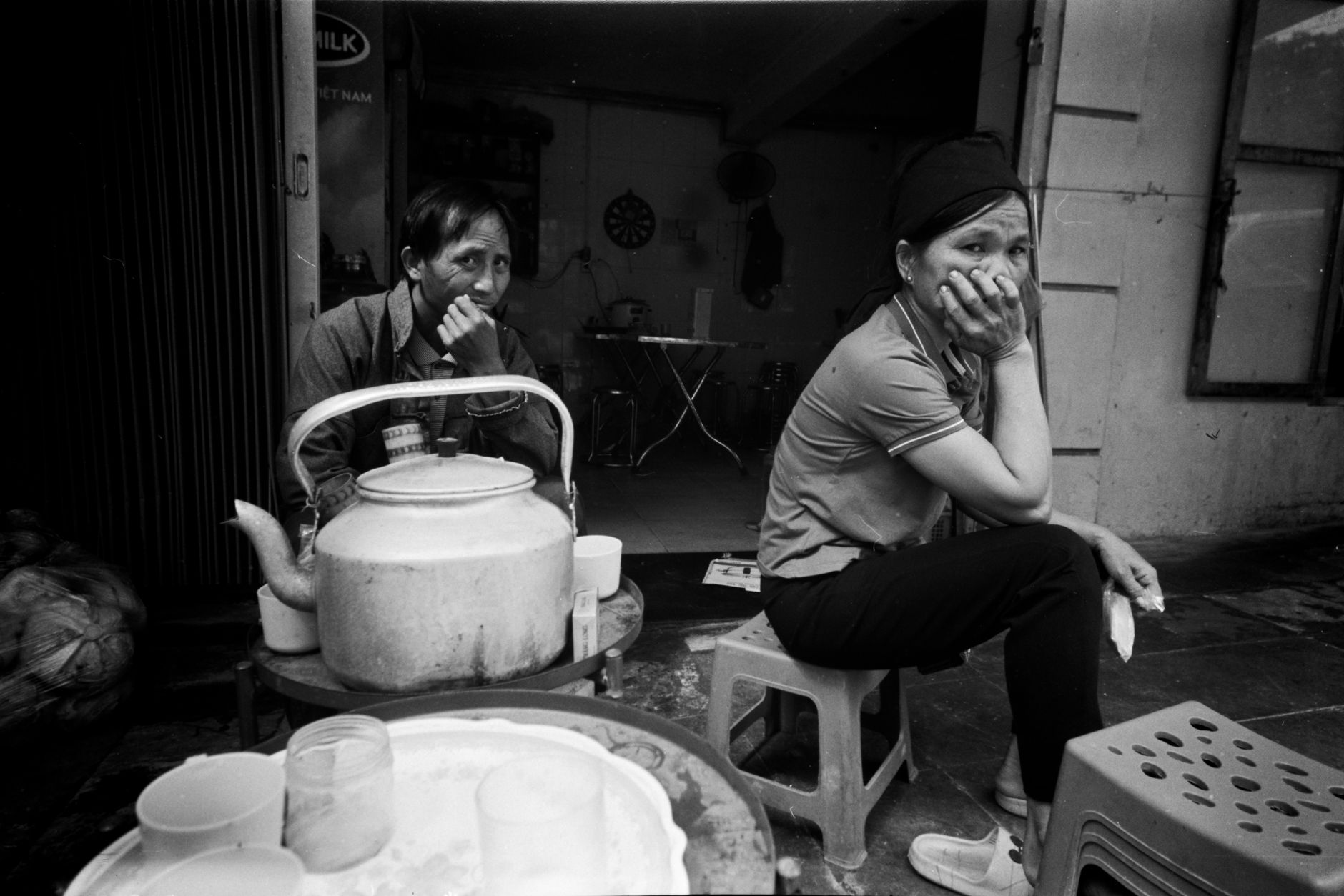
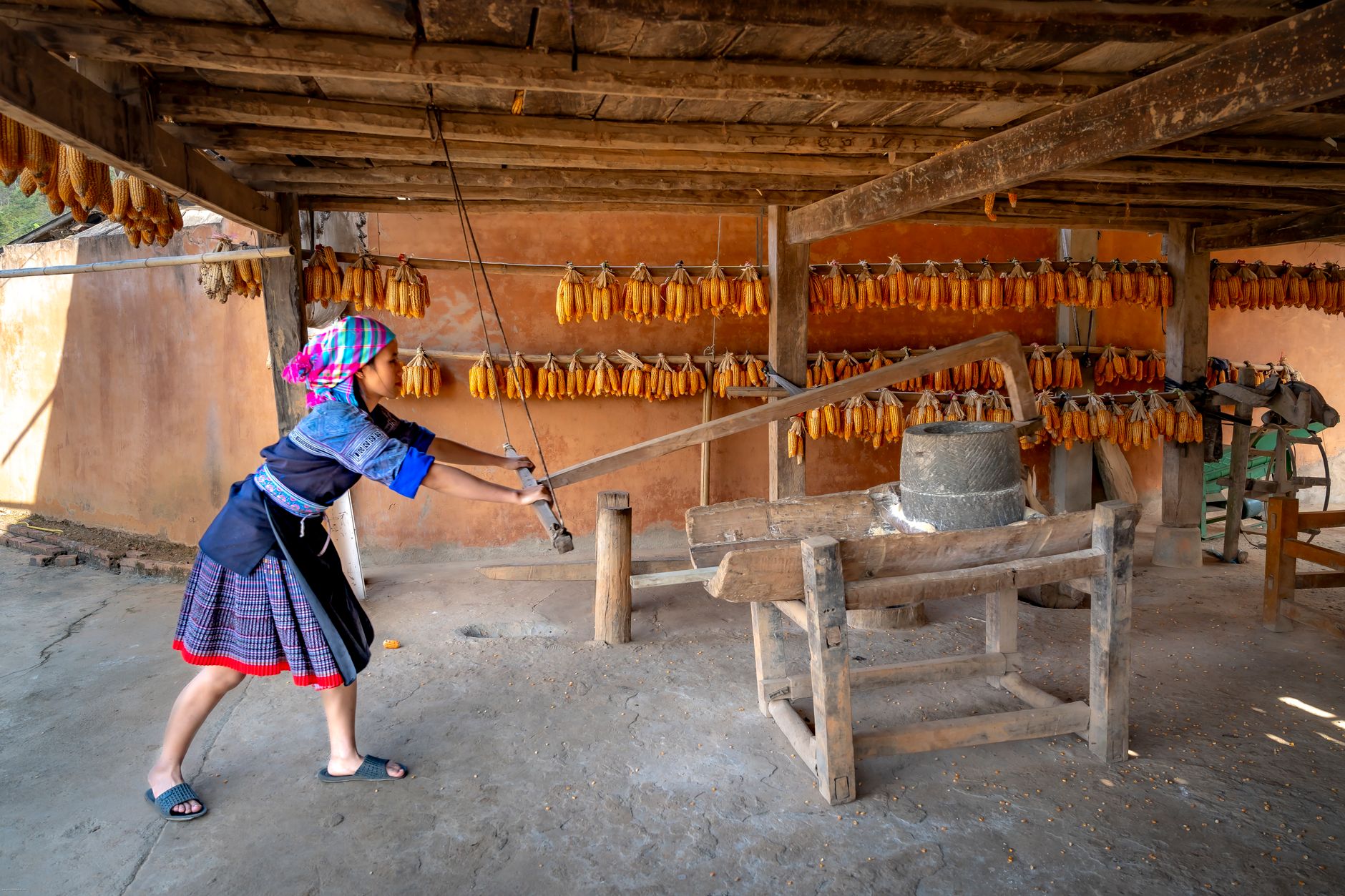
The plateau covers a broad stretch of Son La province along National Highway 6 (QL6), centered on Moc Chau town and the smaller settlement of Moc Chau Farm (Nong Truong Moc Chau). The area was developed as a state dairy and tea enterprise in the 1960s, and that legacy defines the landscape — orderly rows of tea bushes, grazing cattle, and processing facilities. The ethnic makeup is mostly Thai and H'mong communities, alongside Kinh settlers. You'll see traditional stilt houses in outlying villages, and the weekly markets draw people from surrounding hamlets.
It's become popular with Hanoi (하노이 / 河内 / ハノイ) residents as a weekend escape, especially during plum blossom season. Foreign visitors are still relatively rare, which means English signage is sparse and you'll need some Vietnamese or a translation app.
Why travelers go
Three reasons, honestly: the climate, the flowers, and the food. Moc Chau stays 5-10°C cooler than Hanoi, which matters enormously between May and September. The seasonal blooms — plum and peach blossoms in January-February, white mustard flowers in November, sunflowers in December — draw photographers and weekend crowds. And the dairy and tea products here are genuinely good, not tourist-grade.
If you're the type who enjoys slow travel — cycling through tea fields, sitting in a village market, eating well without a plan — Moc Chau rewards that. If you need structured attractions with ticket booths, you might find it quiet.
Best time to visit
Late January to mid-February is peak season. The plum blossoms in Nau Nua village and the Ban Ang pine forest are in full bloom, and Tet festivities in the Thai and H'mong villages add color. Expect higher accommodation prices and weekend traffic from Hanoi.
Late October to November is the second sweet spot. White mustard flowers carpet the hillsides, the air is dry and cool, and crowds are thinner. Temperatures drop to 10-15°C at night — bring a proper jacket.
May to September is green season. The tea fields look their best, the plateau is lush, but afternoon rain is almost daily. Roads can get slippery on the smaller village tracks. Weekday visits are peaceful.
Avoid major Vietnamese holiday weekends (Tet / 越南春节 / テト), April 30, September 2) unless you've booked accommodation well ahead. The plateau gets genuinely congested.

Photo by Vietnam Hidden Light on Pexels
How to get there from Hanoi
The standard route is Hanoi → Moc Chau via QL6, about 200 km. Options:
- Bus: Several operators run from My Dinh bus station in Hanoi to Moc Chau town. The trip takes 4-5 hours depending on traffic through Hoa Binh. Tickets run 150,000-200,000 VND one way. Hai Van and Hung Thanh are common operators.
- Motorbike: The QL6 route through Hoa Binh and Mai Chau is a solid ride — well-paved, with mountain pass sections after Mai Chau that get properly scenic. Allow 5-6 hours with stops. If you're heading this way, the Mai Chau valley is worth a pause for lunch.
- Private car/taxi: Around 2,500,000-3,000,000 VND for a one-way hire from Hanoi. Useful if you're in a group.
There's no train service and no airport. Everything goes through the road.
What to do
Walk the tea fields at Moc Chau Farm
The Heart Tea Hill (Doi Che Hinh Trai Tim) area is the most photographed spot, but the entire Moc Chau Farm zone is lined with tea plantations you can walk through freely. Early morning is best — the mist sits low over the rows and the light is good. You can buy fresh tea directly from small producers along the road for 80,000-150,000 VND per kilogram.
Visit Dai Yem Waterfall
About 5 km from Moc Chau town center, Dai Yem (also called Nang waterfall) drops in two tiers through forested rock. The glass bridge built across the upper section costs 200,000 VND to walk — it's a commercial addition, love it or skip it. The waterfall itself is free to view from below and more interesting after rain.
Explore the H'mong and Thai villages
Va village and Ang village sit within 10-15 km of the town center. These are living communities, not museum exhibits. The weekly markets (usually Sunday mornings) are where locals buy livestock, produce, and textiles. Go early, be respectful with cameras, and buy something if you're browsing the stalls.
Cycle the plateau loop
Rent a bicycle from your homestay (50,000-100,000 VND/day) and ride the loop from Moc Chau Farm through the tea fields toward Ban Ang pine forest. It's relatively flat by northern Vietnam standards — rolling hills, not mountain passes. About 20-25 km round trip, manageable in a half day with stops.
Try the Moc Chau dairy
This sounds mundane, but Moc Chau Milk is one of Vietnam's few domestic dairy brands, and the fresh yogurt and drinking milk here taste noticeably different from what you get in Hanoi or Saigon. The factory outlet near Moc Chau Farm sells fresh products for next to nothing.
Where to eat
Moc Chau's food scene is local and unpretentious. Two things to seek out:
"Com lam" — sticky rice cooked inside bamboo tubes over charcoal, served with grilled chicken or pork. This is a Thai ethnic specialty and it's everywhere along QL6 near the town. A full portion with grilled meat runs about 60,000-80,000 VND.
Grilled stream fish — small freshwater fish grilled whole with "mac khen" (a local wild pepper that tastes somewhere between Sichuan pepper and lemongrass). Look for small roadside restaurants with charcoal grills out front, particularly along the road toward Dai Yem waterfall.
For breakfast, most guesthouses serve "pho" or instant noodles. There are a few local pho shops on the main road through Moc Chau town — nothing famous, but solid and cheap at 30,000-40,000 VND a bowl.
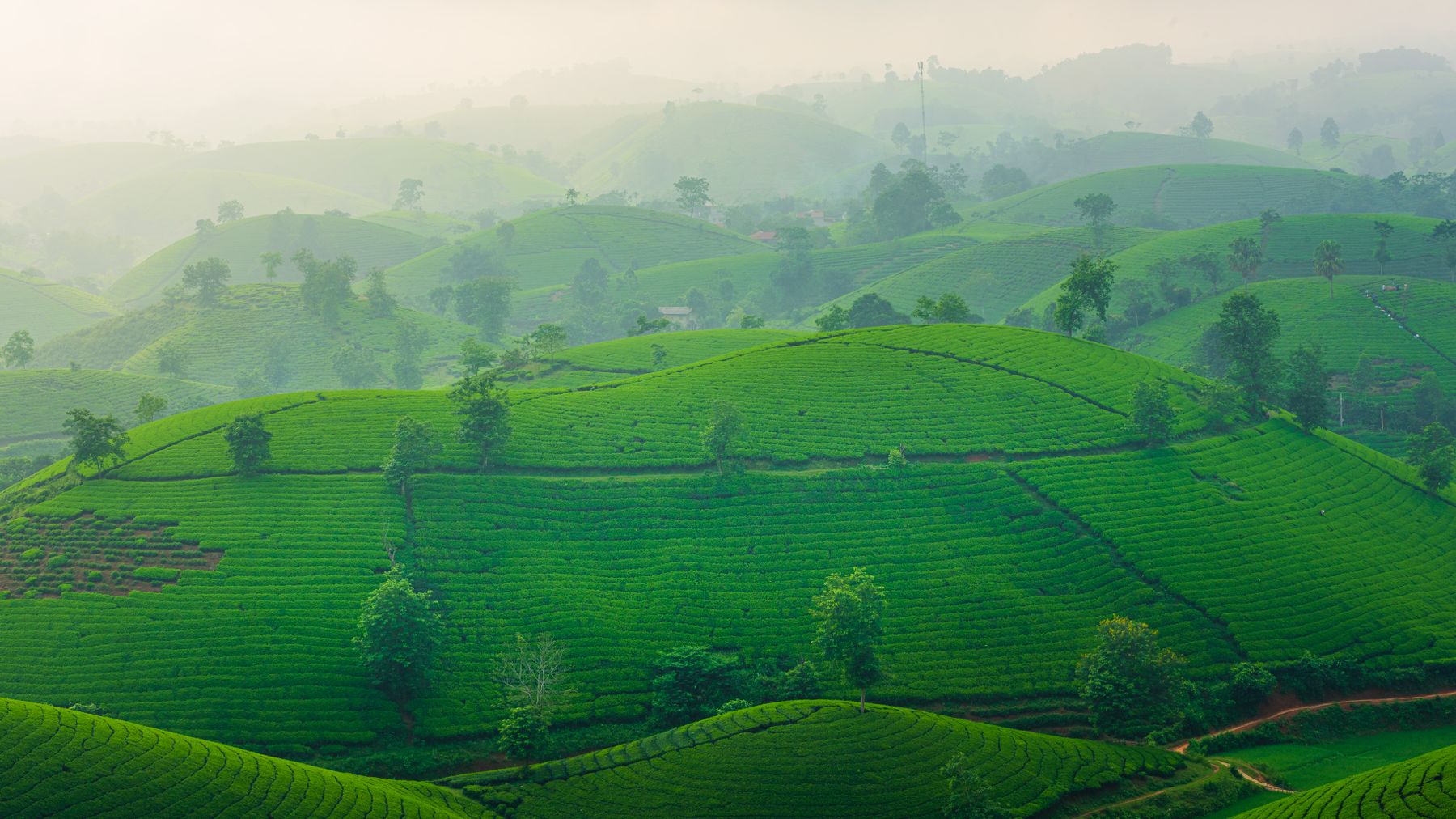
Photo by Duc Nguyen on Pexels
Where to stay
Accommodation splits into three tiers:
- Homestays: 200,000-400,000 VND/night. Basic rooms, often in stilt houses with shared bathrooms. The best way to experience village life. Bai La Homestay and several options in Ang village are decent.
- Guesthouses/mini-hotels: 400,000-700,000 VND/night. Private rooms with hot water and wifi. Concentrated around Moc Chau town center.
- Resorts/eco-lodges: 800,000-1,500,000 VND/night. A few places have gone upmarket with container-style rooms or bungalows overlooking tea fields. Quality varies — check recent reviews.
Book ahead for weekend stays during blossom season. Weekdays are rarely a problem.
Practical tips
- Bring layers. Moc Chau gets genuinely cold from November through February. Night temperatures can hit 5°C. Homestays don't always have heating.
- Cash is king. ATMs exist in Moc Chau town, but card payment is rare outside the bigger hotels. Bring enough VND from Hanoi.
- Rent a motorbike, not a car. The small roads to villages and viewpoints are narrow and sometimes unpaved. A semi-automatic scooter (150,000-200,000 VND/day) is the most practical way to explore.
- Don't expect English. Google Translate's camera mode works well for menus and signs. Learn basic Vietnamese greetings — it goes a long way in smaller communities.
Common mistakes
Day-tripping from Hanoi. The 4-5 hour drive each way makes a same-day return exhausting and pointless. Two nights minimum lets you actually see the plateau at different times of day.
Skipping the villages for the selfie spots. The glass bridge and heart-shaped tea hill are fine, but the Thai and H'mong villages are where Moc Chau has actual character.
Coming without checking bloom schedules. The plum blossoms last about 2-3 weeks and the timing shifts year to year. Check Vietnamese travel forums or ask your accommodation host before committing to specific dates.
Last updated · May 29, 2026 · independently researched, never sponsored.