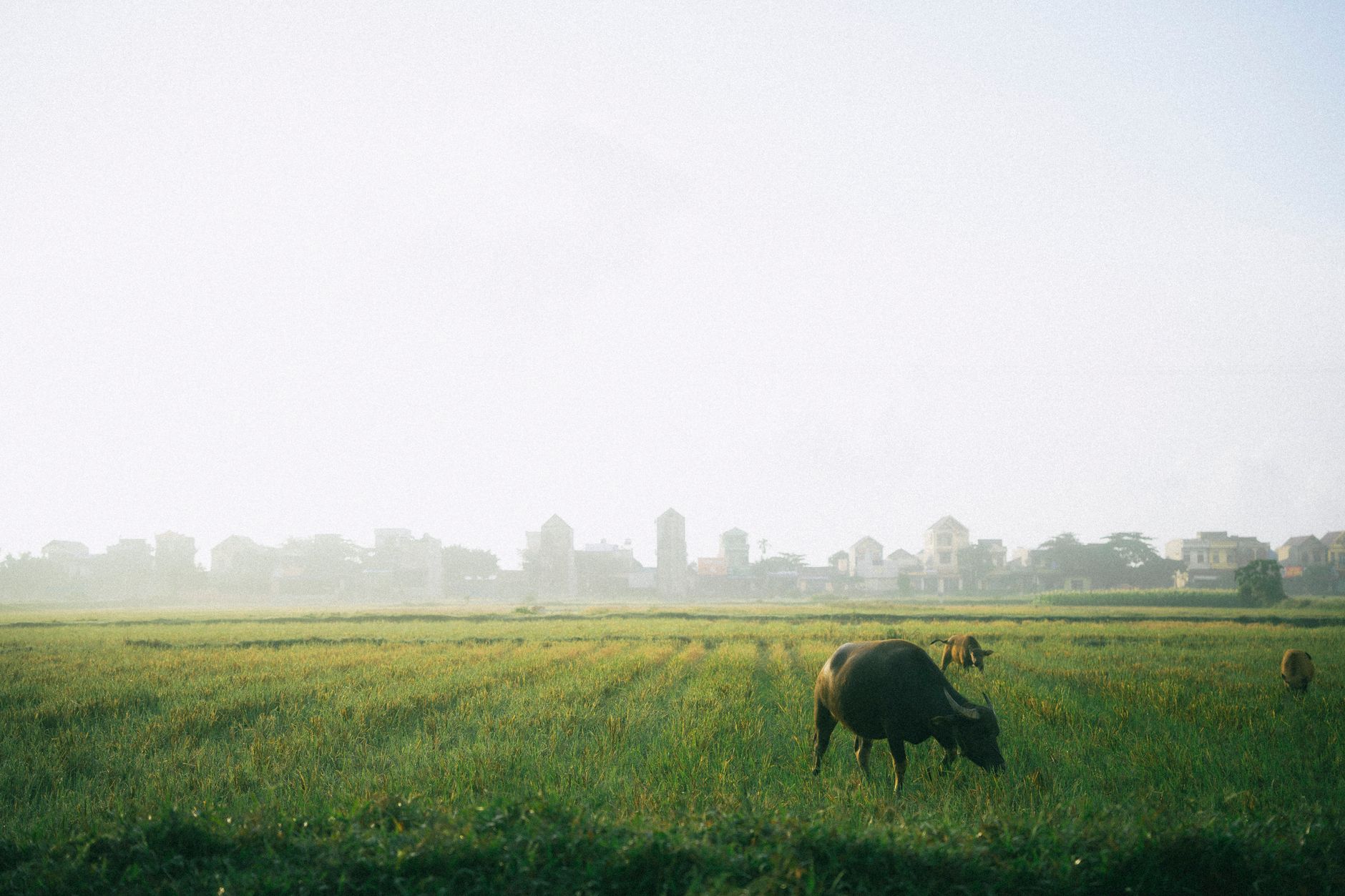
Son La province sits in northwestern Vietnam (베트남 / 越南 / ベトナム), bordering Laos to the west. It's the largest province by area in Northern Vietnam, with a 2018 population of 1.24 million and a regional GDP of 47.2 trillion VND. What sets it apart from tourist hotspots further south: the terrain is genuinely remote, the ethnic makeup is diverse, and the economy still runs on agriculture and hydropower rather than hospitality.
Geography and Settlement
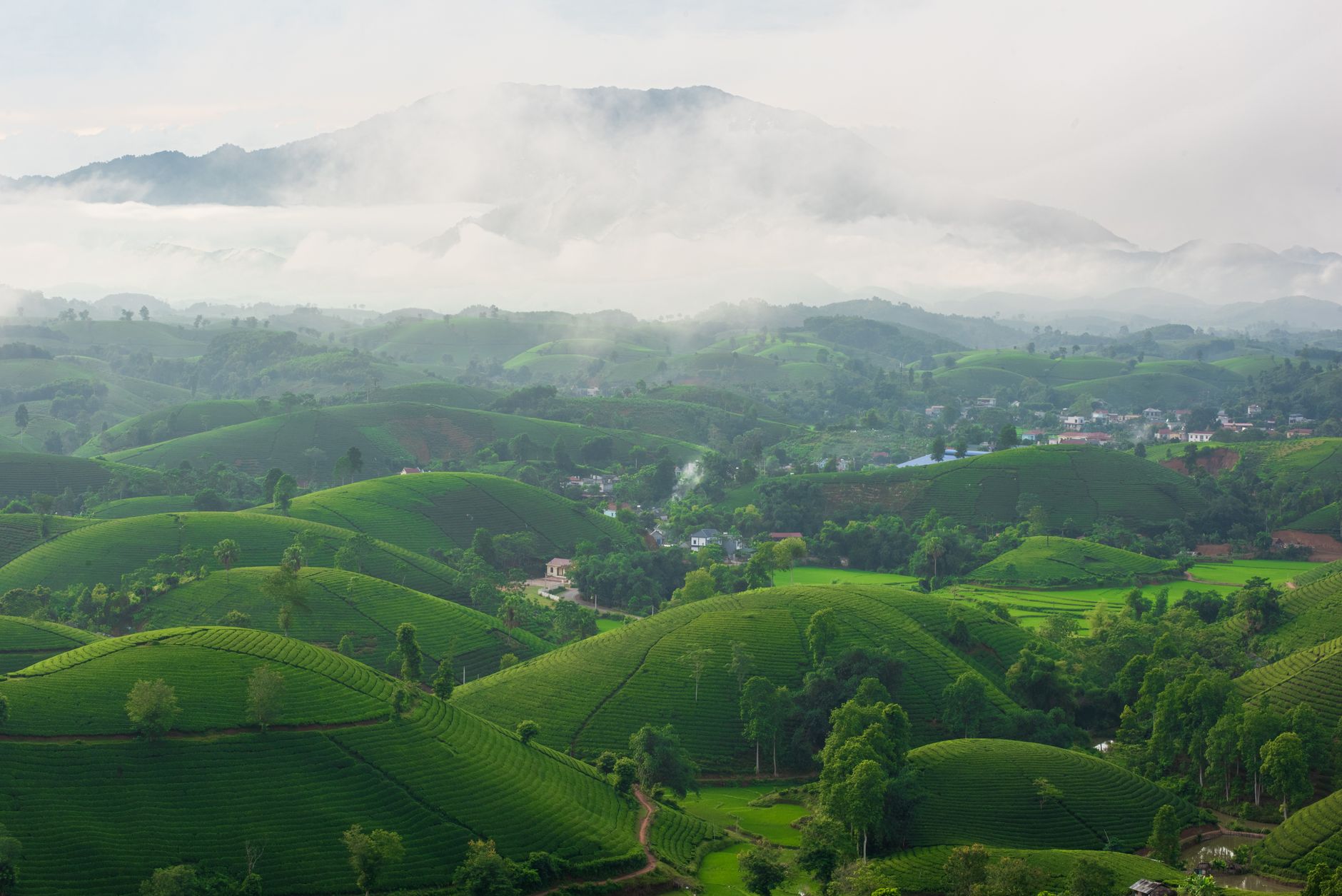
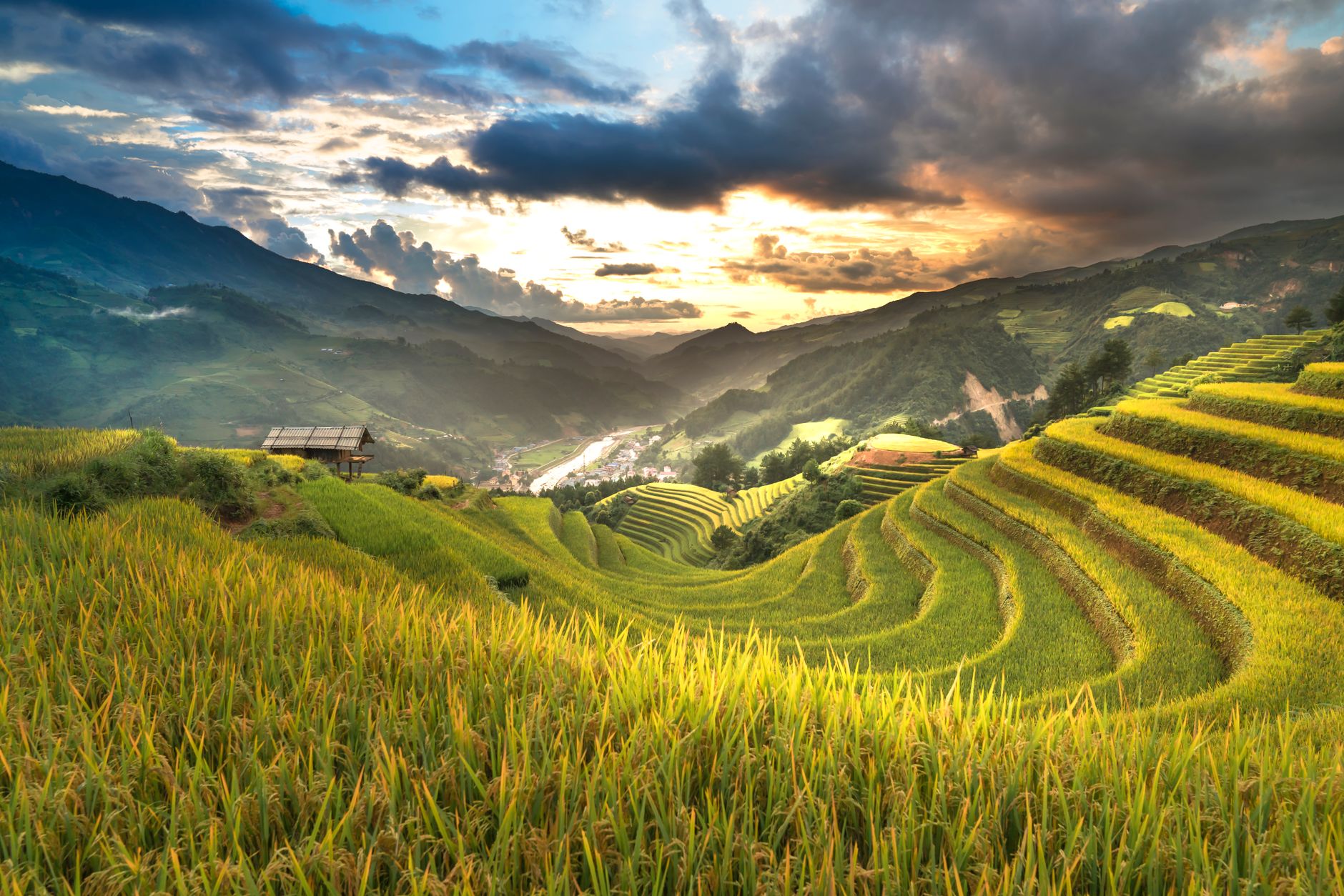
Mountains dominate the landscape—valleys cut between them, rivers run through, forests cover much of the land. The population stays thin compared to the Red River Delta or coastal cities; most people cluster in valleys where farming is viable and roads actually exist. This isn't an accident. The terrain determines where you can live, where you can grow things, where you can move goods.
Ethnic minorities—Thai, H'mong, Dao, Muong—make up a substantial share of the population alongside the Kinh majority. They live in villages scattered across the province, with their own languages, clothing styles, and festival calendars. Tourism marketing calls this "cultural richness." The reality is more grounded: these are working communities with distinct ways of organizing agriculture, family, and ceremony.
Economy: Coffee, Forests, and Hydropower
Son La's economy rests on three pillars. Agriculture comes first—rice in the valleys, maize on slopes, but the crop that's earned national and export attention is coffee. The province has become a meaningful producer of robusta beans, competing with regions like Dak Lak further south. If you buy Vietnamese coffee overseas, there's a decent chance some of it came from here.
Forestry is the second pillar. Logging—both legal timber and non-timber forest products like honey, mushrooms, medicinal plants—employs local families and generates provincial revenue. Sustainable forestry is a stated goal; the reality of enforcement in remote mountainous areas is mixed.
The third and most visible is hydropower. The Son La Dam, completed in 2007, was briefly Southeast Asia's largest hydroelectric facility. It generates electricity for the national grid, manages seasonal floods, and supplies irrigation water to downstream areas. The dam is a concrete symbol of the province's role in Vietnam's energy infrastructure—and a reminder that development in rural areas is rarely left to local choice alone.
Tourism and small-scale manufacturing are growing, but they remain marginal compared to these three sectors. Infrastructure—roads, bridges, ports—is being upgraded to diversify the economy, though progress is incremental in mountainous terrain.

Photo by Quang Nguyen Vinh on Pexels
Culture and Travel
Son La attracts visitors looking for something other than beach resorts or heritage-town crowds. Trekking into ethnic minority villages is possible; local guides can be arranged in Son La City. Markets—especially in smaller towns and district centers—are working markets, not performances for tourists. You'll see farmers selling vegetables, people buying cloth and tools, vendors making meals for locals.
Historical sites exist: Son La Prison is a colonial-era jail with exhibits on French colonial history and the independence struggle. It's a serious museum, not a theme park.
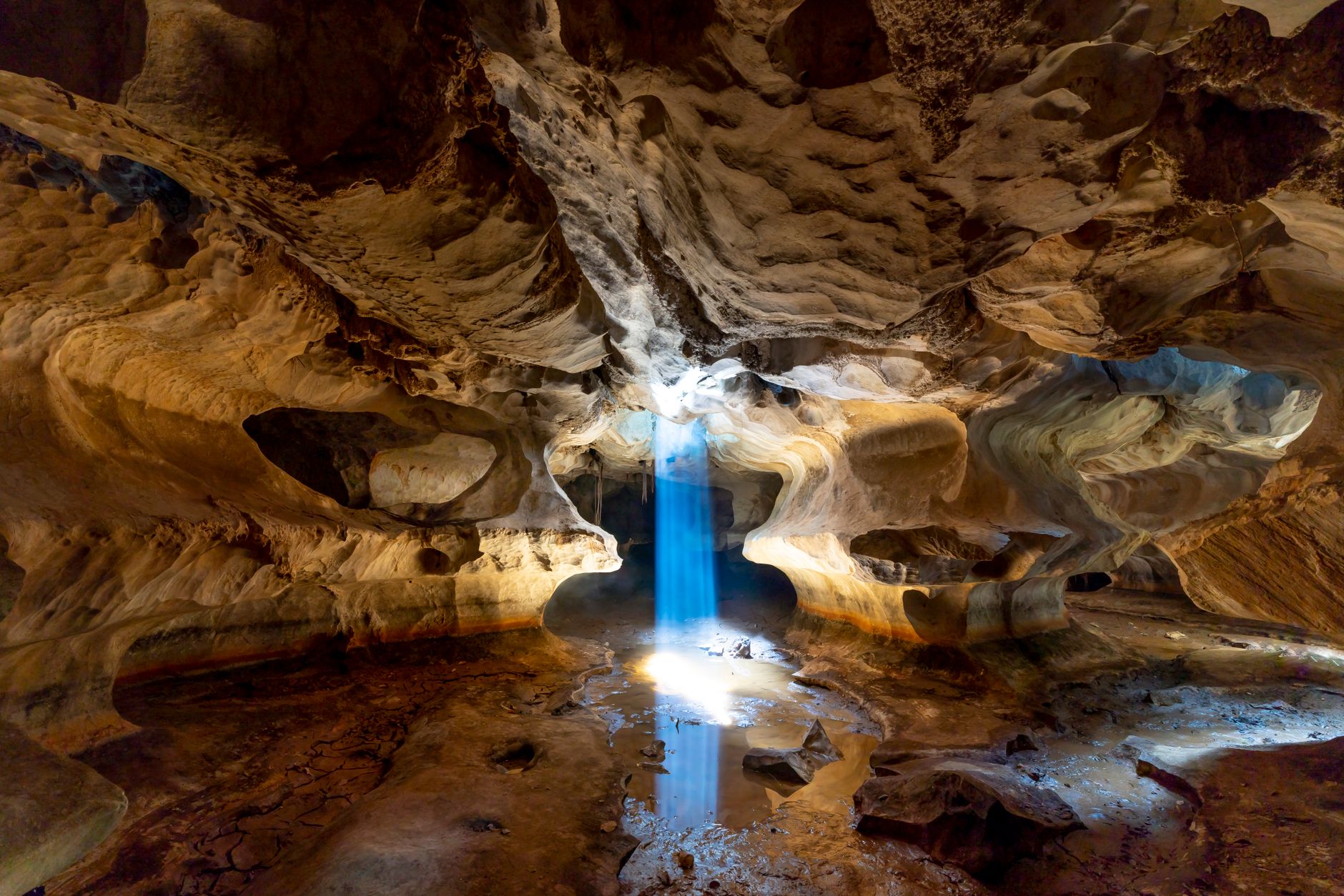
Natural attractions include waterfalls, river valleys, and forest areas. The appeal is specificity: a particular waterfall, a particular trekking route, a particular village—not a generic "natural beauty" claim. Sustainable tourism is a provincial priority, both for environmental reasons and to ensure tourism income actually reaches local communities rather than outside operators.

Photo by Quang Nguyen Vinh on Pexels
Getting There and Moving Around
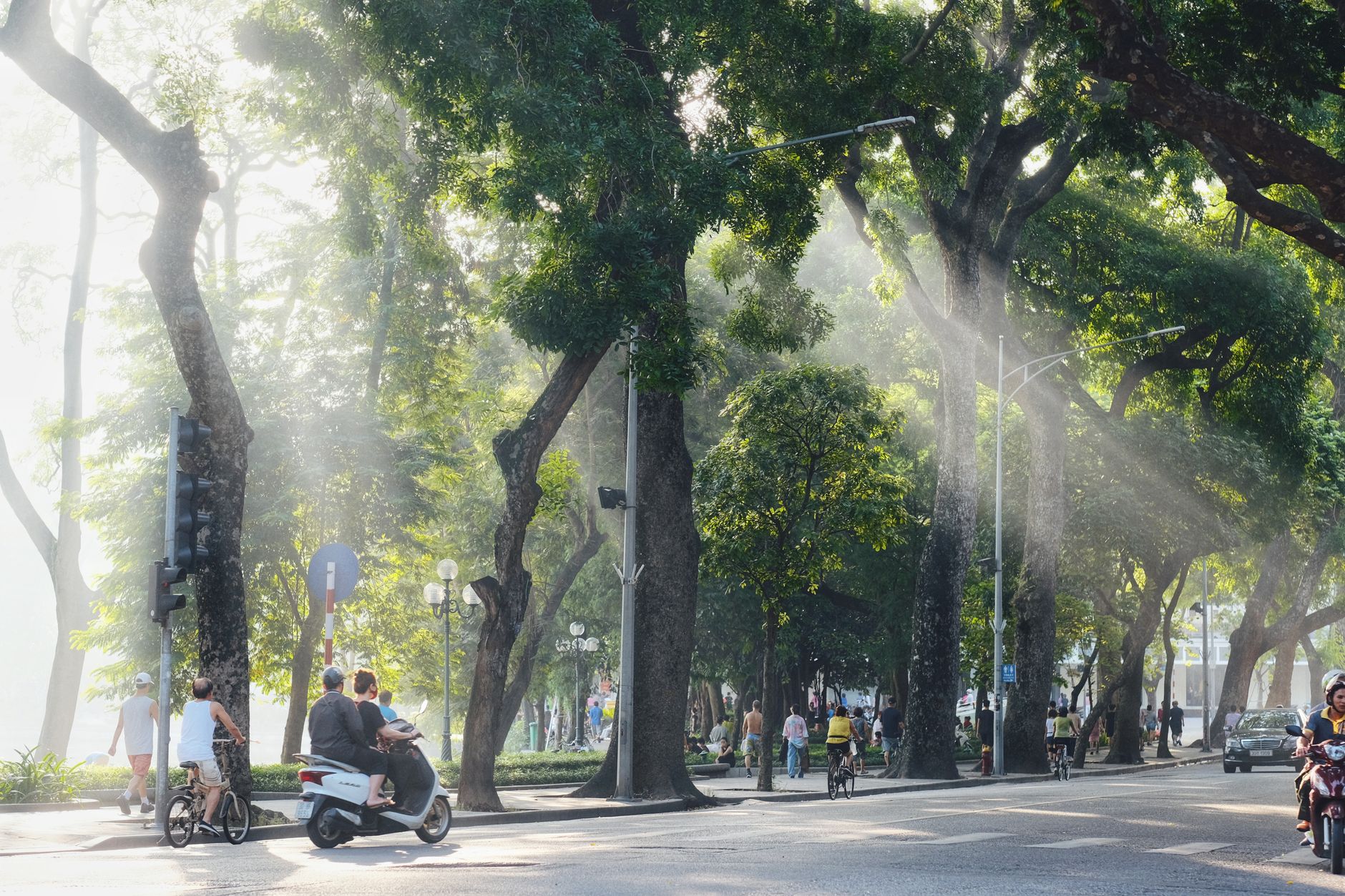
Son La City is the provincial capital and main hub for services, education, healthcare, and administration. There's no airport in the province; you travel by road from Hanoi (roughly 330 km northwest, 6–8 hours by car or bus) or other major cities. The road network connects districts and towns, though mountainous terrain means some areas are still challenging to reach, and road maintenance is an ongoing issue.
Public buses operate between major towns. Private motorbike rental is common for visitors wanting flexibility. The province is investing in digital infrastructure and utilities—electricity, water—to support both urban and rural populations, though rural access remains patchy in remote areas.
Visiting Son La
If you're traveling the northwest—heading toward or from Sapa, Dien Bien Phu, or Laos—Son La fits as a waypoint or a destination in its own right. It requires patience for infrastructure and modest expectations for tourist amenities. What you get in return is a landscape that isn't domesticated for visitors, ethnic communities that are living their own lives, and a sense that you're in a region shaped by geography and economics rather than tourism marketing.
The coffee is worth trying if you're interested in Vietnamese coffee (베트남 커피 / 越南咖啡 / ベトナムコーヒー) beyond the robusta-and-sugar style common in tourist cafes. Local "ca phe sua da" (iced coffee with sweetened condensed milk) served at a market stall in Son La City tastes like what it is: local production, local preparation, local taste.
Frequently Asked Questions
How do ethnic minority communities in Son La differ from typical tourist experiences?
Son La's Thai, H'mong, Dao, and Muong communities are working villages with distinct languages, clothing, and festival calendars — not performances arranged for visitors. Markets in smaller towns and district centers sell vegetables, cloth, and tools to locals. Trekking into these villages is possible with a local guide arranged in Son La City, but the experience reflects daily agricultural and community life rather than curated tourism.
What is the Son La Dam and why does it matter to the province?
The Son La Dam, completed in 2007, was briefly Southeast Asia's largest hydroelectric facility. It feeds electricity into Vietnam's national grid, controls seasonal flooding, and provides irrigation water downstream. Hydropower is one of three economic pillars in the province alongside agriculture — including robusta coffee production — and forestry. The dam represents how rural development in Son La has been shaped by national infrastructure priorities rather than local decision-making alone.
When visiting Son La, what historical site is worth including in an itinerary?
Son La Prison is a colonial-era jail with exhibits covering French colonial history and Vietnam's independence struggle. It functions as a serious museum. Beyond this, natural attractions in the province are specific rather than generic — particular waterfalls, trekking routes, and river valleys — and sustainable tourism is a stated provincial priority aimed at directing income toward local communities rather than outside operators.
Last updated · Jul 15, 2026 · independently researched, never sponsored.