When to go to Son La
Son La sits at roughly 1,000 meters elevation in the northwest mountains, so it doesn't follow the typical lowland Vietnam weather pattern. The seasons here are sharper, the air thinner, and the temperatures can surprise visitors who've only experienced Hanoi or Saigon. Understanding when to visit means the difference between hiking through mist and scrambling through muddy trails.
October to November: The sweet spot
This is when most travelers should aim for Son La. October and early November bring clear skies, cool mornings (around 15–18°C), and comfortable afternoons (20–22°C). Humidity drops noticeably compared to summer, and the rain becomes rare. The landscape is still green from the wet season, but trails are drying out.
Peak tourist season overlaps with these months. You'll see more backpackers on the road between Hanoi and Dien Bien, and guesthouses in town fill up on weekends. If you prefer quieter travel, aim for early October or mid-November to dodge the worst crowds without sacrificing weather.
December to February: Cool and clear
Winter in Son La is dry, and visibility is often excellent. Temperatures drop to 8–10°C in the mornings, sometimes colder if there's mist, and peak around 15–18°C in the afternoon. Rain is rare. You'll need a light jacket or fleece, and the air feels fresh—almost alpine if you hike to higher elevation.
December is still busy with travelers, especially in the week before Christmas. January and February quiet down considerably; guesthouses are half-empty, and you can negotiate prices. This is also when many hill-tribe communities hold their own celebrations after the Lunar New Year—not major tourist events, but worth noting if you're interested in local culture.
The trade-off: shorter daylight hours and occasional dense fog in early morning can make photography and hiking less rewarding. Roads are safe, but visibility on mountain passes can dip suddenly.

Photo by Quang Nguyen Vinh on Pexels
March to May: Unpredictable and warming
March marks the transition. Early March still feels like winter (cool, dry), but by late March and into April, temperatures climb toward 20–25°C. Rain begins to increase in April and May, though it's not yet the heavy downpours of summer. Days are longer and brighter than winter, which suits hiking better.
This shoulder season is lightly visited. You'll find fewer tourists and lower prices, which appeals to budget travelers and those wanting solitude. The catch: trails can be muddy after afternoon showers, and weather can shift unpredictably day to day.
Skip this period if you're trekking to remote areas; the rains make paths slippery and rivers harder to cross.
June to September: Hot, humid, and wet
The monsoon dominates. June through August bring regular afternoon rain, high humidity, and temperatures averaging 22–28°C—cooler than the lowlands because of the altitude, but still uncomfortable if you're accustomed to temperate climates. Mornings are often foggy; afternoons are muggy and wet.
September is the tail end of monsoon season; rain is still frequent, though the worst of the heat passes. By late September, conditions begin to stabilize.
Traveler numbers drop sharply in summer. Guesthouses offer discounts, and you'll rarely feel crowded. Roads are safe, but mountain passes can be treacherous after heavy rain. Hiking is unreliable—many trails are waterlogged or washed out. If you do visit, pack waterproof gear and be flexible with plans.
Festivals and local events
Son La's major draw is the "Tet Nguyen Dan" (Lunar New Year) atmosphere in the weeks before the holiday, typically in late January or early February. The town and surrounding hill-tribe communities prepare seasonal foods and markets bustle with activity. Tourism guides in town can point you toward local celebrations, though these are small-scale compared to lowland cities.
The annual International Motorcycle and Car Rally in Son La typically happens in October or November—timing varies year to year. If you're in town during the event, expect increased traffic and a festive vibe along the main streets.
No major religious festivals like "Tet Trung Thu" or "Hung Kings' Festival" are uniquely associated with Son La, though these are celebrated nationally and would be observed in the town's pagodas and temples if you're visiting during those dates.
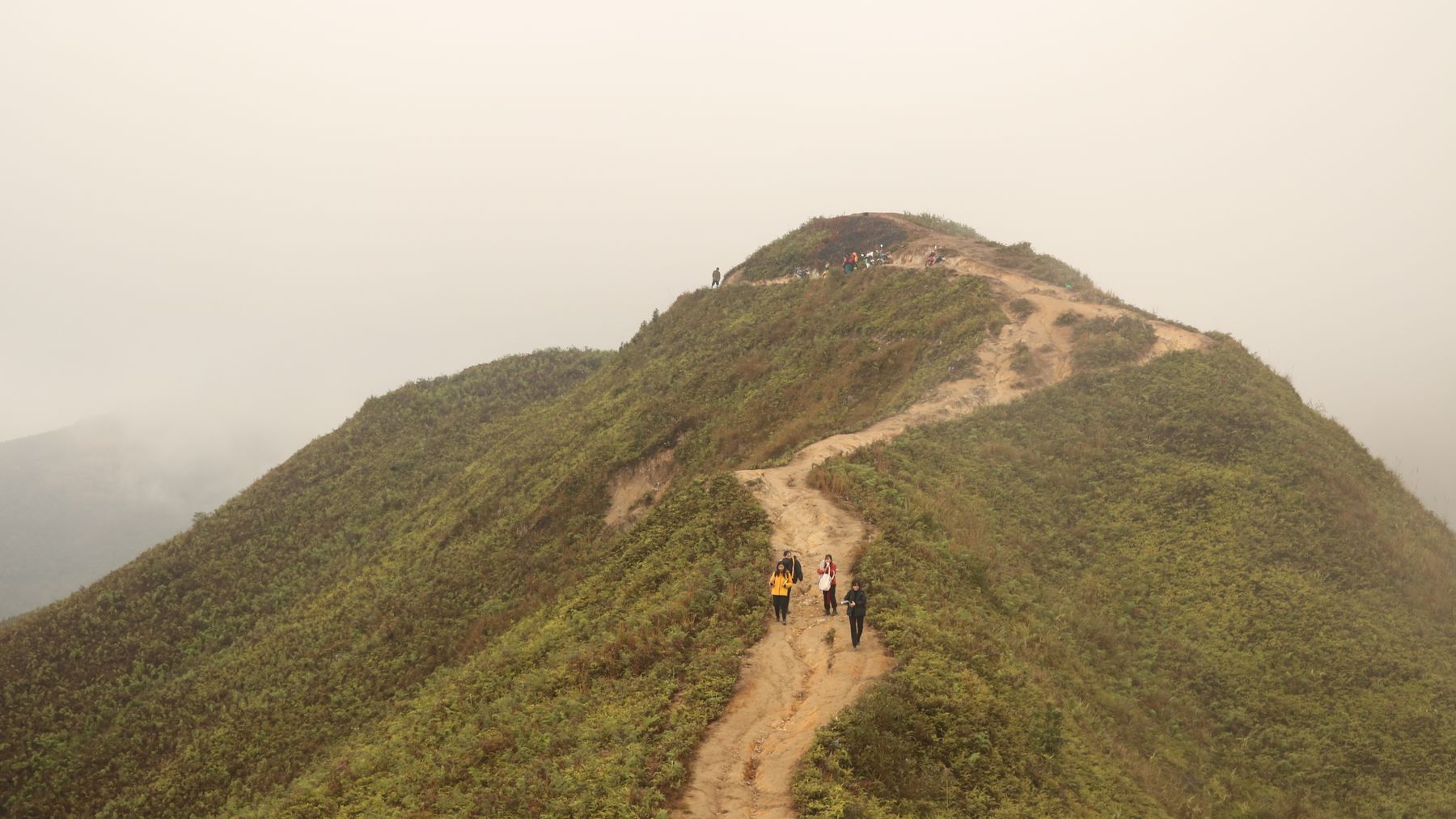
Photo by Hoàng Huy on Pexels
Crowd levels by season
October–November: Busy. Hanoi-to-Dien Bien tourist traffic peaks. Book guesthouses in advance; local restaurants fill at dinnertime.
December–February: Moderate to light. December stays moderately busy; January–February are quiet. You can usually find accommodation same-day.
March–May: Very light. Few tourists; easy to find space and negotiate prices.
June–September: Minimal. Tourism nearly stalls, especially July–August. You'll have trails and attractions almost to yourself—but weather limits your options.
What to pack by season
October–November: Light layers, a windbreaker, comfortable walking shoes, sunscreen. No rain gear needed most days, but carry a light rain jacket for unexpected showers.
December–February: Warm fleece or light down jacket, thermal layers, hiking boots, hat and gloves for mornings. The altitude means cold feels sharper. Sunscreen (sun exposure at height is intense).
March–May: Layers, rain jacket, waterproof backpack cover, sturdy hiking boots, quick-dry clothes.
June–September: Lightweight rain jacket, quick-dry everything, waterproof bag for electronics, water-resistant hiking boots, hat for sun between showers, insect repellent (mosquitoes thrive in wet season).
Practical notes
Son La's main town sits at 1,000 meters; higher-elevation treks in surrounding areas can feel 5–10°C cooler. Weather changes fast in the mountains—check local reports before heading out, especially in transitional seasons. The most reliably pleasant conditions run October through early November, with December–February as a solid alternative if you don't mind the cold. Summer is worth considering only if you're budget-conscious and flexible with plans.
Last updated · Jul 29, 2026 · independently researched, never sponsored.