What it is and why it matters
Nha Co Huynh Thuy Le is a 129-year-old merchant house in Sa Dec, a quiet riverside town in what is now Dong Thap province. Built in 1895 by a wealthy ethnic Chinese family, the house blends southern Chinese architectural traditions with French colonial flourishes — carved wooden panels alongside European floor tiles, Confucian altar work next to wrought-iron balconies.
The house would be worth visiting on architecture alone, but what puts it on the map is a love affair. Huynh Thuy Le was the real-life lover of French writer Marguerite Duras, who grew up in Indochina during the 1920s and 30s. Their relationship — a teenage French girl and an older Chinese-Vietnamese man — became the basis for Duras's autobiographical novel L'Amant (The Lover), published in 1984 and later adapted into a well-known 1992 film. The house is where Le actually lived, and it's been preserved as a small museum since 2007.
Why travelers go
Most people come for the Duras connection, but the house delivers more than literary tourism. The interior woodwork is genuinely impressive — dark hardwood columns, gilded Chinese calligraphy panels, and an elaborate family altar that took craftsmen from Fujian province years to complete. The tile floors were imported from France over a century ago and still look sharp.
Beyond the house itself, Sa Dec is one of the more pleasant towns in the Mekong Delta (메콩 델타 / 湄公河三角洲 / メコンデルタ). It's the flower capital of the south — nurseries line the riverbanks, and the town has a slower, less commercialized feel than Can Tho or My Tho. Visiting Nha Co Huynh Thuy Le gives you a reason to spend a few hours in a place most travelers skip entirely.
Best time to visit
Sa Dec is good year-round, but timing matters for comfort. December through March is the sweet spot — lower humidity, less rain, and temperatures hovering around 28-32°C instead of the brutal 35°C+ you'll get from April to June.
If you want to see the flower villages at their peak, aim for the weeks before Tet (usually late January or early February). The nurseries along the Sa Dec riverfront explode with color as growers prepare plants for the holiday market. Combining the old house with a Tet-season flower village visit makes for a solid half-day.
Avoid September and October if you can — that's peak rainy season, and the roads around Sa Dec can flood.
How to get there
Sa Dec sits about 150 km southwest of Saigon and roughly 60 km from Can Tho (껀터 / 芹苴 / カントー).
From Saigon: Buses depart from Mien Tay bus station in Binh Chanh district. Phuong Trang (FUTA) runs direct coaches to Sa Dec; the ride takes around 3.5-4 hours and costs 120,000-150,000 VND. If you're riding a motorbike, take the QL1A south and cut west on DT848 — figure 3.5 hours without heavy traffic.
From Can Tho: Minibuses and local coaches run from Can Tho's bus station to Sa Dec in about 1.5 hours for 60,000-80,000 VND. This is the easiest option if you're already doing a Mekong Delta loop.
Once in Sa Dec, the house is at 255A Nguyen Hue Street, right in the town center. A xe om (motorbike taxi) from the bus station costs 15,000-20,000 VND, or you can walk it in about ten minutes.
Admission to the house is 20,000 VND.

Photo by Quang Nguyen Vinh on Pexels
What to do
1. Tour the house interior
Take your time with the main hall. The carved wooden transoms above the doors are the highlight — dragons, phoenixes, and floral patterns, all hand-carved and gilded. The family altar at the back of the house is massive and ornate. A guide (usually included with admission) will walk you through the Duras story and the Le family history. Budget 30-45 minutes.
2. Walk along the Sa Dec riverfront
The house sits a block from the river. Head down to the waterfront and walk south — you'll pass old shophouses, a few local temples, and the town's small but photogenic market. The pace here is genuinely unhurried. It's a Mekong Delta town that hasn't been polished for tourists.
3. Visit the Sa Dec flower villages
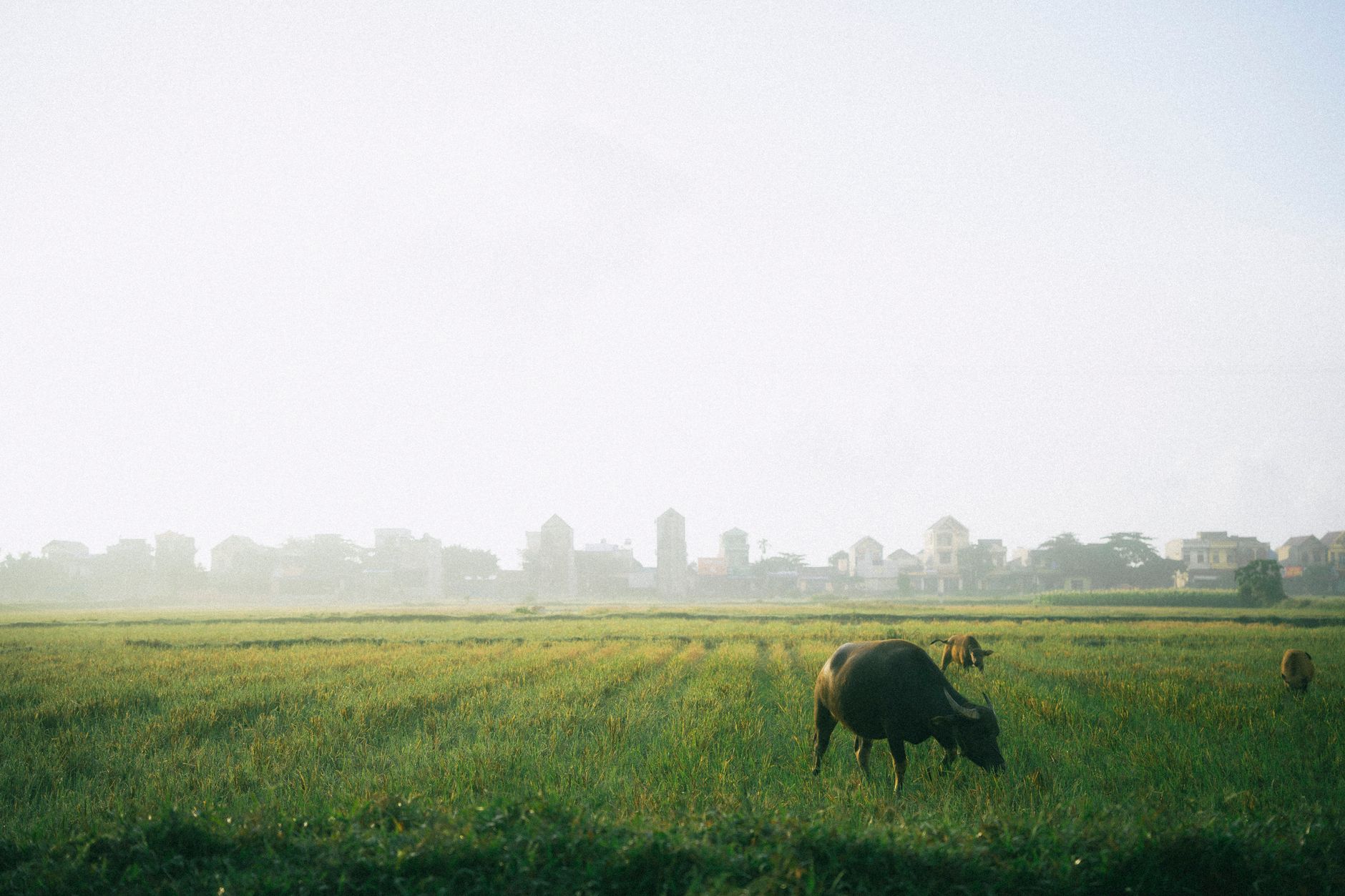
Cross the river by bridge or ferry and you'll find Tan Quy Dong flower village — rows of nurseries growing roses, chrysanthemums, orchids, and ornamental plants. It's a working agricultural area, not a theme park. Wander freely, talk to growers, and expect zero entrance fees. The contrast between the old colonial house and the earthy flower farms makes for a good day.
4. Check out Kien An Cung Pagoda
This Fujian-style Chinese temple is about 200 meters from the old house. It dates to 1924 and has some of the most detailed ceramic relief work in the delta — scenes from Chinese folklore running along the roofline. It's free to enter and takes about 15 minutes.
5. Take a boat on the Sa Dec River
Local boatmen near the market area will take you on a short river trip for 100,000-150,000 VND per boat. The ride passes stilt houses, floating gardens, and the backs of flower nurseries. It's low-key but gives you a different angle on the town.
Where to eat nearby
Sa Dec's signature dish is "hu tieu" — the town claims its own version of this southern noodle soup, with pork broth, rice noodles, and a mix of pork slices, shrimp, and offal. Look for Hu Tieu Sa Dec Ba Hang on Tran Hung Dao Street; a bowl runs 30,000-40,000 VND.
For something different, try "banh xeo" at one of the small stalls around the central market. The Mekong Delta version tends to be crispier and loaded with shrimp and bean sprouts. Expect to pay 15,000-25,000 VND per piece.
Vietnamese coffee is everywhere — any "ca phe" shop along Nguyen Hue Street will serve a proper "ca phe sua da" for 15,000-20,000 VND.
Where to stay
Sa Dec has limited but decent accommodation:
- Budget: Local guesthouses (nha nghi) around the bus station area run 200,000-350,000 VND per night. Basic but clean. Don't expect English-speaking staff.
- Mid-range: Sa Dec has a handful of small hotels in the 400,000-700,000 VND range with air conditioning, Wi-Fi, and breakfast included. Try searching on Booking.com closer to your travel date — options rotate.
- Alternative: Many travelers base themselves in Can Tho and day-trip to Sa Dec. Can Tho has a much wider range of hotels and hostels from 150,000 VND dorm beds to 1,500,000 VND boutique rooms.
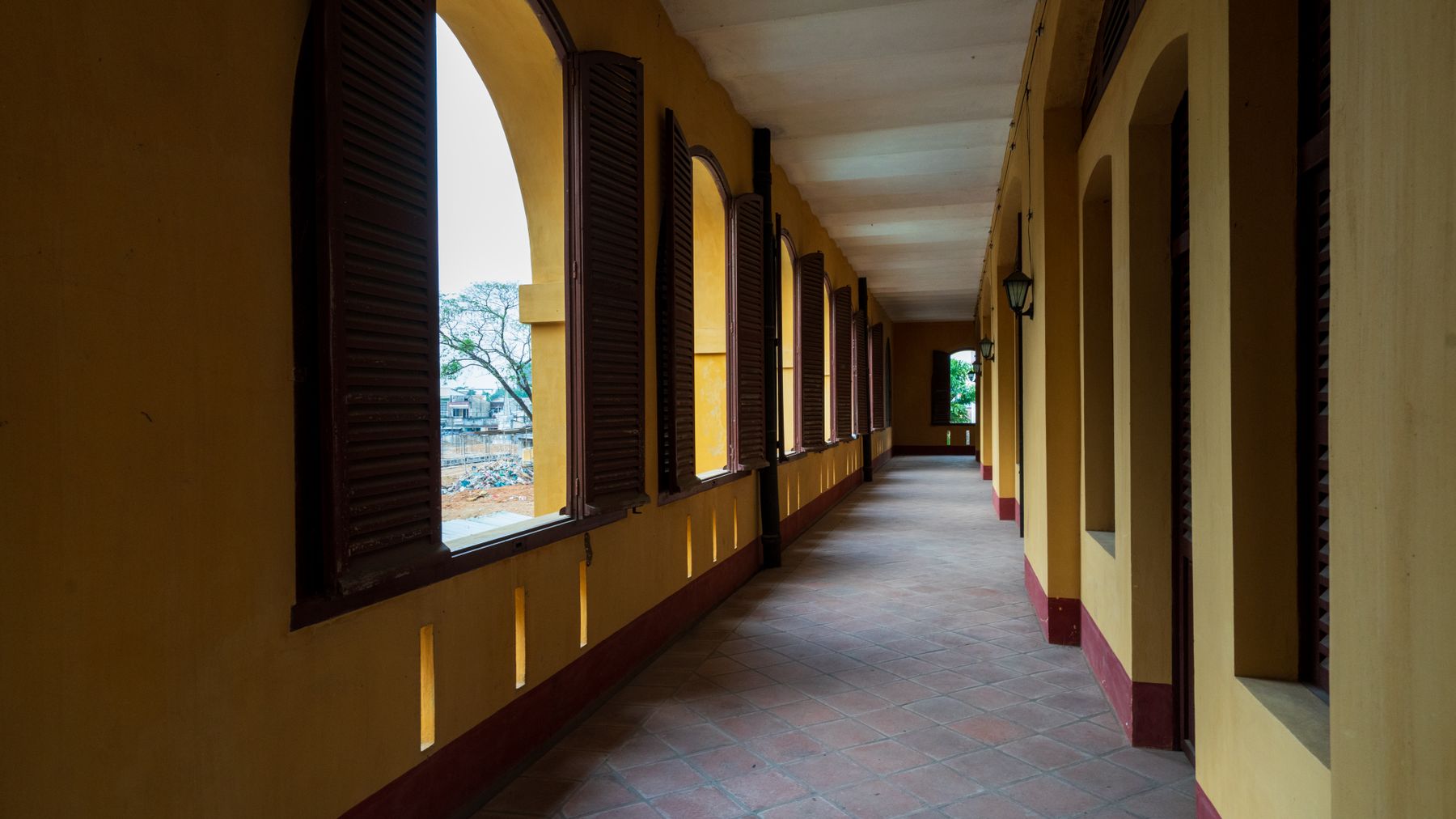
Photo by Đan Thy Nguyễn Mai on Pexels
Practical tips locals would tell you
- The house closes for lunch — typically 11:30 to 13:30. Arrive in the morning or mid-afternoon.
- Bring cash. There's no card payment at the house, and ATMs in Sa Dec can be unreliable.
- If you're combining Sa Dec with a broader Mekong Delta trip, the natural loop is Saigon → My Tho → Sa Dec → Can Tho → Saigon. Two to three days covers it well.
- Sa Dec's market is best before 8:00 AM. After that, it thins out fast.
Common mistakes to avoid
- Rushing through. Some tour groups give the house 15 minutes and leave. The woodwork and the altar deserve a slower look, and Sa Dec itself is worth an hour or two of walking.
- Skipping the flower villages. They're the other half of the Sa Dec experience. If you only see the house, you've missed the point of the town.
- Coming on a public holiday without planning. During Tet / 越南春节 / テト) and long weekends, the house gets noticeably more crowded with domestic visitors. Weekday mornings are the quietest.
- Expecting a Duras theme park. The house is modest and authentic. There's no gift shop selling L'Amant merchandise. That's the appeal.
Practical notes
Nha Co Huynh Thuy Le is a small destination — you won't spend a full day here. Pair it with the flower villages and a riverside walk for a satisfying half-day, or fold it into a longer Mekong Delta itinerary that includes Can Tho's floating markets. It's one of the few places in the delta where architecture, history, and a genuinely good story come together in a single room.
Last updated · May 29, 2026 · independently researched, never sponsored.