What Nha Tho Tac Say actually is
Nha Tho Tac Say is a Catholic church and pilgrimage site in Bac Lieu province, deep in the Mekong Delta (메콩 델타 / 湄公河三角洲 / メコンデルタ). It's the burial place of Father Truong Buu Diep (1897–1946), a Vietnamese priest killed during wartime who became one of the most venerated Catholic figures in southern Vietnam. The Vatican opened his cause for beatification in 2012, and since then the site has only grown busier.
The church itself isn't ancient — the current structure was rebuilt and expanded in 1999 to accommodate the flood of visitors. It sits on flat, rice-paddy land along National Highway 1A, about 20 km northeast of Bac Lieu city. The complex includes the main church, a smaller chapel housing Father Diep's tomb, gardens, and a museum-like exhibition space documenting his life.
Whether or not you're Catholic, the site is worth a stop if you're passing through the southern delta. It's one of the few places in this corner of Vietnam (베트남 / 越南 / ベトナム) that draws serious crowds, and the atmosphere — part devotion, part community gathering — is unlike anything else in the region.
Why travelers go
Most visitors are Vietnamese pilgrims, and the energy around the site reflects that. You'll see families lighting incense, groups praying at the tomb, and vendors outside selling religious items alongside coconut water and grilled corn. For non-religious travelers, the draw is more anthropological: this is grassroots Vietnamese Catholicism in the deep south, far from the French-colonial churches of Saigon or the cathedrals of Da Nang. The mix of Catholic ritual with distinctly Vietnamese folk-devotion customs — offerings, handwritten prayer notes, burning paper — is genuinely interesting.
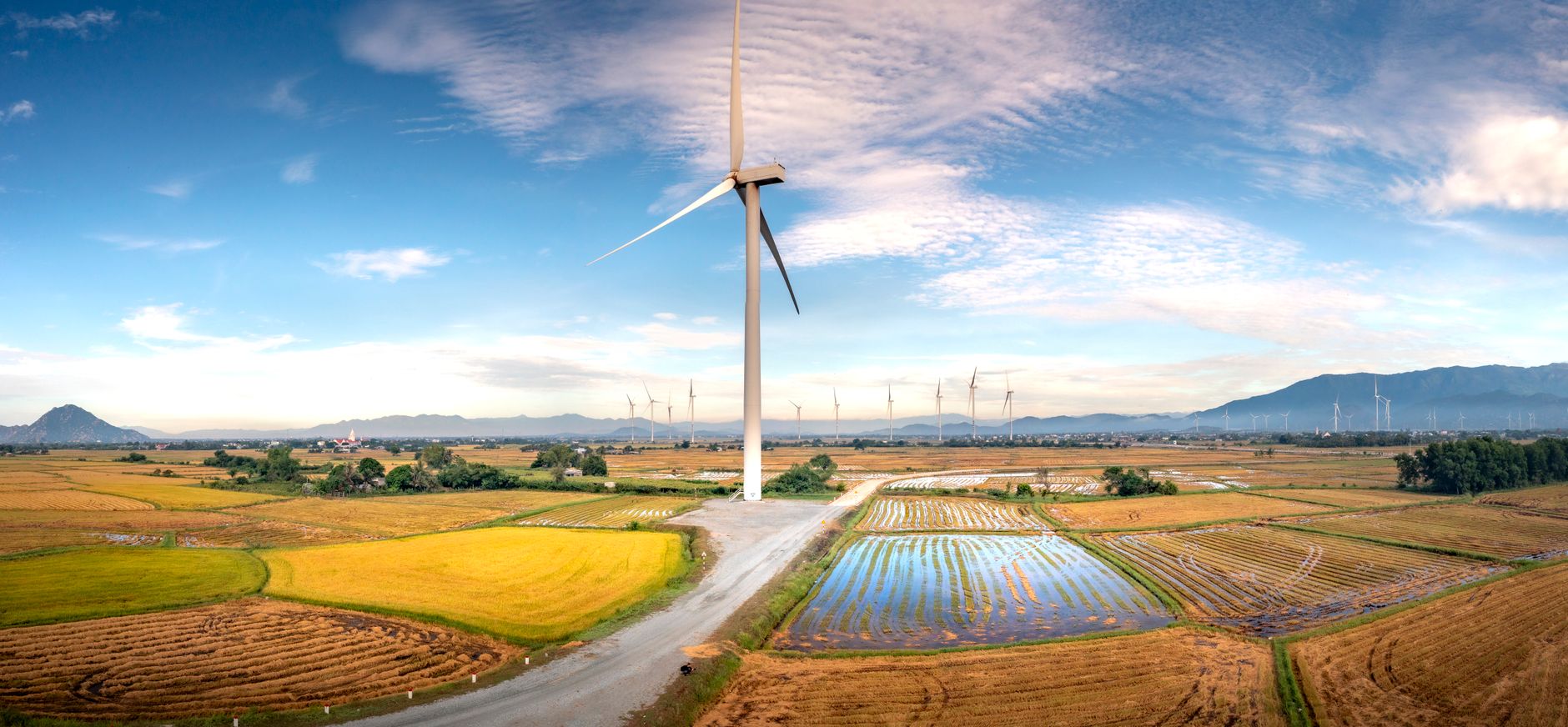
The surrounding landscape is also pure Mekong Delta. Canals, fish ponds, coconut palms, flat horizons. If you're traveling between Can Tho and Ca Mau, this is a natural stop that adds texture to the drive.
Best time to visit
The biggest pilgrimage day is March 12, the anniversary of Father Diep's death. Expect tens of thousands of visitors — the roads around Tac Say become a slow-moving procession of buses and motorbikes. It's intense and memorable, but not relaxing.
For a calmer visit, the dry season months of December through April work well. Mornings are cooler (by delta standards — still around 27–30°C), and afternoon rain is less likely. Weekdays are significantly quieter than weekends. If you visit during Tet, the church grounds are decorated and busy with local families, which adds some festive atmosphere.
Avoid September and October if you can — peak rainy season means the surrounding roads can flood, and the grounds get muddy.
How to get there
From Can Tho (the nearest major hub with an airport), Tac Say is roughly 110 km south, about 2.5 hours by car or motorbike via National Highway 1A. The road is decent — two lanes, mostly flat, occasional slow stretches through small towns.
- Bus: Catch a Bac Lieu-bound bus from Can Tho's 91B bus station. Tickets run 80,000–120,000 VND. Ask to be dropped at "Nha tho Tac Say" — drivers know it. The church is right off the highway.
- Motorbike: Straightforward ride on QL1A. Budget about 100,000 VND for fuel (round trip on a 110cc). The road is flat and easy, but watch for trucks.
- Grab/private car: A one-way Grab car from Can Tho runs about 500,000–700,000 VND. Availability is hit-or-miss this far south — book ahead or arrange a return with your driver.
From Ca Mau city, it's about 60 km north — roughly 1.5 hours by motorbike or car on the same highway.

Photo by Vietnam Hidden Light on Pexels
What to do
Visit the tomb chapel
The small chapel behind the main church holds Father Diep's tomb. This is where most pilgrims spend their time — praying, leaving notes, touching the glass case. Even as a non-pilgrim, it's a quiet, reflective space. Respectful behavior and modest clothing (covered shoulders and knees) are expected.
Walk the church grounds
The complex has been landscaped with gardens, statues, and a Via Crucis (Stations of the Cross) path. It's well-maintained and surprisingly peaceful on weekdays. The exhibition area near the entrance has photos and documents about Father Diep's life — signage is mostly in Vietnamese, but the visuals tell the story.
Watch the vendors and the crowd
The strip outside the church gate is a mini-market: religious souvenirs, snacks, fruit, coconut candy. The people-watching is good. This is where southern Vietnamese pilgrimage culture meets everyday Mekong Delta commerce.
Explore the canal roads nearby
If you have a motorbike, ride the small roads along the canals east or west of the church. Within 5 minutes you're in deep countryside — shrimp ponds, coconut groves, wooden bridges. No tourist infrastructure, just the real delta.
Combine with Bac Lieu city
Bac Lieu city is 20 km southwest and worth a short detour. The Bac Lieu Prince's House (a French-colonial mansion) and the city's bird sanctuary are both solid stops. Budget an extra 2–3 hours.
Where to eat nearby
The delta is serious eating territory. Within Bac Lieu city:
- Bun bo Chua Lua on Tran Phu street does a solid bowl of "bun bo Hue" — the southern version is slightly sweeter than what you'd get in Hue itself, and cheaper at around 35,000–45,000 VND.
- Banh xeo is everywhere in this part of the delta. Look for small roadside stalls near Bac Lieu market — the crepes here are large, crispy, and stuffed with shrimp and bean sprouts. Around 20,000–30,000 VND per piece.
Right at Tac Say, the vendor stalls sell decent "banh mi", grilled meat skewers, and fresh coconut — enough for a quick lunch, not a destination meal.
Where to stay
Tac Say itself has no hotels. Stay in Bac Lieu city:
- Budget: Nha nghi (guesthouses) along Tran Phu or Hai Ba Trung streets: 200,000–350,000 VND/night. Basic but clean.
- Mid-range: Bac Lieu Hotel or Cong Tu Bac Lieu Hotel: 500,000–900,000 VND/night. Air-con, Wi-Fi, breakfast included at some.
- Upscale options are limited. This isn't a tourist town. If you need a proper hotel, Can Tho has better selection.

Photo by Thuan Pham on Pexels
Practical tips locals would tell you
- Dress modestly. This is an active place of worship. Shorts and tank tops will draw looks.
- Go early. The church opens around 5:00 AM and mornings are cooler. By midday the heat and crowds both peak.
- Bring cash. There are no ATMs at Tac Say. Bac Lieu city has them, but stock up before you head out.
- Shoes off in the chapel — follow the lead of other visitors.
- Don't skip the side roads. The delta landscape within a 5 km radius is the real payoff if you're not on a pilgrimage.
Common mistakes to avoid
- Treating it like a quick photo stop. You need at least 1–1.5 hours to walk the grounds properly. Rushing through misses the point.
- Arriving on March 12 without planning. The anniversary pilgrimage is massive. Hotels in Bac Lieu sell out, roads clog. Book ahead or skip that specific date.
- Expecting English signage. There's almost none. A basic Vietnamese phrasebook or translation app helps a lot this far south.
- Driving back to Can Tho after dark. The highway is poorly lit and truck traffic is heavy at night. Leave by 4 PM or stay overnight in Bac Lieu.
Practical notes
Tac Say works best as part of a Mekong Delta loop — Can Tho to Bac Lieu to Ca Mau and back, or continuing east to Soc Trang. On its own, it's a half-day stop. Combined with the delta countryside around it, it's a window into a part of Vietnam that most travelers skip entirely.
Last updated · May 29, 2026 · independently researched, never sponsored.