Most travelers treat Bac Lieu as a brief highway marker on the long drive south from Can Tho to Ca Mau. That is a mistake. This coastal province is one of the Mekong Delta (메콩 델타 / 湄公河三角洲 / メコンデルタ)'s most fascinating cultural crossroads, where Khmer, ethnic Chinese (Hoa), and Kinh traditions have spent centuries blending into a distinct regional identity.
While the town is famous for the legendary wealth of the Prince of Bac Lieu, the real reasons to visit lie in its surreal coastal landscapes, massive temples, and deep musical heritage. Here is how to spend two days exploring the best of the province.
1. Walk Among the Giants at the Bac Lieu Wind Farm
Located in Vinh Trach Dong commune, about 20 km garden-lined kilometers from the city center, the Bac Lieu Wind Farm (Dien Gio Bac Lieu) looks like something out of a science fiction film. Dozens of massive, 80-meter-tall wind turbines rise directly out of the coastal mudflats, their blades spinning slowly against the delta sky.
A long concrete pier stretches out into the shallow water, allowing you to walk right beneath the towers. The heat along the coast can be intense, so plan your visit for after 4:30 PM. The entry fee is VND 20,000, and the site offers a stark, industrial contrast to the otherwise agricultural landscape of the delta.
2. Decode the Khmer Architecture at Chua Xiem
Bac Lieu is home to a significant Khmer population, and Chua Xiem is the crown jewel of their spiritual heritage in the province. Built in 1887, this Theravada Buddhist temple complex is a riot of gold, red, and intricate relief carvings.
Unlike the understated Mahayana temples found elsewhere in Vietnam (베트남 / 越南 / ベトナム), Chua Xiem features towering spires, murals depicting the life of Buddha, and statues of "naga" serpents guarding the entrances. Walk slowly through the shaded grounds to appreciate the quiet devotion of the local monks. Entry is free, but ensure your shoulders and knees are covered.
3. Explore the Roots of Folk Opera at Cao Van Lau Memorial
Bac Lieu is the undisputed birthplace of "cai luong" (southern folk opera) and "don ca tai tu" (southern amateur music). The Cao Van Lau Memorial is dedicated to the composer of "Da Co Hoai Lang" (Night Drum Beats for the Absent Husband), the iconic 1919 song that defined the genre.
The memorial park is instantly recognizable by its striking modern architecture: three giant concrete roofs shaped like the traditional "non la" (conical hat) facing the sky. Inside, the museum houses historical instruments, performance costumes, and old vinyl records. It is a quiet, respectful space that explains the deep emotional connection southern Vietnamese people have to this melancholic music style. Entry is VND 10,000.

Photo by HONG SON on Pexels
4. Re-evaluate the Legend at Nha Cong Tu Bac Lieu
While this guide looks beyond the famous playboy prince, his house remains a key historical landmark. Built in 1919 by a French architect for Tran Trinh Huy—the man who famously burned money to boil an egg—the mansion is a preserved monument to early 20th-century excess.
The two-story villa features imported Italian marble, French cast-iron railings, and heavy wooden furniture inlaid with mother-of-pearl. While the stories of the prince's wild spending are often exaggerated for tourists, the house itself is a beautiful example of Indochinese architecture. Entry is VND 30,000.
5. Join the Pilgrims at Quan Am Phat Dai
For a window into local spiritual life, head to the coast to visit Quan Am Phat Dai, also known as Me Nam Hai (Mother of the Southern Sea). This active pilgrimage site centers around a 31-meter-tall statue of Guanyin, the Goddess of Mercy, looking out over the water.
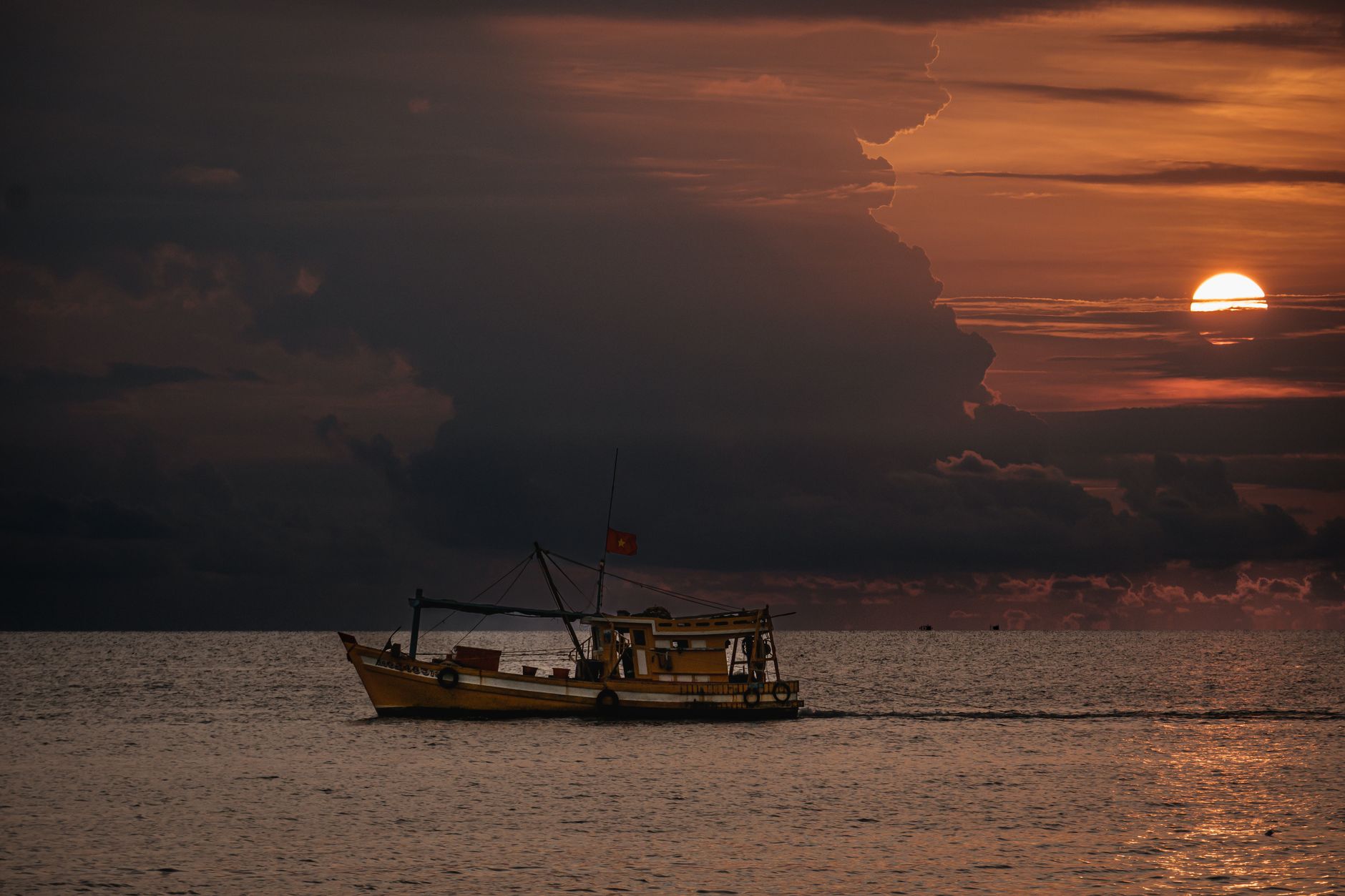
Local fishermen come here to pray for safe passage before heading out to sea. The air is thick with incense, and the surrounding plazas are filled with vendors selling vegetarian food, lotus flowers, and religious amulets. It is busy, loud, and deeply authentic.

Photo by Tuan Vy on Pexels
6. Feast on Giant Banh Xeo at A Mat
After exploring the temples, head to the longan orchard district of Hiep Thanh to eat. This area is famous for "banh xeo" (savory sizzling crepes), and A Mat is the local institution.
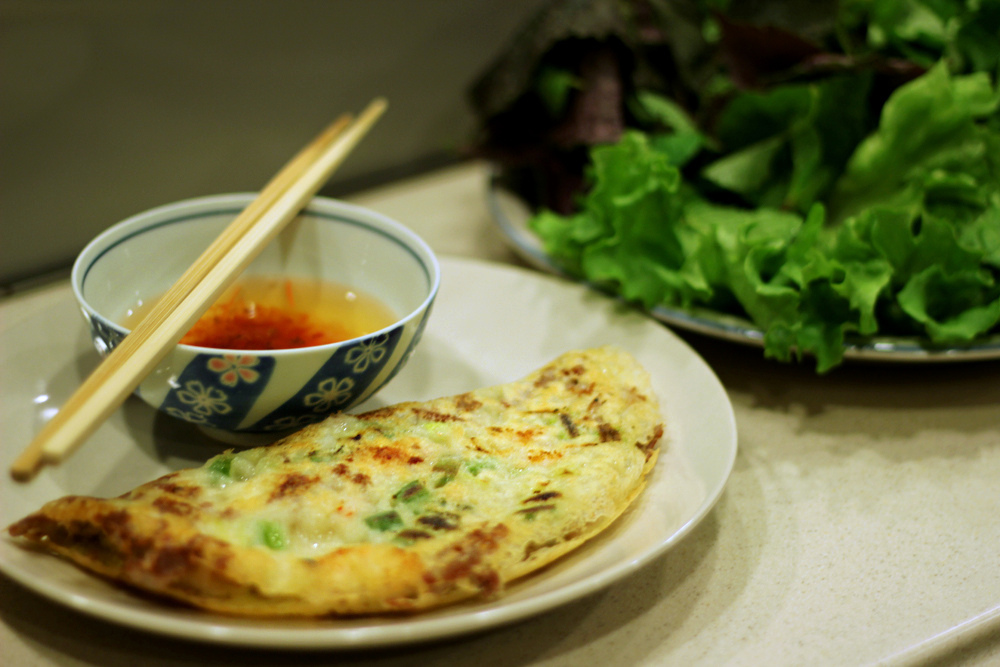
Unlike the smaller central-style crepes, the version here is massive, cooked in giant woks over high heat until the edges are paper-thin and shattering. The batter is colored bright yellow with turmeric and stuffed with minced duck meat, green beans, and bean sprouts. You eat it by tearing off pieces, wrapping them in wild mustard greens and herbs, and dipping the bundle into a sweet-and-sour fish sauce. A single giant crepe costs around VND 50,000.
Lesser-Known Alternatives
If you have extra time, skip the standard city sights and rent a motorbike to explore these two spots:
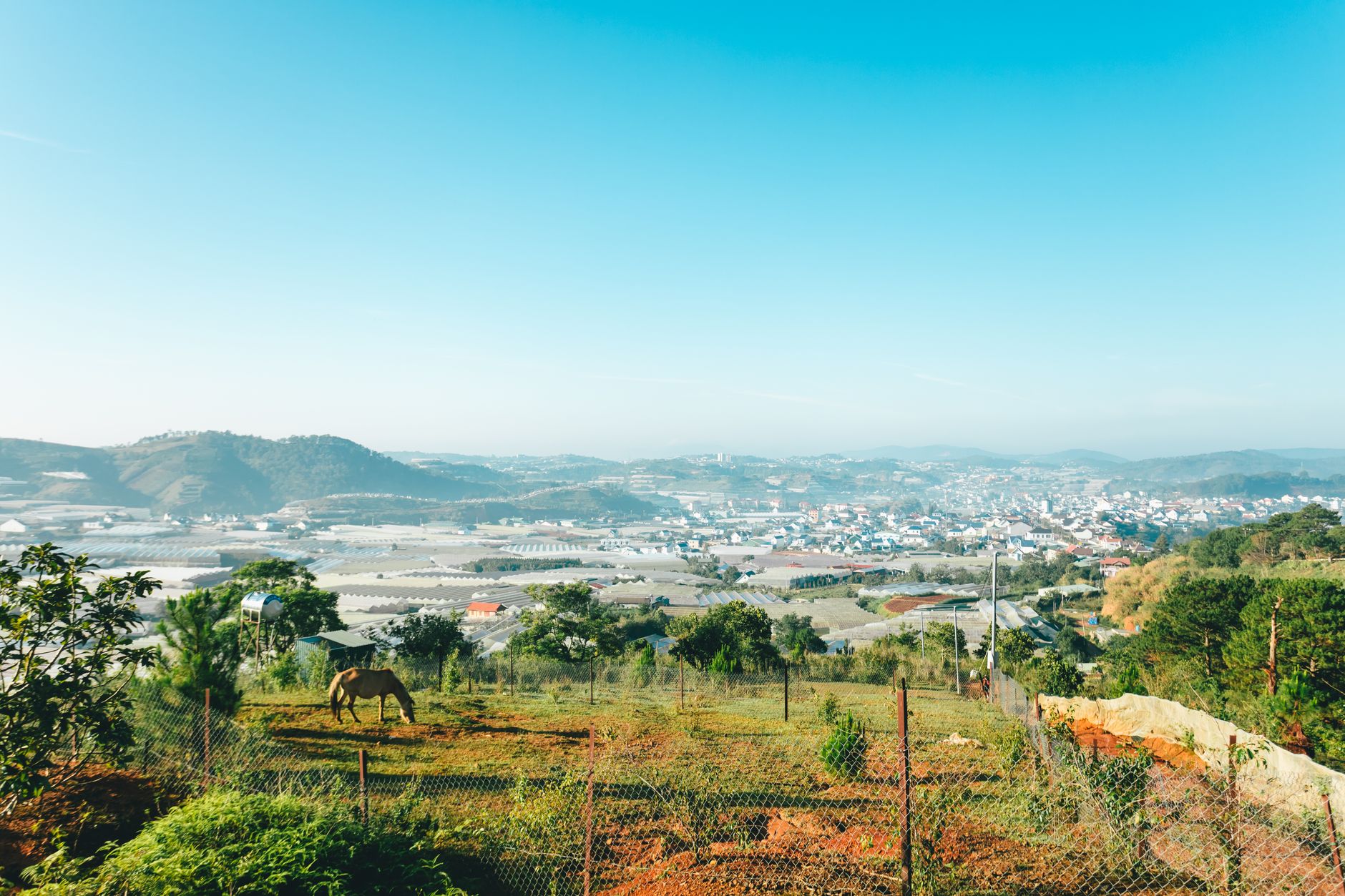
- Giong Nhan (Ancient Longan Orchards): A stretch of road in Hiep Thanh lined with century-old longan trees brought over by Chinese immigrants. During the harvest season (late summer), roadside stalls sell sweet, thick-fleshed fruit straight from the branches.
- Bac Lieu Bird Sanctuary: Located just 6 km from the city, this natural mangrove forest is home to dozens of waterbird species. The best time to visit is during the rainy season (August to November) at dusk, when thousands of birds return to the canopy to roost.
Practical notes
Bac Lieu is best reached via a 6-hour bus ride from Saigon or a 2.5-hour drive from Can Tho. The city center is compact and easily navigated on foot or by short taxi rides, but renting a motorbike is highly recommended if you want to visit the wind farm and coastal temples on your own schedule.
Last updated · May 30, 2026 · independently researched, never sponsored.