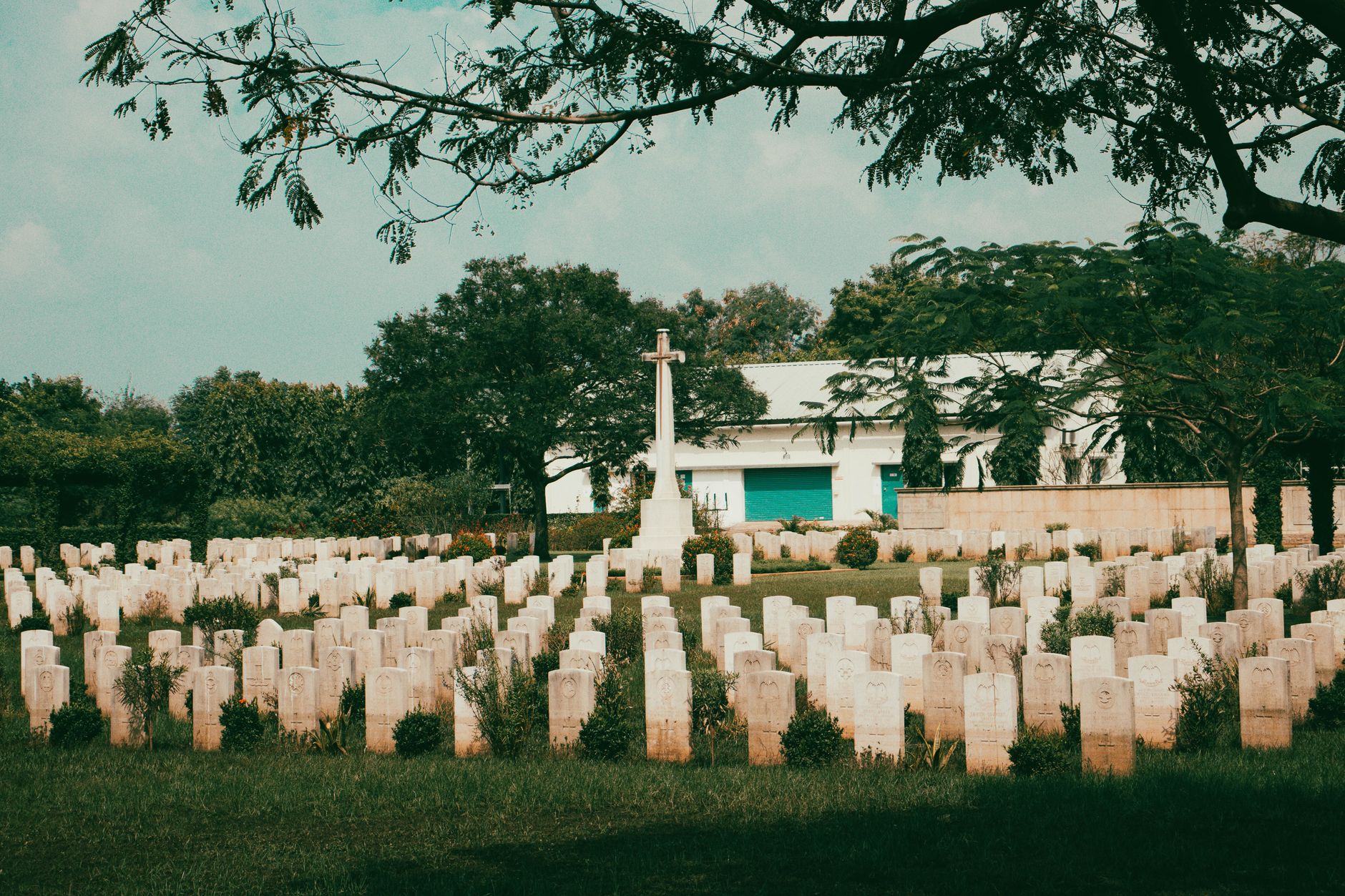
Nha Tu Lao Bao sits about 80 km west of Dong Ha, right at the edge of Vietnam (베트남 / 越南 / ベトナム) where Highway 9 crosses into Laos. It's one of the country's lesser-visited historical prison sites — not because it lacks significance, but because most travelers on the DMZ trail stick closer to the Vinh Moc Tunnels and Khe Sanh Combat Base. If you're already in the area, it's worth the detour.
What it is
Nha Tu Lao Bao is a former prison built by the French colonial administration in 1908. Located in Lao Bao town, Huong Hoa district, Quang Tri province, the facility was used to detain political prisoners during the colonial period. The site saw continued use through different phases of conflict in the 20th century. Today it operates as a national historical relic, with preserved cells, a small museum, memorial markers, and reconstructed sections of the original compound.
The prison's remote location — deep in the mountains near the Lao border — was deliberate. Colonial authorities chose it precisely because escape meant navigating dense jungle and mountainous terrain. That isolation is part of why it feels different from more accessible sites like Hoa Lo in Hanoi.
Why travelers go
Most visitors come as part of a broader DMZ history circuit through Quang Tri. The site appeals to anyone interested in Vietnam's colonial history and 20th-century conflicts. It's a quiet, reflective place — you won't find crowds here. The surrounding landscape along Highway 9, winding through the Truong Son mountains, is worth the drive on its own. Some travelers combine it with a border crossing to Laos at the Lao Bao International Border Gate, just 2 km away.
Best time to visit
March through August is the dry season in Quang Tri, and the best window for visiting. The road from Dong Ha is fine year-round, but from September through November, heavy rain and occasional flooding can make side roads muddy and slow. April and May hit a sweet spot — warm but not yet peak summer heat, and visitor numbers are low.
Avoid the weeks around Tet if you want the museum open on a predictable schedule. Staff holidays can mean reduced hours or closures.
How to get there
The nearest major hub is Dong Ha, the capital of Quang Tri province. From Dong Ha, Lao Bao is roughly 80 km west along Highway 9 (Quoc Lo 9).
- By motorbike: The most common option for independent travelers. The ride takes about 1.5–2 hours and follows a well-paved road through increasingly hilly terrain. Motorbike rental in Dong Ha runs 150,000–200,000 VND per day.
- By local bus: Buses from Dong Ha bus station to Lao Bao town run regularly, costing around 40,000–60,000 VND. The ride takes roughly 2–2.5 hours with stops.
- By car/private driver: A return day trip from Dong Ha with a driver typically costs 800,000–1,200,000 VND, depending on negotiation and whether you add other stops like Khe Sanh along the way.
If you're coming from Hue, add another 70 km and 1.5 hours east to reach Dong Ha first. Some tour operators in Hue run full-day DMZ tours that include Lao Bao, though it's more common on multi-day itineraries.
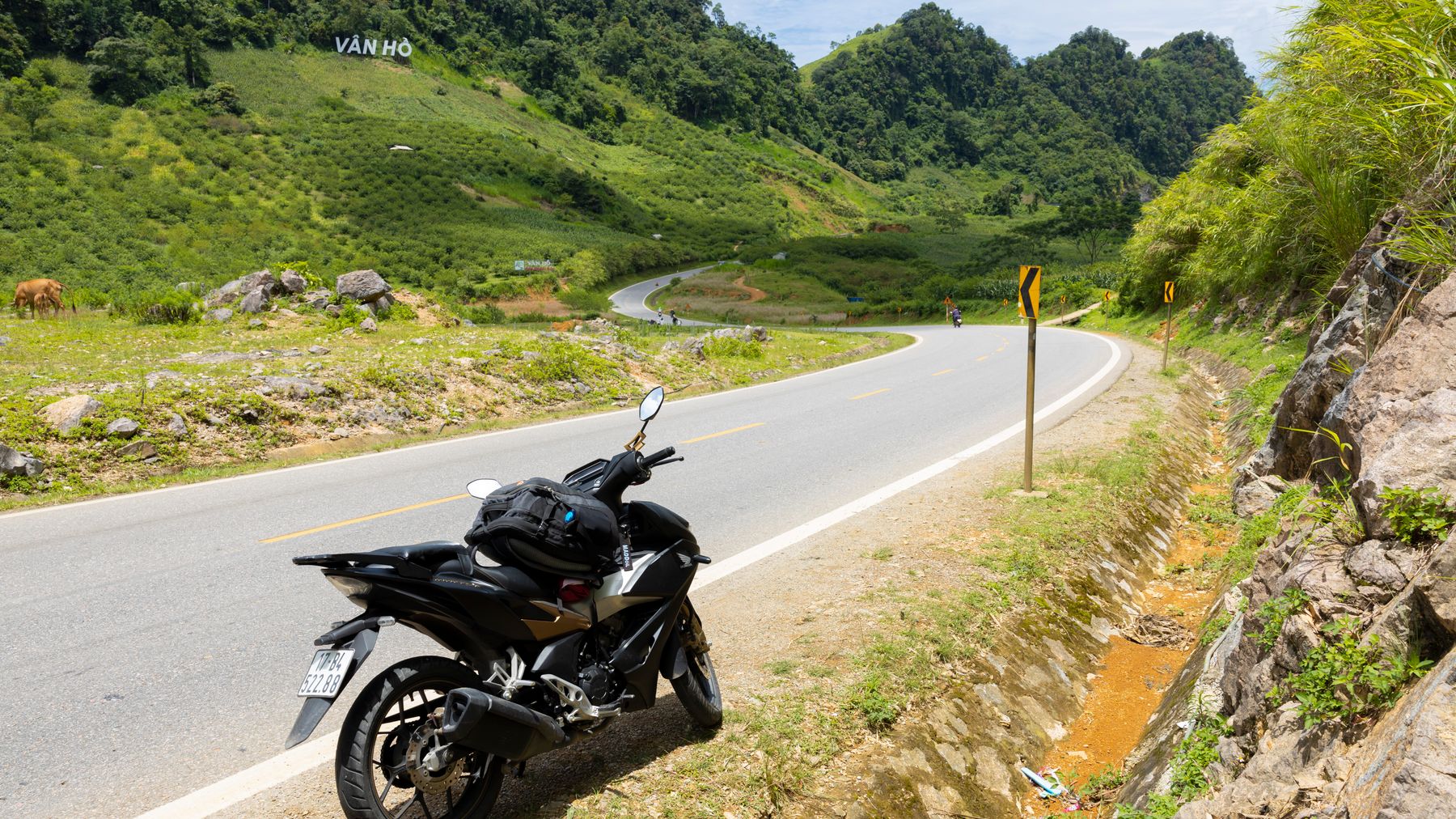
Photo by HONG SON on Pexels
What to do
Walk the prison grounds
The preserved compound includes original cell blocks, solitary confinement areas, and sections of the perimeter wall. Interpretive signs (mostly in Vietnamese, some in English) explain the conditions prisoners faced. Give yourself at least 45 minutes to walk the full site without rushing.
Visit the memorial and museum
A small on-site museum displays photographs, documents, and personal artifacts from former prisoners. The memorial area includes a monument and cemetery. The museum is straightforward and doesn't oversell — it presents the history and lets you draw your own conclusions.
Drive Highway 9
The road from Dong Ha to Lao Bao is one of central Vietnam's more scenic routes, climbing through coffee plantations, pepper farms, and Truong Son mountain foothills. If you're on a motorbike, stop where the road crosses the Dakrong River — there's a bridge and a few small cafes.
Stop at Khe Sanh Combat Base
About 20 km before Lao Bao, the former Khe Sanh base has a museum with military hardware and detailed exhibits. It pairs naturally with Nha Tu Lao Bao as a half-day or full-day history route.
Cross to Laos (if you have a visa)
The Lao Bao–Dansavanh border crossing is one of the busiest land crossings between Vietnam and Laos. If you hold a Lao visa or qualify for visa on arrival, you can combine the prison visit with a border crossing into Savannakhet province.
Where to eat nearby
Lao Bao town has basic local restaurants ("com binh dan" — everyday rice shops) along the main road. Expect plates of rice with grilled pork, vegetables, and soup for 30,000–50,000 VND.
For something more specific to the region, look for "bun hen" — a rice noodle soup with small clams, herbs, and chili — at small shops in Dong Ha on your way back. Quang Tri's food scene leans simple and central-Vietnamese in character; don't expect the variety of Hue (후에 / 顺化 / フエ) or Da Nang, but portions are honest and cheap.
If you pass through Dong Ha around lunchtime, the market area near the bus station has decent "banh canh" — thick tapioca noodle soup, often served with crab or pork.
Where to stay
Lao Bao town has a handful of guesthouses and nha nghi (mini-hotels) near the border gate, mostly catering to cross-border traders. Rooms run 200,000–350,000 VND per night. They're basic but clean enough for a night.
Most travelers base themselves in Dong Ha, where options range from budget guesthouses (250,000–400,000 VND) to mid-range hotels (500,000–900,000 VND) with air conditioning, Wi-Fi, and breakfast. There's no real reason to stay overnight in Lao Bao unless you're crossing to Laos early the next morning.

Photo by Đan Thy Nguyễn Mai on Pexels
Practical tips locals would tell you
- Bring water and snacks. There's no cafe or shop inside the prison grounds, and the nearest convenience store is back in town.
- Wear decent shoes. The grounds are uneven in places, with gravel paths and some overgrown areas.
- Sunscreen matters. Shade is limited across much of the compound.
- Carry cash. There are no ATMs at the site. Dong Ha is your last reliable spot for withdrawals.
- Check museum hours. The site is generally open 7:00–11:30 and 13:30–17:00, but hours can shift. Mornings are more reliable.
Common mistakes to avoid
- Rushing it as a quick photo stop. The site deserves at least an hour. The context boards and museum add meaning you'd miss on a 15-minute walkthrough.
- Skipping Khe Sanh. It's right on the way. Doing Lao Bao without stopping at Khe Sanh misses the fuller picture of the area's history.
- Expecting English signage throughout. Translation is patchy. If historical context matters to you, consider hiring a guide in Dong Ha or reading up before you go.
- Driving back after dark. Highway 9 has limited lighting outside of towns, and trucks use it heavily. Plan to be back in Dong Ha before sunset.
Practical notes
Nha Tu Lao Bao is a straightforward day trip from Dong Ha, best paired with Khe Sanh and the Highway 9 drive. It won't be the highlight reel of a Vietnam trip, but for anyone interested in the country's layered history, it adds a dimension you won't get from the more polished sites closer to Hue or Hanoi.
Last updated · May 29, 2026 · independently researched, never sponsored.