What it is
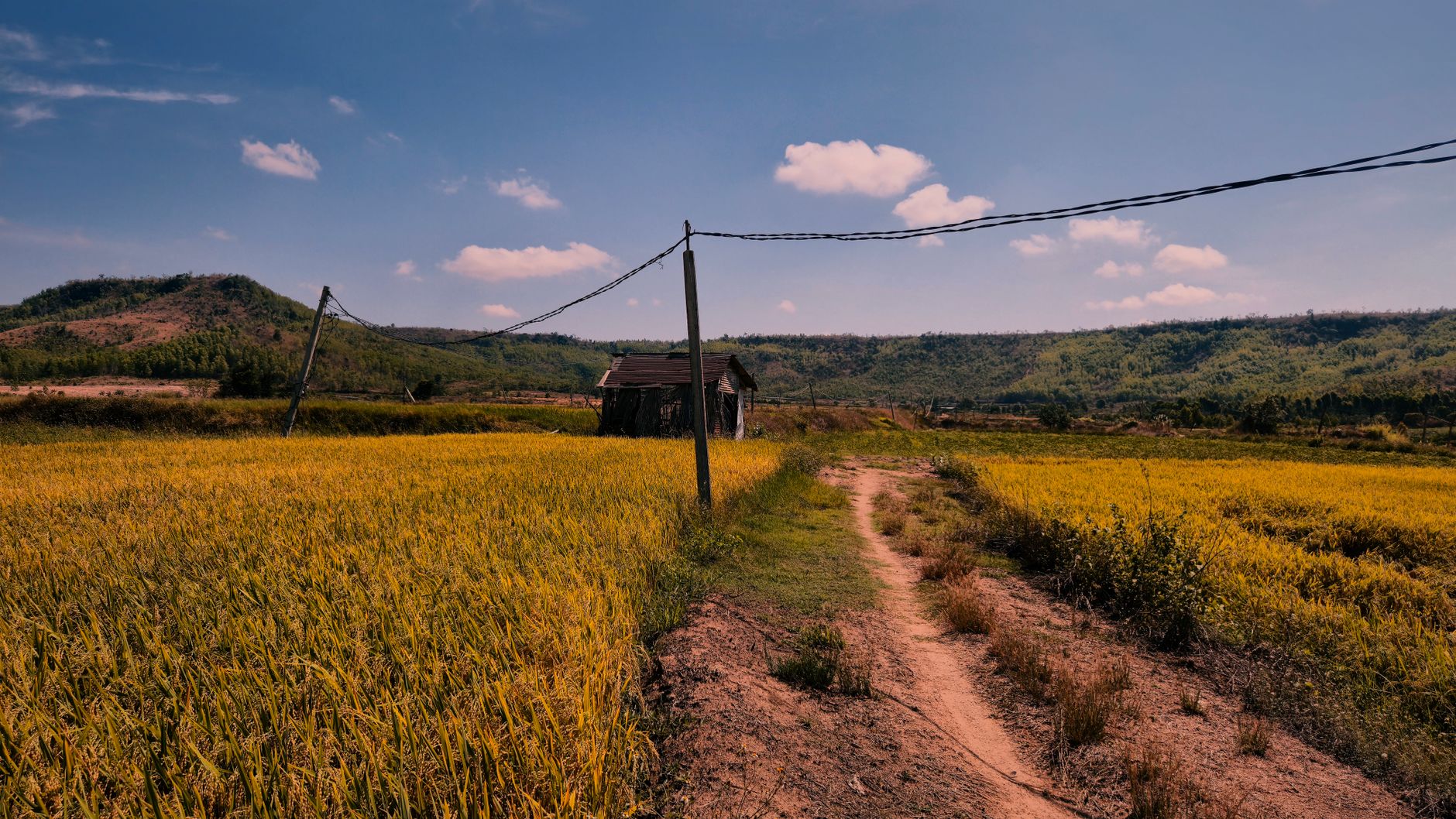
Nui Ham Rong (literally "Dragon Jaw Mountain") is a dormant volcanic formation about 5 km northeast of Pleiku city center in Gia Lai province. The mountain sits at roughly 1,000 meters above sea level — not dramatically higher than the surrounding plateau, but its exposed basalt ridgeline and reddish laterite soil give it a look unlike anything else in the area. The name comes from the profile of the rock face, which locals say resembles a dragon's open mouth when viewed from certain angles along Highway 14.
The mountain has spiritual significance for the Jarai and Bahnar ethnic communities who have lived in these highlands for centuries. A small shrine near the summit dates back to the French colonial period, though the site itself has been considered sacred far longer. During the American War, the area saw military use due to its elevation and sightlines — you can still spot remnants of old fortifications if you know where to look, though most have been reclaimed by vegetation.
Why travelers go
Honestly, Nui Ham Rong isn't on most tourist radars. That's part of the appeal. You won't find tour buses or selfie crowds here. People come for a few reasons:
- The geology. Exposed volcanic basalt columns and red earth against green jungle — it photographs well, especially in the late afternoon light.
- The views. From the ridgeline, you get a wide panorama of Pleiku, the surrounding coffee and pepper plantations, and on clear days, the Kon Tum mountain range to the north.
- The quiet. This is a place where you can walk for an hour and hear nothing but birds and wind through casuarina trees.
- Cultural context. The mountain connects to the broader story of the Central Highlands (중부 고원 / 中部高原 / 中部高原) — the Jarai communities, the volcanic landscape, the coffee economy that defines modern Gia Lai.
Best time to visit
The Central Highlands dry season runs from November to April. December through February gives you the coolest temperatures (18-24°C during the day) and the clearest skies. Mornings can be genuinely cold — bring a jacket.
Avoid June through September if you can. The afternoon rains turn the trails muddy and the red laterite becomes slippery. The mountain isn't dangerous in wet season, but it's far less pleasant.
If you're in Gia Lai during Tet or around March, the surrounding countryside erupts with coffee blossoms — white flowers covering entire hillsides. Worth timing if you can.
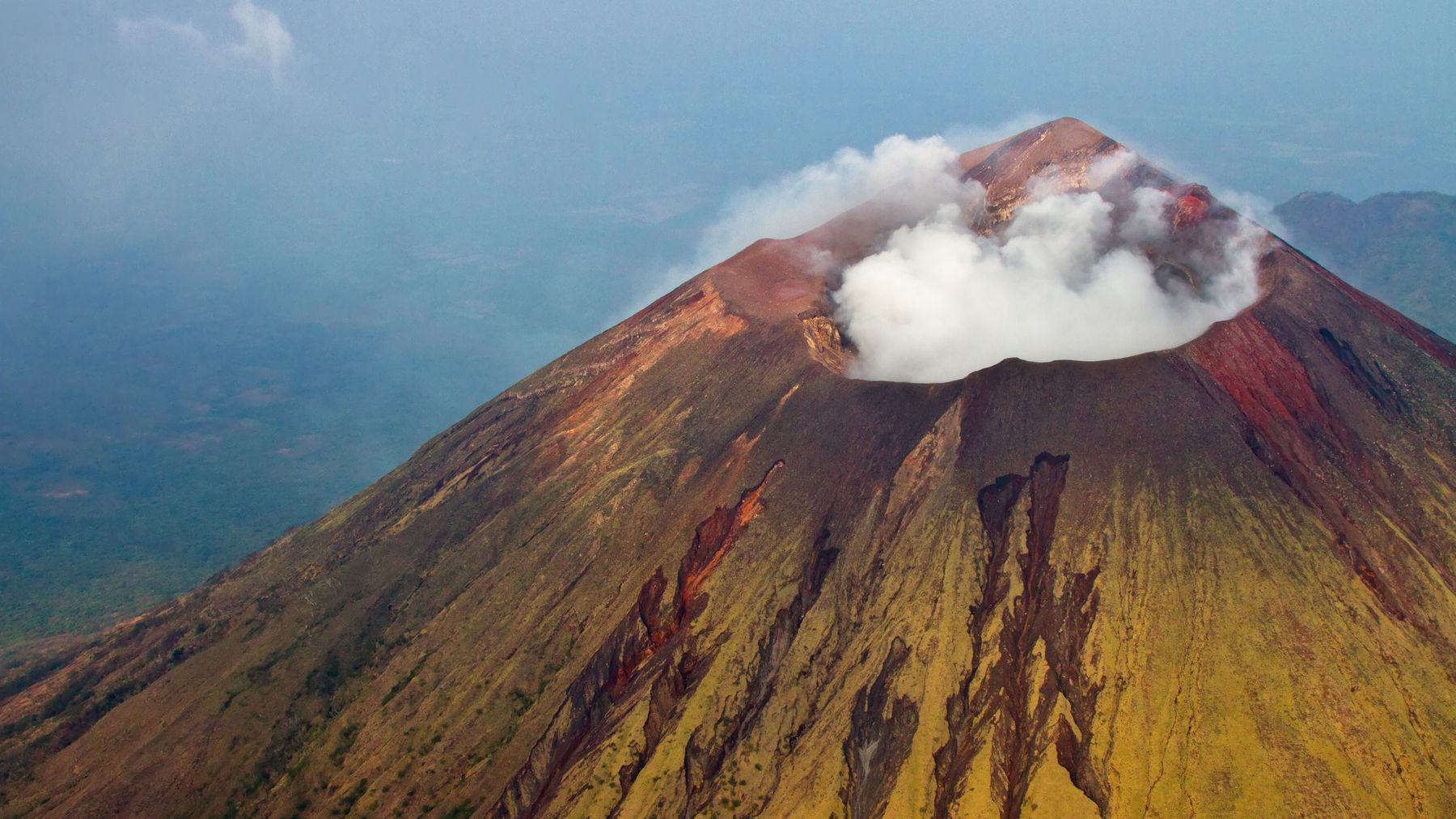
Photo by ROBERTO ZUNIGA on Pexels
How to get there
Pleiku has a domestic airport (Pleiku Airport, code PXU) with daily flights from Saigon and Hanoi on Vietnam (베트남 / 越南 / ベトナム) Airlines and VietJet. Flight time is about 1 hour 15 minutes from either city.
From Pleiku city center, Nui Ham Rong is a 15-minute motorbike ride heading northeast on Pham Van Dong street, then following signs toward the radio tower. A Grab bike costs around 25,000-35,000 VND one way. If you're driving yourself, the road is paved until the last 500 meters, which becomes a packed-earth track.
From Da Nang or Hoi An, the overland route is roughly 5-6 hours by bus through Kon Tum. From Quy Nhon (now also part of the expanded Gia Lai province following the recent administrative consolidation), it's about 3-4 hours west on Highway 19 — a genuinely scenic drive through mountain passes and rubber plantations.
What to do
Hike the ridgeline
The main trail from the parking area to the summit takes about 40 minutes at a moderate pace. It's not technical — no ropes or scrambling required — but the last section is steep with loose rock. Wear proper shoes, not sandals. The total distance is roughly 2.5 km round trip.
Visit the volcanic lake
Bien Ho (T'Nung Lake), a volcanic crater lake, sits about 8 km north of Nui Ham Rong. Many visitors combine both in a half-day trip. The lake is eerily still and deep — locals say it's bottomless, which isn't true, but at 20+ meters deep with no visible inflow, it does feel otherworldly.
Explore Pleiku's coffee scene
Gia Lai produces some of Vietnam's best robusta, and Pleiku has a growing cafe culture that reflects this. After your hike, stop at one of the local spots on Hung Vuong street for a Vietnamese coffee — the beans here are roasted darker than in Hanoi or Saigon, giving a more bitter, chocolatey profile.
Where to eat
Pleiku's food scene leans heavily on Central Highlands specialties:
- "Pho kho" (dry pho) — Pleiku's signature dish. Noodles served separately from the broth, tossed with garlic oil and ground pork. Try it at Pho Kho Hong on Nguyen Van Troi street (30,000-40,000 VND).
- Grilled chicken with "com lam" (bamboo-tube rice) — a Jarai staple. Several places along Le Loi street serve this, usually cooked over coffee-wood charcoal.
- "Banh cuon" here comes with a distinctive peanut dipping sauce rather than the fish-sauce-based version common in Hanoi.
For something familiar, Pleiku has a few decent "com tam" spots near the central market serving broken rice with grilled pork.

Photo by Ngân Dương on Pexels
Where to stay
Pleiku isn't a luxury destination. Accommodation options:
- HAGL Hotel — the nicest option in town, run by the Hoang Anh Gia Lai group. Clean, modern, around 600,000-900,000 VND/night. Pool access.
- Budget guesthouses along Tran Phu street — basic but functional, 200,000-350,000 VND/night.
- Homestays in nearby Jarai villages (ask at the Gia Lai tourism office on Tran Hung Dao street) — the most interesting option if you want cultural immersion.
Practical tips
- Bring water and sun protection. There's no vendor at the mountain itself.
- The radio tower area near the summit is fenced off — don't try to enter.
- Phone signal is strong throughout (Viettel and Mobifone both work).
- If hiring a local guide, expect to pay around 200,000-300,000 VND for a half-day. Not essential for the main trail, but useful if you want to find the old fortification remnants or less-traveled paths.
- Combine Nui Ham Rong with Bien Ho and Pleiku's cafes for a solid half-day itinerary.
Common mistakes
- Going midday. The exposed ridgeline has zero shade. Early morning or late afternoon only.
- Wearing flip-flops. The basalt rock is sharp and the laterite is slippery. Trail shoes or at minimum sturdy sandals.
- Expecting infrastructure. There are no cafes, restrooms, or marked trails at the mountain. This is not Da Lat or Sapa — it's raw and undeveloped, which is the point.
- Skipping Pleiku itself. Some travelers treat the city as a transit stop. The cafe culture, the "pho kho", and the relaxed highland atmosphere deserve at least one full day.
Last updated · May 29, 2026 · independently researched, never sponsored.