What it is
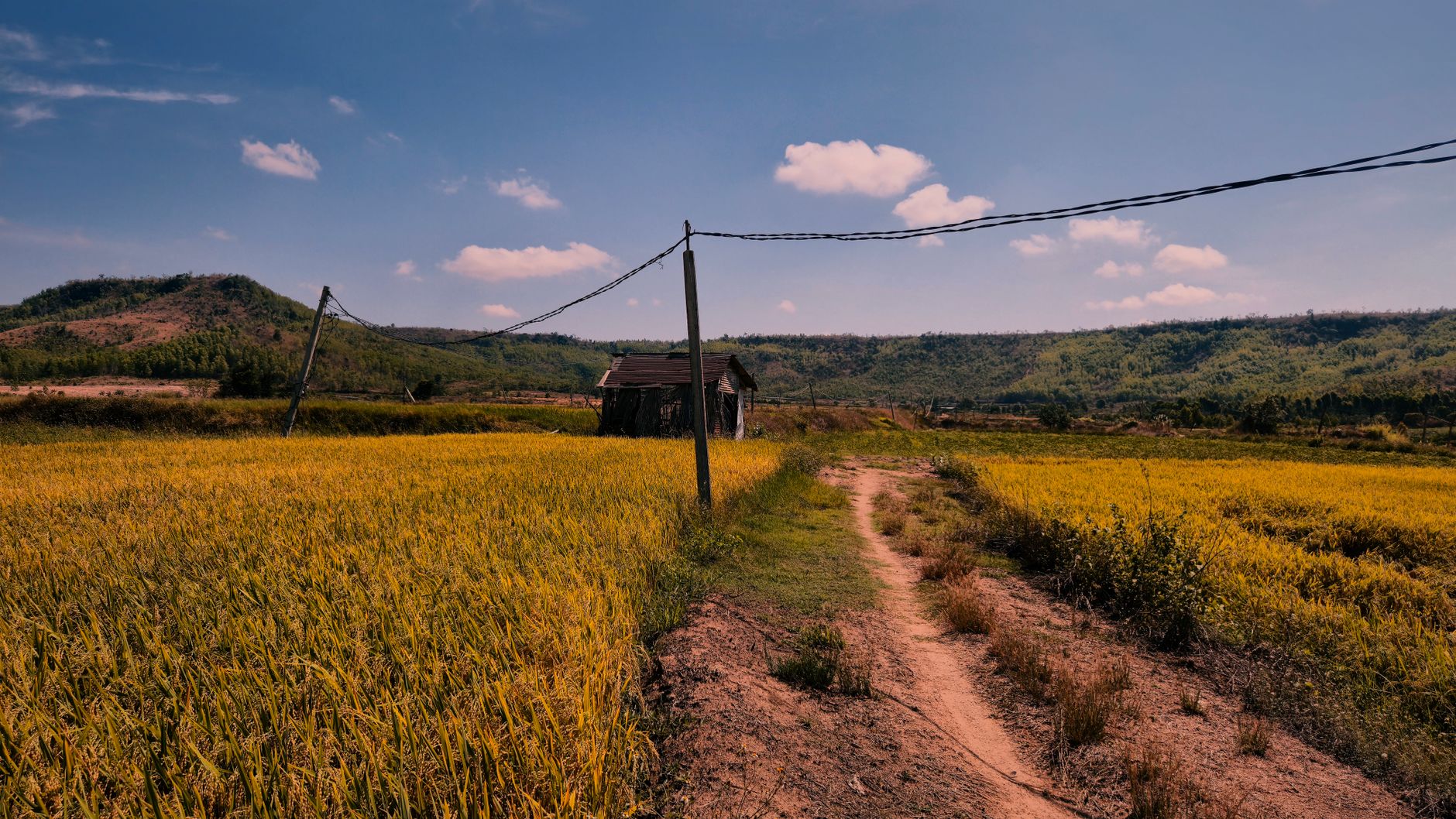
Dam Tra O is a large freshwater lagoon — roughly 1,200 hectares at full capacity — sitting between low hills and flat rice country in what was formerly Binh Dinh province's Phu My district. It's fed by seasonal rains and a handful of small streams flowing down from surrounding granite ridges. For centuries, local communities have fished the lagoon using traditional bamboo traps and cast nets, and the surrounding wetland supports a surprisingly rich bird population during migration season.
The lagoon's name loosely translates to "otter pond" — though you're unlikely to spot otters today. What you will find is a working landscape: fishermen poling flat-bottomed boats at dawn, lotus fields in summer, and water buffalo grazing the marshy edges.
Why travelers go
Dam Tra O doesn't appear on most tourist itineraries, which is precisely the draw. There are no ticket booths, no souvenir shops, no tour buses. You come here to see a piece of rural Central Vietnam (베트남 / 越南 / ベトナム) that hasn't been packaged for consumption. The light at sunrise — flat gold across still water — is genuinely remarkable for photography. Birdwatchers have documented herons, cormorants, kingfishers, and seasonal visitors like painted storks along the lagoon margins.
It also works as a half-day detour if you're traveling between Quy Nhon and the Central Highlands (중부 고원 / 中部高原 / 中部高原). The lagoon sits close enough to the main north-south corridor that you don't lose much time.
Best time to visit
The lagoon is fullest from September through December, after the rainy season fills it to capacity. This is when the fishing is most active and the surrounding landscape is green. By March or April, water levels drop significantly — some years the lagoon partially dries out, exposing mudflats where farmers plant quick-rotation rice crops.
For lotus blooms, aim for June through August. Early morning visits (before 7:00 AM) give you the best light and the most activity on the water.
Avoid mid-afternoon year-round. The Central Vietnam sun is brutal between 11:00 and 15:00, and there's almost no shade around the lagoon edges.
How to get there
Dam Tra O is about 30 km north of Quy Nhon city, accessible via National Highway 1A. From Quy Nhon, head north past Phu My town and look for the turnoff toward My Duc commune — the lagoon spreads out on your left (west) side.
If you're coming from Da Nang or Hoi An, take the train or bus to Dieu Tri station (Quy Nhon's rail stop), then rent a motorbike. The ride from Dieu Tri to Dam Tra O takes about 45 minutes on mostly flat roads.
From the Central Highlands — say, Pleiku or Kon Tum — you'd come down Highway 19 to Quy Nhon and then backtrack north. Budget 3-4 hours from Pleiku including rest stops.
No public bus runs directly to the lagoon. Motorbike rental in Quy Nhon runs 120,000-150,000 VND/day for a Honda Wave or similar semi-automatic.

Photo by Quang Nguyen Vinh on Pexels
What to do
Boat rides with fishermen
Local fishermen will take you out on the lagoon for 100,000-200,000 VND per person depending on duration and your negotiation skills. There's no formal booking — just show up at the waterside hamlets (My Duc or My Chau areas) before 7:00 AM and ask. Bring a hat and sunscreen.
Photography
The lagoon is flat, wide, and reflective — ideal for landscape photography. The best vantage points are from the low hills on the eastern side, where you can get an elevated perspective over the water. Drone pilots should note that there are no restricted zones here (as of writing), but always check current regulations.
Cycling the perimeter
A rough loop of about 15 km follows dirt tracks and village roads around the lagoon. It's not signposted, so use offline maps. The terrain is flat but can be muddy after rain. Allow 2-3 hours with stops.
Bird watching
Bring binoculars. The marshy northern end of the lagoon is richest for wading birds. October and November see the most migratory species.
Where to eat
There are no restaurants at the lagoon itself. In nearby Phu My town (10 minutes south), you'll find basic "com binh dan" (everyday rice) shops along the main road — expect 35,000-50,000 VND for a plate of rice with grilled fish, greens, and broth. The fish is often sourced directly from Dam Tra O.
For something more substantial, head back to Quy Nhon where "banh xeo" shops along Nguyen Hue street serve excellent crispy crepes stuffed with shrimp and pork. Quy Nhon is also known for "bun cha ca" — fish cake noodle soup — which you won't easily find elsewhere in Vietnam.
Where to stay
No accommodation exists at the lagoon. Your options:
- Quy Nhon (30 km south): The obvious base. Budget guesthouses from 200,000 VND/night; mid-range hotels with sea views along Xuan Dieu beach road from 500,000-800,000 VND.
- Phu My town (5 km south): A couple of basic nha nghi (guesthouses) exist for 150,000-250,000 VND, but don't expect English-speaking staff or booking platforms. Walk-in only.
If you want to catch sunrise on the lagoon, staying in Phu My saves you the early-morning drive from Quy Nhon.
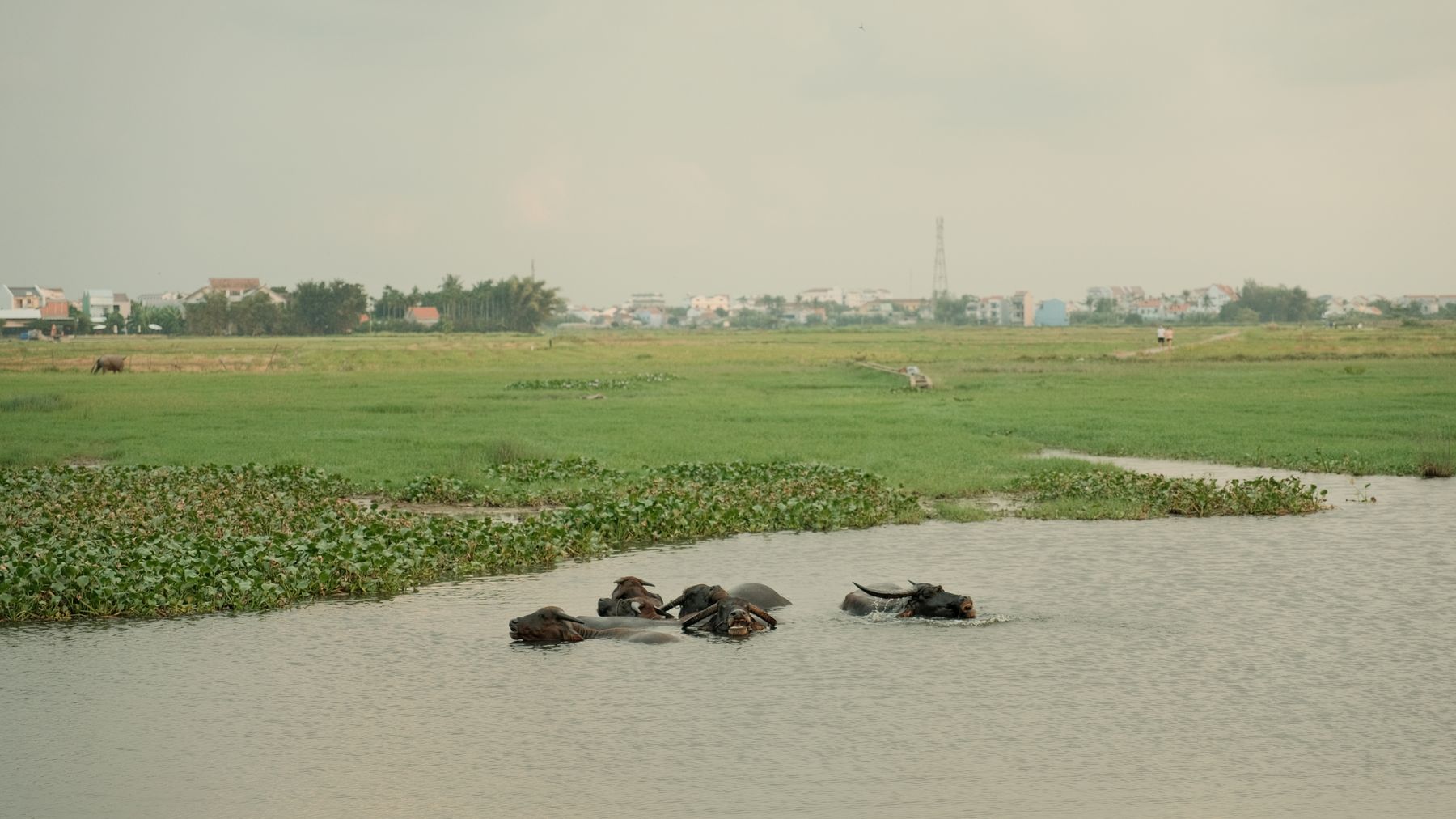
Photo by Nhi Huynh on Pexels
Practical tips
- Bring cash. There are no ATMs at the lagoon and only one in Phu My town (Agribank, occasionally out of service).
- Wear long sleeves and a hat — sun exposure is intense and mosquitoes emerge at dusk.
- A basic Vietnamese phrase goes far here. "Cho toi di thuyen" (Can I go by boat?) will get you pointed in the right direction.
- Mobile signal (Viettel, Mobifone) is generally fine around the lagoon edges but can drop on the water.
Common mistakes
Arriving midday. The lagoon looks flat and featureless under harsh overhead sun. All the atmosphere — mist, golden light, fishing activity — happens before 8:00 AM.
Expecting facilities. There are no toilets, no shade structures, no drinking water vendors at the lagoon. Pack your own supplies.
Skipping it for Quy Nhon beach. The coast is fine, but Dam Tra O offers something Quy Nhon's beachfront can't — genuine rural quiet and a landscape that hasn't been rearranged for tourists.
Practical notes
Dam Tra O works best as a sunrise half-day trip from Quy Nhon, combined with a lazy afternoon on the coast or a continued drive toward Hoi An or the highlands. It's not a destination that demands multiple days — but the single morning you spend here will likely be the most peaceful of your trip through Central Vietnam.
Last updated · May 29, 2026 · independently researched, never sponsored.