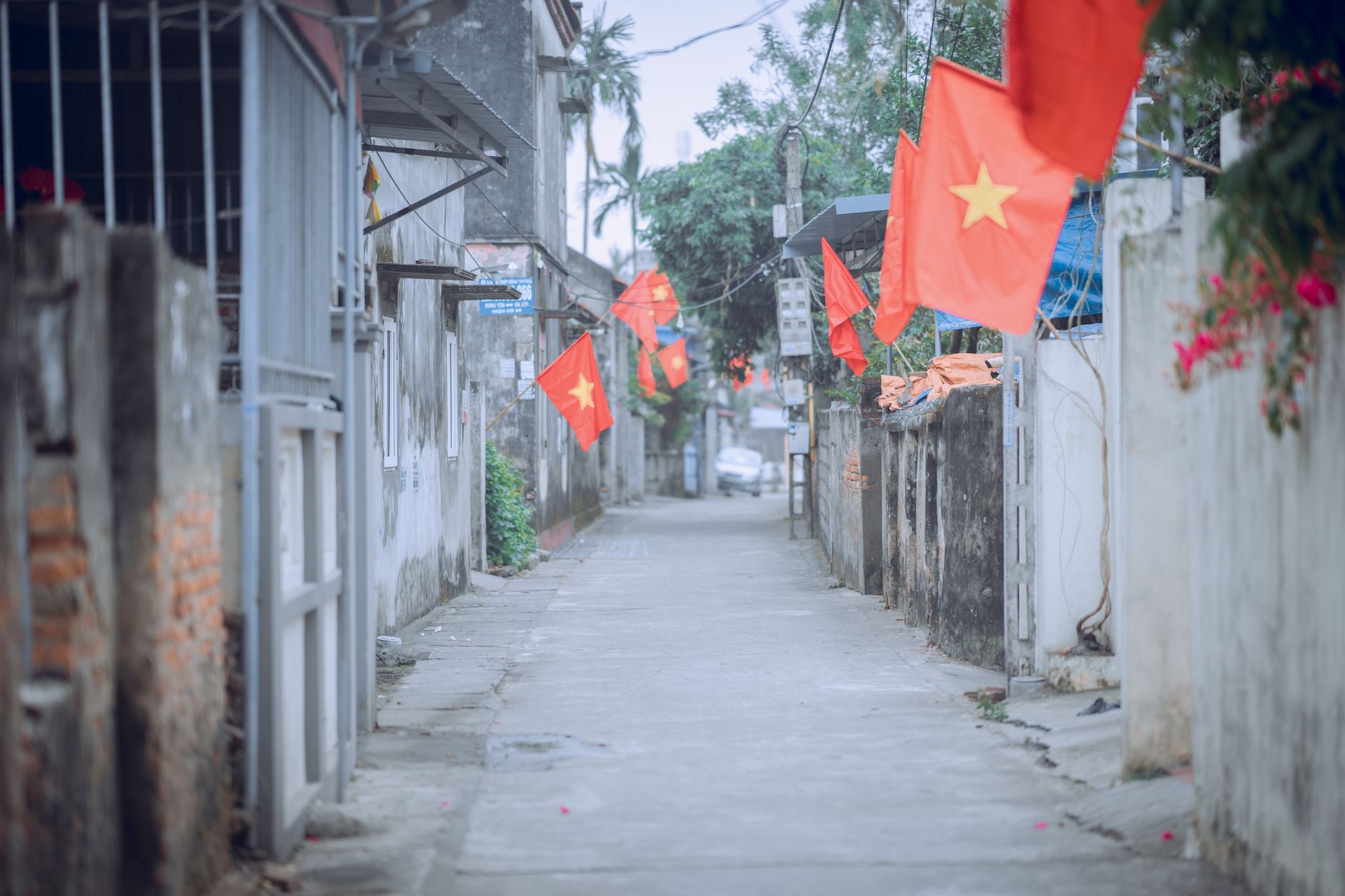
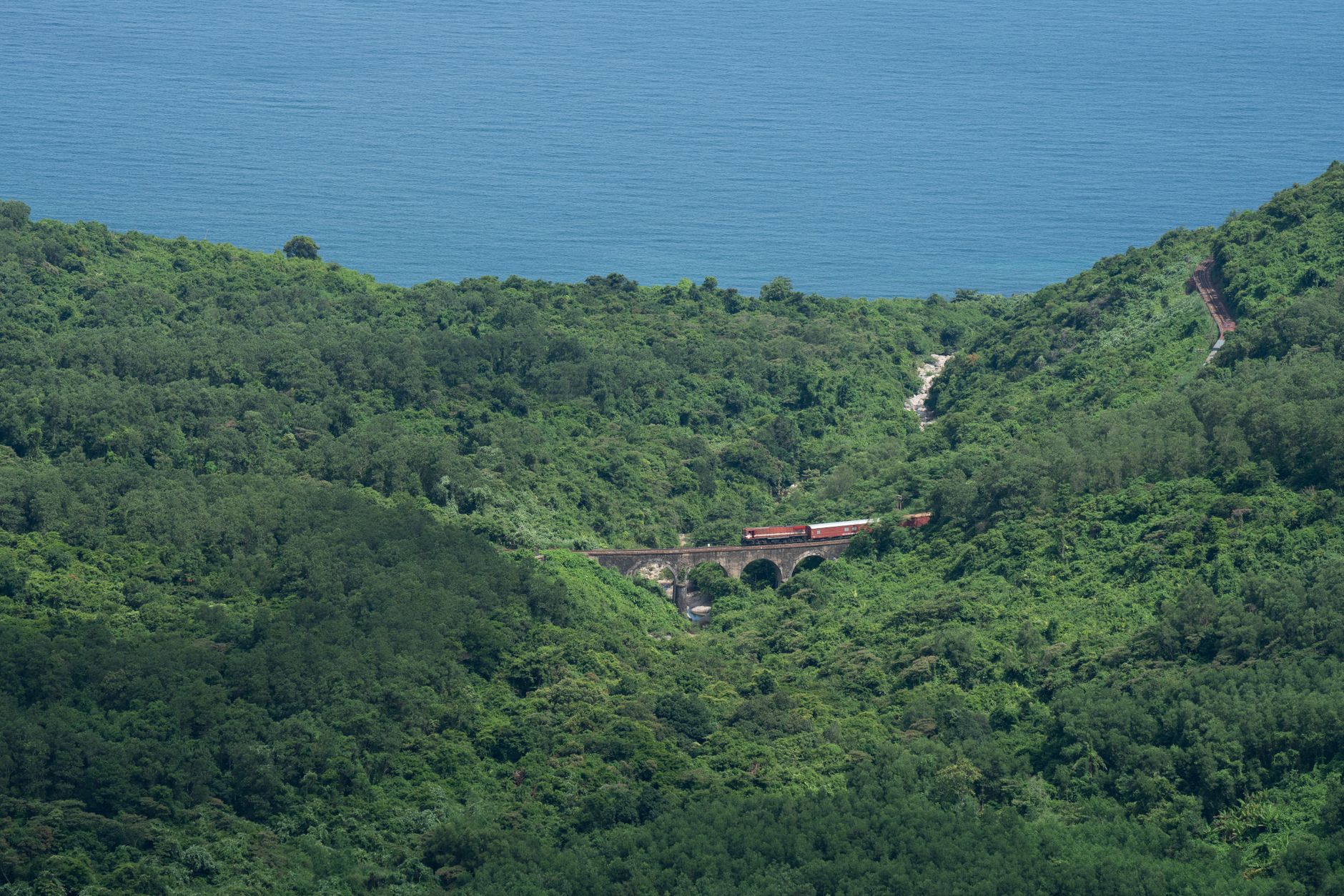
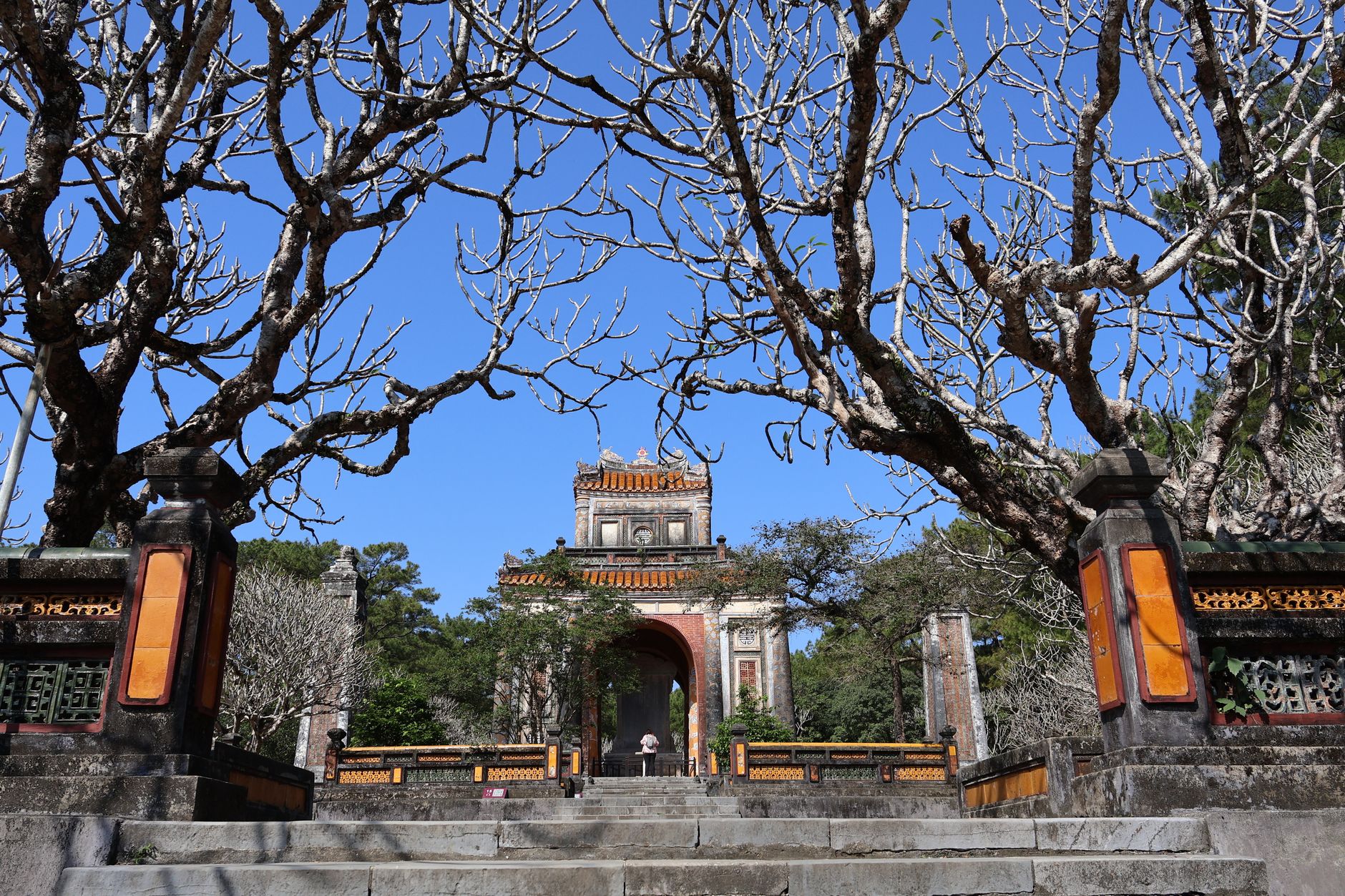
Why this route
This itinerary chains four adventure hotspots across north, central, and south Vietnam (베트남 / 越南 / ベトナム) in a single two-week sprint. You'll ride a motorbike on one of Southeast Asia's most technically demanding loops, sleep inside a cave above an underground river, rappel down canyon walls, and paddle through mangrove channels at sunrise. The route is geographically rational — you move south and east rather than backtracking — and each section uses a different skill set, so fatigue is less of a factor than novelty.
You'll need a sense of humor about discomfort (hostels, sweating through shirts, questionable motorbike rental paperwork) and a real appetite for physical activity. This is not a resort-and-spa trip.
Day 1–4: Ha Giang Loop on motorbike
Hanoi to Ha Giang: Fly or take an overnight bus (8 hours, 200,000 VND) from Hanoi to Ha Giang City. Bus is cheaper and gets you there ready to ride; flights are rare and more expensive. Rent a motorbike in town (automatic scooter: 100,000–150,000 VND/day; manual 125cc: 80,000–120,000 VND/day). Grab a helmet, download an offline map, and check your brake fluid.
Day 1: Dong Van Karst Plateau loop start — Head northeast toward Dong Van (80 km). The road climbs steeply through minority villages (Tay, Nung, Hmong). Stop at Ma Pi Leng Pass (1,400 m) for views into the Red River gorge below. Overnight in Dong Van town (basic guesthouses: 150,000–250,000 VND). Eat "pho" at a street stall near the market.
Day 2: Dong Van to Meo Vac — Ride the higher, newer road via Yen Minh (60 km). This section is slower but less trafficked than the main loop. Meo Vac sits at 1,200 m on a high plateau; at dusk the light is golden and the air is cool. Sleep in town (guesthouses: 150,000–200,000 VND). Local markets sell fresh fruit and instant noodles. Eat "banh mi" from a vendor or cook in your room.
Day 3: Meo Vac to Yen Minh via Quan Ba — Circuit ride (100 km total; do not rush). Visit Quan Ba's "Heaven Gate" stone arch and the limestone twin peaks ("Nui Doi") below. Stop for lunch at a village café. Yen Minh is quieter than Dong Van; rest your wrists. Sleep in Yen Minh (guesthouses: 150,000–200,000 VND).
Day 4: Yen Minh back to Ha Giang (하장 / 河江 / ハーザン) City — Final 90 km. Descend through switchbacks and rice terraces. Stop at Tham Coc (a small cave shrine, 20 km before Ha Giang City) if you want. Overnight in Ha Giang City. Shower, eat a real meal ("com tam" — broken rice — at a family restaurant: 40,000–60,000 VND), and drop the motorbike off.
Motorbike loop tips: Fill up with fuel in Ha Giang City before leaving (petrol stations are rare on the loop). Ride during daylight only; roads have no guard rails and poor lighting. Most guesthouses have secure parking. A riding jacket and gloves prevent road rash. Budget 500,000 VND total (bike rental + fuel + food + lodging).

Photo by Trinh Tuoi on Pexels
Day 5–7: Phong Nha underground rivers and caves
Ha Giang to Phong Nha: Fly Hanoi–Da Nang (2 hours, ~1.2 million VND), then hire a car or minibus to Phong Nha (2.5 hours, 200 km south). Or take an overnight bus from Ha Giang City straight to Phong Nha (16–18 hours, ~400,000 VND). The bus is tiring but saves a day.
Base yourself in Phong Nha village on the Son River. Book lodging near the boat docks. Expect riverside bungalows or homestays (300,000–500,000 VND/night).
Day 5: Hang En cave overnight trek — Hang En is the world's second-largest cave by volume. Tours depart at 8 a.m. from the village. You'll abseil into the cave entrance (60 m drop), hike inside past stalactites and an underground river, then camp on a sandy beach inside the cave. Guides provide tents, food, and headlamps. Cost: ~$80–100 USD per person. Pack light; wear proper footwear (not flip-flops). The cave interior is humid and cool; bring a fleece. Sleep under the cave vault, listening to the river.
Day 6: Hang En exit + Tu Lan cave system — Exit the cave after breakfast (the hike out takes 3–4 hours). Return to the village by midday. Rest, eat lunch, and prep for Tu Lan. Late afternoon, do a Tu Lan cave tubing trip. Tu Lan is a series of five connected caves you paddle through on an inner tube, swimming between caverns. Tours cost ~$40–60 USD. The water is clear and cool. You'll float past rock formations and bioluminescent mosses (algae, technically). Overnight in the village.
Day 7: Free day or short hike — Many travelers take Hang En and Tu Lan back-to-back without a rest day, which leaves you wrecked. Use Day 7 to explore the local area: hike to Nuoi Cave (2 hours, moderate), visit Phong Nha Ke Bang National Park visitor center, or kayak the Son River at sunrise (single kayaks: 100,000 VND/hour). Sleep in the village.
Phong Nha notes: Book Hang En tours 1–2 days in advance through a reputable operator (Phong Nha Farmstay, Phong Nha Central Hostel, or Buffalo Tours are established). Don't book through random touts; safety records vary wildly. Hang En is not a "glamping" experience—it is a real cave camp, muddy and rustic. Bring a dry bag for electronics. Meals are provided, but bring snacks if you have dietary restrictions.
Day 8–10: Da Lat canyoning, waterfall rappelling, mountain biking
Phong Nha to Da Lat: Fly Da Nang–Da Lat (1 hour, ~1 million VND) or take a bus from Phong Nha to Da Nang (4 hours), then minibus Da Nang to Da Lat (6 hours). Total travel: 8–10 hours. Arrive in Da Lat by late afternoon.
Da Lat sits at 1,500 m in the southern highlands, 300 km northeast of Saigon. Cool air, coffee plantations, and adventure outfitters. Sleep in the town center (hostels: 200,000–350,000 VND; hotels: 400,000–700,000 VND).
Day 8: Canyoning at Datanla Waterfall — Book a canyoning tour the day before. A full-day trip includes rappelling down three cascades (15 m, 25 m, 30 m), jumping into plunge pools, and scrambling along the canyon bottom. Cost: ~$50–70 USD. Tour operators (Dalat Easy Riders, Dalat Free Walker) provide harnesses, helmets, and experienced guides. Expect to be soaked and muddy. Waterfall water is cold year-round (~18°C). Overnight in Da Lat.
Day 9: Mountain biking through pine forests and villages — Rent a mountain bike (100,000–200,000 VND/day) or join a guided tour (~$40–60 USD). Routes loop through pine forests, coffee farms, and Tay minority villages. Popular trails include the Chicken Village loop (moderate, 30 km) or the Elephant Waterfall trail (easier, 25 km). Guides are optional but helpful for navigation and cultural context. Stop for "ca phe sua da" (iced coffee with condensed milk) at a roadside café. Overnight in town.
Day 10: Slack-lining, zip-lining, or rest day — Many adventure parks around Da Lat offer slack-lines over waterfalls, zip-line canopy tours, or advanced rock climbing. Alternatively, visit Tuyen Lam Lake by bike (15 km, gentle), visit a coffee farm (many offer tastings), or just rest your legs. Overnight in Da Lat.
Da Lat logistics: The town is cool and walkable. Meals are cheap"—crispy pancakes—at 30,000 VND; noodles at 25,000–40,000 VND). Book adventure tours through your hostel or established operators; they vet guides. Water from the tap is generally safe to drink (boiled before piping). The best canyoning and biking season is September–November (dry, less slippery) or March–May (green, cooler).
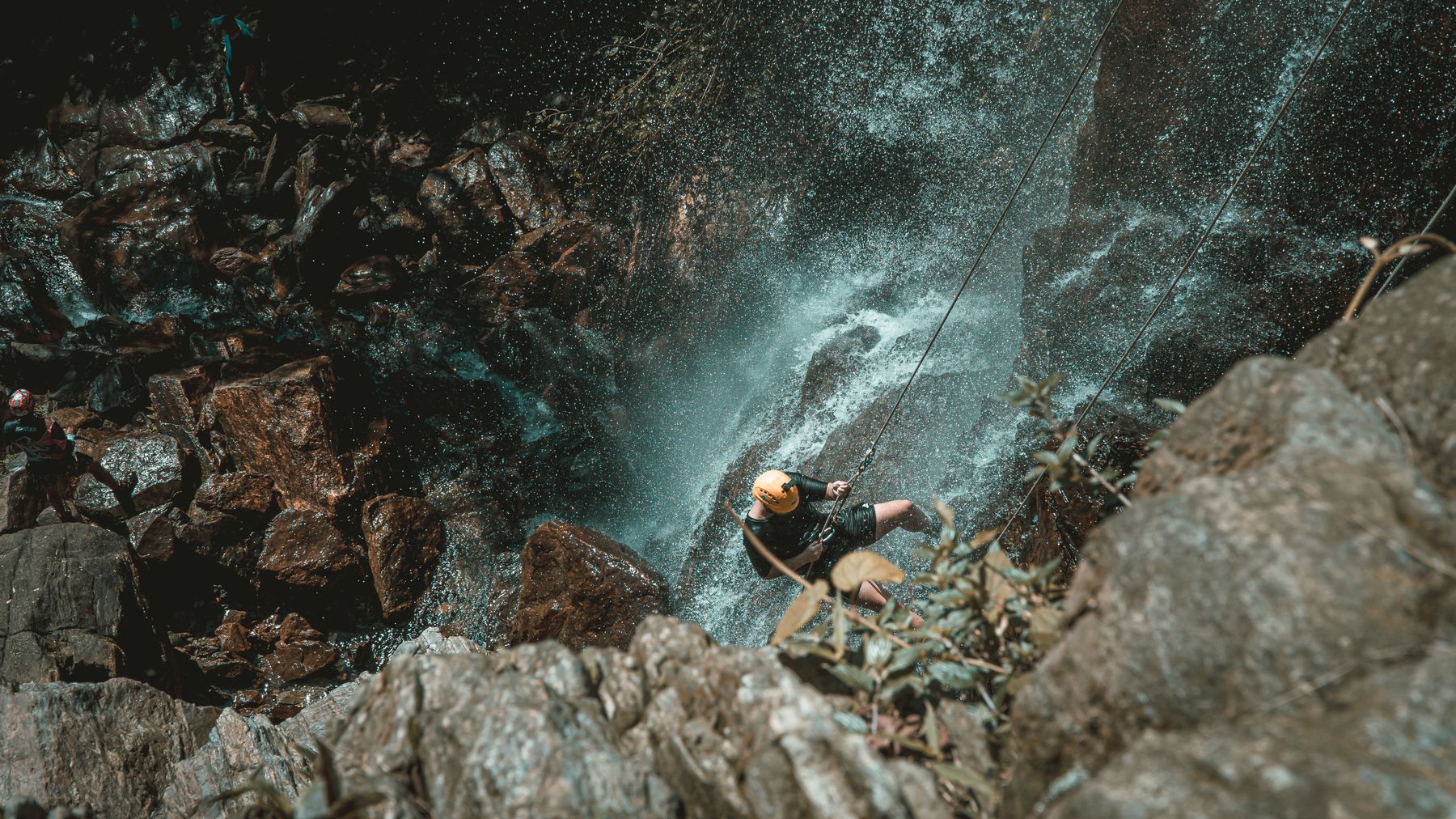
Photo by victor dubugras on Pexels
Day 11–14: Phu Quoc kayaking, snorkeling, scuba
Da Lat to Phu Quoc: Fly Da Lat–Da Nang (1 hour), then Da Nang–Phu Quoc (1.5 hours, ~1.2 million VND). Or minibus Da Lat–Can Tho (6 hours), then minibus Can Tho–Ha Tien (2 hours), ferry Ha Tien–Phu Quoc (1.5 hours, ~100,000 VND). Flying is faster and less stressful; the minibus–ferry option is cheaper and scenic.
Phu Quoc is a long island (40 km) off the southwest coast. Base yourself in Duong Dong Town (beach hotels: 400,000–800,000 VND; backpacker bungalows: 200,000–400,000 VND) or on the quieter north or east coasts.
Day 11: Kayaking in mangrove channels and limestone karsts — Book a full-day kayak tour (~$40–60 USD). Tours paddle through mangrove forests in calm waters, then explore limestone islands and hidden lagoons. You'll see fish, crabs, herons, and sometimes dolphins. Tours include lunch and snorkeling. Wear sun protection; the sun reflects off water and is intense. Overnight in town.
Day 12: Snorkeling and scuba prep — Phu Quoc has coral reefs and a marine park. Book a snorkeling trip (~$30–50 USD, half-day) or get scuba-certified. If you're not a diver, a snorkel trip visits reefs around Phu Quoc and nearby islands (An Thoi Archipelago). Visibility is best March–May; June–October has lower visibility due to the southwest monsoon. Cost for non-certified snorkeling: ~$40 USD. Overnight in town.
Day 13: Open Water scuba certification (optional) — If you're not certified, a 3-day Open Water course costs ~$300–400 USD with a reputable operator (Phu Quoc is a PADI hub; dive shops are well-established). If you're already certified, do two boat dives on a reef (cost: ~$60–80 USD per dive). Overnight in town or on a live-aboard boat.
Day 14: Free morning, fly out — Sleep in, eat "pho" or "banh mi" at a beach café, take a scooter to Phu Quoc's north coast for a last swim or hike, then head to the airport for your evening flight to Saigon or Hanoi. Budget 200,000 VND for airport transfer (motorbike taxi) or 500,000 VND for a private car.
Phu Quoc notes: The island is developing rapidly; tourist infrastructure is solid but can feel crowded in peak season (December–February). Book water activities 1–2 days in advance. Motorbike rental is cheap (80,000–120,000 VND/day) for exploring the island. Fish and seafood are excellent and cheap (grilled squid: 80,000–150,000 VND; whole fish: 150,000–300,000 VND). Tap water is iffy; drink bottled or boiled water. Sunset drinks are best on the west coast (Duong Dong beach).
Frequently Asked Questions
How do I get from Ha Giang to Phong Nha caves?
Two options: fly Hanoi to Da Nang (2 hours, around 1.2 million VND) then take a car or minibus 200 km south to Phong Nha (2.5 hours), or take an overnight bus directly from Ha Giang City to Phong Nha (16-18 hours, around 400,000 VND). The bus is exhausting but saves a full day of travel and keeps costs low.
What does renting a motorbike cost on the Ha Giang Loop?
Daily rental runs 80,000-150,000 VND depending on the bike: manual 125cc scooters cost 80,000-120,000 VND per day, automatics cost 100,000-150,000 VND. For the full four-day loop, budget around 500,000 VND total covering bike rental, fuel, food, and basic guesthouse lodging (150,000-250,000 VND per night). Fill the tank in Ha Giang City before departing, as petrol stations are rare along the route.
When should you ride the Ha Giang Loop to avoid dangerous conditions?
Ride only during daylight hours. The roads on the Ha Giang Loop have no guard rails and poor lighting, making night riding genuinely dangerous. The route climbs to 1,400 m at Ma Pi Leng Pass and reaches 1,200 m at Meo Vac, so mornings can be cool. A riding jacket and gloves are recommended to prevent road rash on the steep, switchback sections.
Practical notes
Total estimated cost (budget traveler): $1,500–2,000 USD (flights, gear rental, guides, lodging, food). This assumes sharing some tours and sleeping in hostels/guesthouses. High-season (November–February) prices are 20–30% higher; book flights and cave tours in advance. Travel insurance with adventure sports coverage (canyoning, caving, scuba) is essential; many standard policies exclude high-risk activities. Motorbike riding in Vietnam requires a valid driver's license (any country's); an International Driving Permit is recommended but not always enforced. Mobile coverage is good countrywide; buy a local SIM in Hanoi before leaving (Viettel, Vina, Mobifone: ~100,000 VND for 4G data). ATMs are common in cities; carry cash for small towns and guides. Malaria is not present in these regions at these altitudes, but dengue fever and dengue-carrying mosquitoes are endemic; bring insect repellent and consider vaccination. Respect local customs: dress modestly when not on a beach, ask before photographing people, and tip guides 10% if service is good.
Last updated · May 29, 2026 · independently researched, never sponsored.