Hoi An is easy to love, but it has also spent the last decade cooking for Instagram. Travel 60 km south to Tam Ky, or drift into the rural districts between the two cities, and you find Quang Nam's food culture in a less curated state — cheaper, more argumentative about ingredients, and considerably harder to book a table at because there are no tables to book.
Mi Quang Is Not One Thing
"Mi quang" — the turmeric-stained noodle dish that defines central Vietnam (베트남 / 越南 / ベトナム)'s midday meal — is treated in Hoi An as a fixed product. You get a bowl: thick rice noodles, a shallow pool of pork-and-shrimp broth, herbs, a rice cracker on the side. Done.
In the rest of Quang Nam, the dish refuses standardisation. Around Dien Ban district, about 20 km north of Hoi An, local cooks make mi quang (미꽝 / 广南面 / ミークアン) with frog (ech) or snakehead fish (ca loc), neither of which show up on the tourist-facing menus in town. The broth is drier here — closer to a condiment than a soup — and the sesame rice crackers (banh trang me) are toasted darker, almost bitter at the edges.
In Nui Thanh, a coastal district south of Tam Ky, vendors add freshwater shrimp and fried shallots in a ratio that makes the Hoi An version feel understated. A bowl runs 25,000–35,000 VND depending on protein. Nobody charges foreigner prices because foreigners don't come here.
If you want a single address, Quan Mi Quang Ba Mua on Hung Vuong street in Tam Ky is a locals' institution — open mornings only, plastic stools, sells out by 10am.
Cao Lau Outside the Old Quarter
"Cao lau" is the noodle dish most closely tied to Hoi An's identity — the lye-soaked noodles, the char siu pork, the specific water supposedly drawn from ancient Cham wells. The Hoi An mythology around it is real, but it has also made the dish expensive and slightly precious inside the old quarter, where a bowl can reach 60,000–80,000 VND.
Cao lau vendors outside Hoi An — in Vinh Dien town, or along Highway 1 near Que Son — serve essentially the same dish for 30,000–40,000 VND. The noodles are made by the same handful of Hoi An families who have supplied the whole province for generations. What you lose is the atmospheric lantern-lit setting. What you gain is a bowl that hasn't been adjusted for mild foreign palates.
The dish is still worth eating in Hoi An, but if you're spending a few days in the province, try it somewhere unremarkable first. It recalibrates your sense of what you're actually tasting.

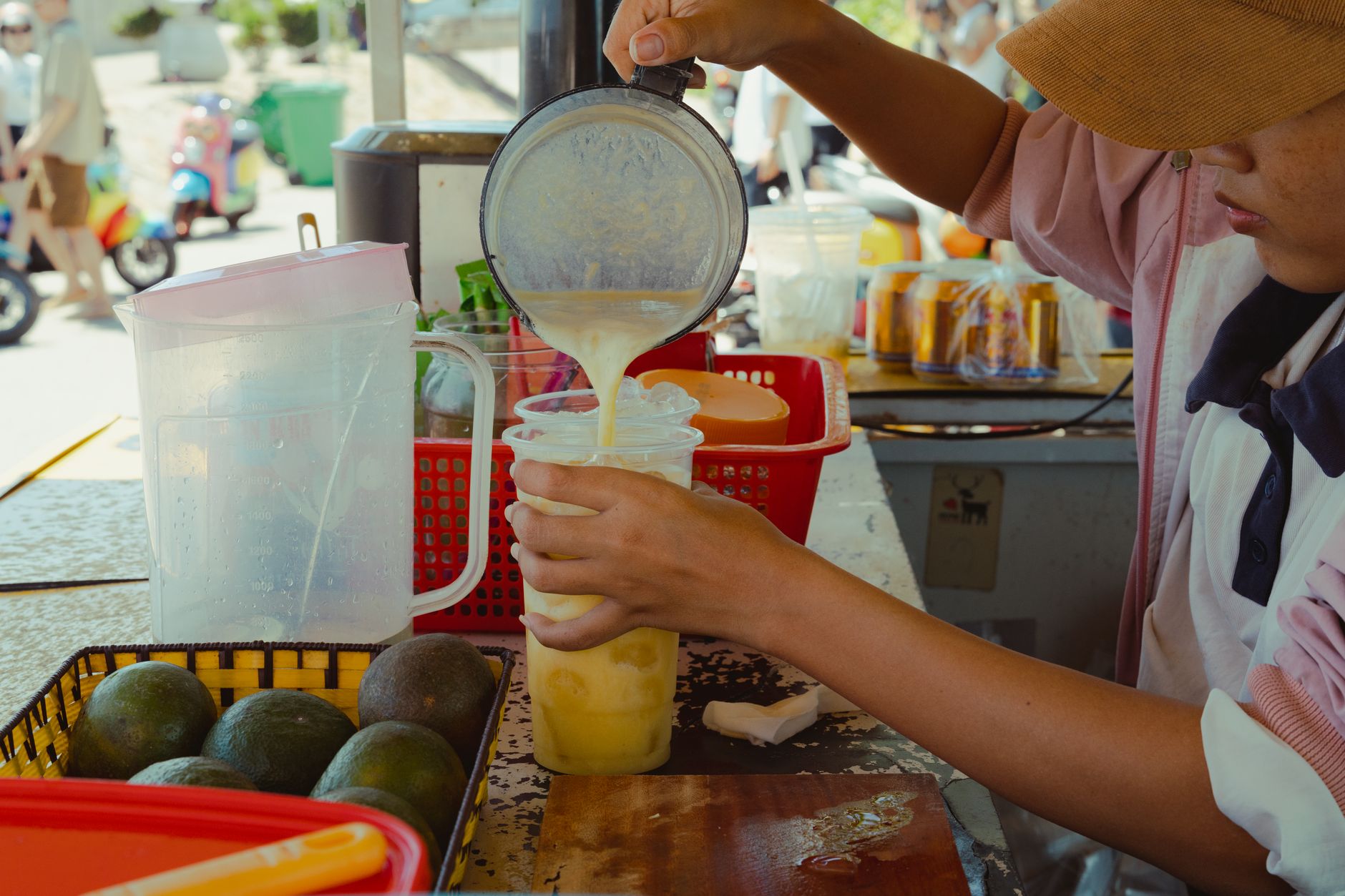
Photo by HONG SON on Pexels
Tam Ky: The Provincial Capital That Doesn't Perform
Tam Ky is Quang Nam's administrative capital and, by tourist logic, an irrelevance. There is no ancient town, no heritage hotel, no cooking class industry. What it has is a food scene that operates entirely on local demand — which means quality controlled by repeat customers, not TripAdvisor reviews.
Banh Mi and Morning Staples
The "banh mi" scene in Tam Ky runs on a different register to Hoi An's famous Banh Mi Phuong. The bread here is softer, the filling ratio heavier on pate and pickled daikon, lighter on the showmanship. Com tam (broken rice) stalls open at 6am on Le Loi street and run until the rice runs out, which is usually around 9am. A plate with grilled pork, a fried egg, and pickles costs 30,000–40,000 VND.
Bun Bo and the Central Spectrum
Quang Nam sits between Hue and Da Nang, and its "bun bo" — beef noodle soup — reflects that geography. It's spicier than the Da Nang version, less complex than the Hue original, and tends to include more lemongrass. Around Tam Ky's market area (Cho Tam Ky), there are four or five stalls serving bun bo from dawn; the one with the longest queue by 7am is reliably the right choice.
The Quang Nam Countryside: Banh Xeo and Fermented Things
Drive inland from Hoi An toward the foothills — the direction of My Son — and the food shifts again. "Banh xeo" (sizzling crepe) in the rural Quang Nam style is smaller than the southern version and cooked in individual cast-iron pans, one crepe per pan. The filling is simpler: bean sprouts, a few shrimp, sometimes nothing but shrimp paste on the batter. You wrap it yourself in mustard leaves and fig leaves (la sung), dip it in a thin nuoc cham, and eat it fast before it goes soft.
Roadside stops along the Duy Xuyen–Que Son corridor often sell "nem chua" — fermented raw pork wrapped in banana leaf — alongside bottles of ruou gao (rice wine). These aren't set up for tourists; they're provisioning stops for motorbike commuters. Pull over, point, pay 10,000–15,000 VND per piece. The nem chua here is tangier and more aggressively fermented than the Hanoi variety.

Photo by Pragyan Bezbaruah on Pexels
How to Approach This as a Traveller
Renting a motorbike from Hoi An and riding south to Tam Ky takes about 75 minutes on Highway 1 or a slower 90 minutes on the coastal road through Binh Duong. The coastal route passes salt flats, fishing villages, and at least three banh mi carts worth stopping for.
Tam Ky has a handful of guesthouses in the 250,000–400,000 VND per night range. It is not set up for extended tourism, which is the point — a day trip or an overnight stay slots into a broader central Vietnam itinerary without requiring its own dedicated logistics.
Practical Notes
Most of these eating spots are cash only; bring small bills (10,000–50,000 VND denominations). Very little English is spoken outside Hoi An, so a basic phrase or two goes a long way — pointing at what other people are eating works fine in most cases. The best eating hours are 6–10am for breakfast dishes and 11am–1pm for mi quang and cao lau; most stalls close or run out by early afternoon.
Last updated · May 29, 2026 · independently researched, never sponsored.