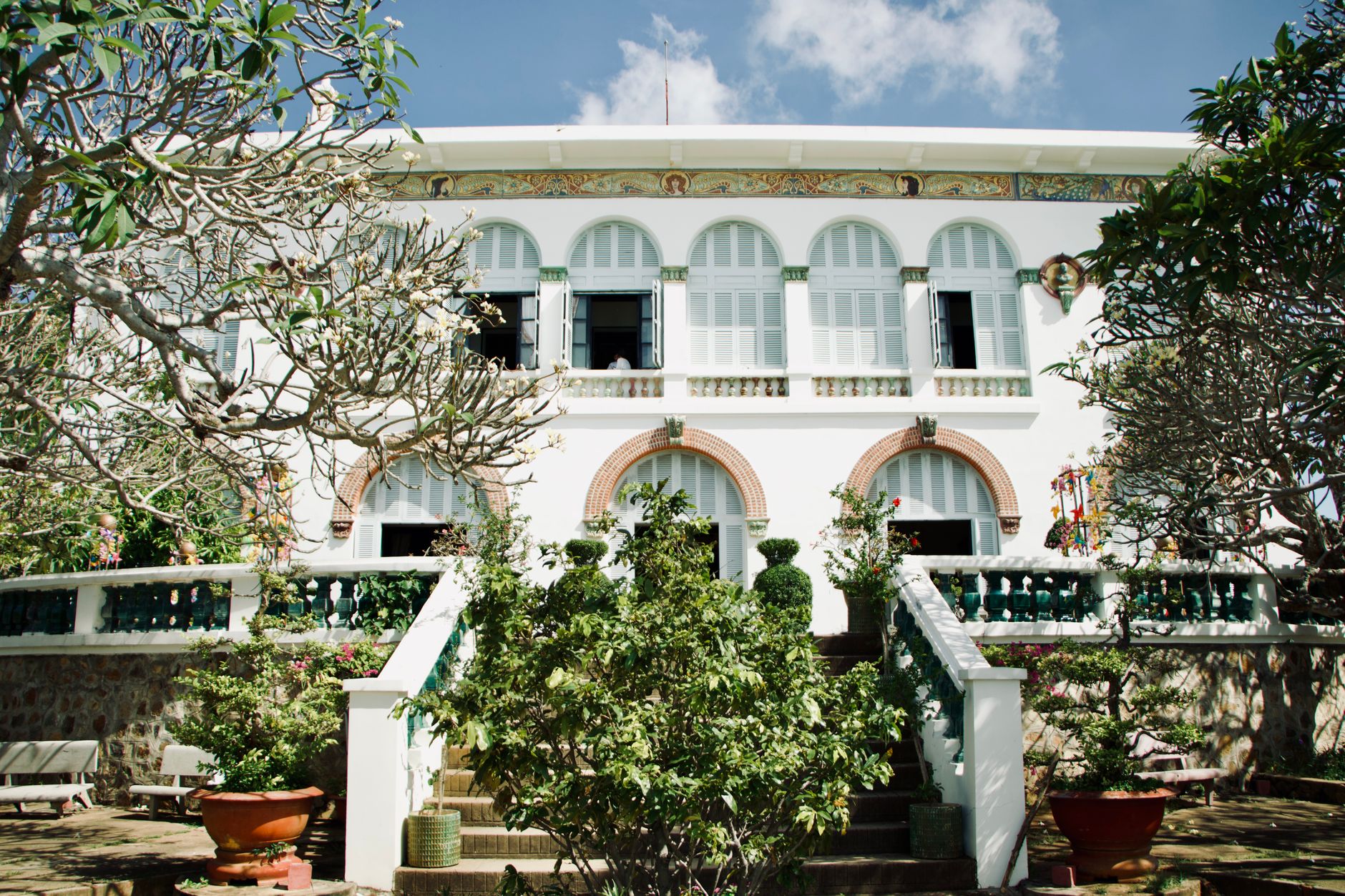
Quang Nam is the kind of province where the tourist trail ends at Hoi An's lantern-lit streets, and everything else belongs to the locals. That's a mistake. The province stretches from the South China Sea inland to the mountains, and it's got genuine temples, working craft villages, river food, and enough day-trip options to justify three or four days if you're not rushing to Da Nang.
The Hoi An tangle
Let's address the obvious first. Hoi An (호이안 / 会安 / ホイアン) itself—the 16th-century trading port with yellow-washed shop houses and a Friday-night lantern festival—is real and worth a half-day walk. But most travelers spend two or three nights here, stay in the Old Town hotels at 800,000–2 million VND, eat at the same tourist-friendly "pho restaurants," and miss the province entirely.
If you've already done the lantern selfies and bought a bespoke "ao dai" from the tailor stalls, move on. The actual value in Quang Nam is outside the Old Town.
Day 1 — Hoi An's working surroundings
Cam Thanh coconut boats and woodworking
Cam Thanh village, 5 km east of Hoi An, is where you see what the Old Town used to be: a fishing and crafts community. Take a "coracle" (a woven bamboo basket boat) through the mangrove channels for 100,000–200,000 VND with a local boatman. It's chill and quiet early morning, touristy by 10 a.m. Stop at a family woodworking workshop (doors, chairs, decorative panels) and you'll see why this area supplied the whole coast.
Cost: boat + lunch at a waterfront restaurant, 400,000–600,000 VND.
Tra Que herb village
2 km north of Hoi An, Tra Que is a thin ribbon of vegetable gardens supplying the region's markets. Organized tours offer herb-picking and cooking classes (400,000–800,000 VND), but honestly, just rent a bike, ride through, stop at a family plot, and ask to look around. The rows of mint, lettuce, and basil are real; the tour overhead is not necessary.
Best time: early morning before heat and crowds.
Day 2 — My Son temple ruins and the highlands
My Son
40 km southwest of Hoi An, My Son is a 10th–15th century Hindu-Buddhist sanctuary built by the Champa kingdom. Brick towers and stone carvings sit in a valley, partially rebuilt, partially still moss-covered ruins. It's the most significant Champa site in Vietnam and feels genuinely old—not reconstructed theme-park old.
The site is large; budget 2–3 hours. Entry is 150,000 VND. Many tours include a shuttle from the carpark (another 50,000 VND). If you rent a motorbike, drive yourself and arrive before 8 a.m. to skip groups.
Co-located: My Son is in the foothills; the drive passes through rice paddies and small villages—photograph-worthy if you're not on a rushed tour bus.
Nong Nuoc marble quarry and sculpture village
On the return to Hoi An, pause in Nong Nuoc, a village where white and gray marble blocks are carved into statues, vases, and temple ornaments. The quarry pits are visible from the road; workshops line the main street. You can buy small pieces (200,000–1 million VND for carved animals or figurines) or just wander and see craftspeople working. It's kitschy, yes, but it's a real, functional village, not a museum.
Entry / carving: free to browse, prices on request.
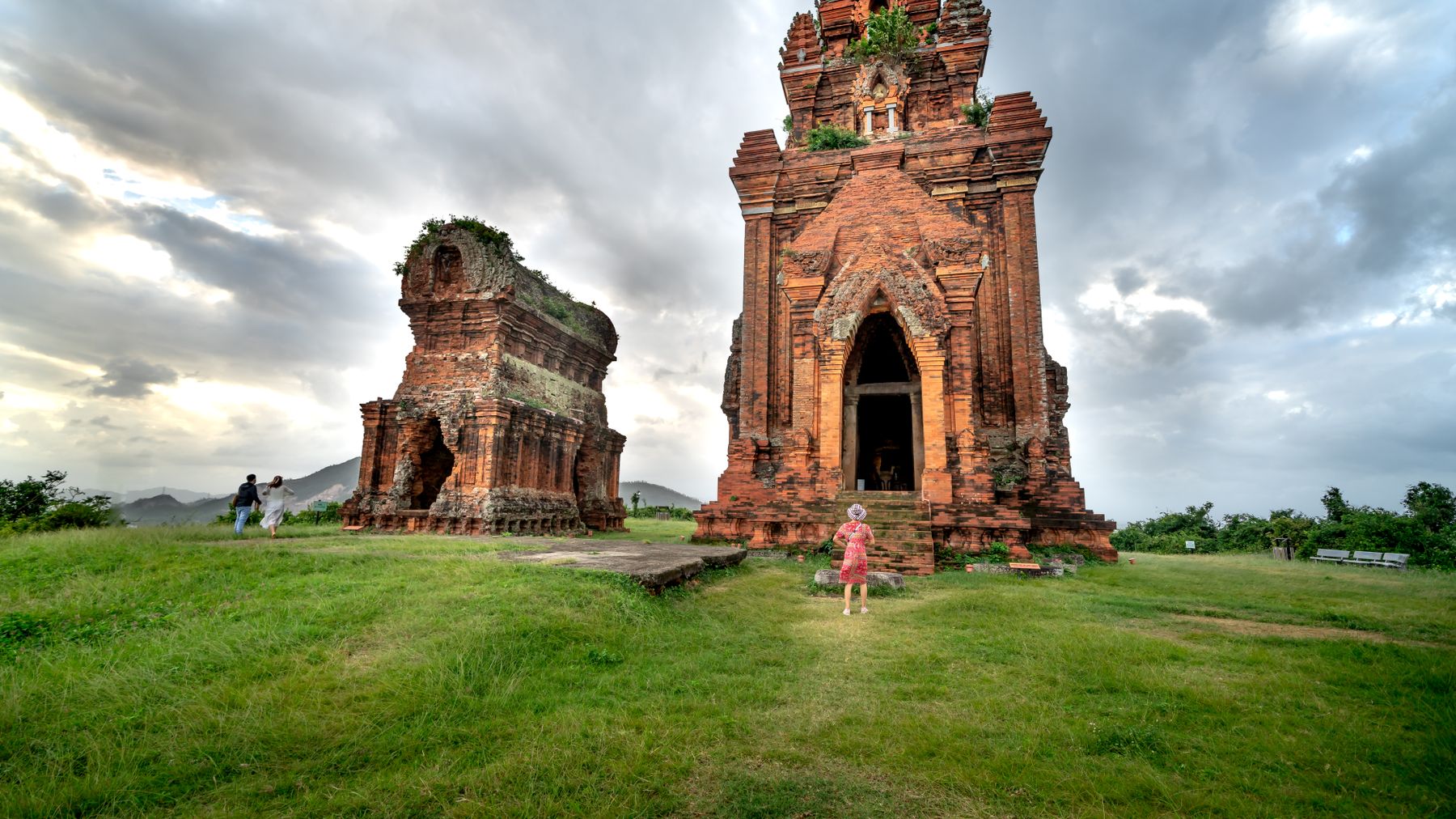
Photo by Quang Nguyen Vinh on Pexels
Day 3 — Riverside eating and evening markets
The Thu Bon River and food
Hoi An sits on the Thu Bon, a slow, brown river lined with restaurants. Skip the Old Town tourist traps and eat at family-run places on the riverside near Ngu Hanh Son pagoda or the northern bridge. Order "com tam" (broken-rice with grilled fish) or fresh crab soup for 50,000–100,000 VND.
If you're there in early morning, walk to Hoi An's central market (Dong Xuan-style wet market, not the souvenir stalls) and eat "banh mi (반미 / 越式法包 / バインミー)" from a street vendor (15,000–25,000 VND) with locals.
An Bang Beach
5 km east, An Bang is a short strip of sand with a few beach bars and seafood restaurants. It's not pristine, but it's functional and quieter than Hoi An town. Swimming is safe most of the year; check the flag system. Beer and snacks: 30,000–100,000 VND.
Day 4 — Mountains and hot springs
Da Nang side trip: Bana Hills
If you have time, Da Nang (30 km north) has the Golden Bridge—a cable-car attraction with a giant stone hand holding a bridge (touristic, but architecturally interesting). Entry is 700,000–750,000 VND including the cable car. The mountain views are legitimately nice. Most people do this as a 6-hour loop from Hoi An with a guide.
Alternative: skip Bana and spend the day trekking in Elephant mountains (60 km southwest of Hoi An), which have less infrastructure but better hiking and fewer visitors.

Photo by Flint Huynh on Pexels
Practical day-trip options
What to skip:
- Faifo theme park (Disneyland knockoff near Hoi An).
- Any "traditional village cooking class" that costs over 800,000 VND; home cooks rent cheaper.
- Lantern-making and tailor-shopping tours unless you actually want a custom outfit—they're extended sales pitches.
What's worth your time:
- Sunrise at My Son (hire a motorbike and go early).
- Early-morning market eating in Hoi An center (before tourists arrive).
- Renting a motorbike and riding the secondary roads toward Quang Ngai province—rice paddies, fruit orchards, zero foreign faces.
Transport and logistics
Getting there: Hoi An has direct buses from Da Nang (1 hour, 50,000 VND) and Saigon (15 hours, 300,000–400,000 VND). There are also flights into Da Nang airport (40 km away) and onward buses to Hoi An.
Motorbike rental: 100,000–150,000 VND per day. Helmet use is mandatory. Roads are decent, traffic is light outside Hoi An center.
Accommodation: Hoi An has options from 200,000 VND (backpacker dorm) to 2+ million (colonial-style resorts). Book outside the Old Town (Cam Thanh, northern Hoi An) for quieter, cheaper stays and authentic dining.
Language: English is spoken in Hoi An proper and tourist restaurants. Once you leave town, Vietnamese is useful. Download Google Translate offline.
Practical notes
Quang Nam rewards side-stepping the Hoi An bubble. Rent a motorbike for one or two days, eat where locals eat (ask at your hotel), and spend time in villages that aren't on the postcard. My Son and the river villages are the real draw; the Old Town is a good base, not a destination.
Last updated · May 29, 2026 · independently researched, never sponsored.